How To Know If A Shoe Is Too Big – Fit Warning Signs
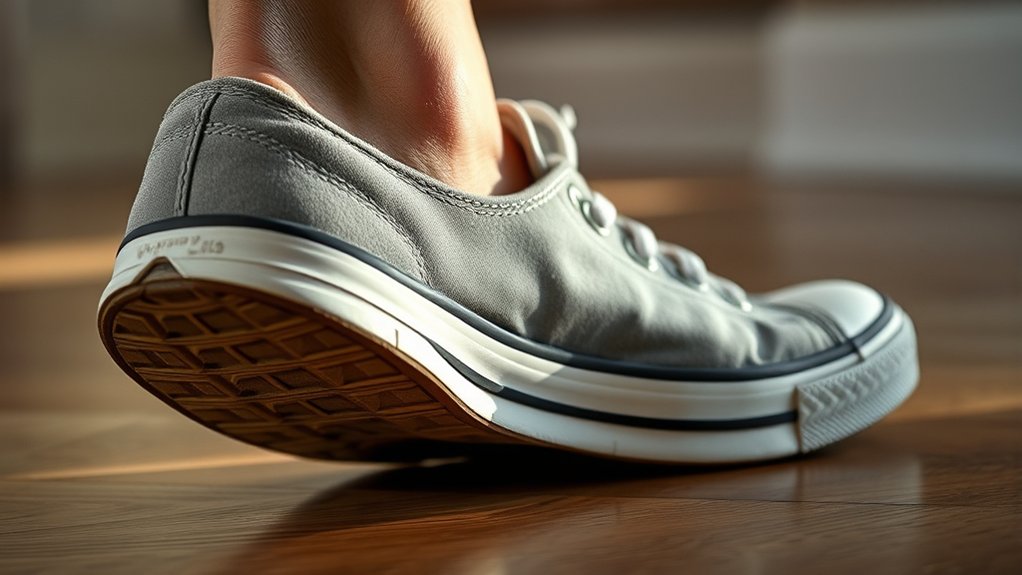
You’ll know your shoes are too big if your heels slip more than half an inch when walking or if your toes curl to grip the shoe. Excess space causes your feet to slide side-to-side, leading to blisters, calluses, and instability that disrupt your balance and gait.
Frequent rubbing and wobbling signal poor fit, increasing injury risk. If your shoes feel loose or cause discomfort, it’s essential to explore how to adjust or properly fit them.
Pay attention to these signs so you can avoid problems down the road. It’s always better to have shoes that fit just right!
Key Takeaways
- Excessive heel slipping over half an inch during walking indicates the shoe is too big.
- Toes curling or lifting inside the shoe to grip signals an improper, oversized fit.
- A thumb’s width of space between the longest toe and shoe front shows excessive length.
- Frequent blisters or calluses on heels and toes suggest foot movement caused by a loose shoe.
- Side-to-side foot sliding inside the shoe reduces stability and increases fall risk.
Key Signs Your Shoes Are Too Big
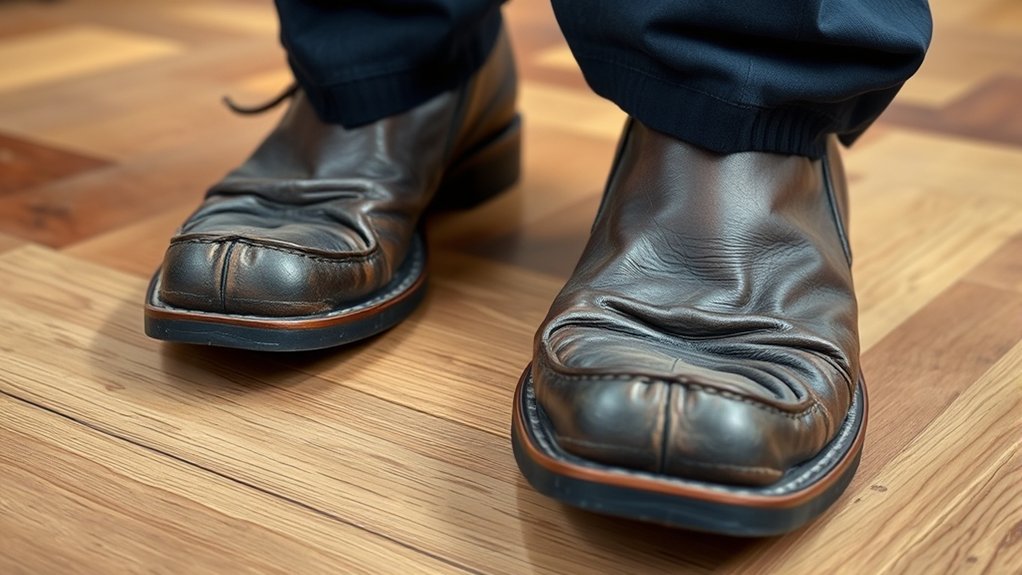
If your shoes slip excessively, more than half an inch at the heel while walking, they’re too big for your feet. Notice if your toes curl or lift to grip the shoe. This kind of compensatory action signals an improper fit due to extra space.
Excessive heel slipping and toes gripping signal shoes that are too large and improperly fitted.
A thumb’s width of space ahead of your longest toe when standing also indicates oversized footwear. Pay close attention to the shoe material, especially if it’s flexible or soft. These fabrics may make slipping worse, especially if they don’t conform well to your foot arch.
Frequent blisters or calluses on heels or toes come from repeated friction caused by slippage. Also, instability or frequent tripping often happens because of inadequate foot arch support in shoes that are too large. This can mess with your gait and balance.
Recognizing these signs helps make sure your shoe size matches your foot anatomy precisely.
Why Heels Slip Out of Big Shoes
When your shoes are too big, they don’t fit snugly, which means there’s less friction and support. Because of that, your heel tends to slip out every time you take a step.
This extra movement isn’t just annoying—it actually makes your foot less stable and can lead to blisters or even injuries.
Causes Of Heel Slippage
Because your shoe doesn’t fit snugly around your heel, heel slippage happens as your foot lifts and slides out during movement. This usually happens when the shoe is too long or doesn’t have enough heel counter support. When the shoe length is longer than your foot size, the heel doesn’t get the firm hold it needs, which makes things unstable.
Also, if the heel counter is weak or not well-structured, it won’t lock your heel in place properly. That makes slipping more likely. You might try insoles or heel grips to reduce slipping for a while, but they’re not a substitute for a proper fit.
| Cause | Effect on Heel Fit |
|---|---|
| Excessive shoe length | Foot slides forward, heel lifts |
| Inadequate heel counter | Heel lacks firm support |
| Oversized shoe width | Heel moves laterally |
Making sure your heel counter is rigid enough and that your shoe length is just right is key to keeping heel slippage at bay.
Effects On Foot Stability
Heel slippage caused by oversized shoes directly compromises your foot stability by failing to keep the heel securely in place during movement. When your heel slips, the shoe material can’t provide the necessary support, which disrupts the natural alignment of your foot arch.
This instability leads to several issues:
- Reduced control: The loose fit prevents your foot from maintaining a secure grip inside the shoe, increasing the likelihood of tripping or stumbling.
- Increased friction: Heel slip causes repeated rubbing, resulting in blisters and calluses.
- Compromised balance: Without a snug heel fit, your foot arch can’t function properly, weakening overall stability.
To avoid these effects, choose shoes with firm heel counters and materials that conform closely to your foot’s shape. This way, you’ll get secure support and the ideal foot arch alignment you need.
How Too Much Toe Space Hurts Your Feet
If your shoe has too much toe space, your toes tend to slide forward, which can create pressure points. These spots often cause blisters and calluses.
Plus, when your toes aren’t held securely, it can make your feet feel unstable.
This instability might even lead to problems like toe curling or hammertoes over time.
On top of that, having too much room means your toes don’t engage properly. That can mess with your balance and leave your feet feeling tired more quickly.
Excess Toe Space Effects
When you wear shoes with excessive toe space, your toes slide forward, increasing friction and causing blisters. This extra room in the shoe length disrupts natural foot mechanics and leads to several issues.
First, pressure shifts to the ball of your foot, causing pain and discomfort. To prevent slipping, your toes may grip or curl, which can result in strain and even potential deformities.
Plus, your gait stability decreases, raising the risk of trips and falls.
Excessive toe space also accelerates wear in the shoe’s toe area, which signals a poor fit. Unlike toe crowding, too much length compromises support and alters foot alignment.
Toe Curling Consequences
How exactly does excessive toe space in your shoes affect your foot health? When your shoes provide too much room, your toes curl or claw to grip the shoe for stability. This repetitive curling increases pressure on toe joints, contributing to discomfort and the development or worsening of toe deformities such as hammertoes.
Without proper shoe padding and fit, your toes overcompensate, leading to blisters and calluses. The instability caused by oversized shoes forces your toes to grip excessively, raising the risk of injury.
Over time, persistent toe curling can misalign your toes, making any existing deformities worse.
To keep your feet healthy, make sure your shoes offer the right support and proper padding. This way, you can avoid the harmful consequences of having too much space in the toe box. It really makes a difference!
Pressure Point Development
Although extra space in the toe box might seem comfortable, it actually causes your toes to slide forward. This increases pressure on joints and creates painful pressure points. This improper pressure distribution can even contribute to toe deformities like hammertoes.
When your shoe is too big, you might notice a few things. First, there’s increased stress on the ball of the foot and toes, which can lead to calluses and corns at pressure points.
Then, your toes might grip the shoe’s front to prevent slipping, which generates friction and blisters.
You could also experience repeated toe impacts against the shoe’s front. This can cause nerve irritation and joint discomfort.
These problems happen because excess toe space disrupts your natural foot mechanics. It forces your toes into unnatural positions with uneven pressure.
Properly fitting shoes help avoid all this by giving you balanced support. They reduce the chances of pressure point development and keep your feet more comfortable.
How to Tell If Your Feet Slide Side-to-Side in Shoes
If your feet slide side-to-side inside your shoes as you walk, it signals that the fit is too loose and compromises stability. This lateral movement shows the shoe material isn’t gripping your foot arch effectively, which means there’s too much space and less control. When your feet shift sideways, friction increases against the shoe’s interior, often causing blisters or calluses.
To check this, stand and walk in your shoes. If you notice your feet moving independently from the shoe, the fit isn’t right. Shoes that fit properly should hug the contours of your foot arch and hold your feet snugly without feeling tight or restrictive.
Making sure there’s minimal side-to-side movement helps improve comfort, prevents injuries, and supports efficient foot biomechanics while you walk. If your feet slide around, it’s a good idea to try on shoes with a better fit or ones made from more supportive materials.
How Big Shoes Hurt Your Walking Balance
When you wear shoes that are too big, your walking balance suffers because the lack of a secure fit causes your feet to shift unpredictably inside the shoe. This instability disrupts your natural gait and increases the risk of falls.
Wearing shoes that are too big leads to unstable feet and a disrupted gait, increasing fall risk.
Oversized shoes, no matter the material, often have excessive heel slippage which makes it hard to control your steps and get proper support.
Fashion trends may promote stylish but ill-fitting designs, which only makes your balance worse.
Here’s how big shoes affect your walking balance:
- Uneven weight distribution causes wobbling and reduces movement precision.
- Foot shifting inside the shoe interrupts the natural step cycle.
- Increased likelihood of ankle sprains due to inadequate support and slipping.
Choosing the right fit is key. It keeps you stable and helps prevent these balance hazards.
What Blisters and Calluses Reveal About Shoe Fit
Because oversized shoes allow your foot to move excessively, they often cause blisters and calluses by creating repeated friction and pressure points. When your foot slides inside the shoe, especially around the foot arch and heel, the shoe material repeatedly rubs against your skin.
This friction damages the outer layer, forming blisters in high-movement areas and calluses where pressure concentrates. These signs clearly indicate a poor fit, as properly sized shoes minimize internal movement and skin irritation.
Additionally, shoe material plays a critical role. Softer, flexible materials reduce friction, whereas stiff materials can make skin damage worse in loose shoes.
If you notice blisters or calluses developing, it’s a strong signal your shoes are too big and failing to support your foot arch correctly. This compromises both comfort and foot health.
When to Use Insoles in Shoes That Are Too Big
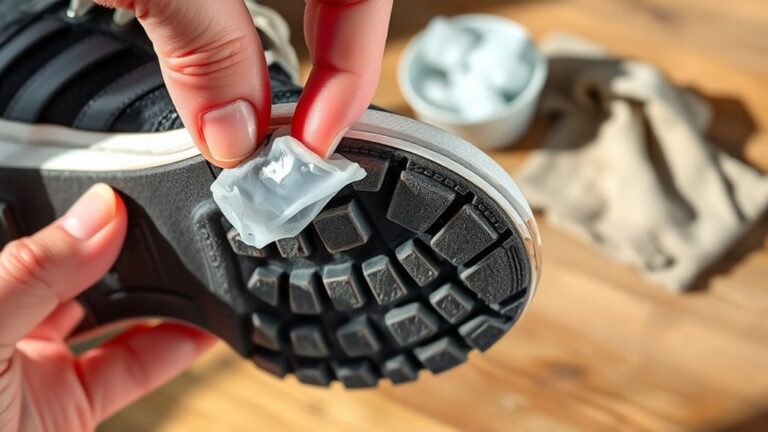
Blisters and calluses often signal that your shoes are too large, allowing excessive foot movement and friction. Using insoles can effectively address this by filling extra space and improving fit.
When considering insoles, keep these points in mind:
Match the insole to your foot shape and shoe material to maintain comfort and prevent irritation. Choose gel or foam insoles to add cushioning and enhance stability, especially if shoes are slightly oversized.
Replace insoles regularly to ensure consistent pressure distribution and prevent wear-related discomfort.
While fashion trends often influence shoe selection, prioritizing proper fit with insoles guarantees your feet stay protected without compromising style. Insoles provide a practical solution when shoes are too big, balancing comfort and fashion effectively.
Adjusting or Replacing Shoes That Don’t Fit
If your shoes feel loose despite using insoles or padding, you should consider additional adjustments or replacing them altogether. Start by evaluating the shoe material. Certain fabrics stretch or compress differently, which can affect the fit.
For minor looseness, adding heel grips or wearing thicker socks can improve stability without changing the shoe color or appearance. However, if the shoes are considerably oversized, replacement is usually the best option. This helps avoid foot discomfort and improper support.
It’s important to prioritize functional fit over aesthetic preferences, like shoe color or brand. If you keep having fit issues, it might be a good idea to consult a podiatrist or footwear specialist. They can recommend custom orthotics or tailored solutions.
Getting the right fit guarantees ideal comfort and helps prevent long-term foot problems that come with poorly fitting footwear. So, don’t settle for shoes that don’t feel right!
Tips to Avoid Buying Shoes That Are Too Big
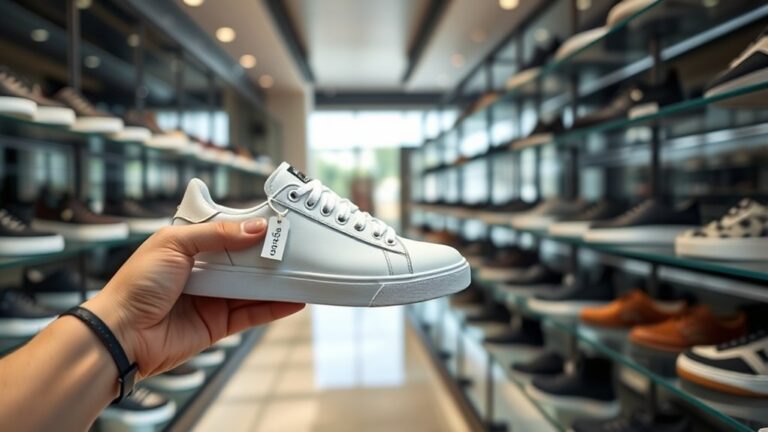
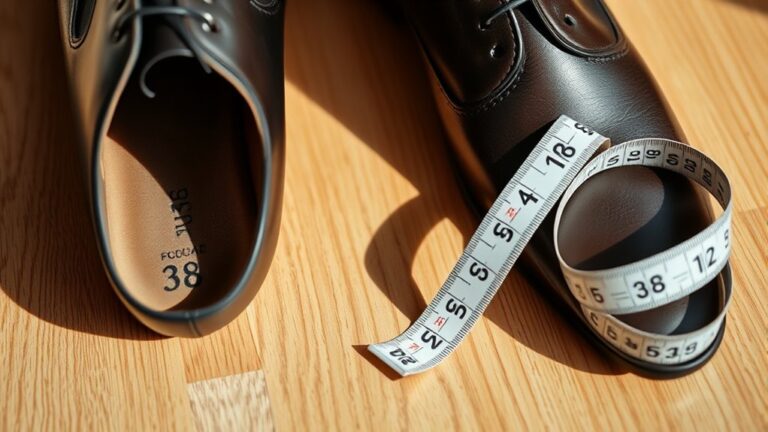
When buying shoes, you should measure your feet at the end of the day when they’re naturally swollen to guarantee an accurate size. This makes sure the shoe material can handle your foot’s natural expansion.
To avoid buying shoes that are too big, here are some tips you can follow:
Here are practical tips to help you avoid purchasing shoes that are too large.
Always try shoes on with the socks you plan to wear regularly. This helps you get a real feel for how the shoes will fit in everyday use.
Walk around in the shoes to see if your heel slips or if there’s too much movement inside. These are signs the shoes mightn’t fit properly.
Also, check online reviews and sizing guides. They can give you a heads-up if the shoe tends to run large, especially with current fashion trends that might affect sizing.
Frequently Asked Questions
Can Thick Socks Fix Shoes That Are Slightly Too Big?
You can use sock thickness to improve fit in shoes slightly too big, but it won’t prevent shoe stretching or fully fix sizing issues.
Try combining thick socks with insoles for better stability and comfort. This way, you avoid making your shoes feel too tight or constricted.
Are Certain Shoe Materials More Prone to Fitting Issues?
You might think leather stretch solves sizing issues, but it’s not foolproof. Materials like synthetic or stiff plastics demand exact shoe sizing since they don’t adapt well. This can cause discomfort and fit problems more often than flexible leathers do.
How Often Should I Replace Shoes That Feel Loose?
You should replace loose-fitting shoes every 6 to 12 months to keep them in good shape. This helps maintain the shoe’s longevity and ensures they continue to feel comfortable.
Sticking to this replacement timeline prevents cushioning from breaking down. It also lowers your risk of injury and makes sure your feet get the support they need during everyday use.
Can Foot Swelling Affect Whether Shoes Feel Too Big?
Yes, foot swelling can affect shoe fit. When swelling decreases, shoes that felt snug may suddenly feel too big.
You should monitor swelling patterns to guarantee your shoe fit remains accurate throughout the day. It’s pretty common for your feet to change size depending on activity and time. So, keeping an eye on this helps you stay comfortable.
Do Shoe Sizes Vary Between Brands Affecting Fit?
Yes, shoe sizes vary between brands because of sizing discrepancies and lack of consistency. You’ll notice differences in fit, which can be pretty frustrating sometimes.
Conclusion
If your shoes feel like boats on your feet, it’s a clear sign they’re too big. Ignoring fit issues can lead to blisters, balance problems, and foot pain. Pay close attention to toe space, heel slippage, and side-to-side movement to protect your stride.
When shoes don’t fit right, try adjusting with insoles or consider replacements. Remember, a perfect fit isn’t just about comfort; it’s the foundation for healthy, pain-free walking. Don’t let oversized shoes steer you off course.