What Is A Good Walking Shoe – Top Features To Consider
A good walking shoe fits precisely, offering at least one finger’s width in the toe box and bending at the ball for natural foot movement. It provides targeted cushioning to absorb shock, tailored arch support based on your foot type, and breathable materials to manage moisture and heat.
Durable outsoles and stability features help reduce injury risk, especially on varied terrain. Comfort, fit, and support are more important than style choices.
Understanding these essentials will help you find the best shoe for your needs and conditions. It’s all about making sure your feet feel great every step of the way.
Key Takeaways
- A good walking shoe offers proper fit with enough toe space and stable support for comfort during extended use.
- Effective cushioning absorbs shock and matches your arch type to reduce injury risk and foot fatigue.
- Flexible soles that bend at the ball of the foot enhance natural movement and balance on varied terrains.
- Breathable, moisture-wicking materials keep feet cool and dry, preventing blisters and fungal infections.
- Replace walking shoes every 300-500 miles or when outsole wear and cushioning compression reduce support.
How To Choose The Best Walking Shoes For Your Feet
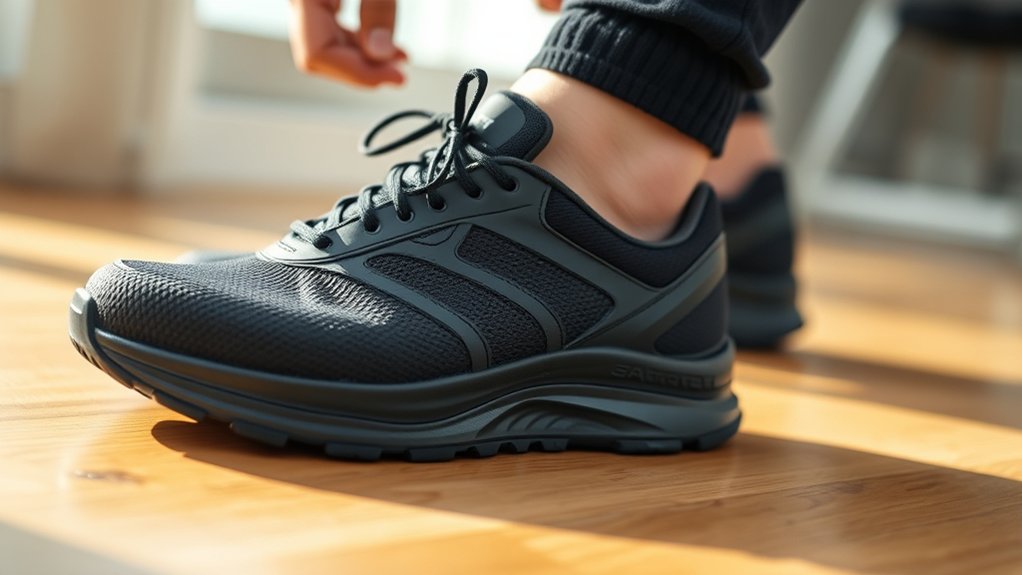
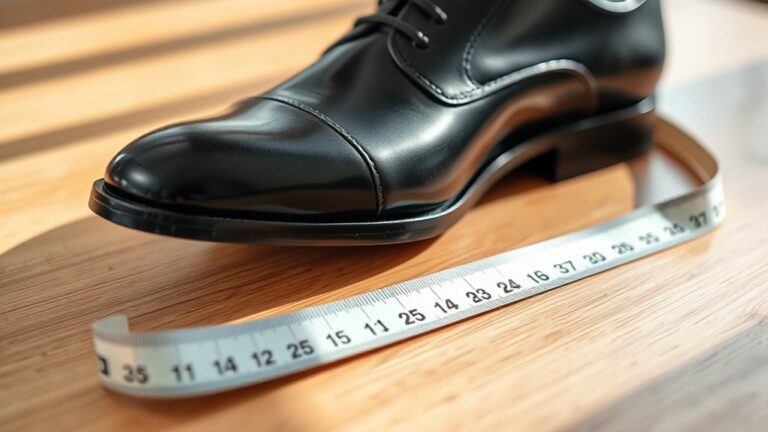
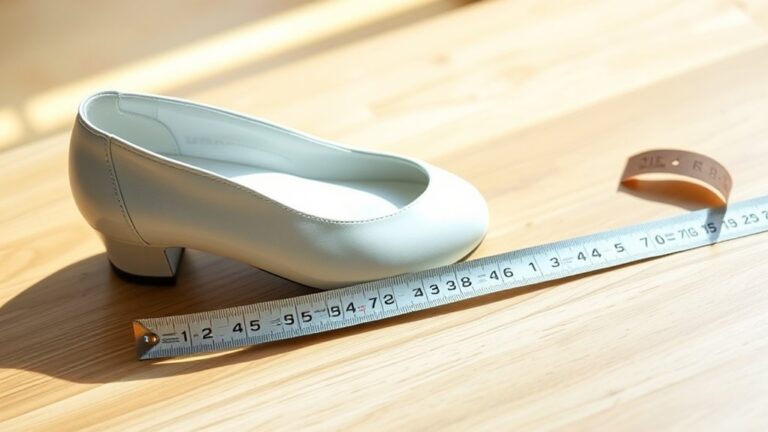
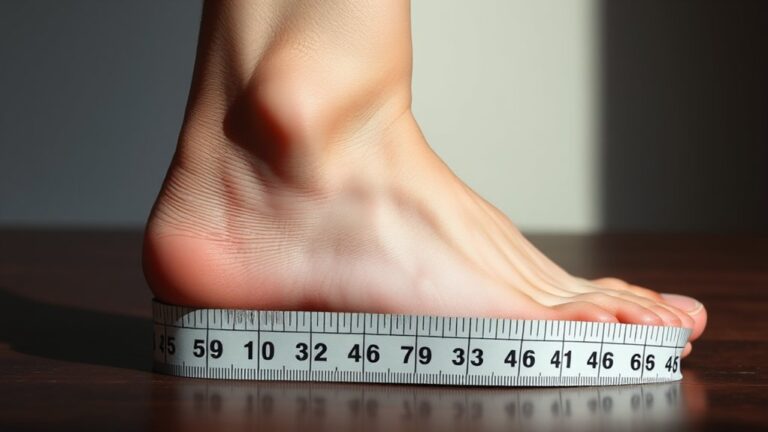
When choosing the best walking shoes for your feet, you should measure your foot size and width in the late afternoon. Feet tend to swell throughout the day, so measuring later guarantees a more precise fit.
Pick shoes that bend easily at the ball of your foot. Also, make sure there’s at least one finger’s width of space in the toe box to prevent discomfort.
Choose shoes that flex at the ball of your foot and allow finger-width space in the toe box.
Match your shoe choice to your arch type. High arches benefit from neutral or cushioned shoes, while flat feet need stability or motion-control features.
While shoe color and fashion trends might influence your selection, prioritize functional fit and support.
Try on multiple pairs and walk around to check for stability without friction.
This approach ensures maximum comfort and performance.
Why Fit Matters More Than Brand Or Style
When you’re picking out walking shoes, the most important thing to focus on is how they fit—not the brand or the style. Getting the right fit means you’ll feel comfortable right away and lower your chances of hurting yourself.
Make sure there’s at least a finger’s width of space at the toe. This little bit of room lets your foot move naturally and helps you avoid pain.
Even if you buy from a high-end brand, it mightn’t work for you if the shoe shape doesn’t match your foot. So really, fit is the key to keeping your walk healthy and pain-free.
Comfort Over Appearance
Although brand names and stylish designs often attract attention, your walking shoes’ fit plays a far more critical role in foot health and comfort.
While fashion trends and shoe aesthetics may influence your initial choice, prioritizing comfort guarantees immediate wearability without a break-in period.
Ill-fitting shoes, whether too tight or loose, can lead to blisters, pain, and long-term deformities, regardless of brand.
Features like adjustable straps and flexible uppers accommodate foot shape and swelling, enhancing comfort during extended use.
By focusing on fit over appearance, you reduce risks of plantar fasciitis and Achilles tendinitis, promoting longer, pain-free walking sessions.
Ultimately, comfort-driven choices support foot biomechanics better than any fashionable design.
This really shows why fit matters more than brand or style when picking walking shoes.
Proper Size Priority
Because your feet naturally swell throughout the day, selecting walking shoes with at least one finger width of space in the toe box is vital to prevent discomfort and injury. Proper sizing outweighs brand reputation or color options since ill-fitting shoes cause blisters, bruising, and foot pain.
To guarantee an ideal fit, consider these evidence-based steps:
- Shop later in the day when your feet are largest, accommodating natural swelling.
- Prioritize comfort and fit over aesthetics or known brands.
- Confirm the shoe provides adequate stability and support to reduce injury risk, including plantar fasciitis and Achilles tendinitis.
- Confirm there’s enough toe box room for movement without slippage.
How Cushioning In Walking Shoes Prevents Injuries
Proper cushioning in walking shoes plays a critical role in injury prevention by absorbing shock and reducing the impact forces transmitted to your feet, ankles, knees, and hips. Advanced cushioning technology, often utilizing EVA or specialized foams in the midsole, guarantees consistent impact absorption even after prolonged use.
This shock absorption decreases mechanical stress on joints and connective tissues, lowering the risk of overuse injuries such as plantar fasciitis and Achilles tendinitis.
When cushioning levels align with your specific foot type and walking intensity, they provide ideal support that minimizes fatigue-related injuries. Additionally, proper cushioning promotes a smoother gait by attenuating jarring forces, which further protects your musculoskeletal system.
Selecting walking shoes with scientifically designed cushioning technology is crucial for maintaining long-term joint health and comfort during extended walking sessions. It’s definitely worth paying attention to the cushioning when you pick your next pair of walking shoes.
Why Walking Shoe Flexibility Matters For Comfort
When walking shoes offer adequate flexibility, they enable your feet to move naturally. This reduces muscular strain and makes walking more comfortable, especially during long periods of activity. Flexibility depends a lot on the shoe material and sole design. It allows the shoe to bend easily at the ball of your foot.
This is really important for keeping a good walking pace and a smooth gait.
Here’s why shoe flexibility matters:
- It helps your feet move naturally, which cuts down on fatigue.
- It spreads pressure evenly, so you get less soreness and fewer blisters.
- It boosts your body’s awareness of foot position, helping with balance on different surfaces.
- It stops your feet from feeling restricted, which can cause discomfort or even injury.
Picking shoes made with flexible materials means your feet can keep up comfortably with your walking pace. That way, you stay comfortable longer and lower the risk of injuries.
How To Pick The Right Arch Support In Walking Shoes?
To pick the right arch support, start by checking out your foot’s arch type. You can do a simple wet test at home or get a professional foot analysis for more accuracy.
If you have high arches, you’ll usually need cushioned support to help absorb shock.
On the other hand, if your feet are flat, stability or motion control features are what you’re after.
Matching your shoe’s arch support to what your feet actually need helps spread your weight evenly and lowers the chance of injury.
It’s all about finding that perfect balance for your feet!
Assessing Arch Types
Although many factors influence walking shoe comfort, understanding your arch type plays a crucial role in selecting the right support. Start by performing the wet foot test: wet your foot, step onto paper, and analyze the footprint pattern. This helps identify your arch type accurately.
High arches produce a narrow, curved footprint with minimal midfoot contact. You need cushioning and stability to absorb shock.
Low or flat arches create a broad, full footprint. Support or motion-control shoes help prevent overpronation.
Medium arches show a distinct cavity in the midfoot area. Balanced support is essential.
Accurately evaluating your arch type ensures you pick walking shoes that reduce fatigue, prevent injury, and provide maximum comfort. It really makes a difference when you’re out walking for long periods.
Support Levels Needed
Understanding your arch type sets the foundation for selecting the appropriate level of support in walking shoes.
If you have flat feet, characterized by a full imprint in the wet foot test, you’ll need shoes offering stability or motion-control to prevent overpronation.
Conversely, high arches, indicated by a narrow foot impression, benefit from neutral shoes that provide moderate arch support, reducing supination risks.
Proper arch support maintains foot stability, promotes correct gait mechanics, and minimizes stress on the foot, ankle, and knee joints.
Incorporating customized insoles or orthotics can further enhance support, especially if you experience discomfort or have specific foot conditions.
Selecting walking shoes with the right arch support is essential for reducing fatigue and injury risk during prolonged walking activities.
Why Breathable Walking Shoes Keep Your Feet Comfortable
When you choose walking shoes with breathable materials like mesh or knit uppers, you actively promote air circulation around your feet. This helps reduce heat and moisture buildup.
That breathability is great for your foot health and overall comfort because it improves moisture control and temperature regulation.
Breathable shoes enhance foot health by controlling moisture and regulating temperature for lasting comfort.
Specifically, breathable walking shoes:
- Minimize sweating, which lowers the risk of blisters and fungal infections like athlete’s foot.
- Keep your feet cooler and drier during extended walks, making everything feel more comfortable.
- Regulate foot temperature effectively in hot or humid conditions.
- Promote better foot hygiene by limiting moisture retention that can lead to bacterial growth.
Picking shoes with these features means your feet will stay comfortable and healthy throughout your walks. It’s a simple choice that makes a big difference!
How To Test Walking Shoes Before You Buy
Before committing to a pair of walking shoes, you should conduct a series of practical tests to guarantee they meet your comfort and support needs.
First, wear socks similar to those you’ll use regularly and walk around the store to detect any rubbing or discomfort that could cause blisters.
Check the shoe material’s flexibility by bending it at the ball of the foot; it should flex naturally without stiffness.
Confirm proper fit by leaving at least one finger width between your longest toe and the shoe’s front.
Gently twist the shoe to assess stability. It should resist twisting but not be overly rigid.
Finally, evaluate available color options to confirm they suit your preferences, ensuring you choose a shoe that complements your style as well as your foot health.
It’s all about finding the right balance between comfort and style.
When To Replace Your Walking Shoes
After thoroughly testing your walking shoes for fit and comfort, it’s equally important to keep an eye on their condition over time to maintain ideal support. You should replace your shoes every 300 to 500 miles. That usually means every 6 to 12 months if you walk briskly for 30 minutes daily.
Proper replacement helps prevent loss of heel height and cushioning, which can lead to injuries. So, watch out for these signs:
- Visible wear on the outsole, showing decreased traction.
- Compressed midsole, which reduces shock absorption.
- Discomfort or pain during walks.
- Changes in heel height that affect gait stability.
When you’re thinking about replacing your shoes, take a look at updated color options. It’s a great way to match your style without giving up functionality.
Staying on top of your shoe condition protects your foot health and helps prevent overuse injuries. It’s definitely worth the attention!
Walking Shoes For Different Needs And Conditions
Although walking shoes share common features, choosing the right pair really depends on your specific foot condition, the terrain you’ll be on, and how active you plan to be. This helps make sure you get the best support and avoid injuries.
For example, shoes with cork footbeds and moderate cushioning are great for reducing heel pain caused by plantar fasciitis. Trail walking shoes have durable outsoles like Vibram and use waterproof materials to handle rough terrain. Meanwhile, stability or motion-control shoes are designed to support flat feet and help prevent overpronation.
If you’re into long-distance walking, you’ll want shoes that offer cushioning, stability, and a precise fit to keep fatigue at bay.
| Need/Condition | Key Feature | Recommended Walking Shoe Materials |
|---|---|---|
| Plantar Fasciitis | Cork footbed, moderate cushioning | Supportive foam, cork |
| Trail Walking | Durable outsole, waterproof | Vibram outsole, synthetic waterproof mesh |
| Flat Feet | Stability, motion-control | Reinforced midsoles, firm synthetic leather |
Oh, and don’t worry—walking shoe fashion also complements function, so you don’t have to sacrifice style for support.
Frequently Asked Questions
Can Walking Shoes Help Improve My Posture?
Yes, walking shoes can aid posture correction by promoting proper spinal alignment. They provide essential arch support and stability, which helps reduce compensatory movements that negatively affect your posture.
This support encourages a more upright and balanced walking stance. So, wearing the right walking shoes can actually make a noticeable difference in how you carry yourself throughout the day.
Are Waterproof Walking Shoes Necessary for All Climates?
You don’t always need waterproof walking shoes. While waterproof durability excels in wet climates, they can hinder breathability in dry areas.
It’s best to prioritize climate adaptability. Choose water-repellent materials only when moisture exposure risks foot health or discomfort.
How Do Walking Shoes Differ From Running Shoes?
You’ll find walking shoes offer softer arch support and moderate cushioning for durability with low-impact walking.
Running shoes provide firmer arch support and enhanced cushioning designed to absorb higher impact forces and improve propulsion.
It’s all about matching the shoe to the activity to keep your feet comfortable and supported.
Can Walking Shoes Reduce Foot Odor?
You won’t have to worry as much about odor control when you choose walking shoes with breathable fabrics. These materials reduce moisture buildup and inhibit bacterial growth.
Plus, when combined with a proper fit, they effectively minimize foot odor during your walks. It’s a simple way to keep your feet feeling fresh. Just make sure your shoes let your feet breathe!
What Materials Are Best for Eco-Friendly Walking Shoes?
You should choose sustainable materials like recycled plastics, organic cotton, and plant-based leathers. These options are great because they reduce waste and rely less on harmful chemicals.
Combine them with eco-friendly manufacturing processes such as non-toxic adhesives and water-based dyes. This way, you get durable walking shoes that are better for the planet.
It’s all about finding a balance between lasting quality and minimal environmental impact. That’s how you make truly eco-friendly walking shoes.
Conclusion
Choosing the right walking shoe isn’t just about style. Studies show that 75% of foot injuries come from improper footwear. So, it’s really important to prioritize fit, cushioning, flexibility, arch support, and breathability to keep your feet protected and comfortable.
Make sure you always test shoes before buying. And don’t forget to replace them regularly to avoid problems caused by wear and tear.
By focusing on these evidence-based features, you’ll lower your risk of injury and have a better walking experience. That way, your feet stay healthy and pain-free.