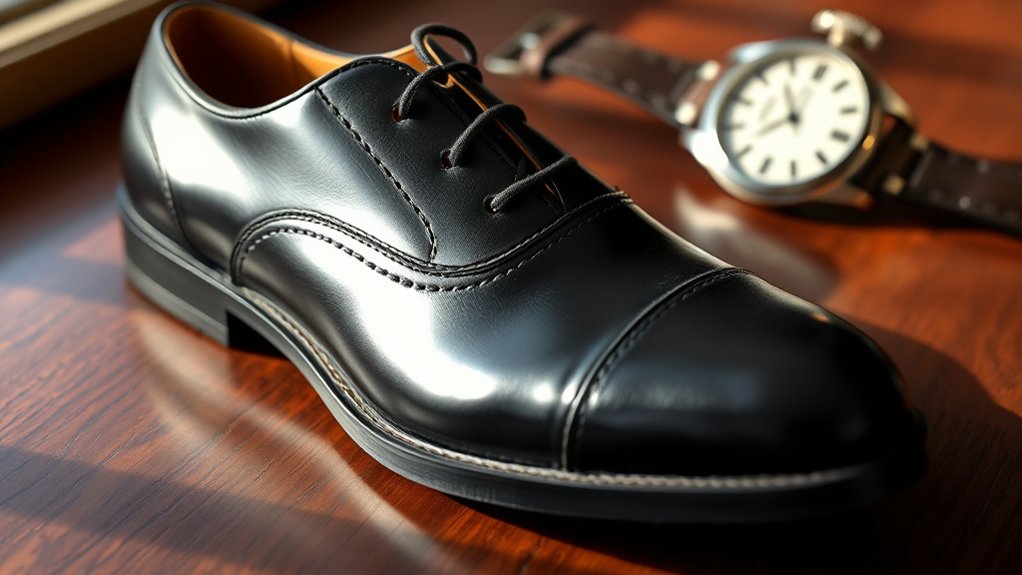
What Is A Derby Shoe – Style Features And History
A Derby shoe features an open lacing system with eyelets sewn atop the vamp, providing an adjustable fit and superior comfort. It originated in 19th-century England and has military roots. Over time, Derby shoes evolved into versatile footwear that bridges formal and casual styles.
They usually have a rounded toe, a low heel, and come in various materials—from leather to suede. This mix reflects both tradition and modern trends. You’ll find that their cultural and fashion relevance stays strong even as dress codes change.
Looking into these details shows why Derby shoes remain a timeless choice. They’re practical, stylish, and just easy to wear for many occasions. It’s no wonder they’ve stuck around for so long!
Key Takeaways
- Derby shoes feature an open lacing system with eyelet tabs sewn on top of the vamp for adjustable fit and distinctive style.
- Originating in 19th-century England, Derby shoes evolved from military footwear to versatile fashion staples.
- They typically have a rounded toe, low heel, and come in materials like leather and suede for both formal and casual wear.
- Construction methods such as Goodyear welt and Blake stitch ensure Derby shoes’ durability and comfort.
- Their adaptability suits various occasions, pairing well with suits or casual outfits across different seasons.
How Derby Shoes Differ From Other Dress Shoes
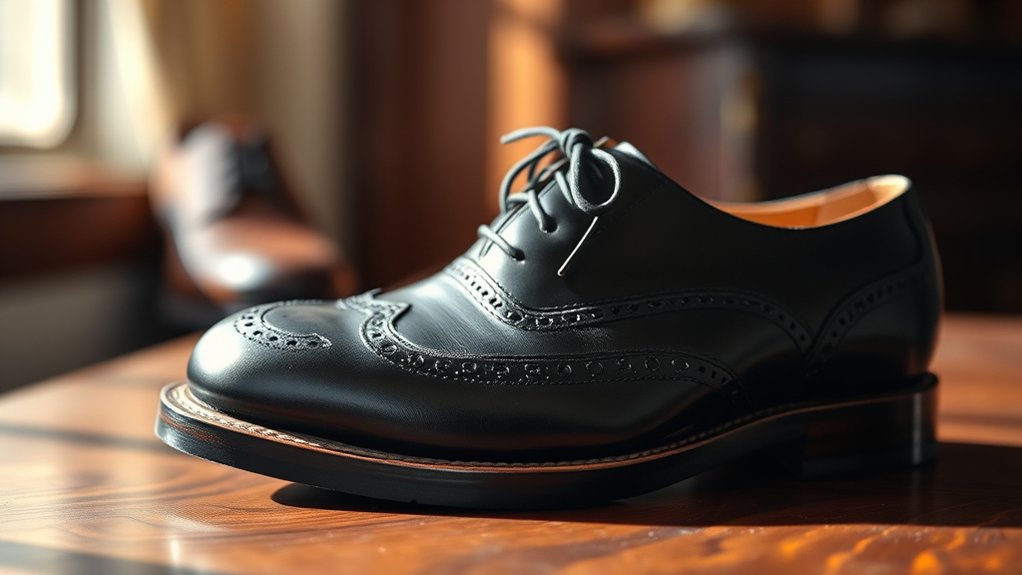
While many dress shoes share a polished appearance, Derby shoes stand out because of their distinctive open lacing system. This feature really sets them apart from other styles like Oxfords. It’s a small detail, but it makes a big difference.
Derby shoes distinguish themselves with a unique open lacing system, setting them apart from traditional styles like Oxfords.
This design adds to their fashion versatility, so you can easily wear Derbies with both formal suits and casual outfits. Unlike the closed lacing of Oxfords, Derby shoes offer a slightly more relaxed look. That relaxed vibe broadens their appeal across different social settings.
Derby shoes also have a rich cultural background. They originated in 19th-century England and symbolized practicality and adaptability. Those traits still resonate today with people who want both style and comfort.
When you choose Derby shoes, you’re tapping into that heritage. Plus, you get a versatile option that works smoothly with many dress codes and occasions. It’s like getting the best of both worlds.
The Open Lacing System and Its Impact on Fit and Comfort
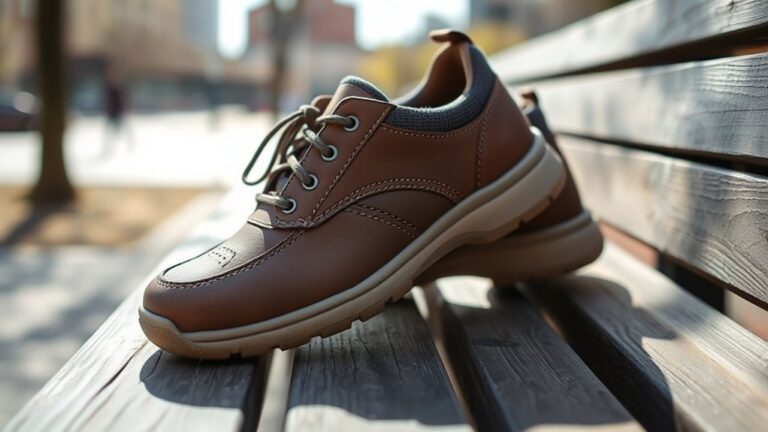
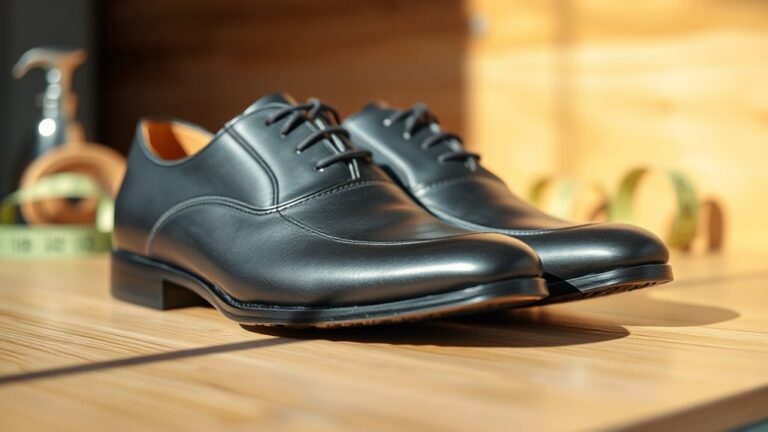
Two key aspects of Derby shoes, the open lacing system and the resulting fit, directly influence their comfort and adaptability. Unlike closed-lacing shoes, Derby shoes feature eyelet tabs sewn on top of the vamp, which lets you easily loosen or tighten the laces.
This design provides superior fit adjustment and can accommodate various foot shapes and widths with minimal pressure points.
When you lace up Derby shoes, you get enhanced lace-up comfort, especially if your feet swell during the day or if you have high insteps. The open lacing not only makes putting the shoes on easier but also guarantees you can customize the snugness throughout wear.
This flexibility is why Derby shoes often outperform other dress shoes in comfort.
Distinctive Style Features of Derby Shoes
Because Derby shoes combine functionality with distinctive aesthetics, their style features set them apart from other dress shoes. You’ll notice the open lacing system.
But equally important are the varied color options that enhance their versatility, from classic blacks and browns to rich burgundies and navy blues. These choices let you match Derbys with a wide range of outfits while keeping things sophisticated.
Also, sole designs play an essential role in defining the shoe’s character. You can find Derbys with leather soles for a sleek, formal look or rubber soles that offer durability and better grip, which is perfect for everyday wear.
Understanding these style elements helps you appreciate how Derby shoes balance elegance with practicality. That’s why they make such a unique and adaptable choice in men’s footwear.
When and How to Wear Derby Shoes for Every Occasion
Although Derby shoes are known for their versatility, knowing when and how to wear them can really elevate your style. Their open-lacing design works great for both formal and casual settings, offering exceptional fashion flexibility.
For the office, pair classic black or dark brown Derbys with tailored trousers and a blazer. When you’re out and about casually, go for lighter shades or suede versions with chinos or jeans.
Seasonal styling is important too. Polished leather Derbys are perfect for cooler months, while breathable suede fits warmer weather better. You can wear them year-round by just adjusting your outfit’s materials and colors to match the season.
At the end of the day, understanding the context—whether it’s a formal meeting, weekend brunch, or evening event—helps your Derby shoes complement your look perfectly. This way, you get the most out of their adaptability across occasions.
Materials and Construction of Derby Shoes
You’ll often find Derby shoes made from leather, suede, or synthetic materials. Each of these options brings its own vibe when it comes to durability and style.
The way they’re built usually includes open lacing and either a sturdy welt or a cemented sole. This affects not just how comfortable they’re but also how long they’ll last.
Knowing a bit about these materials and construction methods makes it easier to pick out a pair that matches both what you like to look at and what you need them to do.
Common Materials Used
When selecting a Derby shoe, understanding the materials used can really impact both its durability and comfort. Luxury craftsmanship often involves premium full-grain leather. This type of leather is prized for its strength and breathability.
Sustainable sourcing is becoming a big priority these days. Some brands are opting for eco-friendly leathers or recycled materials without compromising on quality. You’ll also find suede variants, which offer a softer texture but need more care.
Synthetic materials, while less traditional, provide affordable and weather-resistant options. They’re great if you’re looking for something entry-level or more suited for outdoor wear.
| Material | Characteristics | Typical Use |
|---|---|---|
| Full-grain leather | Durable, breathable | Classic, formal Derbys |
| Suede | Soft texture, delicate care | Casual or smart-casual styles |
| Synthetic | Affordable, weatherproof | Entry-level or outdoor shoes |
| Eco-friendly leather | Sustainable, high-quality | Luxury, environmentally aware |
Construction Techniques Explained
How do Derby shoes achieve their balance of durability and style? The answer lies in their thoughtful construction techniques.
The open lace fastening design not only offers adjustable comfort but also adds to the shoe’s structural integrity. This allows for a better fit without messing up the form.
Typically, Derby shoes use Goodyear welt or Blake stitch methods. Each one helps make the shoe durable but in different ways.
Goodyear welt stitching attaches the upper, insole, and outsole with a leather strip. This makes resoling easier and extends the shoe’s lifespan.
Blake stitching, on the other hand, connects the outsole directly to the insole. It gives the shoe a sleeker profile but is a bit less tough than welted shoes.
Caring for Your Derby Shoes to Extend Their Life
Although Derby shoes are known for their durability and classic design, their longevity depends heavily on proper care. To keep your shoes looking sharp and performing well, regular shoe polishing is essential. It not only enhances the leather’s appearance but also nourishes and protects it from cracks.
Regular polishing preserves Derby shoes’ classic look while nourishing leather and preventing cracks.
Equally important is sole maintenance, as worn soles can compromise comfort and structural integrity. By addressing these aspects thoughtfully, you preserve both aesthetics and function.
To extend your Derby shoes’ life, remember to:
- Clean dirt off gently after each wear
- Apply quality shoe polish regularly
- Rotate your shoes to allow drying and rest
- Inspect and repair soles promptly to avoid damage
Proper care guarantees your Derby shoes stay a reliable, stylish companion for years.
The History and Evolution of Derby Shoes
Taking care of your Derby shoes not only preserves their appearance but also connects you to a rich history that shapes their design and cultural significance.
Originating in the 19th century, Derby shoes were initially crafted for British soldiers, offering practicality through their open lacing system. This design clearly shows a historical influence emphasizing comfort and ease.
Over time, the design shifted from functional military wear to a staple in men’s fashion. It reflects evolving social norms and dress codes.
You’ll notice how Derby shoes embody versatility, bridging casual and formal contexts.
This versatility really highlights their cultural significance across different eras. Understanding this evolution helps you appreciate why Derby shoes remain relevant today.
They blend tradition with modern style demands, making them a timeless addition to your wardrobe.
Frequently Asked Questions
Can Derby Shoes Be Customized or Personalized?
Yes, you can customize derby shoes by choosing the shoe material, like leather or suede.
Customization options often include color, sole type, and even personalized embossing. This way, you can easily tailor both the look and comfort to suit your style and needs.
It’s a great way to get a pair that feels truly yours.
Are Derby Shoes Suitable for Outdoor Activities?
Derby shoes aren’t ideal for intense outdoor activities because their outdoor durability and weather resistance are limited. You’ll find better options with specialized soles and waterproof materials designed specifically for rugged, unpredictable conditions.
If you’re planning to spend a lot of time outside, especially in rough terrain or bad weather, it’s smart to go for shoes made just for that. Derby shoes look great and work well for casual or office settings, but when it comes to serious outdoor use, they just don’t hold up as well.
How Do Derby Shoes Compare in Price to Other Dress Shoes?
Picture a scale balancing price comparison: derby shoes usually cost less than Oxfords, thanks to simpler construction. But material variations, like premium leather, can raise derby prices, making them sometimes equal or pricier than other dress shoes.
It really depends on what you’re looking for. If you want something basic, derbies are often the more affordable choice. But go for fancier materials or craftsmanship, and the price difference can shrink or even flip.
What Are the Best Brands That Make Derby Shoes?
You’ll find brands like Allen Edmonds and Church’s excel in derby shoes, blending historical evolution with iconic designs. Their craftsmanship reflects the shoe’s rich past while offering modern style and durability you’ll appreciate.
These brands really know how to balance tradition with contemporary needs. So, if you’re looking for derby shoes that last and look great, they’re definitely worth checking out.
Can Derby Shoes Be Worn With Casual Outfits?
You can’t judge a book by its cover. Derby shoes excel in casual pairing thanks to their style versatility. Their open lacing and sleek design let you dress up or down effortlessly.
They fit many casual looks perfectly. So, whether you’re heading out for a coffee or a casual meeting, Derby shoes have got you covered. It’s all about how you style them!
Conclusion
You might think Derby shoes are just another pair of dress shoes, but they’re practically a revolution for your wardrobe. Their open lacing system doesn’t just offer comfort, it redefines it, adapting flawlessly to your foot’s every move.
With their timeless style and versatile nature, Derby shoes aren’t just shoes; they’re an essential style weapon. Mastering their care and understanding their history means you’re not just wearing shoes, you’re wearing a legacy of elegance and practicality.