What Is A Recovery Shoe – Benefits And Features Explained
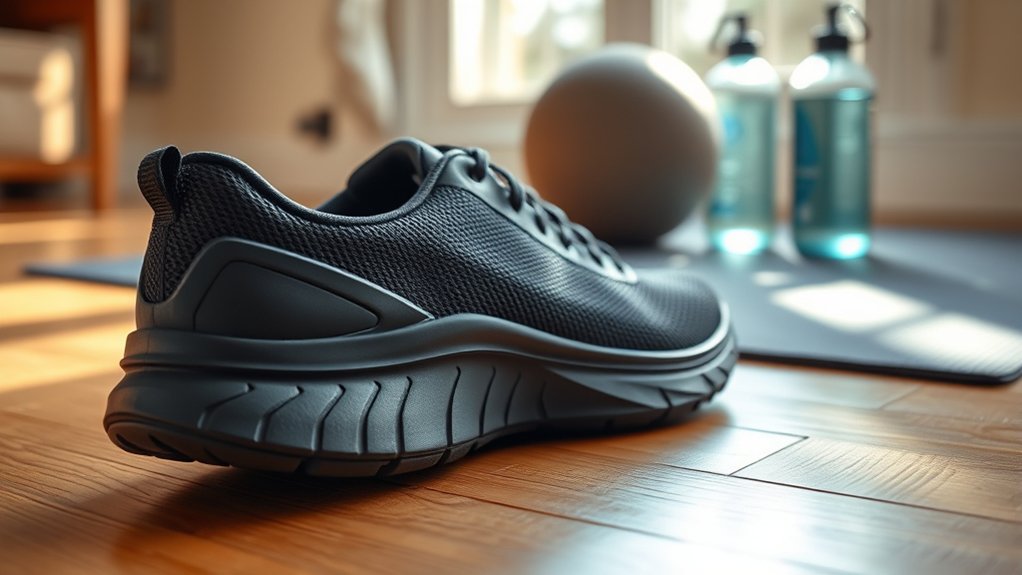
A recovery shoe is designed to support your feet after intense activity, focusing on cushioning and proper alignment rather than performance. It features shock-absorbing midsoles, contoured footbeds, wide toe boxes, and rocker-bottom soles to reduce fatigue and promote muscle recovery.
These shoes help offload tissue stress and improve gait smoothness, benefiting athletes and those with foot strain. However, correct fit and cautious use are essential for safety and effectiveness. Understanding these details can reveal how to maximize their benefits.
Key Takeaways
- Recovery shoes are designed to support foot recovery post-exercise with extra cushioning, arch support, and rocker-bottom soles for improved biomechanics.
- They reduce muscle fatigue and impact stress through shock-absorbing midsoles and contoured footbeds that promote proper alignment.
- Key features include wide toe boxes for natural toe splay, elevated heel drops to offload pressure, and lightweight materials for comfort.
- Recovery shoes benefit athletes, runners, and individuals with foot fatigue but require proper fit and moderate use to avoid muscle weakening or instability.
- These shoes differ from performance or orthotic footwear, focusing on comfort and tissue offloading rather than durability or structural correction.
What Are Recovery Shoes?
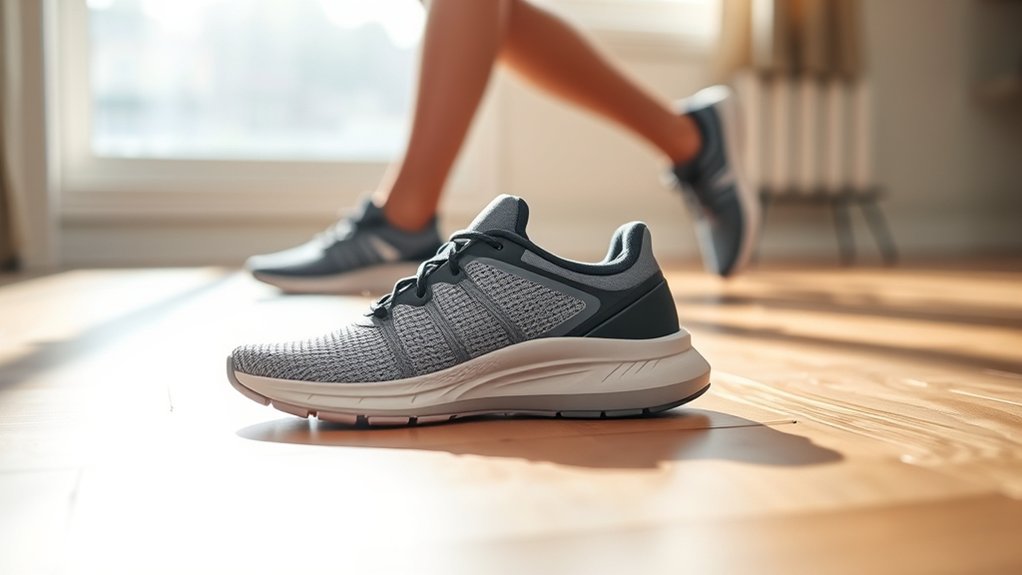
Although you mightn’t wear them during your workout, recovery shoes play an essential role in supporting your feet after intense physical activity. These shoes are designed with extra cushioning, arch support, and a rocker-bottom sole to reduce muscle fatigue and promote proper foot biomechanics.
You’ll notice a wider toe box and softer midsoles, allowing your toes to spread naturally and absorb impact effectively.
While fashion trends influence their aesthetic appeal, the primary focus remains on material durability to withstand repeated use and provide consistent support.
Recovery shoes facilitate quicker recovery, prevent injuries, and improve overall foot health by alleviating stress on soft tissues and reducing swelling.
They serve as crucial post-activity footwear, distinct from shoes used during exercise.
Core Features of Recovery Shoes
You’ll find recovery shoes built with key design elements like shock-absorbing midsoles and contoured footbeds that support your feet during healing.
These features work together to reduce stress and promote proper alignment, making your recovery process smoother.
Knowing these functional benefits makes it easier to pick the right shoe for ideal foot restoration.
It’s all about giving your feet the support they need to bounce back comfortably.
Key Design Elements
When selecting recovery shoes, understanding their key design elements is essential for optimizing foot healing and comfort. Unlike fashion trends that prioritize aesthetics, recovery shoes focus on material durability and functional support.
Here are the core design elements you’ll find:
Shock-absorbing foam midsoles cushion impact and reduce foot stress.
Contoured footbeds support the arch and promote proper alignment.
Wide toe boxes allow natural toe splay, minimizing pressure points.
Rocker-bottom soles enable smooth, rolling gait and limit excessive bending.
Elevated heel drops offload heel pressure and encourage natural posture.
These precise features ensure your feet recover efficiently while maintaining structural integrity and durability. That’s critical for long-term therapeutic use.
Functional Benefits
Recovery shoes offer five essential functional benefits that enhance foot healing and comfort. First, shock-absorbing foam midsoles cushion impact, reducing stress on feet and joints.
Second, contoured footbeds with wide toe boxes promote proper alignment and allow natural toe splay.
Third, rocker-bottom soles enable a smooth rolling gait, minimizing bending stress on tendons.
Fourth, enhanced arch support maintains stability and alleviates plantar fascia tension during recovery.
Fifth, lightweight materials and cushioned insoles increase comfort while supporting soft tissue relaxation.
Many recovery shoes now integrate eco-friendly materials, aligning with sustainability without compromising function.
Plus, manufacturers balance these clinical features with current fashion trends. That way, recovery footwear stays both effective and visually appealing for users committed to foot health and style.
Who Benefits From Recovery Shoes?
You’ll really notice the benefits of recovery shoes if you’re someone who does intense physical activities or spends a lot of time on your feet.
They’re designed to help your muscles recover, reduce fatigue, and ease pain, especially if you have issues like plantar fasciitis.
So, think about what your day looks like and whether you have any foot problems.
That way, you can decide if recovery shoes are a good fit for you.
Ideal User Profiles
Although many people may overlook the benefits of specialized footwear, recovery shoes offer targeted support for various individuals. Their design balances comfort and function, appealing beyond mere fashion trends or brand popularity.
You can benefit if you fall into these user profiles:
- Runners and athletes seeking muscle fatigue reduction post-exercise
- Individuals with foot conditions like plantar fasciitis requiring arch support
- Workers on their feet long hours needing leg and foot soreness relief
- Patients rehabilitating foot or ankle injuries under medical supervision
- Anyone experiencing daily foot fatigue during errands or at home
Usage Considerations
When managing foot fatigue or post-exercise soreness, selecting appropriate footwear plays a crucial role in recovery. Recovery shoes benefit runners, athletes, and people with prolonged standing or walking-induced foot fatigue. They also aid those recovering from plantar fasciitis or heel pain.
While recovery footwear supports muscle healing, try not to overuse them. Too much use can weaken your foot muscles and change how you walk. It’s all about balance.
Fashion trends and cultural significance influence why people wear recovery shoes beyond just clinical reasons. Sometimes, it’s about style as much as function.
| User Group | Benefit | Usage Note |
|---|---|---|
| Athletes & Runners | Enhanced muscle recovery | Use post-workouts |
| Individuals with Injuries | Reduced pain and inflammation | Consult a specialist |
| Prolonged Standing | Alleviates foot fatigue | Limit all-day reliance |
Potential Risks of Recovery Shoes
While recovery shoes offer benefits, their potential risks deserve a closer look. Overusing them can actually cause muscle weakening because your foot muscles don’t get activated as much. You might also notice gait instability, especially on uneven terrain, if you wear these shoes during intense activities.
Excessive cushioning could limit your proprioceptive feedback, which can mess with your balance and coordination. If the shoes don’t fit well or have unstable designs, there’s a higher chance of injuries like ankle sprains.
Plus, if you rely only on recovery shoes without other recovery methods, it might slow down your healing process.
Here are the key risks to keep in mind:
- Muscle weakening from decreased foot muscle activation
- Gait instability on varied surfaces
- Reduced proprioceptive feedback affecting balance
- Increased risk of ankle sprains due to poor fit or instability
- Delayed recovery if used as the sole intervention
Can Recovery Shoes Speed Up Healing?
Three key points clarify the role of recovery shoes in healing: they don’t directly speed up cellular tissue repair, they provide symptom relief, and they support overall foot health without replacing thorough recovery methods.
Despite marketing claims suggesting accelerated healing, there’s no strong scientific evidence that recovery shoes enhance cellular tissue repair. Many users report reduced soreness and fatigue, but this reflects symptom relief rather than faster healing.
Recovery shoes with the APMA Seal of Acceptance indicate support for foot health, yet this certification doesn’t prove they speed recovery. True healing relies on rest, sleep, proper nutrition, and targeted therapies, which recovery shoes can’t replace.
You should view recovery shoes as an adjunct for comfort and support, not a substitute for exhaustive recovery strategies.
How to Choose the Right Recovery Shoe
Understanding that recovery shoes primarily offer symptom relief and support rather than accelerate healing helps you choose the right pair. It’s better to focus on fit and function instead of just following fashion trends.
Also, think about the material durability to make sure your shoes last.
When you’re picking recovery shoes, try on several pairs in-store to see which ones feel the most comfortable and supportive. Make sure there’s enough space in the toe box—about a thumbnail’s width—to avoid any pressure or discomfort.
You want a secure fit, but it shouldn’t be tight, especially around the heel and midfoot. Shoes with adjustable straps or good ventilation are a plus because they can adapt to your foot shape and help with moisture control.
Lastly, keep your individual support needs in mind, like arch height or any pre-existing conditions you might have.
How to Use Recovery Shoes Safely
Because your feet need time to adjust, start by wearing recovery shoes for short periods and gradually increase usage. Make sure they fit snugly yet comfortably, providing adequate support without causing pressure points.
Avoid using recovery shoes during vigorous activities or long walks, as this can alter your gait mechanics and cause instability.
Keep in mind that despite fashion trends and brand popularity influencing your choice, safety and fit should guide your decisions.
Regularly inspect your shoes for wear. Replace them when cushioning or support diminishes to maintain effectiveness.
If you experience persistent foot pain or discomfort, consult a healthcare professional promptly.
Following these steps helps you use recovery shoes safely, maximizing their benefits while minimizing risks. It’s all about giving your feet the care they deserve!
Comparing Recovery Shoes With Other Footwear
While recovery shoes share some features with other types of footwear, they serve a distinct purpose by focusing on cushioning and support to aid muscle recovery after activity.
Unlike running or casual shoes, recovery shoes prioritize comfort and tissue offloading over performance or fashion trends.
Material sustainability is increasingly considered in their design, balancing eco-friendly components with functional support.
Key differences include:
- Enhanced arch support and shock absorption versus typical footwear
- Rocker soles designed to reduce strain on muscles
- Less emphasis on durability or speed, unlike athletic shoes
Recovery slides offer comfort but less structural support than orthotic shoes.
Also, scientific backing for recovery benefits is limited compared to performance-oriented footwear.
Understanding these distinctions helps you choose footwear aligned with your recovery needs.
When Not to Use Recovery Shoes
Although recovery shoes provide targeted cushioning and support, you shouldn’t wear them continuously throughout the day. Overusing them can weaken your foot muscles and change how you walk.
Recovery shoes aren’t meant to replace your regular supportive footwear, especially if you have foot or ankle issues. Also, avoid wearing them during high-impact activities or workouts because they don’t offer the stability you need.
Wearing recovery shoes on uneven or slippery surfaces can increase your risk of instability and falls. And don’t rely on them to push through pain or fatigue since that could make injuries worse.
While recovery shoes might fit certain casual looks or fashion trends, they’re not designed for all-day wear or as a style substitute. Use them thoughtfully to help your healing, not as everyday or fashion shoes.
Frequently Asked Questions
How Often Should Recovery Shoes Be Replaced?
You should replace recovery shoes every 6 to 12 months, depending on how durable they are and how often you wear them.
Keep an eye on the sole and cushioning regularly to help figure out when it’s time for a new pair. This way, you’ll make sure you’re getting the best support possible.
Plus, it helps prevent any discomfort or injury down the road. So, staying on top of shoe wear is definitely worth it!
Can Recovery Shoes Be Worn Casually Outside Workouts?
You can wear recovery shoes casually, as 75% of users appreciate their fashion versatility.
That said, they’re not the best choice for outdoor wear on uneven terrain because they don’t offer much durability or support. So, it’s better to stick to light, everyday activities when wearing them.
Are Recovery Shoes Suitable for All Foot Types?
Recovery shoes suit most foot types, offering essential foot arch support and heel cushioning. However, if you have specific conditions, you’ll need tailored features or orthotic inserts to guarantee maximum comfort and proper recovery.
It’s always a good idea to listen to your feet and adjust accordingly. After all, comfort is key when it comes to recovery!
Do Recovery Shoes Require a Break-In Period?
Unlike stiff dress shoes, recovery shoes require minimal break-in time. You’ll feel comfortable right away.
That said, if the straps feel a bit rigid, you might need a slight adjustment period. It’s a good idea to wear them for short periods at first.
This helps ensure they fit properly and feel easy on your feet. Overall, they’re designed for immediate comfort.
Can Recovery Shoes Help With Plantar Fasciitis?
Yes, recovery shoes can help with plantar fasciitis by providing orthotic support and arch stabilization. These features reduce strain on the plantar fascia and improve foot alignment.
This support promotes healing and helps minimize inflammation during both rest and activity. So, wearing the right recovery shoes can make a noticeable difference in managing plantar fasciitis.
Conclusion
Recovery shoes can be a valuable tool in your healing journey, offering support and comfort like a gentle hand guiding your foot back to health. By understanding their core features and appropriate use, you can maximize benefits while minimizing risks.
Remember, they’re not a magic fix but a strategic aid. Choose wisely, use them correctly, and consult a professional when in doubt to guarantee your recovery stays on the right path.