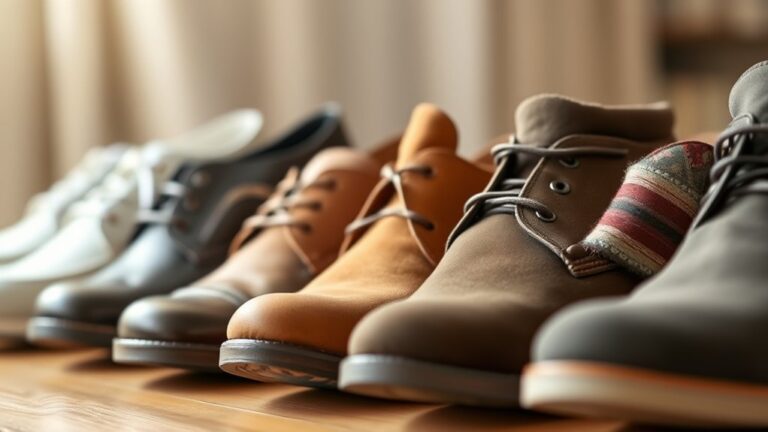
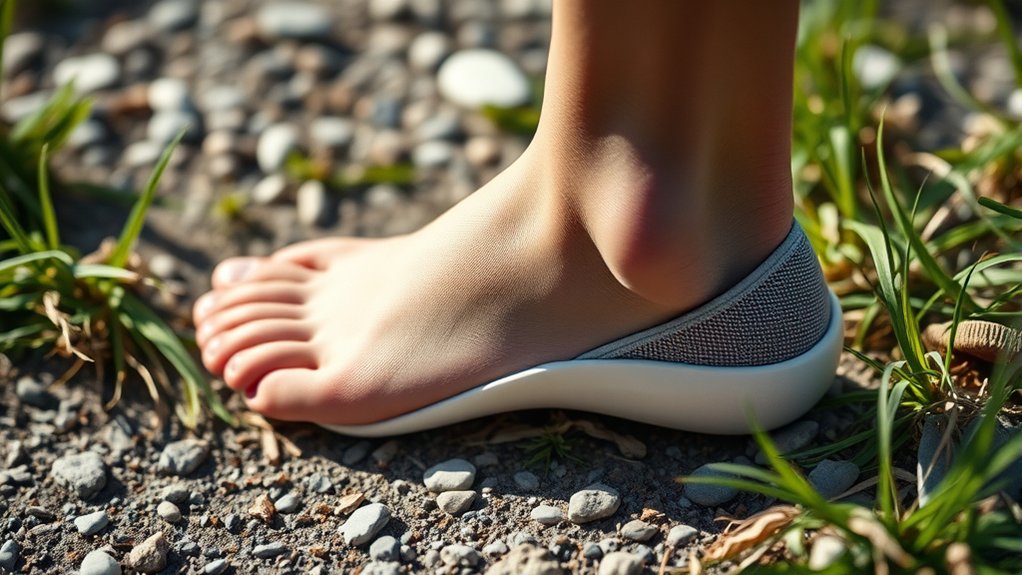
What Is A Barefoot Shoe – Benefits And Design Explained
A barefoot shoe lets you move naturally by mimicking barefoot conditions with a wide toe box, zero-drop sole, and thin, flexible materials that enhance balance and foot strength. They encourage proper gait and improve proprioception while reducing injury risk when used correctly.
However, they’re not for everyone and require a gradual shift to avoid discomfort. If you want to understand who benefits most and how to choose the right pair, this overview will guide you further.
Key Takeaways
- Barefoot shoes feature a wide toe box, zero-drop sole, and thin flexible sole to mimic natural foot movement and improve balance.
- They strengthen foot muscles, enhance proprioception, and promote natural gait patterns for better foot health.
- Suitable for individuals with healthy, flexible feet, but not recommended for those with foot deformities or balance issues.
- Transitioning gradually on soft surfaces and doing foot-strengthening exercises ensures safe adaptation to barefoot shoes.
- Quality barefoot shoes come from reputable brands offering wide toe boxes, flexible soles, zero-drop heels, and sustainable materials.
What Are Barefoot Shoes and How They Help Your Feet
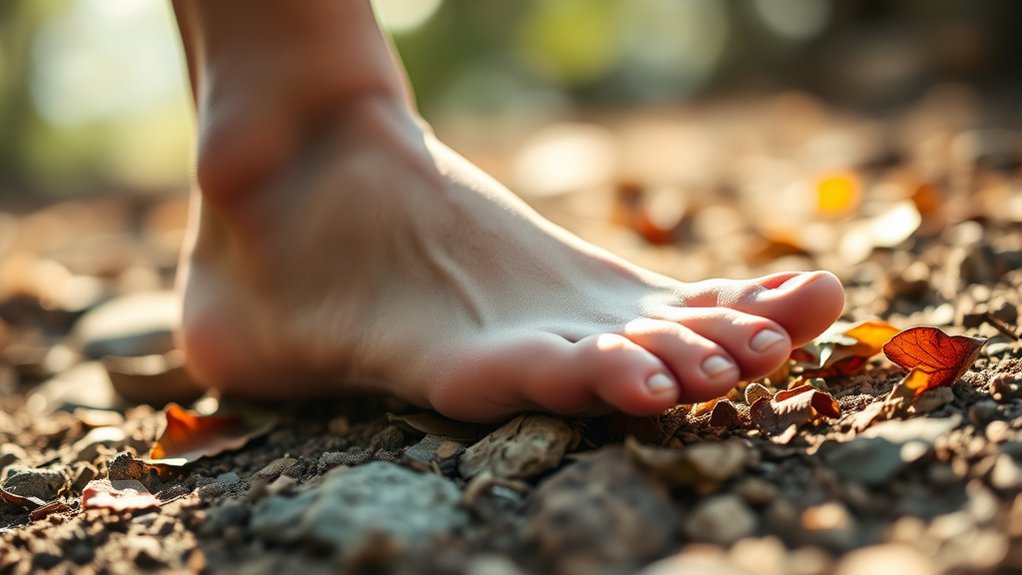
Although barefoot shoes might look simple, they’re engineered to closely mimic natural barefoot movement by featuring a wide toe box, minimal cushioning, and a thin, flexible sole. This design allows your toes to spread naturally and your feet to move without artificial arch support, promoting proper biomechanics.
Barefoot shoes mimic natural foot movement with wide toe boxes, minimal cushioning, and flexible soles for proper biomechanics.
By encouraging a forefoot or midfoot strike, barefoot shoes reduce impact forces compared to traditional footwear. Despite shifting fashion trends favoring minimalist designs, cultural perceptions often challenge barefoot shoes as unconventional.
However, their function supports natural gait, balance, and proprioception, aligning with how humans walk or run barefoot. Understanding this helps you appreciate barefoot shoes beyond aesthetics.
They’re purposeful tools designed to enhance foot strength and posture through natural movement replication.
Who Barefoot Shoes Are For : And Who Should Avoid Them
Understanding how barefoot shoes promote natural foot mechanics raises the question of who can benefit most from them and who should exercise caution.
You’ll find barefoot shoes suitable if you have a healthy, flexible foot structure and want to enhance natural movement. They also help strengthen foot muscles.
However, if you have high arches, a rigid foot structure, or conditions like plantar fasciitis or bunions, barefoot shoes mightn’t be the best fit. They could even make your symptoms worse.
You should also avoid barefoot shoes if you experience poor balance, ankle instability, or neurological issues that affect coordination.
It’s important to shift gradually to minimize the risk of injury.
For kids and older adults, getting professional guidance is really important. Sudden changes in footwear can affect foot development and stability.
Key Design Features of Barefoot Shoes That Promote Natural Movement
You’ll notice barefoot shoes have a wide toe box that lets your toes spread out naturally, so they don’t get cramped.
They also use a zero-drop sole, which means your heel and forefoot stay level, encouraging a flat foot position.
Plus, the soles are thin and flexible, helping you feel the ground beneath your feet and move more naturally.
Wide Toe Box
How does a wide toe box in barefoot shoes enhance natural foot movement? It allows your toes to spread naturally, which promotes better balance and foot function. Unlike traditional shoes, the wide toe box reduces constriction, lowering the risk of bunions and hammertoes.
It supports proper alignment by accommodating your foot’s natural shape, which makes activities more comfortable. When combined with minimal arch support and thin cushioning materials, this design encourages natural biomechanics and foot health.
| Feature | Benefit | Impact on Foot Health |
|---|---|---|
| Wide Toe Box | Allows toe splay | Improves balance |
| Extra Space | Reduces pressure points | Prevents bunions, hammertoes |
| Proper Alignment | Supports natural shape | Enhances comfort |
| Minimal Arch Support | Maintains natural arch | Promotes foot strength |
| Thin Cushioning | Provides ground feel | Encourages natural movement |
Zero-Drop Sole
When barefoot shoes feature a zero-drop sole, they eliminate the height difference between heel and toe, positioning your foot flat and natural. This design aligns your foot, ankle, and leg, mimicking barefoot walking and encouraging a more natural gait.
By reducing heel striking, zero-drop soles promote midfoot or forefoot landing, which can decrease impact forces and strain on the calves and Achilles tendons.
Additionally, this sole design enhances proprioception and ground feel by minimizing elevation under the heel.
Manufacturers guarantee material durability to withstand regular use while offering a style variety that meets different preferences without compromising the zero-drop principle.
Choosing barefoot shoes with a zero-drop sole supports improved posture and biomechanical efficiency during movement.
Flexible Thin Construction
Why does the flexible thin construction matter in barefoot shoes? It’s essential because it allows your foot to move naturally and respond quickly. The thin, flexible sole mimics the human foot’s multi-directional bending, enhancing proprioception by transmitting sensory feedback directly from the ground.
This design supports a natural gait cycle, encouraging proper foot strike and movement patterns. Even though the sole is thin, it still maintains material durability, so you get long-term performance without giving up style. Plus, the lightweight, minimal construction reduces shoe mass, which helps promote agility and quicker foot response.
| Feature | Benefit |
|---|---|
| Thin Sole | Maximum ground feel |
| Flexible Material | Natural foot movement |
| Lightweight Design | Enhanced agility |
| Durable Material | Long-lasting use |
| Sleek Aesthetic | Modern appeal |
Benefits of Wearing Barefoot Shoes
Wearing barefoot shoes helps strengthen your intrinsic foot muscles because they encourage natural movement and reduce your reliance on artificial support. When your muscles are more engaged, you’ll notice improvements in your balance and coordination.
This happens thanks to enhanced proprioception, which is your body’s ability to sense its position and movement.
Over time, all these benefits add up to healthier foot function and better stability during different activities. So, by choosing barefoot shoes, you’re giving your feet a chance to work the way they’re meant to.
Enhanced Foot Muscle Strength
Although traditional footwear often restricts foot movement, barefoot shoes encourage natural biomechanics that strengthen your intrinsic foot muscles. By promoting natural load distribution and greater toe spreading, they stimulate small stabilizing muscles that conventional shoes often neglect.
Over time, this leads to increased muscle mass and endurance, especially in the arches, resulting in orthopedic benefits such as improved arch support. Gradually shifting to barefoot shoes enhances your foot’s ability to absorb impact and reduces injury risk.
You’ll notice:
- Stronger, more resilient arches
- Enhanced toe muscle engagement
- Improved endurance in foot muscles
- Reduced reliance on external arch support
- Lower risk of foot and ankle injuries
This precise muscle strengthening fosters healthier, more functional feet. It’s critical for long-term foot health.
Improved Balance And Coordination
Because barefoot shoes increase proprioceptive feedback from your feet, they considerably enhance your balance and spatial awareness. Footwear ergonomics play a critical role here. The minimalist design promotes natural foot movement, which improves coordination between your foot and lower limb muscles.
Enhanced sensory feedback activates intrinsic foot muscles more effectively, supporting stability. The wide toe box and flexible sole facilitate toe spreading and proper foot alignment, both essential for maintaining balance.
Regular use of barefoot shoes leads to increased muscle activation and refined coordination, reducing your risk of falls and ankle injuries. By optimizing sensory input and encouraging natural biomechanics, barefoot shoes provide a clinically supported improvement in balance and coordination.
Drawbacks and Risks of Barefoot Shoes
If you choose barefoot shoes without proper preparation, you risk increased stress on your bones, joints, and soft tissues because they don’t have much cushioning. This can raise your chances of getting injured, especially if you don’t take steps to prevent it, like gradually adapting to them and making sure they fit well.
The minimal protection might also lead to overuse injuries such as plantar fasciitis.
Plus, the wide forefoot design of barefoot shoes could cause instability if your feet are narrow, which might increase your chances of ankle sprains.
And since these shoes absorb less shock, you could be more prone to stress fractures and Achilles tendinitis, especially during high-impact activities.
Potential drawbacks and risks include:
- Increased stress causing joint and bone discomfort
- Higher susceptibility to plantar fasciitis
- Friction injuries and blisters from inadequate conditioning
- Instability with narrow feet leading to falls
- Elevated risk of stress fractures and tendonitis
How to Transition Safely to Barefoot Shoes
Understanding the potential risks of barefoot shoes highlights the importance of adapting your feet and body carefully. Begin by wearing barefoot shoes for short periods on soft surfaces, such as grass or carpet, to allow gradual adjustment. Increase wear time incrementally over weeks, monitoring for discomfort or fatigue.
Incorporate foot-strengthening exercises like toe spreads and towel curls to enhance muscle resilience. Start with brief walking or jogging sessions, extending duration as your feet strengthen.
Despite fashion trends promoting barefoot shoes, prioritize your body’s response over style.
Material durability is vital; choose shoes that maintain structural integrity during changeover. If sharp pain or persistent soreness occurs, revert to traditional footwear and consult a professional.
This measured approach minimizes injury risk and supports a safe, effective changeover to barefoot footwear.
Where to Buy Quality Barefoot Shoes
When searching for quality barefoot shoes, you should focus on reputable brands like Vivo Barefoot, Xero Shoes, and Barefoot Shoes Australia. These brands offer products through both online platforms and specialty retailers.
They also align with current fashion trends and benefit from celebrity endorsements, which adds to their credibility.
You can explore selections on Amazon and official websites too. This way, you’ll find options for wide or narrow feet without much hassle.
Look for:
- Wide toe boxes promoting natural foot splay
- Flexible soles for unrestricted movement
- Minimal cushioning to support foot mechanics
- Verified customer reviews for informed choices
- Availability in various sizes and widths
Tips for Choosing the Right Barefoot Shoes for You
Selecting the right barefoot shoes requires careful attention to specific design features that support natural foot function. First, make sure the shoes have a wide toe box so your toes can spread naturally and you avoid discomfort.
You’ll want a flexible, thin sole that offers sensory feedback while still protecting your feet.
Also, go for zero-drop heels to help maintain balanced posture and gait.
It’s important to consider your foot shape and size carefully. Look for brands that offer specific widths or adjustable fittings to get the best fit.
Start by wearing them for short periods to avoid muscle overload as your feet adjust.
Don’t forget to check the materials too—choosing sustainable options can align with eco-conscious values.
And of course, pick styles that you like so you feel good wearing them, without sacrificing function.
This way, you get all the biomechanical benefits along with responsible, stylish footwear choices.
Frequently Asked Questions
Can Barefoot Shoes Be Used for Formal Occasions?
You generally can’t use barefoot shoes for formal occasions due to limited dress compatibility. While some minimalist designs may suit formal attire, barefoot shoes usually clash with traditional dress codes.
How Do Barefoot Shoes Affect Foot Odor?
You’ll notice barefoot shoes support ideal foot hygiene and odor control by promoting ventilation and reducing moisture buildup. Their minimal design limits bacteria growth, helping you maintain fresher feet without relying on synthetic odor-absorbing materials.
It’s pretty cool how just letting your feet breathe more can make such a difference. Plus, less moisture means less chance for odor to sneak in. So, barefoot shoes aren’t just about comfort—they’re doing a lot for your feet’s health too.
Are Barefoot Shoes Suitable for Cold Weather?
Barefoot shoes aren’t ideal for cold weather due to insulation challenges and limited thermal performance. You’ll need additional layers or insoles to maintain warmth and prevent discomfort or injury when wearing them in low temperatures.
Can Barefoot Shoes Be Worn With Orthotics?
You can wear orthotics with barefoot shoes, but orthotic compatibility often requires some adjustments to the shoes.
Keep in mind, rigid orthotics might reduce the natural benefits your feet get from barefoot shoes.
It’s a good idea to check with a professional to make sure your orthotics still work well with the shoe’s flexible, minimalistic design.
Do Barefoot Shoes Require Special Cleaning Methods?
You don’t need special cleaning techniques for barefoot shoes. Use mild soap and water for regular cleaning. Maintenance tips include avoiding harsh chemicals and air drying.
Some models allow gentle machine washing per manufacturer guidelines. Just be sure to check what your specific shoes recommend before tossing them in the wash. It keeps them in good shape for longer!
Conclusion
Think of barefoot shoes as a well-tuned compass guiding your feet back to their natural path. They offer freedom and strength, but like any journey, you need preparation and care to avoid missteps.
If you’re ready to embrace natural movement, choosing the right pair and shifting gradually will help you walk confidently toward healthier feet. Approach barefoot shoes thoughtfully, and they’ll support your stride like a trusted guide on a meaningful quest.