What Is An Aggressive Climbing Shoe? – Features And Uses Explained
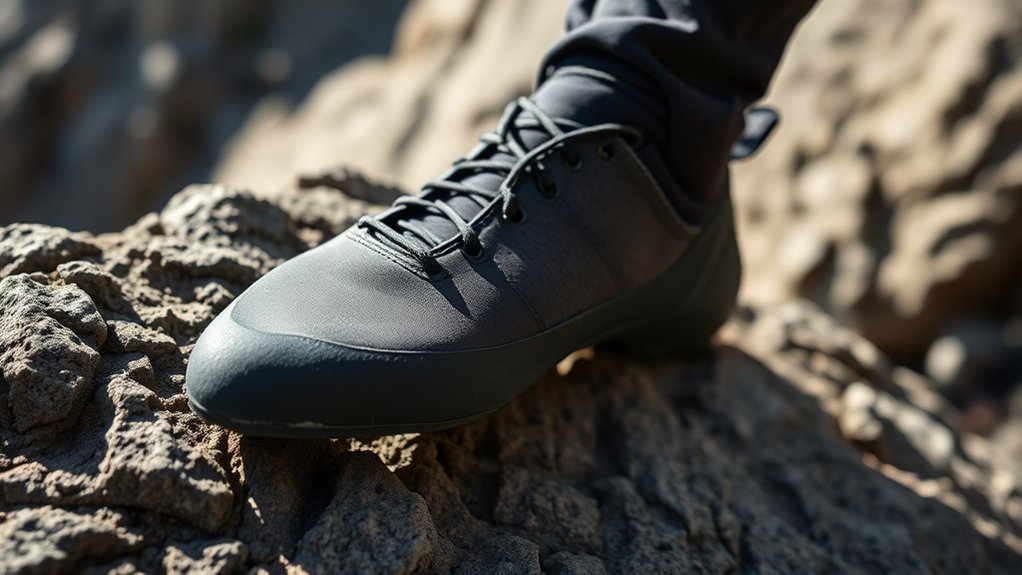
An aggressive climbing shoe features a pronounced downturned toe and a snug fit to maximize precision and power on steep, technical routes. You’ll benefit from enhanced toe control, leverage, and support for moves like heel and toe hooking.
These shoes prioritize performance over comfort and are ideal for advanced climbers targeting challenging overhangs and small holds. If you want to optimize your climbing technique and learn about care, fit, and potential risks, there’s more to explore.
Key Takeaways
- Aggressive climbing shoes have a downturned shape for precise toe power on small and steep holds.
- They fit snugly, usually smaller than street shoes, to maximize grip and sensitivity.
- Designed for advanced climbers tackling overhangs, technical routes, and requiring toe and heel hooking.
- Made with durable materials and high-friction rubber to enhance leverage, tension, and energy transfer.
- Prioritize performance over comfort, but tight fit can cause foot discomfort and requires careful break-in and care.
What Is an Aggressive Climbing Shoe?
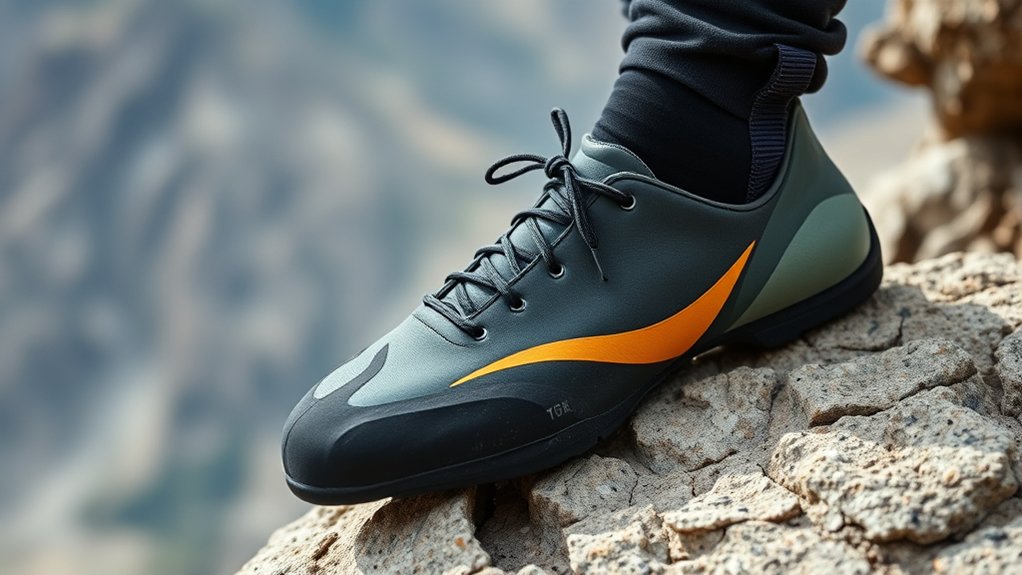
Although they may sacrifice comfort, aggressive climbing shoes give you unmatched precision and power on steep terrain. They’re designed with a pronounced downturned toe and arch, fitting snugly to maximize sensitivity and grip.
When you choose aggressive shoes, you’ll notice various color options across brands like La Sportiva, Scarpa, and Five Ten.
Each brand offers unique fits and stiffness levels. Brand comparisons reveal differences in toe shape and sole curvature, which affect performance on overhangs and small footholds. Their pointed toe and curved sole make advanced techniques like toe hooking easier.
Keep in mind, these shoes are mainly for advanced climbers targeting challenging routes. So, while they excel in precision, they’re less comfortable for long wear than flat climbing shoes.
When Should You Choose Aggressive Shoes Over Flat Climbing Shoes?
When deciding between aggressive and flat climbing shoes, consider the demands of your route and climbing style. Choose aggressive shoes for steep overhangs, tiny holds, or routes requiring precise toe pointing and heel hooking. They excel in performance on technical climbs, where grip and control trump comfort.
If you want to sharpen your skills on challenging terrain, aggressive shoes outperform flats.
| Emotion | Aggressive Shoes |
|---|---|
| Confidence | Maximum power and precision |
| Determination | Enhanced technical ability |
| Focus | Superior grip on small, demanding holds |
Fashion trends and brand comparisons highlight aggressive shoes’ innovative designs, emphasizing performance over casual comfort. When you prioritize technical skill and route difficulty, aggressive shoes are the clear choice.
Key Features of Aggressive Climbing Shoes: Shape, Fit, and Materials
You’ll notice that aggressive climbing shoes have a sharply downturned shape. This design directs power to your toes, which is super helpful on steep routes.
Plus, they fit really snugly to keep your foot secure and improve precision.
On top of that, these shoes use performance materials like stiff rubber and durable uppers. These features give you the support you need for those technical moves.
Knowing about these details can really help you pick the right shoe for tough climbs.
Downturned Shape Benefits
Because aggressive climbing shoes feature a downturned shape, they channel your power directly toward the toes, boosting precision on small holds and overhangs. This pronounced curvature enhances leverage and control, especially on steep terrain, allowing you to edge and toe-hook more effectively.
The design encourages a curled toe position that increases grip and sensitivity on tiny footholds, critical for challenging routes.
While the aggressive profile may sacrifice some comfort, it maximizes power transfer to improve performance. When choosing a pair, consider climbing shoe aesthetics and brand reputation, as leading brands combine innovative downturned shapes with durable materials for ideal results.
This ensures your shoes not only perform well but also meet high standards of design and reliability.
Snug Fit Importance
Although aggressive climbing shoes often feel tight, their snug fit is essential for maximizing sensitivity and power transfer on small holds and steep terrain. You’ll need to choose shoe sizing carefully, often a full size smaller than your regular street shoes, to guarantee minimal foot movement inside the shoe. This tight fit prevents slipping, allowing precise foot placement and better control during climbs.
However, it’s vital to balance snugness with comfort to avoid foot pain, cramping, or injury, since aggressive shoes are typically stiffer and more constrictive. The engineered shape and fit generate maximum tension and support, directly enhancing your performance on technical routes.
Performance Materials Used
Getting the right fit is just one part of what makes aggressive climbing shoes perform at a high level. The materials used play a vital role in enhancing your climbing experience. Uppers made from leather, microfiber, or synthetic blends offer an ideal balance of flexibility, breathability, and stretch resistance.
The rubber soles, often crafted from high-friction compounds like XS Grip or RX-3 ENDURANCE, provide exceptional grip and durability on steep, technical routes. Plus, midsoles with technologies such as RC-PRECISION or RC-TENSION deliver support and power transfer without compromising flexibility.
Reinforced features like double rands and toe patches boost edge stability and protect high-impact zones. This ensures your shoes can withstand intense wear. Choosing shoes with performance materials tailored to your needs directly impacts your climbing efficiency and how long your shoes last.
How Aggressive Shoes Improve Climbing Performance on Steep Terrain
When you tackle steep terrain, aggressive climbing shoes give you a critical edge by channeling your power directly onto small holds. Their pronounced downturn and pointed toe focus your force precisely where it’s needed, enhancing grip on overhangs.
The curved shape combined with strong foot arch support allows you to apply targeted pressure on tiny edges and pockets, improving leverage and control.
These shoes’ snug fit and tension ensure energy transfers efficiently to your toes, boosting stability during heel and toe hooks on challenging routes.
While aggressive shoes come in various shoe color options, their performance-driven design prioritizes function over aesthetics.
Common Drawbacks and Comfort Issues of Aggressive Shoes
You’ll notice that aggressive climbing shoes often go for a tight, pointed fit. This can end up causing discomfort and cramping if you wear them for a long time.
If you’re in them for extended sessions, your feet might get tired, sore, and sometimes even develop blisters—especially if the fit isn’t just right.
Fit and Discomfort
Although aggressive climbing shoes enhance performance, their fit often brings significant discomfort. You’ll experience intense foot compression due to their tight, downturned shape and pointed toes, which can cause pain, cramping, and numbness.
Choosing the right shoe sizing is essential. A poorly fitted aggressive shoe increases pressure points, leading to blisters, bruised toenails, and potential long-term foot injuries.
Because of their snug fit, these shoes demand a break-in period before they feel tolerable.
Keep in mind that extended wear can restrict blood flow, intensifying foot fatigue and discomfort.
While aggressive shoes boost climbing precision, you have to balance performance benefits against the inherent fit challenges and discomfort they present.
Prolonged Use Challenges
Because aggressive climbing shoes prioritize performance through their tight fit and pronounced downturn, wearing them for extended periods often leads to discomfort and fatigue. You’ll likely experience cramping, pressure points, and numbness due to their stiff, curved shape and minimal foot arch support.
These factors reduce blood circulation and increase the chance of blisters or foot pain if you climb continuously for over 30-40 minutes.
To mitigate discomfort, follow shoe sizing tips carefully. Opt for a snug but not painfully tight fit that respects your foot arch.
Remember, aggressive shoes excel in short, intense climbs rather than all-day wear.
Being aware of these prolonged use challenges lets you manage your climbing sessions effectively without compromising comfort or performance.
Impact on Foot Health
Extended wear of aggressive climbing shoes doesn’t just cause temporary discomfort. It can also negatively affect your foot health over time. The pointed toe and high tension design increase pressure on your toes, leading to cramping, numbness, and potential nerve compression.
This tight fit, while enhancing precision, raises the risk of bunions, deformities, and persistent foot pain. Additionally, prolonged use often results in heel or toe cramping. It also increases the likelihood of blisters, bruising, and other injuries.
To protect your foot health, prioritize proper fitting and limit continuous wear. Try to alternate shoe types and allow rest periods. These injury prevention strategies help reduce long-term damage and keep you comfortable during climbs.
Understanding these drawbacks is key to balancing performance and foot safety. Taking care of your feet means you can enjoy climbing longer and avoid serious problems down the road.
Advanced Climbing Moves Made Easier With Aggressive Shoes
When you tackle steep terrain, aggressive climbing shoes give you the leverage and control you need to execute advanced moves with precision. Their pronounced downturn and snug fit enhance your foot arch support and maintain *ideal* toe tension, which is key for power and balance.
This design lets you apply force efficiently, making complex maneuvers more manageable.
Three ways aggressive shoes improve advanced moves:
- Heel and toe hooks benefit from the enhanced foot arch and tight toe tension, allowing stronger grip and stability.
- The curved shape helps you stand securely on tiny holds and pockets, boosting precision.
- Increased tension enables precise pressure on small edges, making dynamic and technical moves easier.
These features combine to elevate your climbing performance on challenging routes.
Breaking In and Caring for Aggressive Climbing Shoes
Mastering advanced climbing moves with aggressive shoes depends not only on their design but also on how well they fit your feet. Expect a break-in period of 10-20 uses, during which the shoes mold comfortably to your foot shape.
Success with aggressive climbing shoes relies on fit as much as design, with a 10-20 use break-in period.
To keep them performing at their best, clean your shoes with a damp cloth and avoid direct sunlight because it can degrade the materials. Also, make sure to store your shoes in a cool, dry place with good airflow. This helps prevent odor and material breakdown.
Using shoe bags adds extra protection, and if you want to preserve any color customization, steer clear of extreme heat or freezing temperatures.
Don’t forget to regularly check the soles and replace worn-out rubber to keep your grip and safety on point.
Taking good care of your shoes like this will extend their lifespan and keep them reliable for all those aggressive climbing challenges ahead.
Frequently Asked Questions
Can Aggressive Climbing Shoes Be Used for Bouldering Competitions?
Yes, you can use aggressive climbing shoes for bouldering competitions, whether you’re indoors or tackling outdoor routes. They really help with precision and grip on those tiny holds.
That said, they might not be the most comfortable option if you’re climbing for long sessions. So, it’s a good idea to balance your choice based on how long you’ll be climbing and what feels best for you.
How Do Aggressive Shoes Compare in Durability to Other Climbing Shoes?
You’ll find aggressive shoes less durable than other types due to their softer rubber, intense heel tension, and reduced sole stiffness. These features boost performance but cause faster wear, especially under high-stress climbing conditions.
Basically, they’re designed to help you climb harder, not last longer. So if you’re planning on lots of tough climbs, be ready to replace them sooner than your more casual shoes.
Are Aggressive Shoes Suitable for Beginners Starting Climbing Indoors?
Aggressive shoes aren’t ideal for beginner comfort during indoor training. You’ll benefit more from neutral or mildly aggressive shoes that support foot health and skill development.
It’s better to start with these before shifting to aggressive styles for advanced challenges. This way, you can build a solid foundation without risking discomfort or injury.
What Are the Best Brands Known for Aggressive Climbing Shoes?
You’ll find La Sportiva, Scarpa, and Five Ten lead with brand innovation and precise shoe fit, boosting your performance on steep climbs. Their aggressive shoes combine cutting-edge materials and ergonomics, giving you unmatched control and power transfer.
These brands really focus on making sure their shoes fit like a second skin. That means better sensitivity and more confidence when you’re tackling tough routes. Plus, they keep pushing the limits with new designs and tech to help you climb harder.
Can Aggressive Climbing Shoes Be Resoled or Repaired Easily?
You can resole aggressive climbing shoes, but heel tension and sole stiffness affect how easy it is. Shoes with simpler construction tend to resole better.
That said, repairs usually need professional skills. This helps keep the shoe’s performance intact without messing up their specialized features. So, it’s not always a quick or easy fix!
Conclusion
When you choose aggressive climbing shoes, you’re gearing up for precision and power on steep, challenging routes. While they may ask a bit more from your comfort zone, their design rewards you with unmatched grip and control.
Embrace the snug fit and unique shape. They’re your secret weapon for advanced moves. With proper care and patience breaking them in, these shoes become indispensable tools that elevate your climbing experience to new heights.