What Makes A Good Running Shoe – Essential Features Guide
A good running shoe fits your foot securely, offering the right balance of cushioning, support, and flexibility tailored to your biomechanics and terrain. It uses advanced midsoles and responsive plates to absorb impact and boost propulsion while controlling pronation to reduce injury risk.
Outsole design guarantees traction and durability specific to where you run. Your shoe’s heel-to-toe drop and material innovation shape comfort and efficiency.
Discover how these features transform your running experience and performance. It’s all about finding the right shoe that works with your body and the surfaces you hit most.
Key Takeaways
- A good running shoe balances cushioning, support, flexibility, and breathability tailored to the runner’s biomechanics and running style.
- Secure fit with adequate toe room and heel hold prevents slippage, blisters, foot fatigue, and supports proper biomechanics.
- Terrain-specific features like outsole traction, water resistance, and durability optimize performance and safety on road, trail, or cross-training surfaces.
- Proper support and cushioning reduce injury risks by controlling pronation and absorbing impact forces during running.
- Advanced materials and technologies like responsive foam, plates, and midsole design enhance shock absorption, propulsion, and running efficiency.
What Makes a Running Shoe Really Good?
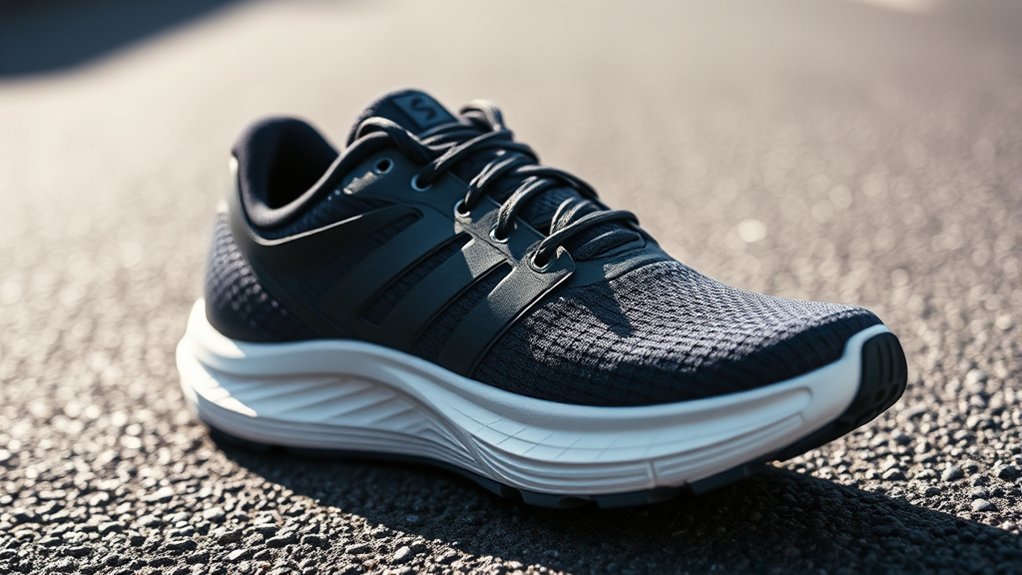
When you choose a running shoe, it’s essential that it delivers a precise balance of cushioning, support, flexibility, and breathability tailored to your unique biomechanics and running style. Understanding your running biomechanics helps you select a shoe that aligns with your gait and pronation. This way, you can optimize efficiency and reduce injury risk.
Choosing shoes that match your biomechanics enhances comfort, efficiency, and injury prevention during runs.
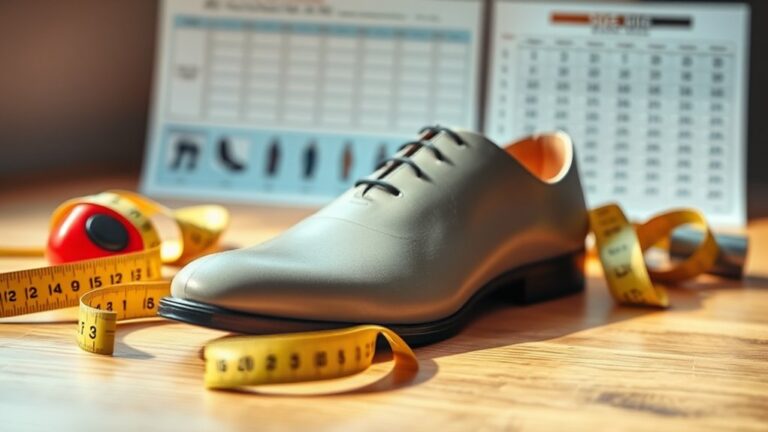
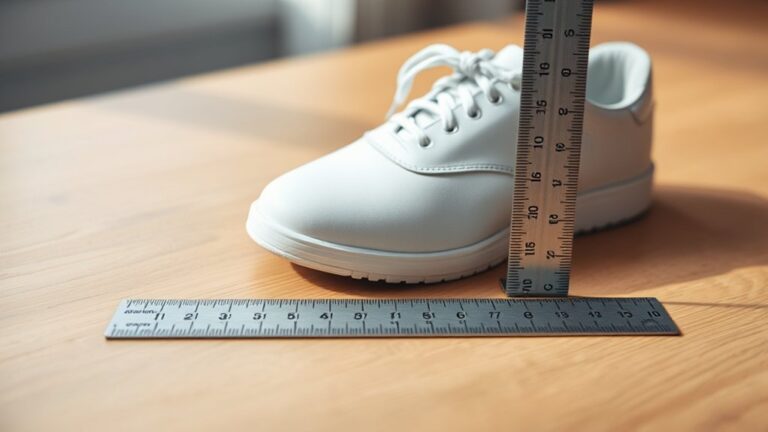
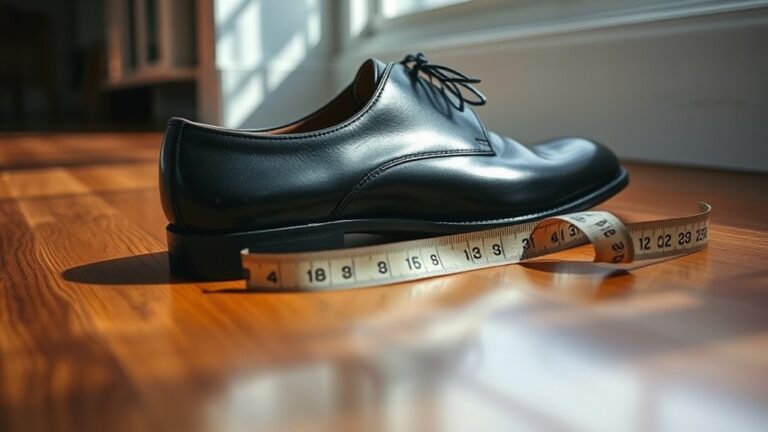
A really good shoe fits securely, offering adequate toe room and heel hold to prevent slippage and blisters. It should also minimize foot fatigue so you can run comfortably for longer.
Innovative materials like responsive foam and supportive plates enhance shock absorption and propulsion.
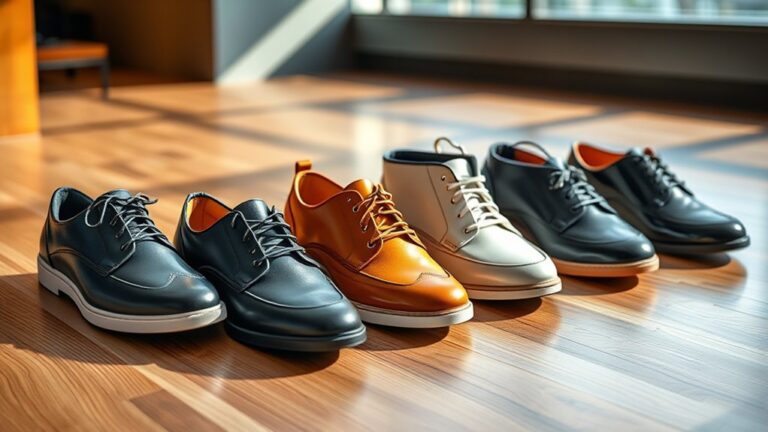
Shoe aesthetics play a vital role too. They should complement your personal style without compromising function.
Also, prioritize durable construction that withstands typical mileage. This ensures comfort and performance stay consistent throughout your runs.
How Terrain Shapes Your Running Shoe Choice
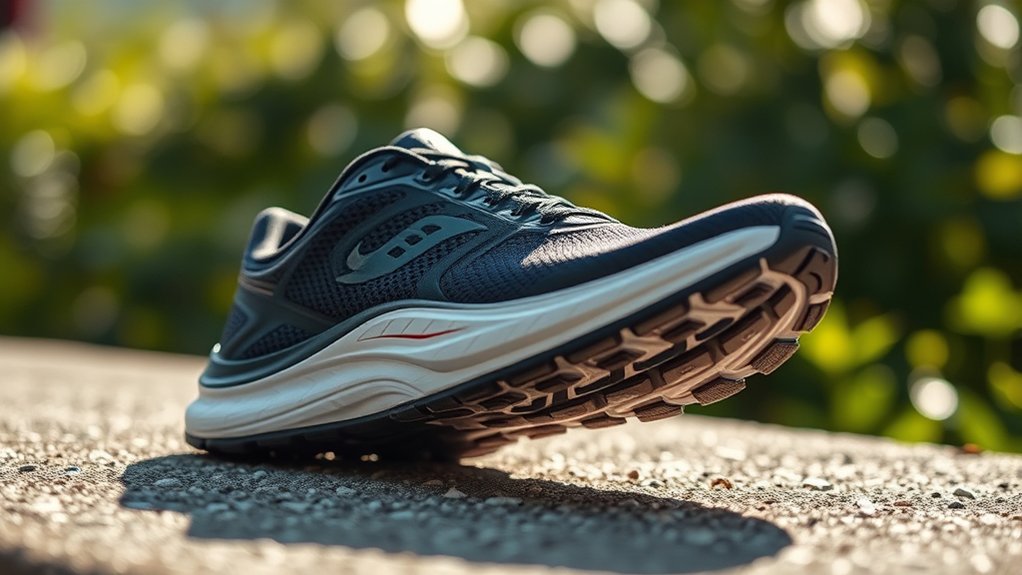
If you’re hitting the pavement, you’ll want road-running shoes that have smooth outsoles and responsive cushioning. These features help you take efficient strides on hard surfaces.
Now, when you’re out on the trails, it’s best to go for shoes with reinforced uppers, rock plates, and aggressive lugs. These protect your feet and give you the grip you need on uneven terrain.
And if your workouts take you all over the place, cross-training shoes are a solid choice since they offer versatile support and traction on different surfaces.
Road Running Essentials
How does the terrain you run on influence your choice of shoe? When hitting paved roads, your shoe needs to be optimized for smooth, hard surfaces. Road running essentials focus on lightweight construction, breathability, and efficient cushioning.
Here’s what to take into account:
- Uppers: Choose breathable materials to keep your feet cool during longer runs without sacrificing shoe aesthetics or following fleeting fashion trends.
- Outsole: Look for a smooth, low-tread design that minimizes resistance and maximizes energy return on asphalt.
- Midsole Cushioning: Select shock-absorbing foam tailored to reduce impact on hard surfaces, balancing comfort and responsiveness.
- Heel-to-Toe Drop: Opt for a moderate drop (4-8 mm) to promote a natural foot strike on flat terrain.
These features ensure your road running shoes deliver performance and style. They’re perfectly suited for urban pavement.
Trail Running Features
Because trail running subjects your feet to uneven, unpredictable terrain, your shoe must provide enhanced protection and traction. Trail running shoes use aggressive lugs on their outsoles for superior grip on loose gravel, mud, and technical trails.
Reinforced toe caps and durable uppers shield your feet from rocks and debris, while integrated rock plates protect against sharp objects beneath.
Water-resistant or waterproof membranes like GORE-TX® keep your feet dry in wet conditions. Plus, ergonomic design guarantees your foot moves naturally without compromising stability.
Many trail shoes now incorporate eco-friendly materials, reducing environmental impact without sacrificing durability or performance.
Choosing a trail shoe with these features means you’ll confidently tackle rugged terrain. You’ll benefit from innovative traction, protection, and sustainable design tailored to the demands of trail running.
It’s all about helping you stay comfortable and secure out there on the trails.
Cross-Training Shoe Benefits
Three key design elements set cross-training shoes apart: a flatter sole, enhanced lateral support, and a stable midsole. These features optimize your performance across diverse terrains and workouts.
When choosing your pair, consider versatility. Cross-trainers adapt seamlessly from gym floors to turf and pavement, matching your varied routines.
Stability is important too. Reduced cushioning in the heel and forefoot improves balance during lateral movements and weightlifting.
Durability matters as well. A robust outsole withstands multi-surface impacts, lowering injury risks.
And don’t forget style and trust. Fashion trends and brand reputation matter, so select shoes that blend innovative design with proven quality.
Why Proper Fit Prevents Injuries and Boosts Comfort
When you choose running shoes that fit properly, you considerably reduce the chances of injury while enhancing your overall comfort. Proper fit secures your foot without excess pressure, preventing blisters and calluses. It also stops foot slippage, lowering ankle sprain risk and instability.
By maintaining correct biomechanics, it reduces strain on muscles and joints, supporting injury prevention. Tight shoes restrict blood flow, causing numbness and discomfort, while well-fitted shoes enable comfort enhancement during runs. Minimizing foot movement inside the shoe further reduces overuse injuries like plantar fasciitis and stress fractures.
| Benefit | Explanation |
|---|---|
| Injury Prevention | Reduces blisters, sprains, and overuse injuries |
| Comfort Enhancement | Avoids numbness and discomfort |
| Stability | Prevents foot slippage and ankle instability |
| Biomechanics | Maintains proper alignment to reduce strain |
| Blood Flow | Proper fit ensures circulation, avoiding numbness |
How Support and Pronation Influence Running Shoe Choice
Although many runners focus on cushioning and fit, understanding your pronation and the support your shoes provide is critical for injury prevention and performance. Overpronation correction relies on specific support features that stabilize your foot and prevent excessive inward rolling.
Here’s what you need to know:
- Assess your pronation through gait analysis to identify if you need stability or neutral shoes.
- If you overpronate, choose shoes with medial posts or reinforced midsoles designed for overpronation correction.
- Neutral shoes suit runners with normal pronation, offering minimal support for natural foot motion.
- Proper support reduces injury risks like shin splints and plantar fasciitis by controlling foot movement.
Selecting running shoes based on these principles ensures targeted support, enhancing your running efficiency and reducing injury risk. It’s definitely worth taking the time to get the right fit for your foot type!
Why Cushioning Is Essential in Running Shoes
Beyond support and pronation, the cushioning in your running shoes plays an essential role in managing impact forces each time your foot strikes the ground. Cushioning technology provides vital impact absorption, reducing stress on your joints and muscles with every stride.
This not only helps prevent overuse injuries like stress fractures and plantar fasciitis but also enhances your running efficiency by minimizing fatigue.
Since cushioning needs vary based on your weight, gait, and running distance, modern shoes use advanced midsole foams, such as EVA or proprietary compounds, to deliver tailored shock absorption. These materials absorb impact effectively while returning energy to keep your stride smooth and comfortable.
Selecting the right cushioning technology guarantees you maintain performance and protect your body during every run.
How the Midsole Enhances Comfort and Performance
You’ll notice that midsole thickness plays a vital role in balancing cushioning and ground feel, which directly impacts your stability. Basically, the thicker the midsole, the more cushion you get, but you might lose a bit of that connected-to-the-ground feeling.
Then there’s the firmness of the midsole. Softer materials tend to boost comfort, making your run feel smoother and easier on your joints.
On the other hand, firmer midsoles can enhance energy return, giving you that extra spring in your step.
Midsole Thickness Impact
When you choose a running shoe, the midsole thickness plays a crucial role in balancing comfort and performance. Midsole customization lets you select the right thickness variation for your needs, optimizing your run.
Consider these key impacts: Thicker midsoles enhance cushioning, absorbing shock and protecting your joints during long distances. But keep in mind, excessive thickness can reduce ground feel and stability, which might throw off your running mechanics.
On the flip side, thinner midsoles improve proprioception and ground contact. This helps boost agility and speed, especially on technical terrain.
At the end of the day, the ideal midsole thickness depends on your gait, terrain, and personal preference. It’s all about finding the right balance between plush comfort and responsiveness.
Cushioning Firmness Effects
While midsole thickness shapes how your foot interacts with the ground, the firmness of the cushioning directly influences comfort and performance during your run. Foam density plays a vital role here.
Softer midsoles (below 25 Shore A) use low-density cushioning layers that absorb shock effectively, providing plush comfort but less stability.
Firmer midsoles (above 35 Shore A) have higher foam density, which enhances responsiveness and stability. These are ideal for speed and race shoes.
A medium firmness range (25-35 Shore A) balances these effects, offering ideal energy return without sacrificing comfort.
Why Outsole Design Affects Traction and Durability
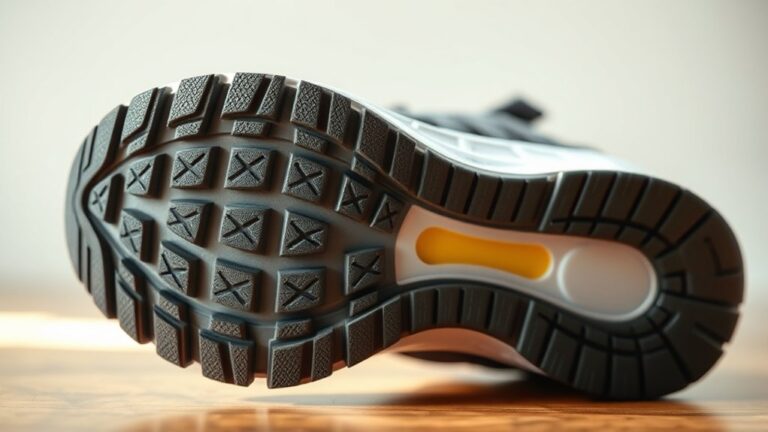
Because the outsole directly contacts the ground, its design plays a crucial role in your shoe’s traction and durability. Outsole materials and traction patterns work together to optimize grip and lifespan. Here’s why it matters:
Harder rubber compounds in high-wear zones boost durability, letting your shoes last longer. Grooves and lugs improve flexibility and grip, especially on uneven or trail surfaces. Thickness and layering increase abrasion resistance, protecting your shoe from rough terrain damage.
Specialized designs like rock plates or cleats enhance traction and shield your foot in challenging conditions. These features make a big difference when you’re out in tough environments.
How Heel-to-Toe Drop Influences Your Running Style
As you choose running shoes, the heel-to-toe drop plays a critical role in shaping your running mechanics and injury risk. A higher drop, typically 8-12 mm, encourages a heel strike, which can ease calf strain but increase knee impact.
Conversely, a lower or zero drop (0-4 mm) promotes midfoot or forefoot striking, fostering a more natural gait but raising Achilles tendinitis risk.
If you’re considering a gait shift to shoes with a different drop, do so gradually to let your body adapt and avoid injury.
How Plates and Materials Boost Running Shoe Performance
When you want to maximize your running efficiency, the integration of plates and advanced materials in your shoes plays a pivotal role. These components directly influence energy return and overall performance. Here’s how:
Plate materials like carbon fiber provide lightweight stiffness, which boosts responsiveness and propulsion. Plastic plates, while less stiff, still enhance energy return by acting as springs in the midsole.
Carbon fiber plates deliver lightweight stiffness for enhanced propulsion, while plastic plates spring back energy efficiently.
Midsoles made from PEBA or PEBAX combine softness with resilience, improving shock absorption and rebound.
The right combination of plate type and material optimizes stiffness and reduces metabolic cost. This lets you run faster with less effort. It’s all about finding what works best for your stride and goals.
Frequently Asked Questions
How Do Running Shoe Colors Impact Performance or Motivation?
You’ll find color psychology in running shoes boosts motivation by triggering energy and confidence through motivational design. Vibrant hues enhance perceived speed and enthusiasm, helping you push harder and improve performance during your workouts.
It’s pretty cool how just the colors can make a difference. When your shoes pop with bright shades, it’s like they’re cheering you on. That little extra boost can totally change your mindset during a run.
Can Running Shoes Help With Common Foot Conditions Like Bunions?
Yes, running shoes with proper foot arch support, enhanced shoe cushioning, and a wide toe box reduce bunion pressure. They also help improve alignment and prevent irritation.
You’ll notice better comfort, stability, and protection during your runs with these features. It really makes a difference when you’re dealing with bunions. So, choosing the right running shoes can be a game-changer for your foot health.
What Is the Average Lifespan of a Running Shoe?
You’ll find shoe durability typically lasts between 300 to 500 miles, so plan your replacement intervals accordingly. Monitoring outsole wear and midsole compression helps you innovate your timing, ensuring best support and injury prevention.
Keep an eye on how your shoes feel during runs. If you notice less cushioning or new aches, it might be time to swap them out. Staying proactive keeps your feet happy and injury-free.
How Should I Clean and Maintain My Running Shoes?
Think of shoe cleaning like tuning a race car: you remove dirt with a soft brush, clean insoles separately, and air dry shoes naturally.
Keeping up with this kind of maintenance helps your shoes perform better and last longer. Plus, it keeps odors and material damage at bay over time.
It’s pretty simple once you get the hang of it! Just a little care goes a long way.
Are There Eco-Friendly or Sustainable Running Shoe Options Available?
Yes, you’ll find running shoes made with eco-friendly materials and sustainable manufacturing processes. These innovative options reduce environmental impact by using recycled plastics, biodegradable components, and low-emission adhesives.
That way, your gear supports both performance and planet health. It’s great to know you don’t have to sacrifice quality for sustainability anymore. Many brands are stepping up to make green choices easier for runners like you.
Conclusion
Choosing the right running shoe is more than just picking a pair. It’s about matching your stride to the terrain, support needs, and comfort preferences.
When you nail the fit, cushioning, and outsole design, you’re setting yourself up to hit the ground running without missing a beat. Remember, the perfect shoe is like a well-oiled machine.
It works seamlessly with your body to boost performance and keep injuries at bay. Lace up smart and run strong!