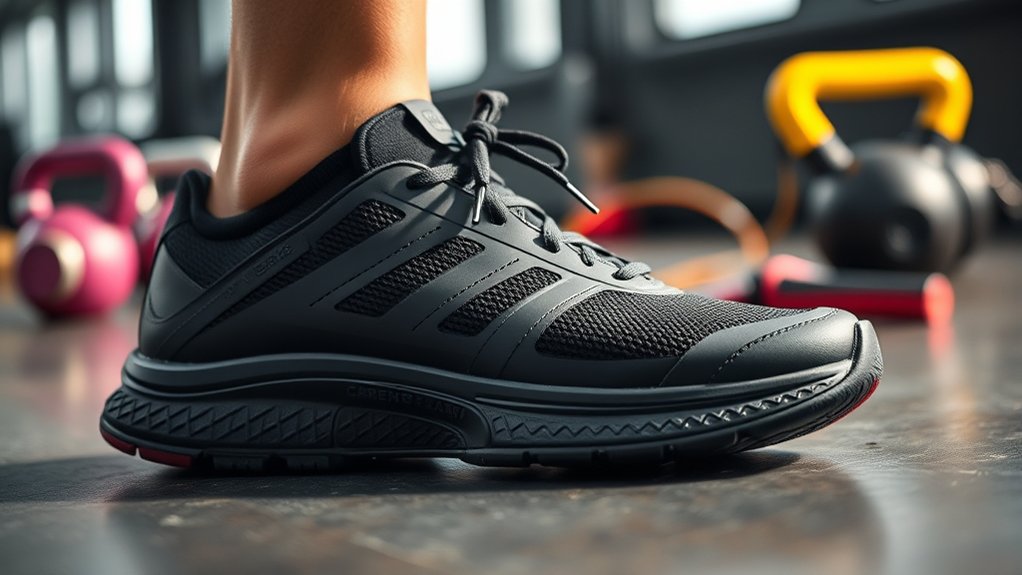
What Is A Cross Training Shoe – Features And Uses Explained
A cross training shoe is built to support your varied workouts by offering balanced cushioning, stability, and flexibility. It features a flatter sole, reinforced midsoles, and wider outsoles that enhance grip and control during multidirectional movement.
These shoes are designed for activities like HIIT, weightlifting, and aerobics. They provide reinforced heel support and shock absorption while still allowing your foot to move naturally.
Knowing these technical details can really help you pick the right shoe. That way, you optimize your performance and reduce the risk of injury.
Key Takeaways
- Cross training shoes provide versatile support for multidirectional workouts by combining cushioning, stability, and flexibility features from various athletic shoes.
- They have a flatter sole, reduced heel-to-toe drop, reinforced midsoles, and wide outsoles for enhanced balance, grip, and ankle support.
- Cushioned midsoles with foam or gel inserts absorb shock, supporting high-impact activities and dynamic movements like jumps and lateral shifts.
- Designed for diverse workouts such as HIIT, weightlifting, aerobics, and sports, cross trainers offer traction and lateral stability essential for various exercises.
- Proper fit, arch support, and timely replacement every 80-100 workout hours ensure optimal performance and injury prevention during training.
What Is a Cross Training Shoe?
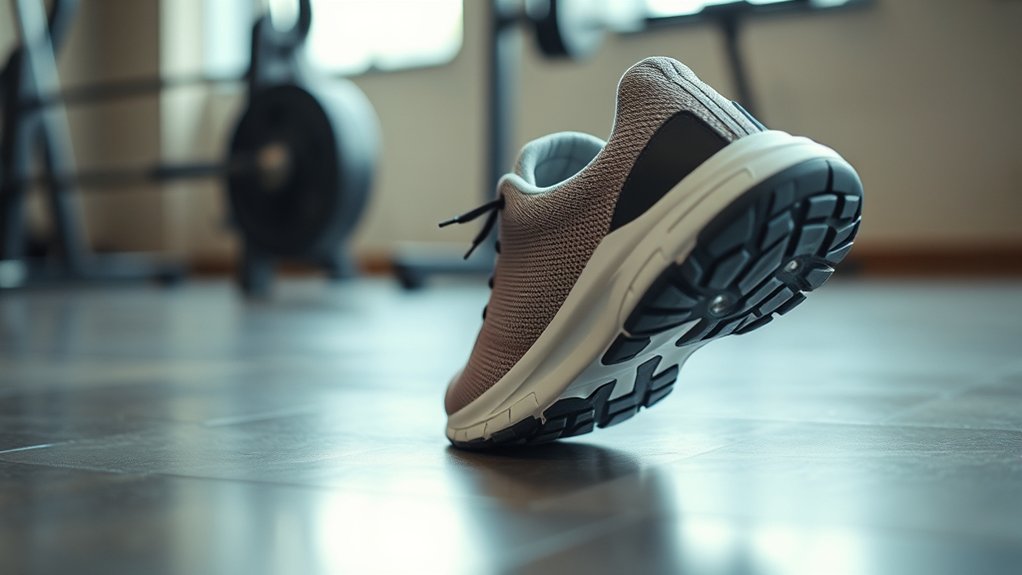
What makes a cross training shoe distinct is its versatility across various physical activities. You’ll find these shoes engineered with a flatter sole and low heel-to-toe drop, enhancing stability during weightlifting, running, jumping, and lateral moves.
Cross training shoes offer versatile support with a flatter sole and low heel-to-toe drop for stability in all movements
Their design merges features from running, court, and training shoes, balancing cushioning, support, and flexibility for multidirectional workouts. When evaluating brand comparisons, focus on how each integrates these elements to meet diverse exercise demands effectively.
Fashion trends in cross training footwear now emphasize sleek, performance-driven designs without compromising functional integrity. Whether you prioritize HIIT or circuit training, a well-chosen cross trainer adapts to quick shifts and intense movements.
It’s really indispensable for functional fitness enthusiasts who want a single shoe that delivers across varied physical challenges.
Key Features of Cross Training Shoes
To perform well across various workouts, cross training shoes incorporate several specialized features tailored for stability, support, and flexibility. You’ll find a flatter profile with reduced heel-to-toe drop, which really helps with balance during lifts and lateral movements.
Reinforced midsoles combined with wider outsoles provide the necessary support and grip on multiple surfaces.
Materials focus on durability, while breathable uppers ensure you stay ventilated during intense sessions.
Flexibility is key here, letting you shift smoothly with multi-directional ease.
Cushioning strikes a precise balance between comfort and firmness to suit diverse exercises.
Beyond performance, modern cross training shoes keep up with evolving fashion trends. They come in a variety of color options, so you can express your personal style without giving up technical benefits.
This mix of function and design means you stay supported and stylish during any workout.
How Cross Training Shoes Differ From Running and Crossfit Shoes
Although running and CrossFit shoes share some design elements with cross training shoes, they serve distinct purposes tailored to specific movement patterns. Cross training shoes balance support and flexibility, unlike running shoes that emphasize cushioning and forward motion, or CrossFit shoes that prioritize stability for heavy lifts.
| Feature | Shoe Type Comparison |
|---|---|
| Movement Focus | Running: Forward; CrossFit: Stability; Cross Training: Multi-directional |
| Cushioning & Drop | Running: High cushioning, pronounced drop; CrossFit: Minimal cushioning; Cross Training: Moderate cushioning, flat profile |
| Support & Outsole | Running: Narrow outsole; CrossFit: Reinforced stability; Cross Training: Wider outsole, lateral support |
| Fashion Trends & Brands | Running & CrossFit often lead trends; Cross Training blends performance with versatile style |
Understanding these differences helps you pick shoes based on what your workout actually needs. Plus, knowing how brands compare can make the choice easier.
Best Workouts for Cross Training Shoes
You’ll find cross training shoes really shine in workouts that require multidirectional support, like HIIT, circuit training, and weightlifting. They offer balanced cushioning and stability, which helps boost your performance during activities that involve jumping, lateral movements, and short runs.
Plus, these shoes are super adaptable. They work great for versatile routines such as aerobics, dance, and even casual cycling. So, no matter what kind of workout you’re doing, they provide reliable support across a variety of exercises.
Ideal Exercise Types
When engaging in workouts that demand quick lateral movements, jumps, and rapid directional changes, cross training shoes deliver the essential support and stability you need. They excel in cardio, HIIT, aerobics, weightlifting, and dance classes like Zumba, thanks to their multi-directional design.
Their hybrid construction supports circuit training, plyometrics, and bodyweight exercises efficiently.
While not optimized for long-distance running, cross trainers handle sports like basketball, volleyball, and casual cycling with ease.
As fashion trends evolve, cross training shoes gain brand popularity by balancing performance and style. This makes them a go-to for active lifestyles.
Choosing the right pair ensures you benefit from enhanced traction, cushioning, and lateral support. It’s all about aligning with your training demands and aesthetic preferences.
Versatility Across Workouts
Cross training shoes adapt seamlessly to a wide range of workouts, making them a practical choice for athletes and fitness enthusiasts who engage in diverse training routines. Their design supports various movements, from lateral shifts to jumps, so you can tackle multiple disciplines efficiently.
You’ll find these shoes excel in cardio and HIIT sessions that require cushioning and firm support. They’re also great for weightlifting, where stability is key for balance. Plus, outdoor sports like volleyball and tennis benefit from their durable construction and multidirectional grip.
Hybrid workouts such as Zumba and yoga work well too, since these shoes combine flexibility and comfort. On top of that, fashion trends and sneaker collaborations have turned cross trainers into lifestyle staples. They blend technical performance with street-ready style.
This versatility means you’re always prepared for any workout without having to switch your footwear. Pretty convenient, right?
Performance Benefits
Although many athletic shoes claim versatility, only cross training shoes deliver the stability and support essential for varied workouts like weightlifting, HIIT, and cardio. Their reinforced soles and lateral support optimize multidirectional movements, which are pivotal for circuit training and plyometrics.
By providing a balance of flexibility and durability, these shoes reduce injury risk while boosting performance during high-impact exercises such as sprints and jumping.
When evaluating options, consider brand comparisons that highlight differences in cushioning, sole rigidity, and durability. This way, you can select a shoe tailored to your specific workout needs.
While fashion trends influence design aesthetics, prioritize functional features that enhance efficiency and safety. Choosing the right cross training shoe directly improves your workout quality.
It allows seamless progressions between diverse exercises without compromising support or comfort.
How to Choose the Right Cross Training Shoe
How do you guarantee your training shoes support every movement effectively? Start by focusing on fit and function rather than fashion trends or shoe color options. Prioritize comfort and support tailored to your foot type and training demands.
Follow these steps to choose the right cross training shoe:
- Assess your arch type: flat arches require stability features; high arches need added cushioning.
- Try shoes on with athletic socks to ensure no pinching or discomfort.
- Examine construction elements like heel support, outsole durability, and upper materials to match your workout routine.
- Replace shoes every 80-100 workout hours or about six months to maintain maximum support and safety.
This approach makes sure your shoes enhance performance while accommodating your foot’s biomechanics precisely. It’s all about getting the right fit for your unique needs.
Cushioning, Stability, and Flexibility Explained
You want cushioning that soaks up impact but still feels responsive. Usually, this comes from foam or EVA midsoles designed to match the kind of workout you do.
When it comes to stability, look for a flat heel and a wide midsole. These features are key to keeping your ankles safe, especially during side-to-side moves and lifting.
And don’t forget flexibility! That’s often achieved with engineered mesh and flexible outsoles, which help you move in all directions—perfect for dynamic training.
Cushioning Types And Benefits
When selecting cross training shoes, understanding the types of cushioning and their specific benefits is essential for optimizing performance and injury prevention. Cushioning technology primarily focuses on impact absorption, which varies depending on the workout type.
Here are four key cushioning types and their benefits:
- EVA foam midsoles provide lightweight cushioning with moderate impact absorption. They’re suitable for general training.
- Gel inserts enhance shock protection. They’re especially beneficial for high-impact cardio sessions.
- Specialized midsoles with high impact absorption ratings (above 90 SA) offer superior cushioning for intense activities.
- Flexible cushioning supports natural foot motion. This is vital for dynamic lateral movements and plyometrics.
Stability Importance And Features
Although cushioning plays a critical role in shock absorption, stability is equally essential for preventing injuries during lateral movements and heavy lifts.
Stability in cross training shoes comes from firm midsoles and wide outsoles, which create a solid base. This reduces the risk of ankle sprains.
Key features like ankle support and heel reinforcement, often via reinforced heel counters, ensure your foot remains secure during dynamic exercises.
Additionally, torsional rigidity scores of 4 or 5 out of 5 indicate excellent resistance to twisting forces. This further enhances lateral stability.
This combination protects your joints and improves balance, especially during side-to-side movements or heavy lifting.
Prioritizing these stability features helps you perform confidently while minimizing injury risk across diverse training routines.
Flexibility For Dynamic Movement
Because cross training demands rapid, multidirectional movements, shoes must combine flexibility with cushioning and stability to optimize performance. When you engage in aerobic routines or dance workouts, your footwear needs to adapt to sudden jumps, lunges, and lateral shifts without compromising support.
Here’s what to focus on:
- Flexible outsoles and midsoles allow natural bending and twisting. They’re tested by the force required to bend the shoe at 30 degrees.
- Cushioning varies from high shock absorption for impact-heavy moves to minimal designs for enhanced ground feel.
- Stability features like wider midsoles and firm heel counters maintain control during directional changes.
- The ideal cross training shoe balances these elements, enabling dynamic movement while protecting your feet and joints.
When to Replace Cross Training Shoes
If you want to maintain peak performance and reduce injury risk, you should replace your cross training shoes every 80 to 100 workout hours or roughly every six months. Keep an eye on your shoes closely. Look for outsole wear, heel instability, midsole cushioning loss, and if the shoe twists.
Replace cross training shoes every 80-100 hours to maintain performance and prevent injury.
If you notice persistent foot or ankle pain, that’s a sign your shoes aren’t providing enough support anymore, and it’s time to replace them. Regular visual inspections are important too. Watch out for creasing, holes, or broken support structures.
When you’re choosing between brands and color options, think about durability as well as style. This helps ensure your shoes last longer and keep performing well. Different brands can vary in cushioning and stability, which might change how often you need to replace them.
Replacing your shoes on time keeps your support at its best and helps prevent injuries caused by worn-out shoe parts. Staying proactive with your cross training shoes means your footwear will always match your training needs safely and effectively.
Frequently Asked Questions
Can Cross Training Shoes Be Used for Outdoor Sports Like Basketball?
You can use cross training shoes on an outdoor court, but their basketball compatibility is limited. They lack the necessary grip, ankle support, and shock absorption. This increases the risk of injury during quick cuts and jumps typical in basketball.
Are Cross Training Shoes Suitable for People With Flat Feet?
If your feet are the foundation, cross training shoes with proper arch support and advanced cushioning technology act like solid pillars, reducing strain.
You’ll want models specifically designed to stabilize and comfort flat feet during varied workouts.
They really help keep your feet supported no matter what kind of exercise you’re doing. So, choosing the right pair can make a big difference in how comfortable and effective your training feels.
How Do Cross Training Shoes Perform in Wet or Slippery Conditions?
Cross training shoes deliver strong traction performance and water resistance, thanks to rubber outsoles with deep lugs and specialized compounds. You’ll maintain grip and stability on wet surfaces, preventing slips and enhancing control during workouts.
This means you can feel confident moving through slippery spots without worrying about losing your footing. They’re designed to keep up with your pace, no matter the conditions. So, whether you’re hitting the gym or running errands on a rainy day, these shoes have got you covered.
Can Cross Training Shoes Help Prevent Ankle Injuries?
Picture your ankle steady during sharp moves. Cross training shoes provide firm ankle support and secure lockdown, boosting injury prevention by reducing excessive movement and enhancing stability.
This helps you train confidently without risking sprains or twists.
Are Cross Training Shoes Machine Washable?
You shouldn’t machine wash cross training shoes, as it damages shoe durability and breathability features. Instead, clean them gently with a damp cloth and mild soap to preserve performance and extend their lifespan effectively.
Just take your time with the cleaning. A gentle approach goes a long way in keeping your shoes in great shape. Trust me, your shoes will thank you!
Conclusion
When you choose the right cross training shoe, you get cushioning that absorbs impact, stability that supports every move, and flexibility that adapts to diverse workouts—all in one. It’s no coincidence that these features align perfectly with your varied training needs.
Knowing when to replace them guarantees your performance stays sharp. So, trust your informed choice. The right shoe isn’t just gear; it’s your foundation for every step, lift, and jump you take.