What Is The Outsole Of A Shoe – Functions And Features
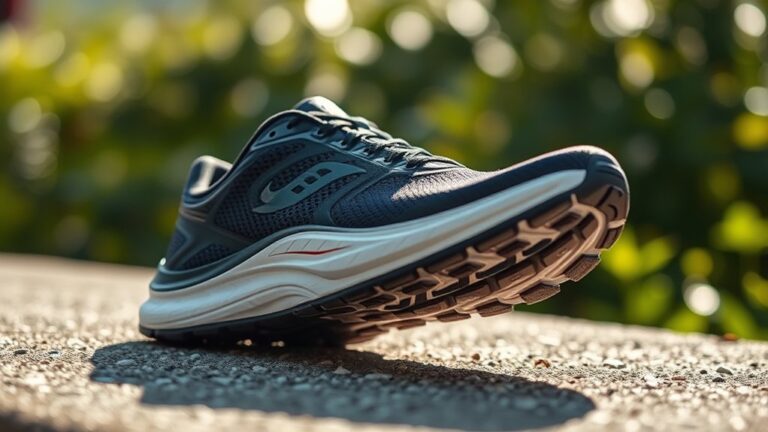
The outsole is the bottom layer of your shoe that directly meets the ground, providing essential traction, durability, and protection. It’s crafted from materials like rubber, leather, or synthetics, each optimized for specific activities and terrains.
Its tread patterns and material choices enhance grip, flexibility, and wear resistance while working with the midsole and insole to boost comfort and stability. Understanding its design and care helps you maximize performance and shoe longevity.
There’s much more to explore about outsole innovation and maintenance. It’s pretty interesting once you dive into how these details make a big difference in your shoe’s performance.
Key Takeaways
- The outsole is the shoe’s bottom layer that provides traction, durability, and protection against ground contact.
- It is made from materials like rubber, leather, or synthetics, chosen for specific activities and environments.
- Tread patterns and lug designs enhance grip and stability on various terrains and conditions.
- Proper outsole design improves comfort, reduces fatigue, and prevents foot injuries by distributing pressure and absorbing shock.
- Regular cleaning, inspection, and protective care extend outsole lifespan and maintain footwear performance.
What the Outsole Is and Why It Matters
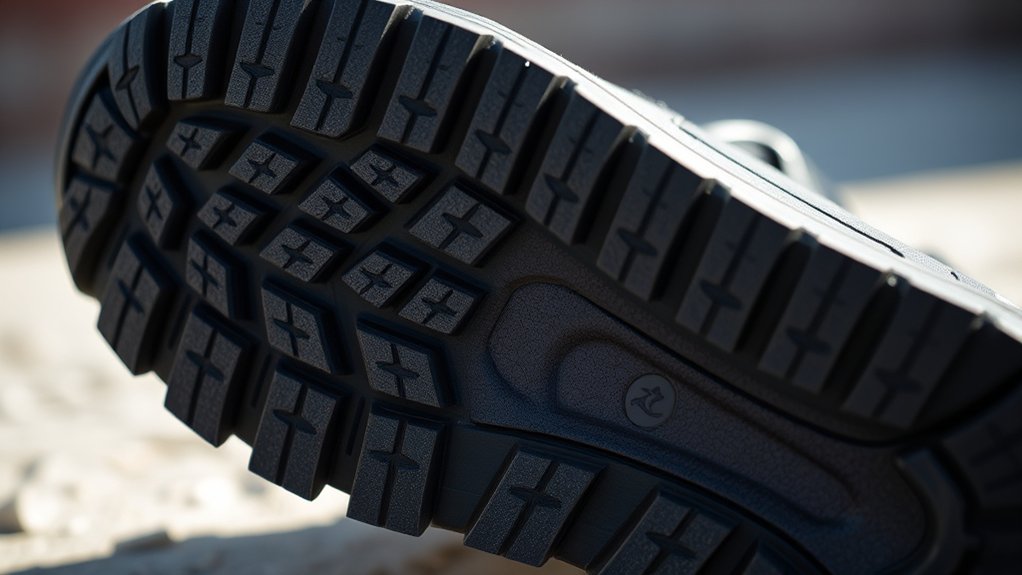
Ever wondered what part of your shoe makes all the difference between slipping and steady footing? It’s the outsole, the shoe’s bottom layer that directly contacts the ground. This part not only provides traction and durability but also acts as a protective barrier against pavement, mud, or ice.
When you check out outsole aesthetics, you’ll notice how innovative custom outsole designs blend functionality with style. They make sure you get both safety and visual appeal.
Made from materials like rubber, leather, or synthetic compounds, each outsole is engineered for specific activities.
The construction and tread pattern you choose directly impact stability and longevity. That’s why the outsole matters so much in your footwear’s overall performance. It’s a small part with a big job!
Why Outsole Design Matters for Grip and Durability
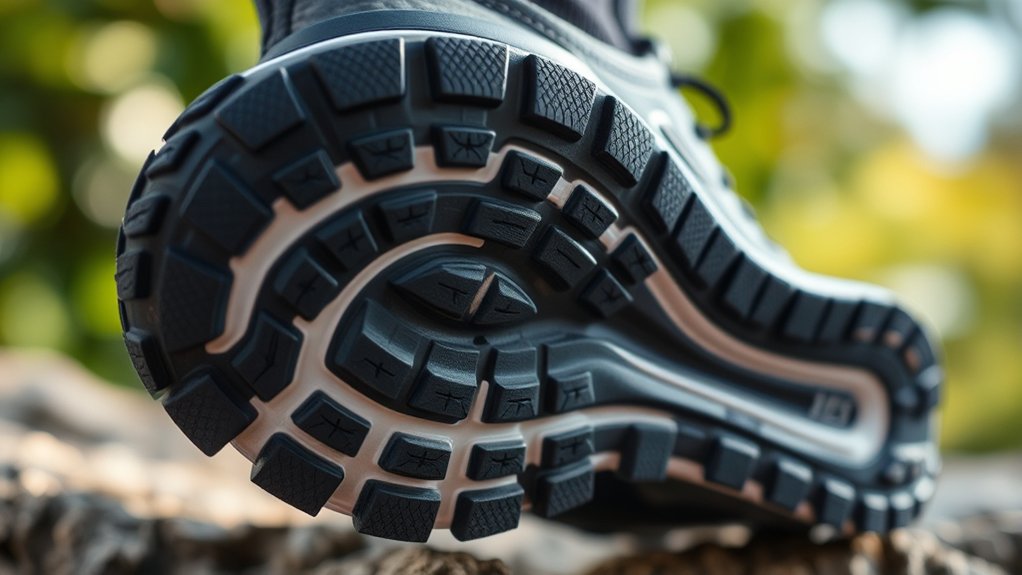
The outsole’s effectiveness depends heavily on its design, which directly impacts how well your shoe grips surfaces and withstands wear. Traction enhancement comes from tread patterns and lug designs tailored to specific terrains, preventing slips and improving stability.
Wear resistance depends on optimized patterns and reinforced areas that endure high-friction zones without degrading quickly. Balancing grip, durability, and flexibility ensures your shoe performs reliably in diverse conditions.
| Feature | Function | Benefit |
|---|---|---|
| Tread Pattern | Enhances traction | Prevents slips |
| Lug Design | Improves surface grip | Increases stability |
| Reinforced Zones | Boosts wear resistance | Extends outsole lifespan |
Materials Used in Outsoles and Their Benefits
When selecting an outsole material, you’ll find that rubber dominates due to its excellent balance of traction, durability, and flexibility across varied surfaces.
Carbon rubber, a performance-enhancing compound, offers superior abrasion resistance, making it ideal for high-wear activities like running and hiking.
EVA outsoles provide lightweight cushioning, enhancing comfort but sacrificing some durability.
You’ll also encounter eco-friendly materials like TPU and recycled rubber composites, which are gaining traction for their sustainability without compromising performance.
Leather outsoles, while stylish and breathable, are less practical for wet conditions.
By understanding these materials’ distinct properties, you can choose an outsole that optimizes functionality, longevity, and environmental impact, tailored precisely to your footwear needs.
It’s all about finding the right fit for what you want and need in your shoes.
Rubber, Leather, and Synthetic Outsole Differences
Although rubber, leather, and synthetic outsoles each serve distinct purposes, understanding their differences helps you select the most suitable sole for your footwear’s performance and style requirements.
Rubber outsole material excels in flexibility, durability, and slip resistance, offering superior surface grip on wet and uneven terrains. This makes it ideal for athletic and outdoor shoes.
Leather outsoles, while lightweight and breathable, prioritize aesthetic appeal with a classic finish. They lack water and abrasion resistance, so they require careful maintenance. If you want a stylish look and don’t mind the upkeep, leather might be the way to go.
Synthetic outsoles, typically crafted from polyurethane or thermoplastic rubber, strike a balance between flexibility, durability, and cost-efficiency. They provide moderate surface grip.
How Outsoles Work With the Midsole and Insole for Comfort
You rely on the outsole, midsole, and insole to work together in perfect harmony for cushioning and shock absorption that protect your feet during impact. Think of the midsole as the critical buffer layer—it’s the part that really soaks up the shock.
Meanwhile, the insole provides targeted support and helps distribute pressure right under your foot.
When these components team up, they optimize comfort by reducing fatigue and boosting stability with every step you take. It’s this collaboration that keeps your feet feeling good, even after long periods on the move.
Cushioning And Shock Absorption
Because the outsole works in tandem with the midsole and insole, it plays a critical role in cushioning and shock absorption that protects your joints during movement. The midsole compresses upon impact, while the outsole’s material and tread pattern evenly distribute forces, minimizing stress on your heel, arch, and ball.
Outsole flexibility enhances shock dissipation by adapting to ground irregularities, reducing vibrations transmitted to your foot. Plus, outsole traction helps by stabilizing your foot during motion, preventing slips that could amplify impact forces.
Together, these features ensure efficient energy absorption and comfort, especially during high-impact activities. By optimizing outsole flexibility and traction, designers create footwear that complements the midsole’s cushioning, delivering superior shock absorption and prolonged wear comfort.
Support And Pressure Distribution
How does the outsole collaborate with the midsole and insole to optimize comfort? The outsole evenly distributes pressure across your foot, working in tandem with the midsole and insole to reduce stress on high-impact areas. This synergy enhances stability, maintaining proper foot alignment and preventing fatigue during extended wear.
Innovative tread patterns and materials improve grip on varied surfaces, contributing to overall support. Plus, this interaction boosts shock absorption, protecting joints from impact forces. It’s all about making every step feel better and safer.
As fashion trends evolve, designers are integrating eco-friendly materials in outsoles. This helps minimize environmental impact while keeping performance high. By ensuring pressure is absorbed and supported efficiently, the outsole plays a vital role in comfort, preventing foot pain and injuries.
It’s where functional design meets sustainable, trend-conscious footwear solutions.
Signs You Need Outsole Repair or Replacement
When outsole tread patterns become smooth or lose their grip, it signals that the shoe’s performance and safety are compromised. This means it’s time for a timely repair or replacement.
Worn-out outsole treads reduce traction, indicating it’s time to repair or replace your shoes for safety.
You should also check for cracking, visible holes, or any separation between the outsole and midsole. These are clear signs that your shoes need some attention.
If you notice excessive wear exposing the midsole or foam layer, it’s definitely time for a sole replacement. This will help restore the shoe’s structural integrity.
Reduced traction or slipping, especially on wet surfaces, is another warning sign of outsole deterioration.
Uneven wear patterns can mess with your gait and increase the risk of injury. So, prompt repair or replacement is important.
Keeping an eye on these signs helps maintain good foot support and ensures your footwear performs just the way it should.
Choosing the Right Outsole for Your Activity
Why settle for a generic outsole when your activity demands specialized performance? Selecting the right outsole enhances comfort, safety, and efficiency. Fashion trends and cultural influences shape outsole designs, but function should always lead your choice.
Consider these key points:
- Trail running or hiking requires deep lugs and aggressive treads for the best traction on uneven terrain.
- City walking benefits from lightweight, flexible rubber outsoles that make moving around easier.
- Work boots need abrasion-resistant, durable materials like reinforced rubber to handle rough surfaces.
- Wet or icy conditions call for slip-resistant, water-resistant outsoles with specialized tread patterns to keep you safe.
Matching the outsole material and tread design exactly to your activity’s needs will boost your performance and help reduce the risk of injury.
Maintaining Your Outsole for Longer Shoe Life
Although outsoles are designed to withstand significant wear, you’ll extend their lifespan considerably by maintaining them properly. Start with routine outsole cleaning. Use a soft brush and mild soap to eliminate dirt and debris that accelerate uneven wear.
Regularly inspect the tread pattern for embedded objects or excessive wear. Timely repair or replacement preserves traction. Avoid exposing outsoles to extreme heat or direct sunlight because this degrades rubber and composite materials.
For the best outsole storage, keep your shoes in a cool, dry environment to prevent cracking and brittleness. Additionally, apply protective sprays made for rubber or leather outsoles. This helps enhance water resistance and minimize moisture-related damage.
This kind of systematic care will ensure your outsole remains functional and durable over time. Taking these simple steps really makes a difference!
Frequently Asked Questions
How Is the Outsole Attached to the Rest of the Shoe?
You attach the outsole using stitching, strong adhesives, or moulding. These methods ensure the outsole is durable by selecting the right material composition.
Each technique helps enhance the shoe’s strength and flexibility. Plus, they make repairs easier down the line.
All in all, these innovative bonding methods optimize the shoe’s performance and lifespan.
Can Outsoles Be Recycled or Repurposed?
Yes, you can recycle outsoles through advanced recycling processes. These processes shred and reprocess materials into granules for new products. It’s a great way to give old outsoles a second life.
Using eco-friendly materials like biodegradable polymers also helps. This approach boosts sustainability and reduces environmental impact. So, it’s a win-win for the planet!
Do Outsoles Affect Shoe Weight Significantly?
Imagine running shoes using EVA outsoles. They cut weight drastically yet maintain outsole flexibility.
Yes, outsoles affect shoe weight considerably. They balance shoe durability with lightweight design. This helps optimize performance without compromising cushioning or traction essential for your activities.
How Do Outsole Patterns Influence Noise on Hard Floors?
Outsole patterns influence noise by balancing shoe grip and sound dampening. Deep lugs increase grip but amplify sound. On the other hand, smooth, spaced grooves enhance sound dampening.
They reduce vibrations and minimize noise on hard floors during your movement. So, it’s all about finding the right mix between traction and quiet steps.
Are There Outsoles Designed Specifically for Temperature Regulation?
Yes, outsoles can regulate temperature using thermal insoles and breathable materials. You’ll find innovative layers that absorb and release heat, balancing insulation and moisture control. This helps keep your feet comfortable in extreme cold or heat without sacrificing performance.
It’s pretty cool how these materials work together to manage temperature. So whether you’re out in the snow or under the blazing sun, your feet stay just right. It’s all about smart design and the right materials.
Conclusion
Understanding your shoe’s outsole is vital for performance and longevity. For example, a trail runner switching from leather to rubber outsoles noticed improved grip and durability on rugged terrain, reducing injury risk. By choosing the right material and design, you enhance comfort and functionality.
Regularly inspecting and maintaining your outsole guarantees it supports your activity demands, preventing premature wear. Stay proactive, and your shoes will deliver maximum support and durability every step of the way.