What Is The Sole Of A Shoe – Function And Types Explained
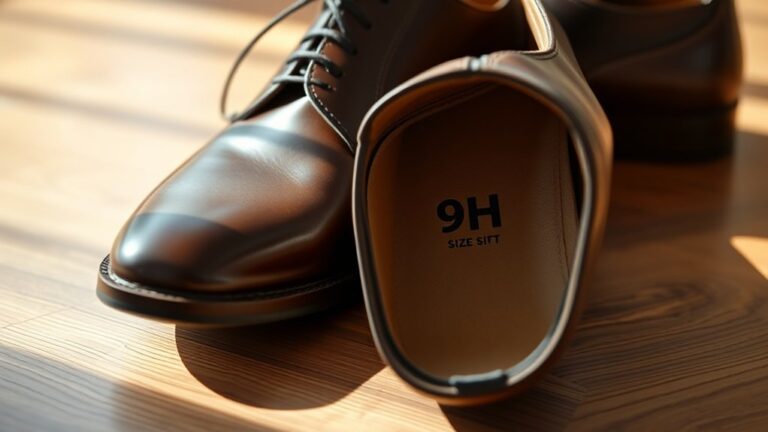
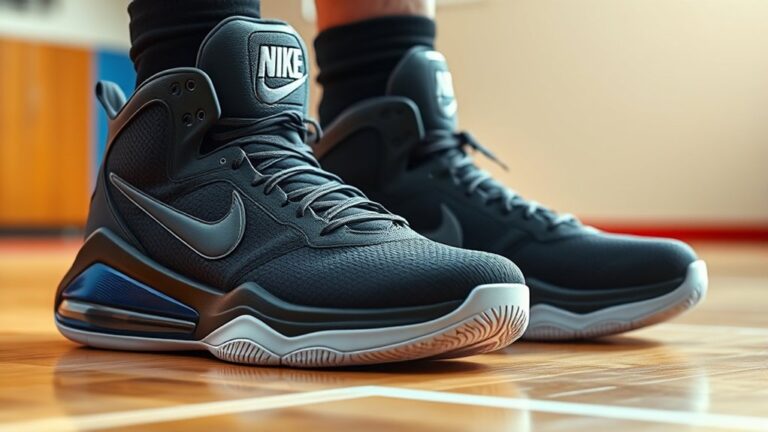
The sole of a shoe is the critical layer between your foot and the ground. It’s designed to provide support, traction, and protection. Usually, it has three layers: the durable outsole for grip, the cushioned midsole that absorbs shock, and the supportive insole for comfort and alignment.
Different materials and tread patterns match specific activities and environments to help you perform better and stay safe. When you dig into these types, you’ll see how to choose and take care of soles for lasting comfort and function. It’s pretty handy to know, right?
Key Takeaways
- The shoe sole acts as the main interface with the ground, providing support, protection, traction, and stability.
- Soles typically consist of three layers: outsole for grip, midsole for cushioning, and insole for foot support.
- Outsoles vary in materials and tread patterns to suit different surfaces and activities, enhancing safety and performance.
- Midsole materials like EVA foam absorb shock, reduce fatigue, and protect joints during movement.
- Selecting soles balances functionality, comfort, style, and environmental sustainability based on activity and user needs.
What Is a Shoe Sole and Why It Matters
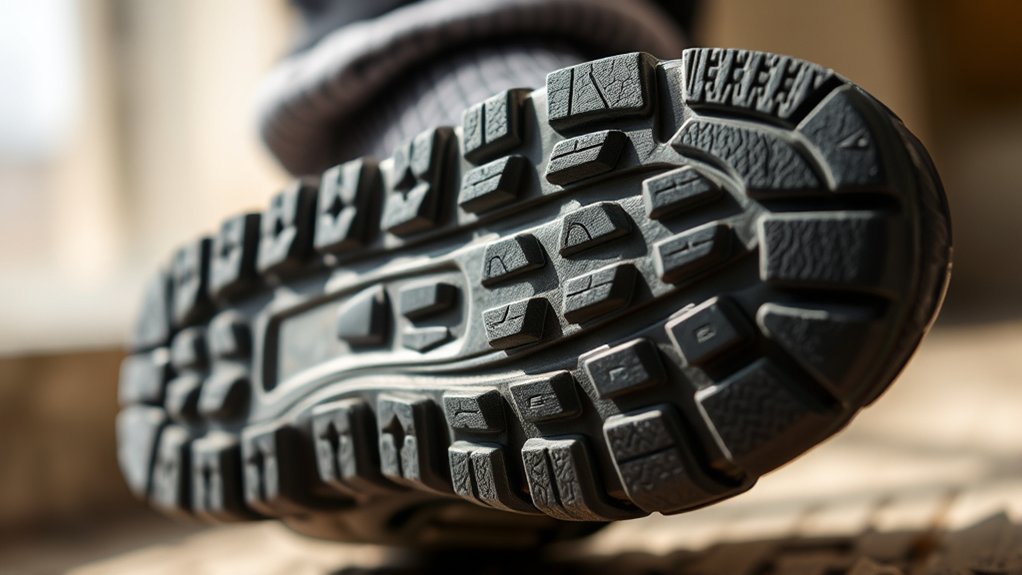
Although often overlooked, the sole of a shoe plays a critical role in your footwear’s performance by providing the primary interface between your foot and the ground. It guarantees foundational support, protecting your foot from external elements and uneven surfaces.
The sole is essential, offering foundational support and shielding your foot from the ground’s challenges.
The sole’s design and material composition directly influence traction, stability, and durability, which you must consider when selecting footwear.
Beyond function, soles also carry cultural significance, reflecting regional craftsmanship and traditional techniques. Fashion trends often dictate sole aesthetics and materials, integrating performance with style.
Understanding the sole’s importance allows you to appreciate how it balances practical demands with cultural expression, influencing both comfort and identity.
This knowledge helps you make informed choices aligned with your activity needs and style preferences. So, next time you pick out shoes, take a moment to think about the sole — it really does matter more than you might realize.
The Three Main Layers of a Shoe Sole
Understanding the sole’s importance leads naturally to examining its three main layers: the outsole, midsole, and insole.
The outsole is the external layer designed for ground contact. It’s engineered through precise manufacturing processes to guarantee durability and traction.
Above it, the midsole serves as a critical cushioning component. It absorbs shock and enhances comfort by employing advanced materials. This reflects ongoing design innovations.
The insole, the innermost layer, directly supports the foot. It offers arch support and pressure distribution tailored through ergonomic design.
Each layer’s integration results from meticulous manufacturing processes. This optimizes the sole’s overall performance, comfort, and longevity.
How the Outsole Provides Traction and Protection
How exactly does the outsole guarantee reliable traction and foot protection during movement? The outsole, crafted from rubber, leather, or synthetic compounds, directly contacts the ground. It delivers slip resistance that’s vital for outdoor activities.
The outsole, made from durable materials, ensures slip resistance and reliable ground contact essential for outdoor movement.
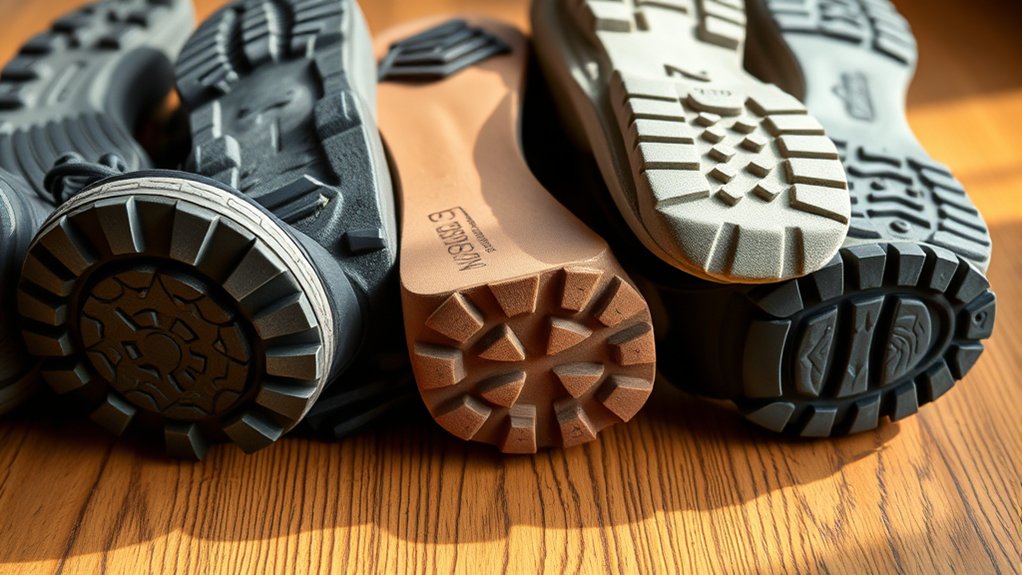
Its tread patterns, whether lug, herringbone, or specialized designs, maximize grip on diverse surfaces. This helps prevent slips and falls. Rubber outsoles with deep treads enhance traction on wet, uneven terrains. They also safeguard your foot against impact and instability.
When you choose a shoe, the outsole ensures confident footing on slippery or rugged surfaces. It provides enhanced control during dynamic movements. Plus, it protects from sharp or irregular ground elements and offers durability that withstands harsh outdoor environments.
This precise design and material synergy let you move securely and comfortably in any setting.
Why the Midsole Is Essential for Cushioning
Because the midsole absorbs shock and reduces impact forces during walking or running, it plays an essential role in your shoe’s overall comfort and support. Midsole cushioning is primarily achieved through materials like EVA foam or polyurethane. Their thickness and density directly influence impact absorption efficiency.
This layer evenly distributes pressure across your foot, minimizing localized stress that causes pain and fatigue. Plus, a well-engineered midsole enhances responsiveness and energy return, which helps improve performance.
Proper midsole cushioning also alleviates joint stress, lowering injury risk during high-impact activities. So, when selecting shoes, focus on the midsole’s material properties and construction. These factors determine how effectively it manages impact absorption while providing the necessary support and comfort for prolonged wear.
How the Insole Adds Comfort and Support
One vital layer that directly interacts with your foot is the insole. It provides targeted cushioning and support to enhance comfort while walking or standing. The insole includes arch support and heel cupping to maintain proper foot alignment, which helps reduce fatigue and prevent discomfort.
The material of the insole, often foam or gel, plays a big role in shock absorption and pressure distribution. This is essential for minimizing strain and avoiding long-term foot issues.
Many insoles are removable, so you can customize the fit or replace them with orthotic inserts for specialized support.
You’ll experience balanced pressure distribution across your foot. Feel the stability that comes from precise heel cupping. Enjoy enhanced arch support tailored to your foot’s contour. Plus, benefit from shock absorption that reduces impact on your joints.
The insole’s design really contributes to your foot’s overall comfort and health.
Popular Shoe Sole Materials and Their Benefits
While the insole shapes the interior comfort of your shoe, the sole material directly affects performance, durability, and safety. Rubber soles provide exceptional traction and durability, making them ideal for wet or rugged conditions.
EVA soles excel in shock absorption and lightweight design, enhancing athletic performance.
Leather soles offer breathability and style but can be slippery when wet, limiting their use in certain environments.
PU soles resist deformation and maintain structure, perfect for work shoes requiring stability.
TPR soles balance flexibility and cost-efficiency, delivering reliable grip for urban footwear.
Increasingly, manufacturers incorporate eco-friendly materials and innovative sole designs to enhance sustainability without compromising function.
This way, your shoe sole meets both environmental and technical demands.
How Shoe Sole Types Affect Walking and Stability
Although many factors influence walking comfort, the type of shoe sole plays a critical role in stability and slip resistance. The sole material you choose, whether rubber, leather, or synthetic, directly affects grip on various surfaces.
The tread pattern on the outsole further refines traction. Deep lugs offer superior grip on uneven terrain, while smooth surfaces work best indoors.
Firmer soles enhance your stability by limiting excessive foot flexion. Softer soles prioritize shock absorption but may reduce support.
Additionally, midsole thickness controls compression, helping maintain balance by distributing weight evenly.
Feel confident with soles designed for your terrain. Avoid slips with ideal tread patterns. Experience stable footing through precise sole material choice. Prevent fatigue by balancing cushioning and support.
Signs Your Shoe Sole Needs Repair or Replacement
If you notice smooth or bald patches forming on your shoe’s outsole, it’s a clear indicator that the sole requires repair or replacement. Compromised sole durability often shows up as visible midsole exposure or reduced cushioning, which can affect your stability when walking.
Uneven wear patterns might signal gait problems, so your sole needs attention to provide proper support. Also, slipping due to worn tread decreases traction, especially on wet surfaces.
| Sign | Explanation |
|---|---|
| Bald patches | Outsole rubber worn smooth, reducing grip |
| Midsole exposure | Sole worn through, risking foot impact |
| Uneven wear patterns | Indicates irregular gait or sole compression |
| Reduced traction | Worn tread leads to slipping hazards |
Recognizing these signs helps you keep your soles durable and your feet protected. It’s always better to fix or replace your shoe soles before they cause discomfort or injury.
Choosing the Right Shoe Sole for Your Activity
When selecting a shoe sole, you want to match its design and materials to the demands of your specific activity to guarantee ideal performance and comfort. Think about traction patterns. Lugged soles work great outdoors, while smooth leather is perfect for formal wear. Cushioning and shock absorption really matter if you’re running or going on long walks.
Choose soles with the right traction and cushioning to match your activity for comfort and performance.
Also, choose sole materials that fit your environment. Waterproof synthetics are best for wet conditions, and breathable options suit urban settings better. Support features like arch support become essential if you have foot issues.
Don’t forget to check durability based on how often you’ll use the shoes. Balancing these factors with current fashion trends and sustainable materials means you won’t have to compromise style or eco-consciousness.
Feel confident on any terrain with precise traction. Experience lasting comfort through targeted cushioning. Support your foot’s health with ergonomic design. And embrace eco-friendly choices without sacrificing style.
Frequently Asked Questions
How Do Shoe Soles Affect Overall Foot Health Long-Term?
You’ll protect your feet long-term by choosing soles with proper heel support and arch cushioning. These features help prevent abnormal gait patterns and reduce joint strain.
They also help avoid issues like plantar fasciitis or arthritis by distributing pressure evenly and absorbing shock. So, picking the right sole really makes a difference in keeping your feet healthy over time.
Can Shoe Soles Be Customized for Medical Conditions?
Like a tailor crafting a perfect suit, you can get orthotic customization for medical footwear. These are precisely designed to support your foot’s unique structure. This helps improve alignment, reduce pain, and enhance long-term mobility and comfort.
It’s all about making your shoes work for you, not the other way around. Custom soles can make a real difference in how you move every day.
What Environmental Factors Impact Shoe Sole Durability?
You’ll find environmental factors like moisture, abrasive surfaces, UV radiation, and temperature extremes impact shoe sole durability by interacting with material composition and manufacturing processes.
These elements accelerate wear, deformation, and chemical degradation that compromise sole performance.
How Do Sole Thickness Variations Influence Shoe Weight?
You’ll find that every 5mm increase in sole thickness adds roughly 10% to shoe weight. This boost enhances sole cushioning and arch support, which is great for comfort.
But keep in mind, it can also reduce agility a bit. So, balancing the thickness is key to optimizing performance without making the shoe too heavy.
Are There Eco-Friendly Alternatives to Traditional Shoe Sole Materials?
Yes, you can choose eco-friendly shoe soles made from sustainable materials like cork, recycled rubber, and bioplastics. These biodegradable compounds reduce environmental impact while maintaining durability and performance in your footwear.
It’s great to know that going green doesn’t mean compromising on quality. Plus, many brands now offer stylish options using these materials, so you don’t have to sacrifice looks for sustainability.
Conclusion
Now that you understand the sole’s layers and materials, you can choose the right one like a cobbler from days of yore. The outsole grips, the midsole cushions, and the insole supports. Each part plays a critical role in your shoe’s performance.
Pay attention to wear signs to avoid discomfort or injury. Selecting the perfect sole tailored to your activity ensures ideal stability, traction, and comfort. This way, every step stays precise and protected.