What Is The Best Basketball Shoe – Top Choices Reviewed
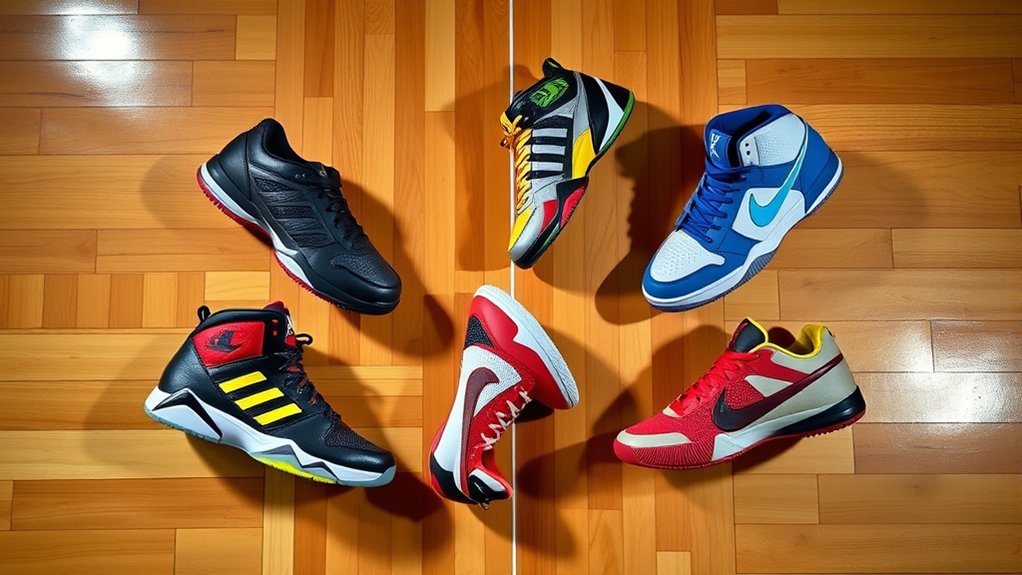
To find the best basketball shoe, focus on fit, cushioning, and traction tailored to your play style and position. Shoes like the Nike LeBron 23 offer advanced cushioning and grip, while the Nike KD 18 excels in outdoor durability.
Think about ankle support too. High-tops give you more stability, while low-tops help with agility. Ventilation is important as well to keep your feet comfortable during the game.
Picking shoes that match your needs can really boost your performance and help prevent injuries. It’s a good idea to explore different models and see what makes each one stand out. That way, you can optimize your game and feel confident on the court.
Key Takeaways
- Choose basketball shoes based on playing position, prioritizing agility for guards and ankle support for centers.
- Nike LeBron 23 offers advanced cushioning and superior grip for versatile performance.
- Durable shoes like Nike KD 18 excel outdoors with a high friction coefficient of 0.89 for reliable traction.
- High shock absorption models like Nike G.T. Hustle 3 protect joints during intense play.
- Budget-friendly options like Nike Giannis Immortality 4 combine core support and traction without compromising value.
How to Pick the Best Basketball Shoe for You in 2026?
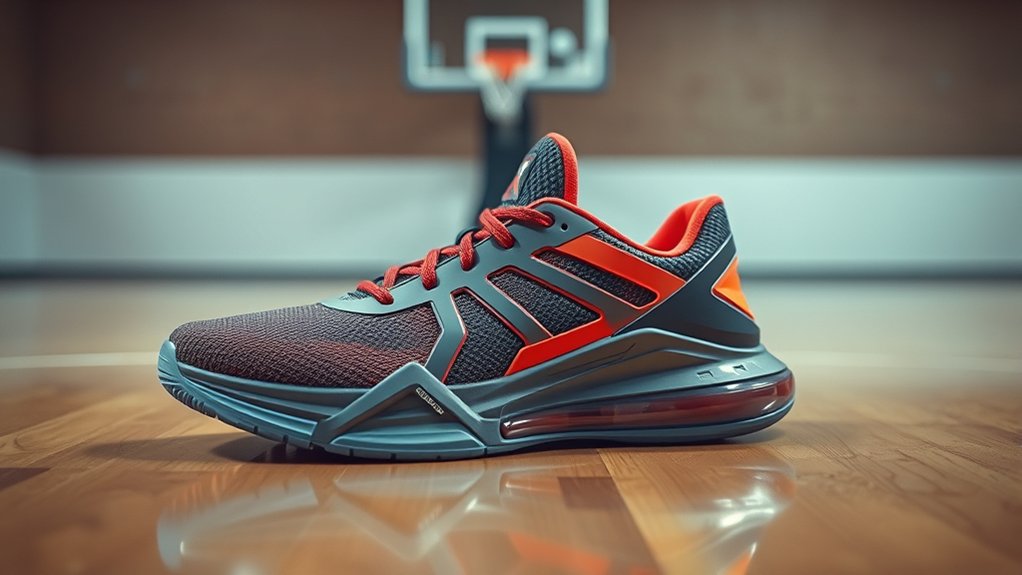
When choosing the best basketball shoe for you in 2026, start by thinking about your playing style and position. Guards usually want lightweight shoes with responsive cushioning. Centers, on the other hand, benefit from shoes that offer high shock absorption and strong ankle support.
Next, pay attention to shoe ventilation to keep your feet cool and dry during intense play. This not only boosts comfort but also helps prevent blisters.
Don’t forget about the look of the shoe; a design you like can really boost your confidence on the court.
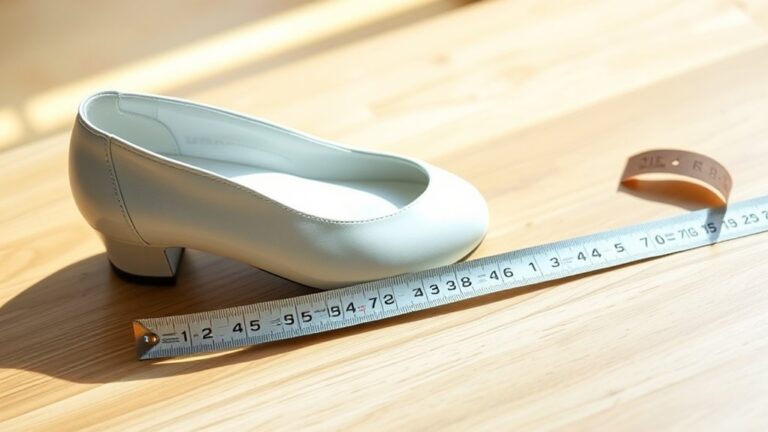
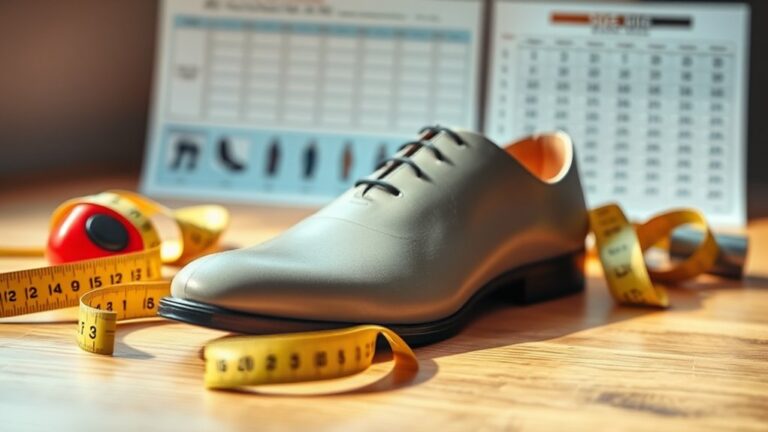
Make sure you measure your foot precisely to find the right size and width. A snug fit is key because it helps enhance your performance.
Finally, prioritize features that match your playing surface and injury prevention needs so you stay comfortable and protected throughout the game.
Which Basketball Shoes Offer the Best Traction and Grip?
When it comes to traction, knowing a bit about outsole technology can really help you pick the right basketball shoe for your game. You’ll want to check out features like friction coefficients, tread patterns, and cushioning systems that work together to boost grip and stability.
Let’s dive into some of the top models that are famous for delivering exceptional traction. These designs are all about keeping you quick and agile on the court, so you can make those sharp cuts and sudden stops without slipping.
Traction Technology Explained
Because traction plays a crucial role in your performance on the court, choosing basketball shoes with advanced grip technology can give you a competitive edge. Traction patterns and outsole materials directly impact how well your shoes stick to the floor during rapid movements.
Here’s what to look for:
- Radial or herringbone traction patterns deliver superior grip for sharp cuts and stops.
- Deep, multidirectional grooves and recessed lugs boost lateral stability.
- Solid rubber outsoles outperform translucent ones in durability and traction, especially outdoors.
- Specialized compounds like Nike’s XDR rubber enhance both grip and longevity.
Understanding these elements helps you pick shoes designed to maximize your control and confidence on any surface. Don’t underestimate the science behind traction technology. It’s key to dominating every play.
Top Traction Shoe Models
Five standout basketball shoe models deliver exceptional traction and grip, making them top choices for players who demand reliable court performance.
The Nike KD 18 tops the list with an outsole friction coefficient of 0.89 on hardwood, thanks to its carefully engineered sole material.
The Way of Wade 12 impresses with a radial outsole pattern that excels during quick cuts and lateral moves.
Meanwhile, the Nike Air Jordan 12’s herringbone traction pattern provides consistent multi-directional grip.
Adidas DON Issue 7 utilizes a decoupled outsole design paired with rubber compounds optimized for traction, enhancing responsiveness.
When choosing, pay close attention to outsole pattern and sole material, as these factors notably impact grip and durability, especially for outdoor play.
These models set the standard for traction in today’s competitive basketball landscape.
How Basketball Shoe Cushioning Affects Comfort and Injury Prevention
Although you might prioritize style or brand, the cushioning in your basketball shoes plays a crucial role in both comfort and injury prevention. Cushioning technology absorbs impact forces, reducing stress on your joints during jumps and quick landings. Here’s why it matters:
High shock absorption (above 80 SA) means better protection and lasting comfort. Advanced tech like Zoom Air and Lightstrike Pro offers responsive cushioning that decreases fatigue.
Proper cushioning strikes a balance between impact absorption and court feel, so you move confidently.
Insufficient cushioning raises injury risk, especially if you have prior joint issues or play high-impact. Choosing the right cushioning isn’t just about comfort; it actively supports injury prevention, helping you perform at your best safely.
How to Get the Perfect Fit and Support for Your Feet
Getting the perfect fit and support for your basketball shoes starts with accurately measuring your foot’s length and width. Use reliable foot measurement methods, like creating an internal mold with liquid or freezing your foot, to understand your true size.
When trying on shoes, make sure there’s about a thumb’s width of space at the toes to allow natural movement without discomfort.
Focus on a shoe fit that’s snug and locks your heel in place to prevent slippage during quick cuts. Remember, internal volume and shape vary by brand, so the same size can feel different.
Finally, break in your shoes gradually through casual wear to let the material mold to your foot, enhancing comfort and stability on the court.
Prioritize precise foot measurement for ideal shoe fit and performance.
High-Top vs Mid-Top vs Low-Top: Which Basketball Shoe Fits Your Game?
Choosing between high-top, mid-top, and low-top basketball shoes really comes down to finding the right balance between ankle support and mobility.
High-tops give you the most stability, which is great if you want that extra protection.
On the other hand, low-tops let you move faster and feel the court better because they’re lighter and less restrictive.
Then, you’ve got mid-tops, which kind of blend the two—they offer some support without sacrificing too much speed.
Ankle Support Comparison
When you weigh the options between high-top, mid-top, and low-top basketball shoes, ankle support plays a crucial role in your choice. Ankle stability doesn’t rely solely on shoe height; support customization and fit matter more. Here’s what to consider:
High-tops cover and stabilize your ankle, which is ideal if you want maximum protection against injuries.
Mid-tops balance ankle stability with freedom, making them great if you want some support without feeling restricted.
Low-tops offer minimal coverage and are perfect for quick guards who prioritize agility.
Your play style and position also influence which level of support fits you best. Ultimately, you’ll want to focus on how the shoe fits and adapts to your needs rather than just its collar height.
It’s all about finding the right balance for you.
Mobility And Stability Tradeoffs
Ankle support plays a big part in your shoe decision, but it’s just one piece of the puzzle. When choosing between high-top, mid-top, and low-top basketball shoes, you’re balancing ankle stability with support flexibility.
High-tops deliver maximum ankle stability through stiffer collars, ideal if you want solid support, especially after injuries.
Mid-tops offer a middle ground, giving you moderate ankle protection while preserving more freedom to move.
On the other hand, low-tops prioritize agility and support flexibility, making them perfect for guards who need quick cuts and speed.
Interestingly, research shows high-tops don’t drastically reduce ankle injuries compared to low-tops, so your choice should hinge on your play style, position, and comfort.
Ultimately, matching shoe height to your game optimizes both mobility and stability on the court.
What Are the Best Basketball Shoes for Different Playing Styles and Positions?
Because your playing style and position demand specific performance features, picking the right basketball shoes can dramatically boost your game. Shoe colorways and player endorsements often highlight models tailored to distinct needs.
Guards thrive in lightweight, responsive shoes like the Nike Sabrina 3. They offer agility and superior court feel for quick cuts.
Forwards need balanced traction, cushioning, and ankle support. The Nike KD 18 fits versatile roles perfectly.
Centers require high ankle support and shock absorption. Shoes like the Nike G.T. Hustle 3 protect during physical play under the basket.
Modern power forwards look for shoes combining support and responsiveness to dominate both scoring and rebounding.
Choose based on your role to maximize performance without compromising style or comfort.
Top Basketball Shoes by Performance and Value
Selecting the right basketball shoe means balancing performance features with value to match your playing needs and budget. In shoe manufacturing, brands optimize athletic performance through cushioning, support, and traction.
Choosing basketball shoes involves balancing performance features and value to fit your playing style and budget.
For top-tier play, the Nike LeBron 23 excels with advanced cushioning and grip, ensuring stability. If you play outdoors, the Nike KD 18 stands out for durability and traction, boasting a friction coefficient of 0.89.
For shock absorption, the Nike G.T. Hustle 3 offers impressive heel and forefoot safety scores, protecting your joints.
Explosive movers benefit from the Nike G.T. Cut 3 Turbo’s 83.2% energy return.
If you seek value without compromising core features like traction and support, the Nike Giannis Immortality 4 is a budget-friendly choice.
These options highlight how shoe manufacturing targets diverse performance needs and budgets.
How to Break In and Care for Your Basketball Shoes
Although new basketball shoes often feel stiff at first, breaking them in properly is key to maximizing comfort and performance on the court. The shoe material plays a huge role in how you approach this process. So, here’s how to do it right:
- Wear your shoes for short periods with thicker socks to help mold them to your feet and avoid blisters.
- Use lacing techniques that allow flexibility without sacrificing support, adjusting tension as needed.
- For leather or synthetic uppers, apply a leather conditioner or use gentle heat to soften the material faster.
- Maintain your shoes by cleaning the outsole regularly, replacing insoles when worn, and storing them in a cool, dry place.
Following these steps guarantees your basketball shoes feel custom and last longer. This way, you stay agile and comfortable during every game.
Frequently Asked Questions
How Do Basketball Shoe Designs Impact Ankle Injury Risk?
Basketball shoe designs impact ankle injury risk by combining shoe cushioning with ankle stability features. When you choose shoes offering solid support and shock absorption, you reduce harmful movements and protect your ankles during intense, quick lateral plays.
It’s all about keeping your feet secure while still letting you move freely. Shoes that balance comfort and stability can make a big difference on the court. So, picking the right pair isn’t just about style—it’s about safety too.
Are Eco-Friendly Basketball Shoes as Durable as Traditional Ones?
You wouldn’t expect sustainable fashion to outlast traditional shoes, but eco-conscious materials now match their durability. With advanced design and maintenance, eco-friendly basketball shoes hold up just as well during intense play, proving old doubts wrong.
It’s pretty impressive when you think about it. These shoes aren’t just good for the planet—they’re built to last on the court, too. So, if you’re worried about performance or longevity, eco-friendly options have got you covered.
What Materials Make Basketball Shoes More Breathable?
You’ll find breathable basketball shoes use mesh or knit uppers combined with synthetic perforations. This combo ensures airflow without sacrificing shoe cushioning or traction patterns.
Can Basketball Shoes Improve Vertical Jump Performance?
Imagine launching higher with every jump. Light shoe weight speeds your lift, while sharp traction patterns grip the court. Together, they boost your vertical jump.
This gives you explosive power and control when it counts most.
How Often Should Basketball Shoes Be Replaced for Optimal Performance?
You should replace your basketball shoes every 3 to 6 months to maintain ideal performance. Don’t just focus on shoe color or brand reputation.
Regularly check for wear and cushioning to avoid injury and preserve support. It’s really about how the shoes feel and perform, not just how they look.
Keeping an eye on these details can help you stay on top of your game and stay safe on the court.
Conclusion
Choosing the best basketball shoe isn’t just about flashy designs or brand names. It’s about finding the perfect balance between fit, traction, and cushioning tailored to your game. While high-tops offer extra ankle support, low-tops provide agility. Each style serves a different purpose.
By understanding your playing style and needs, you’ll step onto the court with confidence, comfort, and control. This way, every move can turn into a winning play. Your best shoe is waiting.