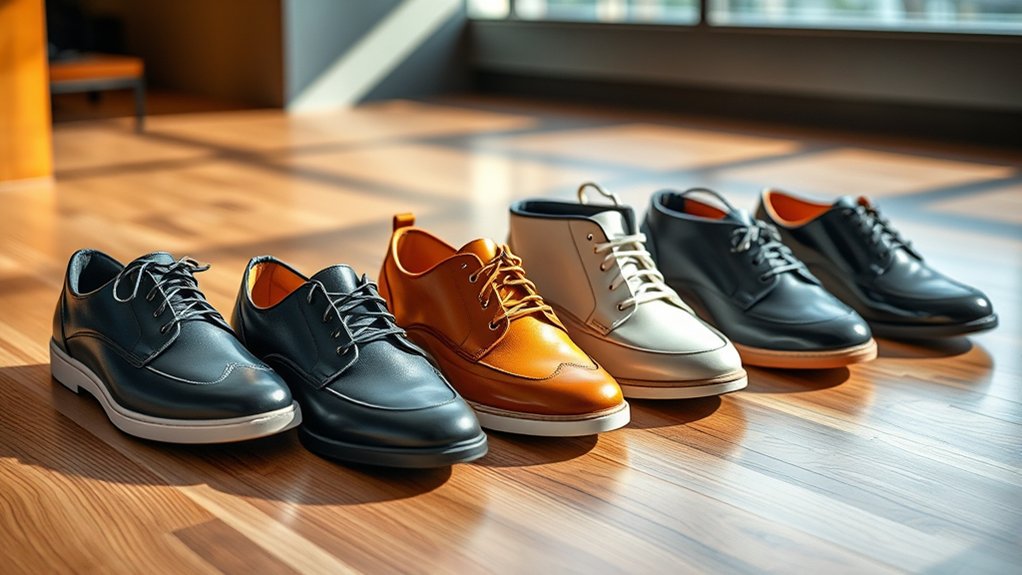
What Is The Best Shoe Brand – Top Brands Compared
Choosing the best running shoe brand depends on your foot type, running style, and terrain. Brands like ASICS and Brooks cater to overpronators with structured support, while Altra’s zero-drop design suits neutral runners seeking natural movement.
Trail runners benefit from HOKA or Salomon’s rugged durability. Prioritize fit and comfort over brand prestige, and use trial periods to find your ideal match.
With innovative cushioning, sustainability efforts, and tailored designs, exploring these factors will help you pick the perfect shoe. It’s all about what feels right for you!
Key Takeaways
- The best shoe brand depends on foot type, with ASICS and Brooks ideal for overpronators and Altra for neutral runners.
- HOKA and Salomon excel in trail running, offering durable, terrain-specific support and cushioning.
- Innovative technologies like ASICS GEL, Brooks DNA LOFT, and Saucony SPEEDROLL enhance shock absorption and running efficiency.
- Proper fit, including width options and biomechanical alignment, is crucial for comfort, injury prevention, and long-term foot health.
- Brands like New Balance, Brooks, and ON Running provide versatile, cushioned shoes suitable for road, treadmill, and mixed surfaces.
How to Choose the Right Running Shoe Brand
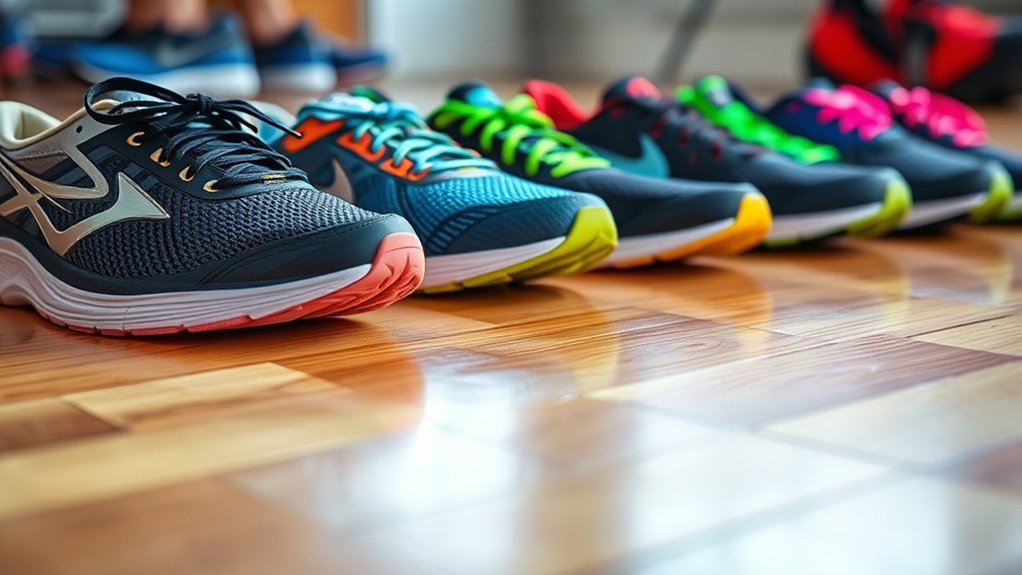
When choosing the right running shoe brand, start by identifying one that caters specifically to your foot shape and pronation type. Whether you need stability for overpronation or a neutral design for normal arches, knowing this helps a lot.
Look for brands with a strong reputation for quality and innovation, like Brooks or ASICS. These brands usually guarantee durability and performance.
Don’t forget to compare prices across these reputable brands so you can balance cost with features.
Also, prioritize brands offering a wide range of sizes and widths, such as New Balance, to make sure you get a proper fit.
It’s a good idea to take advantage of trial periods or satisfaction guarantees, like those from Road Runner Sports. This way, you can test the shoes before buying.
Finally, try to stay updated on the latest models and technologies from your chosen brand. That way, you’ll get the ideal comfort and support you need.
Matching Running Shoe Brands to Your Pronation and Surface Needs
Although selecting the right running shoe brand may seem straightforward, matching your pronation type and running surface requirements is essential for peak performance and injury prevention. Your foot’s biomechanics and where you run directly impact shoe durability and comfort.
So, align your choice with these factors and the brand reputation for reliability.
Consider these points to guide your selection:
- For overpronators, brands like ASICS and Brooks provide structured support and medial posts to stabilize your stride.
- Neutral runners benefit from Altra’s zero-drop design, promoting a natural foot strike.
- Trail runners should look to HOKA or Salomon for durable shoes tailored to rugged terrain.
- Nike and Adidas offer versatile options for road and treadmill.
Choosing wisely ensures adequate support and injury prevention tailored to your needs.
Comparing Running Shoe Brands by Technology and Features
Understanding your pronation and running surface preferences sets a solid foundation. But knowing the technologies and features behind each brand sharpens your selection even further.
ASICS leverages GEL technology in shoe material to enhance shock absorption. This reinforces its brand reputation for support.
HOKA’s maximalist cushioning, with oversized midsoles and a meta-rocker design, offers superior impact protection and smooth progressions.
Brooks uses nitrogen-infused DNA LOFT cushioning, providing a responsive, plush feel that adapts to your stride.
Saucony integrates SPEEDROLL technology and PWRRUN PB foam, focusing on lightweight propulsion and energy return.
New Balance combines Fresh Foam and FuelCell materials, balancing comfort, responsiveness, and durability across running styles.
Evaluating these technologies reveals how each brand’s innovations align with your performance needs and preferences.
Why Fit and Comfort Beat Brand Names When Choosing Shoes
Because your feet vary uniquely in shape and biomechanics, prioritizing fit and comfort over brand names makes a significant difference in shoe performance and injury prevention.
While brand reputation and price considerations often influence your choice, they shouldn’t outweigh how well a shoe accommodates your foot.
Brands like FitVille and Brooks emphasize personalized support, reducing injury risks more effectively than popular names alone.
When choosing shoes, focus on:
- Accurate sizing with wide toe boxes to prevent discomfort
- Secure heel support for stability
- Cushioning and arch support tailored to your foot’s needs
Even top brands like Nike or Adidas mightn’t fit everyone perfectly.
Ultimately, comfort and fit ensure better performance and long-term foot health, regardless of brand prestige or cost.
Which Brands Excel for Road, Trail, and Versatile Running
You’ll find road running specialists like Brooks and New Balance delivering cushioned support that’s perfect for pavement.
When it comes to trail running, brands like Salomon really shine—they focus on grip and stability to help you tackle rugged terrain with confidence.
And if you’re looking for something more versatile, brands like HOKA and ON Running mix cushioning and adaptability, so you can easily switch between road and trail without missing a beat.
Road Running Specialists
When selecting shoes for road running, you want brands that balance cushioning, support, and responsiveness to match various terrains and training demands. Understanding each brand’s history and the shoe material they use helps you choose the best fit for your runs.
For instance, Hoka’s maximalist cushioning suits long distances. Brooks focuses on supportive, cushioned models like the Ghost and Adrenaline GTS for versatile training. ASICS incorporates Gel technology for shock absorption, which is ideal for stability on roads.
Consider these specialists:
- Hoka: Maximal cushioning and innovative shoe material for endurance.
- Brooks: Trusted brand history emphasizing support and cushioning.
- ASICS: Gel technology delivering stability and shock absorption.
These brands excel in providing reliable road running shoes tailored to your performance needs. So, picking from them means you’re set for a great run every time.
Trail Running Innovators
Although trail running demands shoes that can handle unpredictable terrain, many brands have innovated to deliver models excelling across trail, road, and mixed environments. Salomon leads with innovation breakthroughs in grip and stability, ensuring confidence on rugged trail terrain.
Hoka combines maximalist cushioning with lightweight design, offering you impact protection and comfort over uneven surfaces. Merrell emphasizes rugged durability and waterproof features, ideal for both trail and mountain runs.
Altra’s zero-drop platform and FootShape™ toe box encourage natural foot movement, making their shoes versatile across varied terrains. On integrates CloudTec® technology for a soft landing and explosive push-off, balancing trail toughness with road responsiveness.
These brands push boundaries so you can tackle diverse trail terrain with reliable, innovative support.
Versatile All-Surface Shoes
Since many runners want shoes that can handle both road and trail efficiently, brands have created versatile models that blend cushioning, grip, and durability. Whether you’re running cross country or hitting urban routes, picking the right shoe really matters.
Check out these top performers: HOKA’s maximalist cushioning offers great comfort and shock absorption on mixed terrains. They’re perfect for long runs, whether you’re on pavement or rugged trails.
Salomon stands out with durable outsoles and advanced grip. Their shoes work well for technical trail sections and those occasional road stretches.
Altra’s zero-drop design and wide toe box help promote natural foot movement. This boosts stability and comfort on both hard roads and uneven trails.
These brands combine technology and design to give you confident performance wherever you run.
How Running Shoe Brands Use Innovation to Improve Your Run
Because running shoes play a critical role in your performance and comfort, brands continuously push technological boundaries to enhance every step you take. Innovations like ASICS’ GEL and HOKA’s maximalist cushioning reduce impact, while Saucony’s SPEEDROLL tech and nylon plates boost propulsion and energy efficiency. Nike’s React foam and Air Zoom systems offer responsive support tailored to your running style.
ON’s CloudTec® soles deliver soft landings and explosive take-offs, optimizing terrain adaptability. Beyond performance, many brands integrate sustainable materials, reducing environmental impact without sacrificing durability.
Plus, wearable tech embedded in some models tracks metrics like stride and cadence, giving you real-time feedback to refine your form. These advances, combined with designs like Altra’s foot-shaped toe box and zero-drop platform, improve biomechanics and natural foot movement. That makes every run more efficient and comfortable.
Tips for Trying and Choosing Your Perfect Running Shoe
Innovations in running shoe technology can only benefit you if the shoes fit well and match your unique biomechanics. When trying and choosing your perfect running shoe, consider more than just the flashy shoe color options or brand sponsorship influence. Focus on fit and function first.
Here are key tips to guide you:
Try shoes at day’s end when your feet are swollen to get the most accurate fit. Consider sizing up if you have wide feet or wear thick socks. Testing them by walking or jogging helps you evaluate heel fit, arch support, and toe box room.
Also, understand your arch type and pronation so you can pick shoes with the right stability features. Use trial periods or return policies to make sure the shoes truly suit your running style before committing.
Frequently Asked Questions
Which Shoe Brand Has the Highest Overall Brand Awareness?
You’ll find Nike has the highest overall brand awareness, thanks to strong brand loyalty despite price sensitivity. Consumers recognize Nike widely, valuing quality and style.
This keeps them consistently ahead of competitors like Adidas and others in the market. Nike just seems to have that edge when it comes to staying top of mind.
How Do Nike and Adidas Compare in Consumer Preference?
You’ll find Nike leads in consumer preference, offering superior shoe comfort that boosts brand loyalty. Consumers favor Nike more strongly and plan future purchases with it, reflecting a deeper trust compared to Adidas’s appeal.
People just seem to connect with Nike on a different level. It’s not just about the shoes; it’s the whole experience and confidence that comes with the brand. Adidas has its fans, of course, but Nike clearly has the edge when it comes to winning over customers.
What Factors Influence Future Repurchase Likelihood of Shoe Brands?
You’ll find future repurchase likelihood hinges on strong brand loyalty, which boosts purchase frequency.
Quality, customer satisfaction, and brand reputation shape your loyalty. They encourage you to stick with brands that consistently meet your expectations and values.
Which Brands Are Most Popular Among Sneaker Owners?
You might think popularity ignores sustainability, but Nike and Adidas lead sneaker owners by blending eco-friendly materials with celebrity endorsements.
They prove you can have style, social impact, and broad appeal all in one trusted brand choice. It’s pretty cool how they manage to balance it all.
How Do Puma, Reebok, and Jordan Rank in Market Position?
You’ll find Jordan leads in brand loyalty with premium appeal and design innovation. Puma ranks strong in trendy, style-forward segments. Meanwhile, Reebok focuses on affordable athletic wear.
They balance classic designs against Puma and Jordan’s market positions. Each brand carves out its own space, appealing to different types of customers. It’s interesting to see how they play off each other in the market.
Conclusion
When choosing your perfect running shoe, remember that 65% of runners prioritize fit over brand loyalty because comfort truly drives performance.
You’ve seen how pronation, surface, and technology shape your options. But don’t get lost in names alone. Instead, concentrate on what feels right for you.
Testing shoes with your unique stride and needs guarantees you’ll find the brand and model that not only supports but enhances every run you take.