

Can You Eat Crocs The Shoe – Facts And Explanation
You can’t safely eat Crocs shoes because they’re made from Croslite™, a non-toxic but indigestible material. It offers no nutrition and can cause choking or digestive blockages.
Even though they have a surprisingly high calorie count, Crocs provide zero nutrients. Plus, they aren’t designed for consumption or survival.
Burning them releases harmful toxins, so they’re also not a good choice as fuel. If you want to understand why Crocs are dangerous to eat and how they compare to real food, keep exploring the facts.
Key Takeaways
- Crocs are made from indigestible Croslite™, a non-toxic but non-food material unsuitable for eating.
- Swallowing Crocs can cause choking, digestive blockages, nausea, and other gastrointestinal issues.
- Despite containing about 3,600 calories per shoe, Crocs provide no nutritional value or edible benefits.
- Eating Crocs offers no calories or nutrients and poses significant health risks with no survival advantage.
- Crocs should never be eaten; they are designed for wear, not consumption, and can harm your health.
What Are Crocs Made Of And Why It Matters
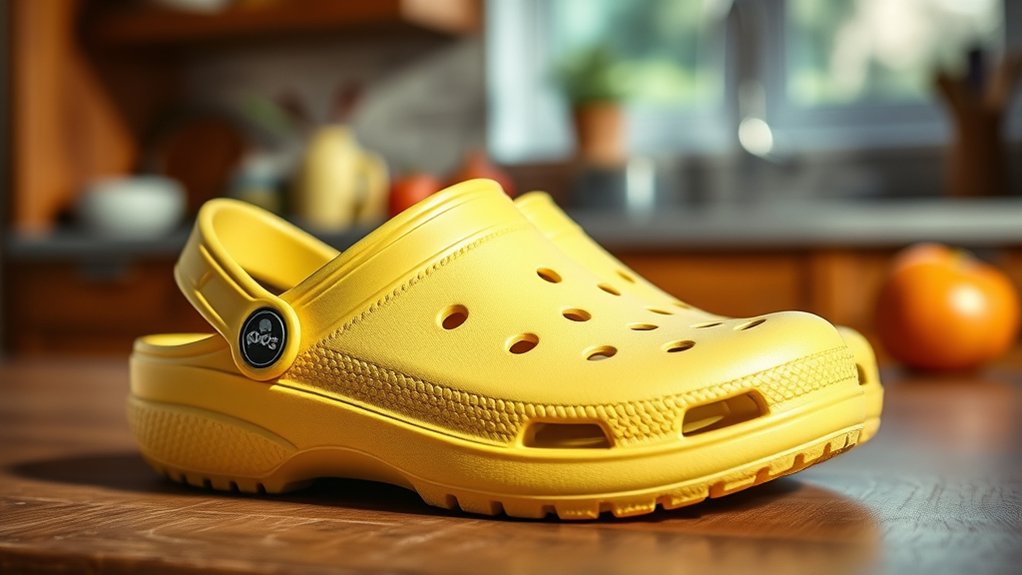
Although Crocs may look like simple shoes, the material they’re made from, Croslite™, is pretty unique. This proprietary, lightweight foamed resin isn’t rubber or plastic but closely resembles EVA foam. EVA foam is known for its fashion durability.
Crocs’ unique Croslite™ material offers lightweight comfort and durability, setting them apart from ordinary shoes.
You’ll find Croslite™ offers exceptional cushioning and long-lasting wear. That’s one big reason why Crocs remain popular worldwide.
Importantly, Crocs have evolved in terms of material sustainability. Since 2021, the company switched to a bio-based version of Croslite™, which is derived from plant materials. It’s now 98% renewable, which is pretty impressive.
This shift reduces environmental impact without compromising comfort or durability. So, when you wear Crocs, you’re stepping into footwear that balances style, resilience, and a growing commitment to eco-friendly materials.
That’s what sets them apart in both fashion and sustainability spheres.
Is It Safe To Eat Crocs Shoes?
You might be wondering if it’s safe to eat Crocs shoes. Well, they’re made from a non-toxic material, but that doesn’t mean they’re meant to be eaten. Your body can’t actually digest them, so swallowing pieces could cause discomfort or even blockages.
Experts and the manufacturers themselves clearly advise against eating Crocs since they don’t offer any nutritional value and could pose health risks.
Toxicity And Health Risks
How safe is it to eat Crocs shoes? Despite their popularity in fashion trends and impressive material durability, Crocs aren’t made for eating. They’re crafted from Croslite™, a non-toxic but indigestible material.
If you try to eat them, you risk serious health issues since they can cause choking, digestive blockages, or damage to your gastrointestinal tract.
Though non-toxic, Crocs contain no nutritional value and aren’t intended for human consumption. Medical experts strongly advise against eating them.
Additionally, heating or burning Crocs releases toxic fumes, which poses further health hazards.
Digestibility And Nutritional Value
Since Crocs shoes are made from Croslite™, a non-toxic but indigestible polymer, your body can’t break them down or extract any nutrients. Despite their popularity in fashion trends due to comfort and material durability, eating Crocs is neither safe nor beneficial. Here’s why:
Croslite™ is indigestible, so your digestive enzymes won’t break it down. Crocs provide zero nutritional value or calories, making them useless as food. Swallowing pieces can cause choking, intestinal blockage, or discomfort.
While non-toxic, Crocs aren’t designed for consumption and pose physical risks. In short, Crocs are excellent for durable footwear but entirely unsuitable and unsafe to eat.
Stick to wearing them, not tasting them.
Manufacturer Safety Recommendations
Although Crocs are made from a non-toxic material called Croslite™, the manufacturer clearly states that they aren’t designed or approved for consumption. Despite their popularity in fashion trends, Crocs are strictly intended for footwear use.
The material durability that makes Crocs comfortable and long-lasting also means they’re indigestible and pose health risks if eaten, such as gastrointestinal blockages or discomfort. The manufacturer emphasizes that Crocs contain no nutritional value and strongly discourages any attempt to consume them.
There are no official safety recommendations endorsing eating Crocs. So, while you may admire their style and practicality, remember that Crocs are safe only when worn, not eaten.
Prioritize your health by following these clear safety guidelines from the maker.
What Happens If You Eat Croslite?
If you eat Croslite™, your body can’t break it down because it’s an indigestible, non-toxic material. So, while it won’t poison you, swallowing it might still cause some problems like nausea or vomiting.
In some cases, it could even lead to digestive blockages. Also, it doesn’t provide any nutritional value and just passes through your system unchanged.
Toxicity And Digestibility
When you eat Croslite™, the unique material Crocs are made from, your body can’t break it down because it’s indigestible. Despite its impressive fashion durability and innovative material composition, Croslite™ passes through your digestive system without being absorbed.
Here’s what happens:
- Croslite™ is non-toxic, so it doesn’t release harmful chemicals inside you.
- Your body can’t digest it since enzymes don’t break down this chemically inert material.
- Eating it offers no nutritional value, it’s just a foreign object.
- Though safe in terms of toxicity, it may cause discomfort like nausea or constipation due to its indigestibility.
Health Risks Of Ingestion
Because Croslite™ is indigestible and contains hydrocarbons, eating Crocs can cause serious health issues. If you swallow parts of Croslite™, you may experience nausea, vomiting, and stomach pain due to gastrointestinal distress.
Large amounts can lead to dangerous intestinal blockages, requiring medical attention.
Chewing on hot Crocs might release toxic fumes that harm your lungs and digestive system, adding another layer of risk.
While these shoes are popular for their fashion trends and impressive footwear durability, remember they’re not designed for consumption.
The hydrocarbons in Croslite™ can cause chemical irritation or poisoning if ingested.
Ingesting Crocs offers no health benefits and poses significant dangers, so it’s vital to avoid eating any part of this material.
Nutritional Value Assessment
Although Crocs are made from a lightweight, foam-like material called Croslite™, you won’t gain any nutritional benefit from eating them. The material composition of Croslite™ is designed for fashion safety, not consumption.
Here’s what happens if you eat Croslite™: it contains no nutritional value and provides no calories. Your body’s enzymes can’t break down the hydrocarbon polymers, making it indigestible.
Eating it may cause gastrointestinal issues like blockage, constipation, or diarrhea. The energy content is negligible, so it won’t fuel your body.
In short, Croslite™ is strictly non-edible and poses health risks without any nutritional gain. So, stick to wearing Crocs to guarantee fashion safety, and never consider eating them.
Caloric Content Of Crocs Shoes
If you ever wonder about the caloric content of a Crocs shoe, consider that a single 400-gram Crocs contains roughly 3,600 calories based on its hydrocarbon energy density. This amount rivals nearly 13 McDonald’s cheeseburgers, showing that Crocs pack a surprising energy punch despite being a fashion statement.
The material composition, Croslite™, resembles wax or oil in energy content but isn’t edible or nutritious.
Both shoes in a pair could theoretically supply over 7,000 calories, enough for about three days’ worth of food.
However, while their energy density is high, Crocs offer no nutritional value and are unsafe to consume.
Can Crocs Be Used As Fuel?
When you consider the composition of Crocs, made from the hydrocarbon-based polymer Croslite™, you might wonder if they can serve as a fuel source. While burning Crocs does release energy, similar to other plastics, using them as fuel isn’t practical or safe.
Crocs, made from Croslite™, release energy when burned but aren’t practical or safe as fuel.
Here’s why you shouldn’t consider Crocs a viable Croc replacement for fuel:
- Crocs release toxic fumes, including dioxins, when burned.
- The combustion produces hazardous residues harmful to health and the environment.
- Crocs aren’t designed for controlled burning outside specialized facilities.
- Unlike organic shoe nutrients, Crocs contain no beneficial energy for your body or ecosystem.
In short, Crocs might burn, but they don’t make a safe or smart fuel option. So, it’s better to think twice before tossing your Crocs into a fire.
How Do Crocs Compare To Real Food Calories?
You might be surprised to learn that a single Croc shoe contains about 3,600 calories, which is more than six times the calories in a Big Mac and even surpasses the energy in bacon.
This high caloric value comes from the hydrocarbon polymers used in Crocs, similar to how fats store energy.
While this might sound impressive, Crocs are designed for fashion statements and footwear durability, not nutrition.
Unlike real food, they provide no essential nutrients or dietary benefits.
So, although their calorie content outmatches many common foods, you shouldn’t consider Crocs as a food source.
Their value lies in comfort and long-lasting wear, not in feeding your body.
Understanding this helps you appreciate Crocs for what they truly are, durable footwear, not edible fuel.
Why Crocs Are Not A Real Survival Food
Although Crocs contain a high caloric energy equivalent, they aren’t a viable survival food because their Croslite™ material is indigestible and offers no nutritional value. Despite their popularity in fashion trends and impressive material durability, eating Crocs won’t sustain you. Here’s why:
Crocs may be trendy and durable, but their indigestible material provides no real nutrition for survival.
- Croslite™ is a synthetic resin foam that your body can’t digest.
- Eating Crocs can cause gastrointestinal distress and potential health risks.
- The shoes contain no proteins, vitamins, or minerals essential for survival.
- Prioritizing actual edible food is safer and more practical in survival situations.
In short, while Crocs may be durable and trendy, they fail as a survival food source and shouldn’t replace real nourishment.
Frequently Asked Questions
Can Crocs Shoes Cause Allergic Reactions if Ingested?
Yes, you can experience allergic reactions if you ingest Crocs shoe material, especially if you’re sensitive to rubber or resin compounds. While rare, these materials might trigger irritation or swelling in your mouth or digestive system.
It’s not common, but if you notice any discomfort after swallowing bits of the shoe, it’s a good idea to check with a healthcare professional. They can help figure out if it’s an allergic reaction or something else. Just be careful and avoid eating any shoe material in the first place!
Are There Any Cultural Traditions Involving Eating Crocs?
You won’t find any cultural traditions eating Crocs, despite their bold fashion statements. While you might joke about it like a medieval feast, remember their environmental impact outweighs any edible appeal or cultural relevance.
How Long Would Crocs Material Take to Pass Through Digestion?
Crocs material can take several days to pass through your digestion process due to its indigestible nature.
For your footwear safety, avoid ingestion, as it could cause blockages and complicate your digestive system’s normal function.
It’s best to keep Crocs away from curious kids or pets who might try to swallow them. Just a small piece can create a big problem down the line. So, always be cautious!
Can Pets Safely Chew or Eat Crocs Shoes?
Though Crocs look like comfy shoes, they pose fashion hazards for pets. You shouldn’t let them chew or eat Crocs, because the material safety risks include choking and serious digestive blockages.
It’s really important to keep them away from these shoes to avoid any accidents. Trust me, it’s not worth the risk! Keep an eye on your pets and make sure Crocs stay out of their reach.
Are There Any Legal Issues Related to Eating Crocs Shoes?
You won’t face direct legal issues eating Crocs, but causing a fashion controversy or environmental impact through destruction could attract penalties.
Be cautious, as harming yourself or public safety might lead to legal consequences.
Conclusion
So, swallowing Crocs is definitely a silly and unsafe stunt. Since Crocs are made from Croslite, which is a chemical concoction, eating them can cause serious stomach problems, not satisfaction.
Counting calories? Crocs don’t have any you can actually consume. Instead, think of them as something for comfort or quirky fashion, not as fuel or food.
If you ever find yourself in a survival situation, stick to foods that actually support your strength. Choosing Crocs wisely keeps you safe and sound—remember, they’re shoes, not snacks!