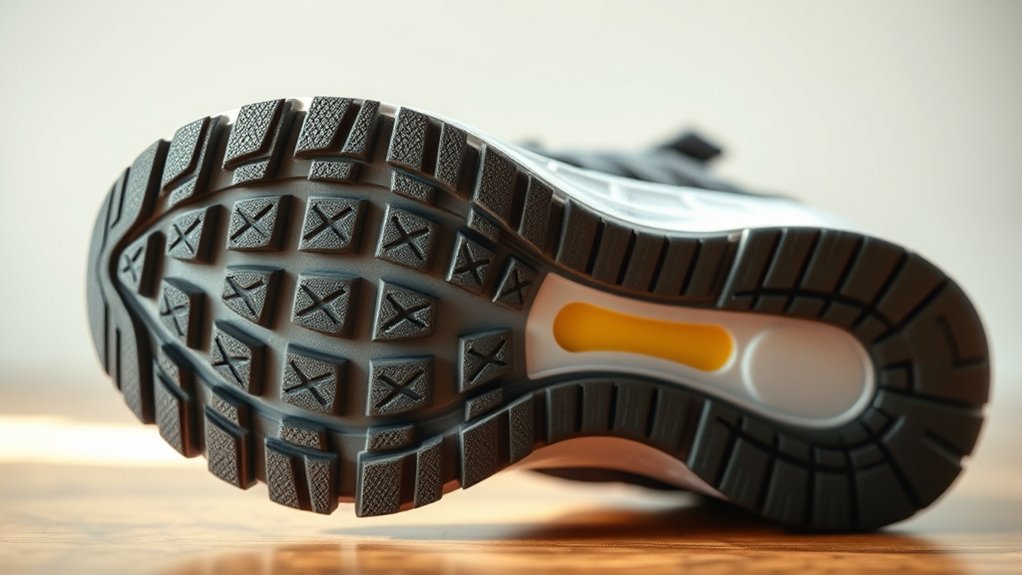
What Is The Bottom Of A Shoe Called – Parts Explained
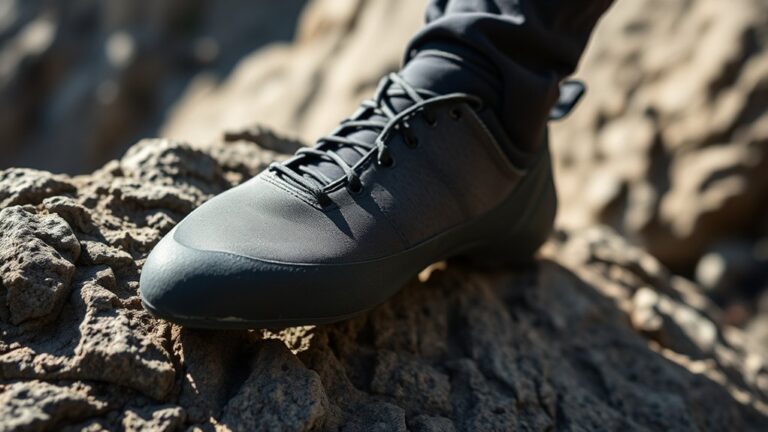
The bottom of your shoe is called the outsole. It’s the layer that directly contacts the ground and is designed for durability and traction.
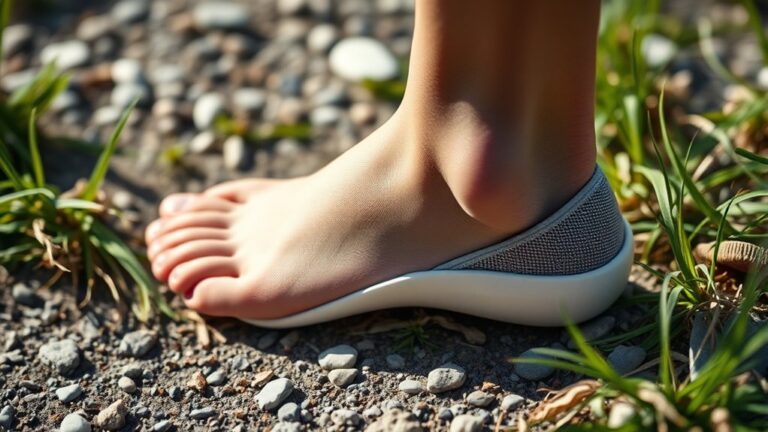
Beneath it, the midsole cushions and absorbs shock. The insole supports your foot’s arch, making the shoe more comfortable.
Outsoles are made from materials like rubber, leather, EVA foam, or polyurethane. Each material impacts comfort, performance, and wear differently.
Recognizing outsole wear and proper maintenance helps extend your shoe’s life and functionality. Keep exploring to understand more about sole design and care.
Key Takeaways
- The bottom part of a shoe that contacts the ground is called the outsole, providing durability and traction.
- Shoe soles consist of three layers: outsole (durability), midsole (cushioning), and insole (arch support).
- Outsoles are made from materials like rubber, leather, EVA foam, and polyurethane for performance and style.
- The outsole’s tread pattern affects traction and slip resistance, impacting comfort and safety.
- Proper maintenance and monitoring of the outsole extend shoe lifespan and maintain support and functionality.
What Is the Bottom of a Shoe Called?
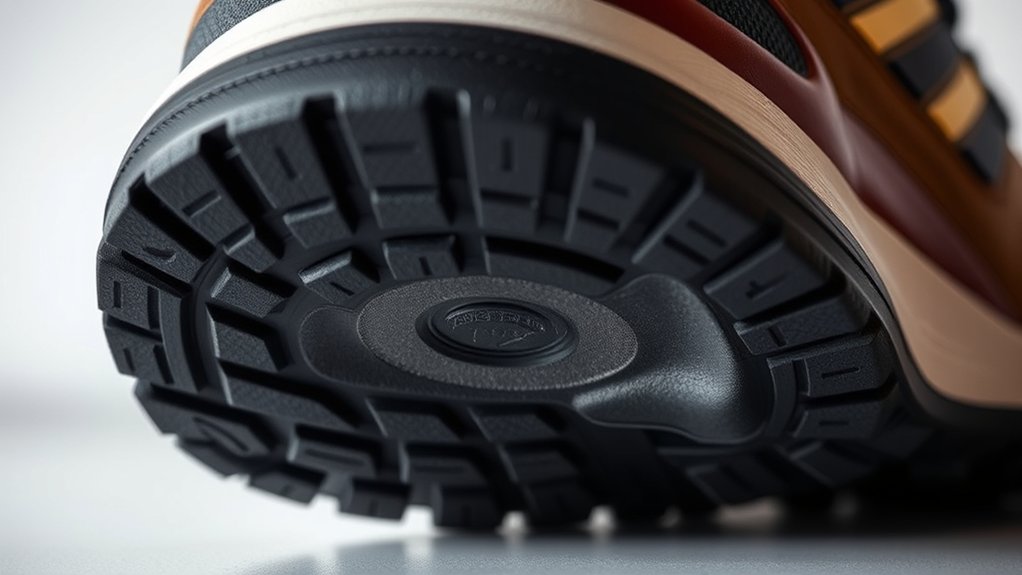
What exactly is the bottom of a shoe called? It’s known as the outsole, the outermost layer that directly contacts the ground. You’ll find outsoles crafted from rubber, leather, or synthetic materials, each chosen for durability and traction.
When thinking about sole aesthetics, the outsole’s design plays a vital role. It’s not just about function but also about how it looks, influencing the overall appeal of the shoe.
The outsole’s design shapes both the shoe’s performance and its visual appeal.
Sole customization lets you tailor tread patterns, grooves, and textures. This can really boost grip and slip resistance depending on what you need.
The outsole forms the shoe’s foundation, providing essential protection while also adding to style and performance.
Understanding its importance helps you see how sole aesthetics and sole customization work together to balance form and function in footwear design. It’s pretty cool how much goes into the bottom of your shoe!
Understanding the Layers: Outsole, Midsole, and Insole
After exploring the outsole as the shoe’s foundation, it’s important to understand the complete structure by examining the midsole and insole layers. The midsole, positioned between the outsole and insole, primarily delivers cushioning and shock absorption, enhancing your comfort during movement.
It often employs foam, EVA, or polyurethane, reflecting sole material differences that balance support, flexibility, and weight. The insole, or footbed, is where your foot directly rests; it frequently includes arch support and additional padding.
Footbed customization is vital here, allowing adjustments for comfort and anatomical alignment.
Together, these layers form a system where the outsole provides durability and traction, the midsole manages impact forces, and the insole guarantees personalized comfort.
This really highlights the technical complexity behind what seems like a simple shoe sole.
Common Materials Used in Shoe Soles
How do different materials impact the performance and comfort of shoe soles? The choice of sole material directly influences durability, cushioning, and traction. You’ll find common materials like rubber, leather, EVA foam, polyurethane, and thermoplastic rubber (TPR) each offer distinct advantages.
Consider these key materials: Rubber provides excellent traction and flexibility, ideal for durable outsoles. Leather, used in formal footwear, offers breathability and a refined look but lacks moisture resistance. EVA foam delivers lightweight cushioning, enhancing shock absorption in midsoles.
Innovative sole designs now increasingly incorporate eco-friendly materials, reducing environmental impact without sacrificing functionality. When selecting soles, understanding these materials helps you balance performance with sustainability.
This way, your shoes meet both comfort and ecological standards.
How Shoe Sole Design Affects Comfort and Performance
Understanding the materials used in shoe soles sets the stage for examining how their design directly shapes comfort and performance. Sole flexibility plays a pivotal role by allowing your foot to move naturally, enhancing agility and reducing fatigue during varied activities.
Additionally, the tread pattern design impacts traction and slip resistance, providing stability on different surfaces. The midsole’s thickness and material influence shock absorption, cushioning each step to prevent discomfort and strain.
Proper arch support integrated into the sole structure improves gait alignment, minimizing stress on joints and muscles. Choosing materials like rubber or leather balances durability and environmental suitability, ensuring your shoes perform at their best in conditions ranging from wet to dry.
Together, these design elements directly affect how comfortable and effective your footwear feels during wear. So, paying attention to sole design really makes a difference in both comfort and performance.
Signs Your Shoe Soles Need Replacing
You’ll notice visible outsole wear when smooth or thinning areas start to show up. This means the sole’s material is wearing down and not doing its job as well.
You might also feel less cushioning comfort because the midsole gets compressed over time. When that happens, your shoes don’t absorb shock or support your feet as effectively.
These are clear signs that your shoe soles are losing their functionality. It’s a good idea to check them out and consider replacing them before they cause discomfort or injury.
Visible Outsole Wear
When should you consider replacing your shoe soles? Visible outsole wear is a clear sign that your shoe’s durability has taken a hit. The tread pattern no longer provides the grip you need, which can be risky.
Look out for smooth, shiny patches where the tread has worn down. These spots reduce traction and can make slipping more likely. Also, cracks, holes, or exposed midsole and fabric layers mean the outsole’s structure is failing.
Uneven wear, like more wear on one side, might show issues with how you walk and can speed up damage. If you see any of these signs, it’s a good idea to replace the soles. That way, you keep your shoes performing at their best and stay safe out there.
Reduced Cushioning Comfort
Although outsole wear visibly signals the need for sole replacement, reduced cushioning comfort often gives an earlier, subtler warning. When you notice your shoe’s midsole feels compressed or less responsive, it means the shock absorption has deteriorated.
This compromises support and increases foot fatigue.
This loss of sole flexibility affects how your foot moves, which can lead to discomfort. Plus, worn soles often lose traction because of smooth or worn-out outsole areas, making slips more likely.
Uneven or excessive wear patterns also reduce cushioning efficiency and show structural problems.
If you feel a noticeable drop in comfort or your shoes don’t absorb impact well anymore, it’s time to replace the soles. Doing so will restore proper function and help prevent discomfort or injury.
Heel and Other Important Bottom Components
Because the heel plays a crucial role in both elevation and support, understanding its components is essential for evaluating shoe construction. The heel provides critical heel support that affects your posture and gait.
The heel’s design is vital for proper support, influencing your posture and the way you walk.
Plus, the outsole durability directly influences traction and wear resistance.
Key components include:
- Heel Stack: Multiple glued or stitched layers, often leather or rubber, that create the heel’s height and cushioning.
- Heel Top Lift: The bottom-most part contacting the ground, designed for replacement to extend shoe life.
- Heel Counter: A rigid insert stabilizing the heel area, maintaining shape and preventing deformation.
These elements work together to ensure stability, comfort, and long-lasting performance on the shoe’s bottom.
Understanding them helps you appreciate what goes into a good shoe.
Shoe Sole Replacement and Maintenance Tips
You should regularly check your shoe soles for uneven wear, thinning, or any exposed midsole material. This helps you figure out when it’s time for a replacement.
Taking care of worn-out soles right away restores traction and cushioning, which prevents further damage and helps your shoes last longer.
Also, don’t forget proper maintenance like cleaning and conditioning. These simple steps go a long way in keeping your soles in good shape and performing well.
Signs Of Sole Wear
When the outsole shows visible wear patterns like thinning or smooth patches, it’s a clear sign that replacement is necessary to keep proper traction and support. Keeping an eye on sole cushioning and traction patterns helps you understand the sole’s integrity and comfort.
Here are some key signs of sole wear to watch for:
- Exposed midsole or structural damage: This means the outsole has worn through. You’ll want to replace the shoes immediately to avoid further damage.
- Reduced sole cushioning: If your shoes feel less comfortable or wear unevenly, the compression in the outsole is affecting stability and shock absorption.
- Uneven tread wear: When one side wears more than the other, it might point to gait issues that need fixing along with replacing the sole.
Checking for these signs regularly helps you maintain your shoes on time and prevents any drop in performance or risk of injury.
Extending Shoe Lifespan
How can you considerably extend the lifespan of your shoes? Start by regularly inspecting the outsole for excessive wear or exposed midsole. These signs usually mean it’s time for resoling.
Replacing worn-out soles with new ones helps preserve the sole, protects the upper, and keeps the shoe’s structure strong. To make your shoes last even longer, try applying outsole protectors or tread restorers. These not only enhance traction but also slow down outsole wear.
Don’t forget to clean and condition leather soles and uppers regularly. This prevents cracking and keeps the leather flexible.
For the best results, consider professional resoling services. Professionals can expertly repair or replace outsoles, making your shoes look and feel almost new again.
Frequently Asked Questions
How Do Shoe Sole Designs Vary by Sport or Activity?
You’ll find shoe sole designs adapt by sport, blending material innovations and fashion trends for function. Running soles cushion shock, hiking soles grip rough terrain, and basketball soles support ankles, all optimized for specific movements and surfaces.
It’s pretty cool how each type of sole is made to handle exactly what the activity demands. Whether you’re pounding the pavement or climbing a trail, the sole’s got your back. And the styles keep evolving with new tech and trends, making shoes both practical and stylish.
What Environmental Factors Affect Shoe Sole Durability?
You’ll find that environmental factors like moisture, UV radiation, extreme temperatures, and chemicals affect shoe sole durability by altering material composition and accelerating wear patterns.
These changes often lead to cracking, brittleness, fading, and surface degradation over time. It’s pretty interesting how just the environment can have such a big impact on your shoes.
Can Shoe Soles Be Recycled or Repurposed?
You can recycle shoe soles through shoe sole recycling programs. These programs help keep old soles out of landfills and give them a new life.
Another cool option is to repurpose soles into playground surfaces or athletic tracks. It’s a smart way to reuse materials and create safer spaces for kids and athletes.
You can also explore sole repurposing ideas like using crumb rubber for new footwear components. Some people even look into eco-friendly, biodegradable materials to make shoes more sustainable.
How Does Sole Thickness Impact Foot Health?
You’ll find that sole thickness directly influences arch support and heel cushioning, which are super important for reducing joint strain.
If the soles are too thick, they might limit how flexible your feet can be. On the other hand, really thin soles might not provide enough cushioning.
That lack of cushioning can affect your overall foot health. So, it’s all about finding the right balance for your feet.
Are There Specific Soles Designed for Orthopedic Needs?
Oh sure, just slap any sole under your foot! But seriously, orthopedic soles use material innovation and aesthetic variation to provide arch support, cushioning, and stability.
They’re precisely engineered for improved alignment and pressure distribution. All tailored to your unique needs.
Conclusion
Now that you know the bottom of a shoe includes the outsole, midsole, and insole, each with specific materials and functions, you can better assess comfort and durability.
Remember, when the sole starts to wear down, it’s time to replace or maintain it. You don’t want to be walking on thin ice, right?
Proper care guarantees your shoes perform at their best and protect your feet. That way, you stay steady step after step in any activity.