How Much Room Should Be In The Toe Of A Shoe – Proper Fit Guide
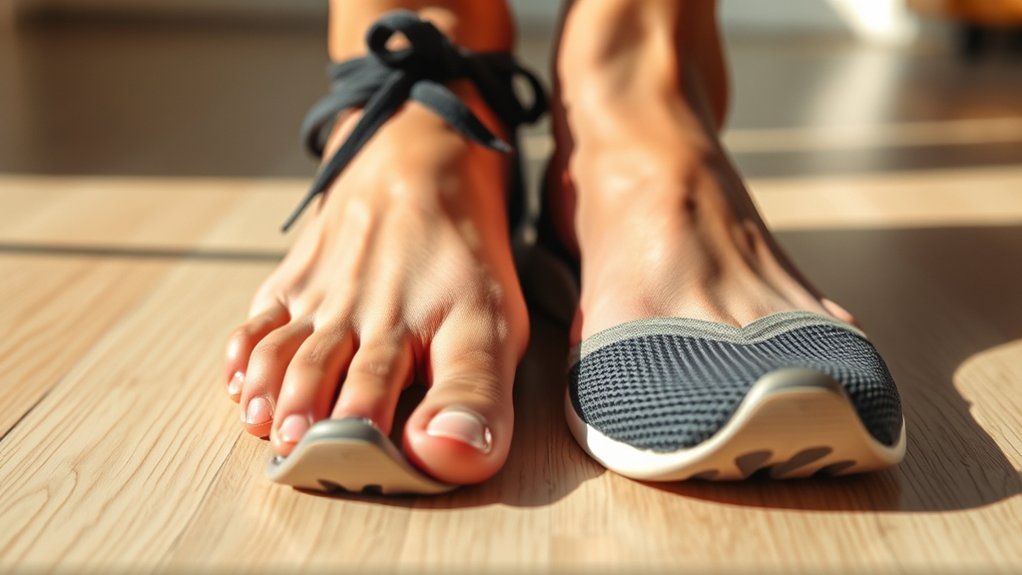
You should have about a half-inch of space between your longest toe and the front of your shoe to guarantee comfort and foot health. This gap lets your toes wiggle naturally and prevents pressure that can cause bunions or blisters.
Too little room leads to pain and numbness; too much causes instability and slipping. Measuring properly and choosing flexible materials help maintain this balance.
Keep exploring to discover how to assess, fix, and select shoes with the right toe space.
Key Takeaways
- Aim for about a half-inch space between the longest toe and shoe front for comfort and healthy toe movement.
- Proper toe space prevents pressure buildup, reducing risks of bunions, blisters, and numbness.
- Test fit by standing naturally and wiggling toes to ensure they move freely without sliding or pinching.
- Avoid excessive space as it causes foot sliding, instability, and increases injury risk.
- Use insoles or stretching techniques to adjust toe space for a better fit if shoes feel too tight or loose.
Ideal Toe Space for Comfort and Foot Health
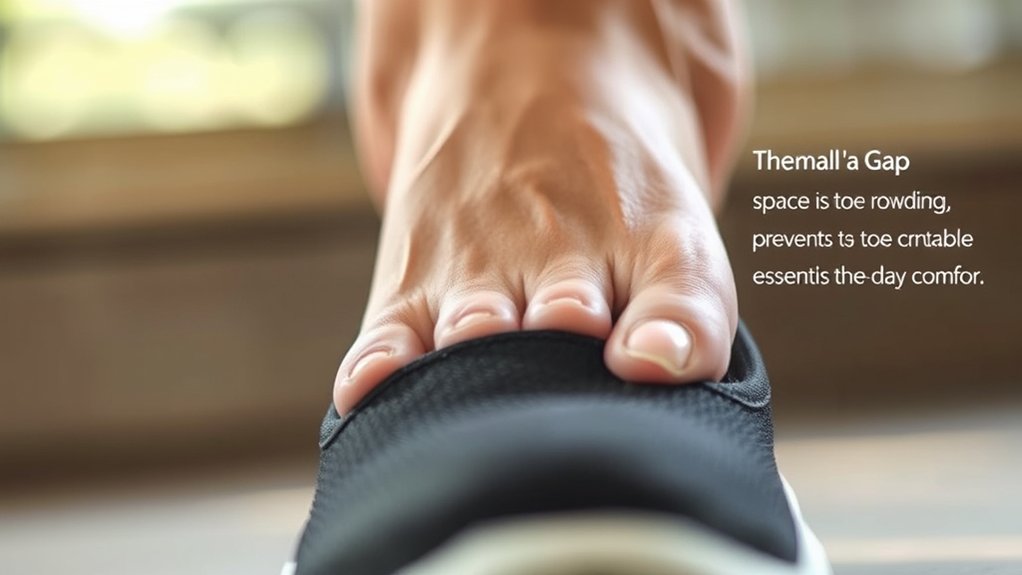
When you try on shoes, making sure about half an inch of space between your longest toe and the shoe’s front is essential for comfort and foot health. This gap aligns with ideal toe box ergonomics, allowing your toes to wiggle freely without feeling cramped or unstable.
Proper toe space helps distribute pressure evenly, preventing common issues like bunions, blisters, and other deformities caused by pinching.
You’ll also want to think about shoe flexibility. A flexible sole complements the toe box by adapting to your foot’s natural movements, enhancing comfort and stability.
Too much space, however, can cause your foot to slide, leading to blisters and instability.
How to Measure Toe Space at Home and In Store
To measure toe space at home, start by tracing your foot on a piece of paper. Then, mark the tip of your longest toe.
You’ll want to compare this measurement to the inside length of the shoe. Make sure there’s about half an inch of extra room to keep things comfortable.
Now, when you’re shopping in-store, stand up and wiggle your toes inside the shoe. This helps you check if there’s enough space without feeling tight or pinched.
You can also use a ruler or just your finger to see if the toe box lets your toes move naturally. Usually, you’re aiming for somewhere between 3/8 and 1/2 inch of space.
Measuring Toe Space
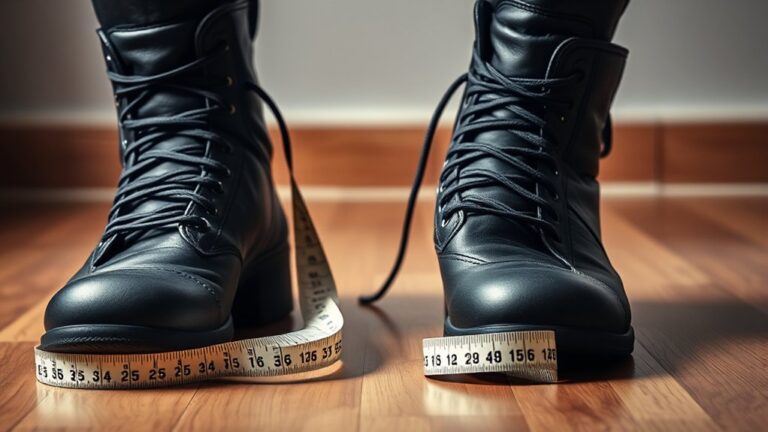
How can you guarantee your shoes provide the right amount of toe space for comfort and support? Start by measuring the distance between your longest toe and the shoe’s toe box while standing naturally. Use a ruler or tape measure to make sure there’s about 1/2 inch, roughly a thumb’s width, of space.
At home, place paper inside the shoe and mark your longest toe’s tip. Then measure from the heel to the mark for an accurate toe length. Don’t forget to measure both feet since one may be larger.
Also, consider shoe width to make sure your toes aren’t cramped side to side. This method helps you pick shoes that offer enough room for toe movement without pinching. It promotes overall foot health and comfort throughout the day.
In-Store Fit Checks
After measuring your toe space at home, it’s important to confirm the fit while trying shoes in-store. Stand naturally with your heel snugly in place and wear socks similar to those you’ll use regularly. Check the toe box shape to verify it matches your foot’s contours without pinching.
Use your finger to make sure there’s roughly a finger’s width of space between your longest toe and the shoe’s front. Remember, different shoe materials affect flexibility and comfort, so think about how stiff or soft the material feels.
Walk around to see if your toes have enough room to move freely without feeling cramped. Comparing your home measurements with this in-store check helps confirm the proper toe space and overall fit before you buy.
Signs Your Toe Box Is Too Tight or Too Loose
When your toe box feels pinched or numb, it’s a clear sign that the fit is too tight. This can cause discomfort and even long-term issues like bunions. Tight toe box materials restrict natural toe movement and circulation, which often leads to blisters and pain.
On the other hand, if your toes slide forward or have too much room, the toe box is probably too loose. This extra space can cause friction and blisters, and it also reduces stability. That means you might be at a higher risk of injuries.
Too much room in the toe box leads to friction, blisters, and decreased stability, increasing injury risk.
A proper fit usually allows about half an inch of space to accommodate foot swelling and movement while still providing support.
Keep in mind, even if your shoes have great arch support, a poorly fitting toe box can ruin overall comfort and foot health.
Common Problems Caused by Poor Toe Space
Although you might not notice it right away, poor toe space in your shoes can lead to several foot problems that affect both comfort and health. A toe box that’s too tight squeezes your foot width, causing bunions, corns, and nerve issues like numbness.
On the other hand, a toe box that’s too roomy may cause instability, which increases the risk of stubbing your toe or even falling. Both extremes can result in deformities over time.
| Problem Type | Cause |
|---|---|
| Bunions & Corns | Tight toe box, restricted foot width |
| Numbness & Tingling | Nerve compression from tight space |
| Instability & Falls | Excessive toe box room |
Why Your Toes Need Space to Stay Comfortable
Because your toes need to move freely, providing about half an inch of space in the toe box is essential to prevent cramping and discomfort. This space supports toe flexibility, allowing your toes to wiggle and adjust naturally as you walk.
When your toes can move, you reduce pressure on the toe joints and help maintain proper alignment. Plus, having ample toe room prevents constriction that can impair blood flow, which might cause numbness or pain.
Proper toe space also supports your foot arch by promoting balanced weight distribution. This, in turn, enhances overall foot comfort during daily activities.
Without this necessary room, you risk developing foot deformities like bunions and blisters. So, making sure your shoes offer enough space in the toe area is key to keeping your feet healthy and comfortable.
Fixing Toe Space Issues With Insoles and Stretching
If you find your shoes feeling too tight in the toe area, you can improve comfort by adding insoles or stretching the shoes. Insole adjustments help redistribute pressure and can create more space in the toe box.
Shoe stretching, either with a stretcher or professional service, expands the toe area to better accommodate your foot.
To address toe space issues effectively, consider these tips:
- Use thicker socks and apply heat to leather shoes for temporary expansion
- Add thin insoles to lift the foot slightly and relieve tightness
- Employ a shoe stretcher to widen the toe box gradually
- Visit a cobbler for professional shoe stretching if needed
Regular insole adjustments and shoe stretching help maintain proper toe room, preventing discomfort and accommodating foot swelling.
Choosing Shoes With Proper Toe Space When Shopping Online
When you shop for shoes online, accurately measuring your foot’s length and width is essential to guarantee the right toe space. Aim for about half an inch of room in the toe box to allow natural toe movement and prevent discomfort. Use size guides and customer reviews to determine if the shoe runs true to size or if you need to size up or down.
Measure your foot accurately and allow half an inch in the toe box for comfort when buying shoes online.
Check product descriptions for specific toe box measurements. Opt for shoes with a slightly rounded or wider toe box to avoid pinching, especially if fashion trends favor narrow styles.
Also, consider material choices. Flexible fabrics like leather or mesh can offer more comfort and adaptability in the toe area.
This approach ensures you select shoes that fit well and feel comfortable despite online shopping challenges. It might take a little extra effort, but your feet will thank you!
Frequently Asked Questions
Can Toe Space Affect Athletic Performance?
Yes, toe compression limits your foot flexibility, reducing push-off power and balance. Ensuring proper toe space prevents discomfort and improves agility.
This helps you maintain control and enhances athletic performance effectively. It’s all about giving your toes room to move naturally. When your toes aren’t cramped, your feet work better, and you perform better.
How Does Toe Box Shape Differ by Shoe Type?
Like Goldilocks, you’ll find toe box shapes vary: athletic shoes use flexible toe box materials with wide shoe width options for mobility.
Dress shoes favor narrow, rigid designs for style. Hiking boots offer roomy comfort and durability.
Each type serves a different purpose, so the toe box shape reflects that. It’s all about finding the right fit for your activity.
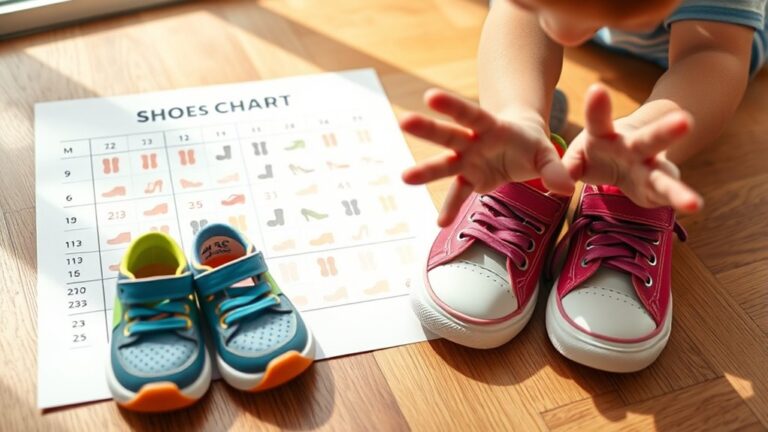
Do Children’s Shoes Require Different Toe Space?
Yes, children’s shoes require more toe space due to their rapid growth. You want to choose flexible shoe material and a wide toe box design. This helps guarantee comfort and allows natural toe movement.
It also prevents foot development issues. So, giving kids extra room in their shoes is really important. It keeps their feet healthy as they grow.
Can Toe Spacers Replace Proper Shoe Fit?
You shouldn’t rely on toe spacers as alternatives to proper shoe fit.
Many people misunderstand that spacers can’t provide the necessary toe room. So, it’s important to always prioritize correct sizing.
This helps ensure both comfort and foot health in the long run.
How Does Foot Arch Height Impact Toe Space Needs?
Like a bridge needing strong beams, your arch support changes how toe pressure spreads. If you have high arches, you’ll want more toe space to avoid pinching.
On the other hand, flatter feet need snugger fits for stability. It’s all about finding that balance to keep your feet comfortable and supported.
Conclusion
So, unless you enjoy your toes playing sardines or staging an escape, give them proper room to wiggle. Remember, cramming your feet into shoes tighter than a can of beans won’t win you any comfort awards. Measure wisely, shop smart, and don’t ignore those toe signals.
They’re not just being dramatic. Your feet deserve space to breathe, move, and stay healthy. After all, happy toes make for a happier you.