What Is A Zero Drop Shoe – Benefits And Uses Explained
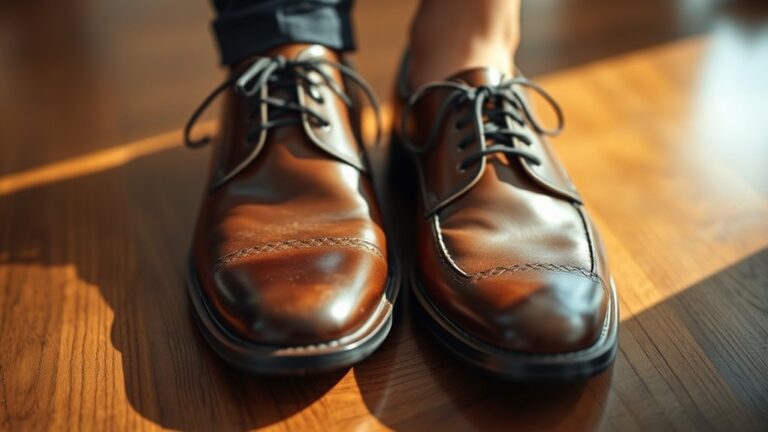
A zero drop shoe has a flat sole with no height difference between heel and toe. This design promotes natural foot biomechanics and better posture.
Wearing them helps align your foot and pelvis, which reduces joint stress. It also strengthens foot muscles for improved stability and balance.
They can prevent common foot problems like plantar fasciitis when used properly. But, adapting gradually is key to avoid discomfort.
If you keep reading, you’ll see how they impact long-term foot health and who should be cautious about using them.
Key Takeaways
- Zero drop shoes have a flat sole with no height difference between heel and toe, promoting natural foot biomechanics.
- They enhance foot muscle engagement and support proper arch function, improving overall foot health and stability.
- Wearing zero drop shoes can improve posture by encouraging a neutral pelvis and reducing lower back and hip strain.
- These shoes distribute pressure evenly, reducing risks of common foot problems like bunions and plantar fasciitis.
- Transition gradually to zero drop shoes to avoid injury, starting with limited wear time and proper stretching exercises.
What Are Zero Drop Shoes?
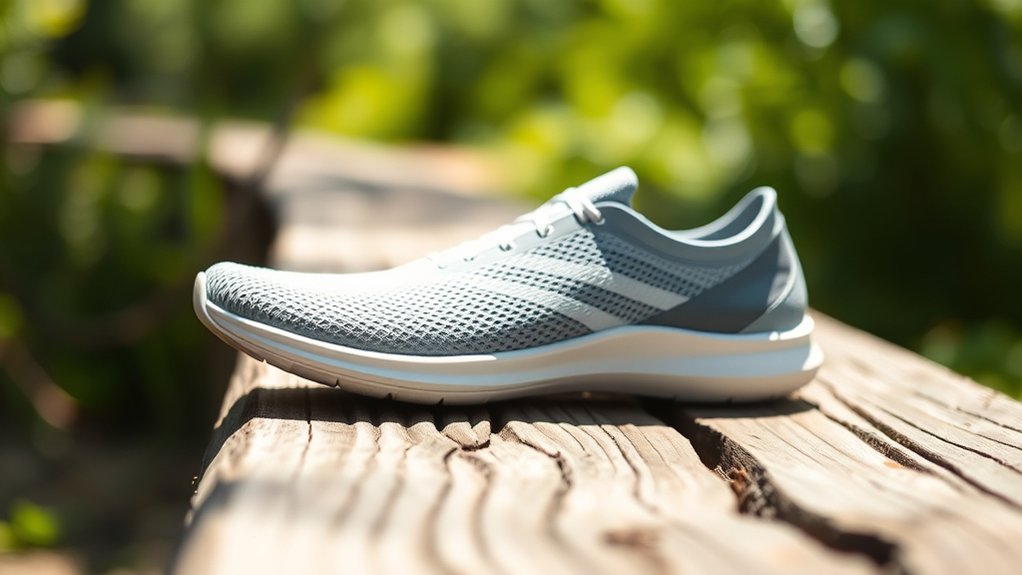
Although zero drop shoes may look similar to traditional footwear, they differ fundamentally by having no height difference between the heel and the toe, creating a completely flat sole. This design eliminates the heel-to-toe offset, typically 0 millimeters or less than 3 millimeters. It mimics barefoot walking and supports natural foot biomechanics.
When you choose zero drop shoes, you engage your foot muscles more effectively due to the flat, stable platform.
Fashion trends have embraced this minimalist approach, with many brands emphasizing sleek designs combined with high material durability to withstand daily wear and varied terrain.
These shoes balance style and function, providing you with footwear that supports natural movement without sacrificing longevity or aesthetic appeal.
How Zero Drop Shoes Affect Foot and Posture Alignment
Zero drop shoes maintain your heel and forefoot at the same level, which directly influences the alignment of your lower limb. By eliminating heel elevation, these shoes promote a flat foot position that supports natural biomechanics and reduces compensatory stress on joints.
Zero drop shoes keep heel and forefoot aligned, enhancing natural foot biomechanics and reducing joint stress.
Unlike footwear with raised heels, zero drop shoes encourage proper arch support by allowing your foot’s arches to function dynamically rather than relying on built-in elevation.
This alignment extends upward, maintaining your pelvis in a neutral position and supporting ideal spinal posture during standing and movement.
Because of this, you reduce anterior pelvic tilt, which lowers strain on your lower back and hips. Over time, consistently wearing zero drop shoes can improve your overall postural alignment by reinforcing biomechanically correct movement patterns essential for long-term musculoskeletal health.
Top Benefits of Zero Drop Shoes for Foot Health
Because they maintain a flat heel-to-forefoot position, zero drop shoes promote proper foot alignment that reduces strain on muscles and joints. This design supports natural biomechanics, enhancing your overall foot health.
Beyond function, zero drop footwear fashion has evolved, blending performance with modern shoe aesthetics.
Key benefits include:
- Encouraging a natural gait pattern for improved balance and lower impact forces.
- Strengthening intrinsic foot muscles and tendons to boost stability.
- Distributing pressure evenly to prevent bunions, plantar fasciitis, and overpronation.
- Enhancing posture and reducing lower back pain with gradual use.
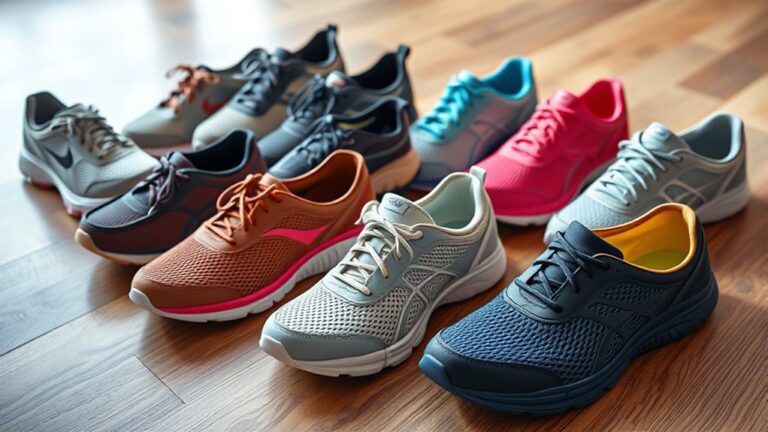
- Offering versatile shoe aesthetics that suit both athletic and casual wear.
Who Should Avoid Zero Drop Shoes?
If you have flat feet or high arches, you might experience discomfort or worsening symptoms when wearing zero drop shoes because they don’t offer much arch support.
People with foot issues like plantar fasciitis, bunions, or hammertoes should probably avoid zero drop shoes unless a specialist says it’s okay. These shoes just don’t provide the support those conditions usually need.
Also, if you rely on orthotics or special footwear, zero drop shoes mightn’t be the best fit unless you can add customized insoles.
It’s easy to get caught up in fashion trends or brand hype that praise zero drop shoes for their natural feel. But honestly, your foot health should always come first.
Ignoring these factors can make existing problems worse or even lead to new injuries. So, it’s smart to pick shoes based on what your feet actually need, not just how popular a style or brand is.
Transitioning Safely to Zero Drop Shoes
Although shifting to zero drop shoes can enhance your natural gait, you’ll need to increase wear time gradually. Start with just 1 to 2 hours daily to give your muscles and tendons time to adapt safely. Moving too quickly can strain your calves and change your running biomechanics in a bad way.
To make this easier, consider choosing zero drop shoes with cushioning or a higher stack height at first. This helps reduce impact stress. Then, slowly increase your daily wear time and activity intensity over several weeks.
It’s also a good idea to do regular calf stretching and strengthening exercises to prevent tightness. Keep an eye on how your body responds, especially if you notice soreness or discomfort.
Finally, pick shoes made from materials that offer enough support and flexibility to help your feet adjust. Following this approach will help your musculoskeletal system adapt well to the changes in running biomechanics with zero drop footwear.
Debunking Common Myths About Zero Drop Shoes
You might think zero drop shoes don’t have any cushioning or that they’ll increase your risk of injury, but that’s actually not true. These shoes come with different levels of support, so cushioning can vary a lot.
Plus, whether you get injured or not depends more on how you transition into wearing them and your own biomechanics, rather than just the shoe design.
Knowing this can help you make smarter decisions when picking out your footwear.
Misconceptions About Cushioning
While many assume zero drop shoes lack cushioning, this is a misconception that overlooks the variety and design intent of these footwear options. Zero drop shoes can offer diverse levels of padding and support, disproving common support myths. Cushion customization plays a key role in tailoring comfort and function.
Consider these facts: cushioning ranges from minimal to substantial, unaffected by drop height. Many models include arch support and shock absorption. Zero drop shoes can be paired with insoles to enhance cushioning.
Proper fit and gradual transition improve comfort, challenging the idea they’re inherently uncomfortable. Support myths arise from confusing zero drop with minimalism, which are distinct design concepts.
Understanding these points helps you see zero drop shoes as versatile, not uniformly minimal or unsupportive.
Injury Prevention Realities
When evaluating injury prevention claims about zero drop shoes, it’s important to recognize that no footwear alone guarantees safety. Proper changeover and individual biomechanics play vital roles.
Myths like heel striking being inherently harmful or zero drop shoes lacking support ignore that many models offer adequate cushioning and promote natural foot movement.
Also, zero drop shoes aren’t universally suitable. Specific foot conditions might require extra support.
Gradual adaptation reduces injury risks considerably.
Footwear durability and aesthetic appeal often influence your choice but shouldn’t overshadow biomechanical considerations.
Long-Term Effects of Zero Drop Shoes
Although zero drop shoes offer a barefoot-like experience, their long-term effects depend heavily on how you shift and adapt to them. Proper foot muscle adaptation strengthens your foot arch, but neglecting gradual transition can lead to undesirable joint structure changes.
To optimize benefits and minimize risks, consider these factors:
- Gradually increase zero drop shoe usage to support foot muscle adaptation
- Monitor for joint structure changes such as bunions or flat feet
- Incorporate supportive exercises to prevent overuse injuries like Achilles tendinitis
- Be aware of reduced cushioning’s impact on shock absorption in knees and hips
- Adjust based on individual biomechanics and feedback from your body
Frequently Asked Questions
Are Zero Drop Shoes Suitable for All Weather Conditions?
Yes, zero drop shoes offer excellent weather adaptability and seasonal performance. You can rely on their waterproof materials and durable soles for all conditions. But selecting models with proper insulation or ventilation guarantees ideal comfort year-round.
Can Zero Drop Shoes Be Used for Formal or Office Wear?
Like a well-tailored suit, zero drop shoes offer fashion versatility for formal settings. You’ll want to balance comfort considerations by choosing supportive insoles. This helps ensure your posture and foot health remain ideal throughout long office hours.
It’s all about finding the right pair that looks sharp but feels good too. That way, you get the best of both worlds—style and comfort.
How Do Zero Drop Shoes Compare in Price to Traditional Shoes?
Zero drop shoes’ pricing comparison to traditional shoes shows minimal differences. You’ll find affordability factors like brand, materials, and design complexity influencing costs.
Budget-friendly zero drop options often match entry-level traditional athletic shoe prices. So, if you’re looking for something affordable, both types can be quite similar in price. It really depends on what features or brands you prefer.
Do Zero Drop Shoes Require Special Socks or Insoles?
You don’t need special socks or insoles for zero drop shoes. Their shoe material supports natural foot positioning, so you’re good to go.
Sock compatibility is pretty high with these shoes. That said, thin, moisture-wicking socks can really boost your comfort while wearing them.
If you feel like you need extra support, custom insoles will fit just fine. So, no worries there!
Are Zero Drop Shoes Compatible With Orthotic Inserts?
Yes, zero drop shoes offer orthotic compatibility if you use thin, flexible inserts that maintain natural foot alignment and arch support. Avoid thick orthotics that elevate the heel, and consult specialists for ideal fit and function.
It’s all about keeping that natural foot position without adding unnecessary height. So, choosing the right insert makes a big difference. If you’re unsure, getting advice from a podiatrist or shoe expert can help you find the perfect match.
Conclusion
So, you want to ditch the heel lift and go zero drop? Sure, your feet might throw a surprise party of aches at first, but hey, who doesn’t love a little foot drama for better posture and alignment?
Just remember, zero drop shoes aren’t magic slippers. Transition carefully or risk turning your stroll into a hobble. Embrace the science, trust your feet, and step wisely into the barefoot-inspired future.
Your arches will thank you… eventually.