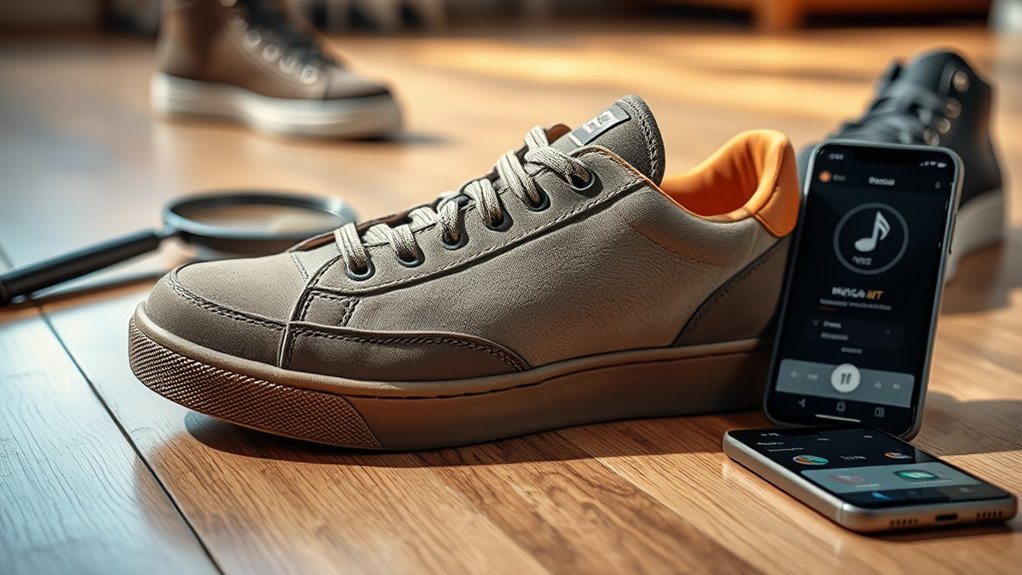
What Shoe Is This – Identification Tips And Tools
To identify a shoe, focus on key visual features like logo placement, stitching patterns, sole design, and material textures. Measure dimensions such as sole length and arch height, then compare with official size charts for precision.
You can also use AI tools that analyze logos and design elements to authenticate and recognize models quickly. Combining these methods guarantees accurate identification and helps avoid counterfeits.
Explore more to discover advanced verification techniques, trusted resources, and management tips. It’s easier than you might think once you know what to look for!
Key Takeaways
- Examine logos, stitching, sole design, and materials to identify brand and model from visual shoe features.
- Measure shoe dimensions and compare them with manufacturer size charts for accurate identification.
- Use AI shoe finders and image recognition tools to analyze logos, colors, and design elements for brand verification.
- Cross-reference shoe images with online databases and fashion forums for pattern recognition and model confirmation.
- Authenticate shoes using AI and expert services to ensure genuineness and avoid counterfeit products.
How To Identify Shoes By Key Visual Features
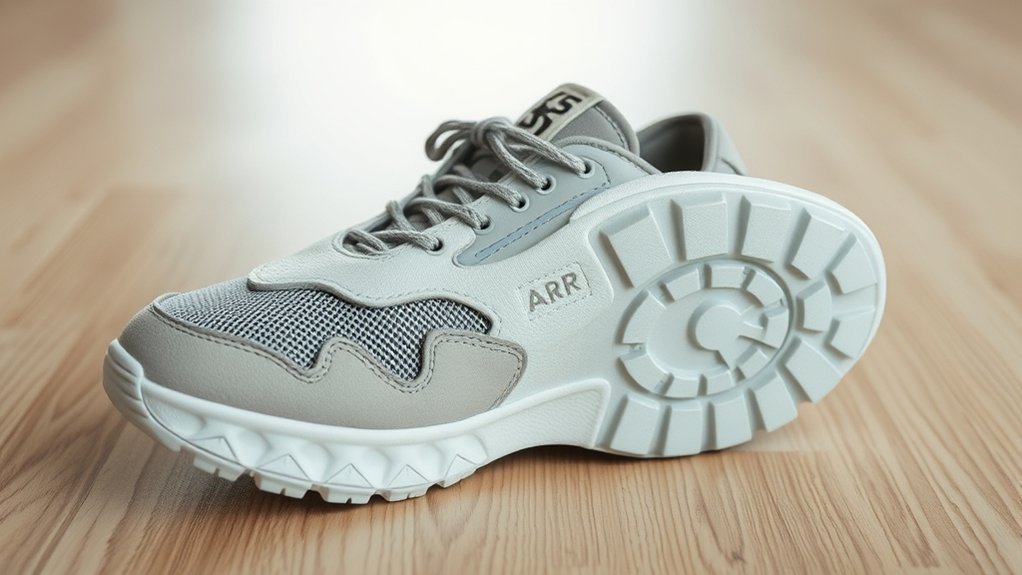
When identifying shoes by key visual features, start by examining the logo placement, style, and font. These elements often provide immediate clues about the brand.
Next, take a close look at the materials used. Notice the texture, quality, and type of fabrics or leathers, since specific brands tend to favor particular materials.
Pay attention to stitching patterns too. Check the stitch density, alignment, and thread color because manufacturers use distinctive techniques for durability and style.
Also, evaluate the sole design and overall silhouette. Focus on the toe box and heel structure, as these can hint at the shoe’s model and function.
Finally, cross-reference these visual features with official product images or detailed descriptions online to confirm your identification with confidence.
How To Spot Shoe Brands Using Logos And Markings
Visual characteristics like materials and stitching provide important clues, but logos and brand markings often offer quicker identification of shoe manufacturers. You’ll want to focus on logo placement. Common spots are the tongue, heel, sole, or insoles.
Marking styles also help, such as Adidas’ three stripes or Nike’s swoosh. These distinctive elements help pinpoint the brand and verify authenticity. Pay attention to font style and logo detail, especially with iconic symbols like Jordan’s Jumpman or Puma’s cat.
| Brand | Common Logo Placement |
|---|---|
| Adidas | Side stripes, tongue, sole |
| Nike | Swoosh on sides, insoles |
| Jordan | Jumpman on heel, tongue |
Checking these details carefully lets you spot genuine shoes from replicas quickly and easily.
How To Measure And Compare Shoe Dimensions For Accurate ID
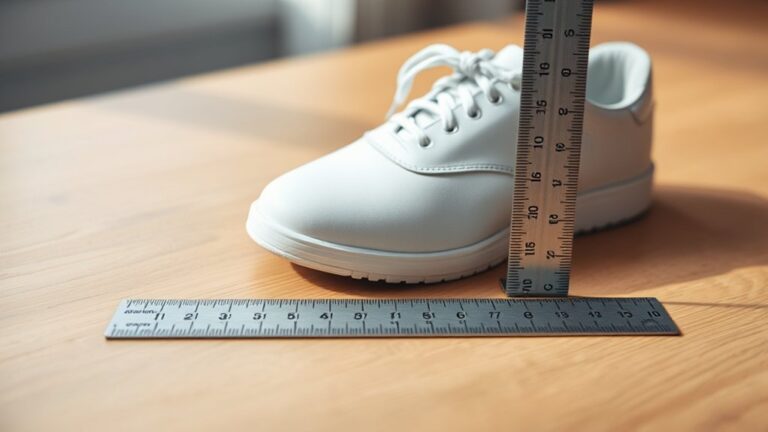
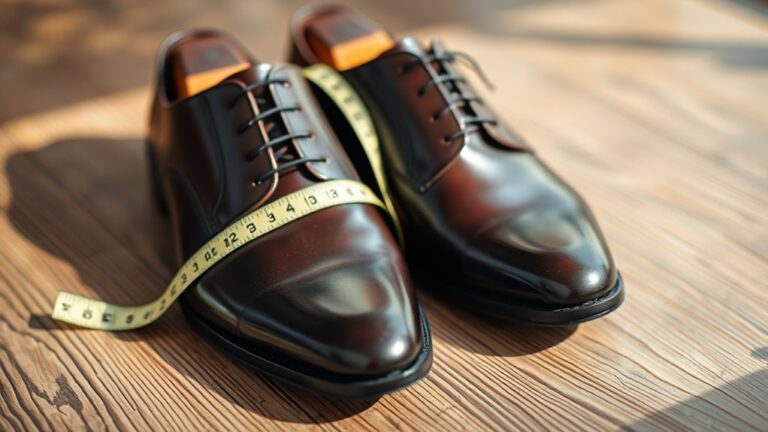
Although logos and markings offer quick brand clues, measuring and comparing shoe dimensions provides a more precise method for identification. Start by using a ruler or measuring tape to record the sole measurement: length, width, and height. Make sure the shoe lies flat to avoid curvature distortion.
Next, measure the interior dimensions carefully, including arch height, toe box width, and heel height. These details are critical for distinguishing similar models. Always record these measurements consistently in centimeters or inches.
Then, compare your data against manufacturer size charts to pinpoint the closest match. This systematic approach guarantees accuracy beyond visual cues. It helps you identify shoes precisely based on their physical characteristics rather than just external branding elements.
Reliable Shoe Identification Guides And Resources
Since accurate shoe identification depends on recognizing subtle details, reliable guides and resources play a crucial role in the process. To precisely distinguish models, you must analyze brand logos, unique design features, and material textures, while considering fashion trends that influence shoe aesthetics.
Here are three essential resources to help you:
- Online databases and fashion forums provide thorough descriptions and visual comparisons of shoe styles. They emphasize texture and design changes across trends.
- Educational websites and YouTube channels offer tutorials focusing on logo examination, sole patterns, and material textures. These help refine your identification skills.
- Shoe authentication services leverage expert knowledge and verified reference images to confirm authenticity. This ensures accurate model recognition despite counterfeits.
Utilizing these guides systematically improves your ability to identify shoes with technical precision and confidence.
Best AI Tools For Shoe Identification
You’ll find that the best AI shoe finders use really sophisticated image recognition to identify the brand, model, and design features with pinpoint accuracy. It’s pretty impressive how they can pick out those details just from a photo.
On top of that, many of these tools include authentication features to verify the genuineness of luxury sneakers, which helps a lot in avoiding counterfeits.
And the convenience doesn’t stop there—they often connect directly with major retailers like Amazon and Walmart. This way, they can suggest similar items, making your shopping experience smooth and hassle-free.
Top AI Shoe Finders
When you upload a shoe image to top AI shoe finders like AI Shoes Finder or Shoe-Finder-by-Image, advanced image recognition algorithms analyze logos, color schemes, and design elements to accurately identify the brand and model. These tools also evaluate shoe material and sole design to enhance identification precision.
Their AI models leverage extensive datasets with hundreds of labeled examples, improving accuracy continuously. Plus, many integrate with major retailers to suggest exact or similar shoes for purchase.
Key capabilities include:
- Detailed analysis of shoe material textures and sole design patterns.
- Cross-referencing identified features with large retail inventories.
- Utilizing pattern recognition to distinguish subtle design variations.
Using these tools, you can quickly and reliably determine shoe specifics without manual research. It’s a real time-saver and makes finding your perfect pair much easier.
Authentication And Verification
Beyond identifying shoe models and brands, AI tools have advanced to verify authenticity with remarkable accuracy. These tools use material analysis and detailed examination of design patterns, like logos and stitching, to tell genuine sneakers apart from replicas.
By scanning or uploading images, you get instant verification, often with authenticity certificates. Subscription-based services like CheckCheck use machine learning models that keep getting better at spotting counterfeit features.
This careful approach helps collectors and resellers validate luxury and collectible shoes through thorough feature comparison.
Plus, AI-generated data supports secure trading by tracking market values and verifying listings.
When you use these AI-powered verification tools, you make authentication easier and reduce human error. That way, you can feel confident in every transaction involving high-value footwear.
Integration With Retailers
Although identifying shoe models is essential, integrating AI shoe identification tools with major retailers greatly enhances the buying experience. Through retail partnerships, these tools link shoe recognition directly to shopping integration, streamlining your path from identification to purchase.
When you upload an image, AI Shoes Finder and similar platforms analyze the shoe’s brand and model, then connect you to verified sellers on sites like Amazon and Walmart. This seamless process includes real-time filtering by store, price, and style to tailor your search results.
You also get direct links to authentic products, which helps ensure your purchases are legitimate.
Plus, these platforms offer cross-platform compatibility that supports a smooth progression from detection to checkout. It really makes shopping easier and more reliable.
How To Use Voice And Image Input For Shoe Identification
Because accurate shoe identification relies heavily on detailed input, you should use both image and voice features to enhance results. Start by uploading a high-resolution, well-lit image of the shoe, making sure the focus captures key design elements clearly. This really helps improve image quality and detection accuracy.
Next, activate voice input and clearly describe specific attributes like brand, color, style, or any unique markings. Speaking clearly makes a big difference because it helps the AI match what it sees with what you say. Combining these two inputs lets the system handle tricky or complex shoe designs much better.
Try to keep your lighting consistent and background noise to a minimum for the best results. Using both image and voice input this way sharpens the AI’s identification skills, cuts down on mistakes, and makes your overall shoe recognition experience a lot smoother.
How Shoe Identification Helps Online Shopping And Authentication
When you use shoe identification tools during online shopping, you gain the ability to pinpoint exact models and brands from images. This helps you find the precise footwear you want without any guesswork. These tools analyze detailed visual data to match shoes with their unique features, making both authentication and selection easier.
This precision supports verification of authenticity, which reduces counterfeit risks by cross-referencing footwear history and manufacturing details. It also improves shoe customization decisions by identifying original models and compatible parts or styles.
Plus, it enhances inventory accuracy for retailers. That way, product listings truly reflect actual stock, which builds customer trust.
Managing And Authenticating Your Shoe Collection With AI
As AI-powered tools advance, you can efficiently manage and authenticate your shoe collection with unprecedented accuracy. These tools analyze intricate logos, material textures, and design features to verify authenticity, helping you avoid replicas.
By creating digital catalogs, you track market values and organize your shoes into custom folders, streamlining collection management.
Create digital catalogs to monitor market values and organize your shoe collection effortlessly.
AI classifiers adapt and improve by learning from uploaded images, increasing reliability over time. Leveraging AI also allows you to study historical sneaker trends, providing insights for informed acquisitions and resales.
Plus, you can integrate custom shoe design elements into your catalog, maintaining detailed records of unique pieces.
Regularly authenticating your collection with AI ensures each item’s provenance is verified. This helps preserve the integrity and value of your collection with precision and efficiency.
It’s a smart way to keep your collection organized and genuine.
Frequently Asked Questions
How Do I Clean Shoes Without Damaging Their Materials?
You should use shoe cleaning techniques tailored to each material. Soft brushes or damp cloths work well for general cleaning. For leather, leather conditioners are the way to go.
When it comes to suede, suede brushes do the trick. Water-based solutions are great for synthetics. Just make sure to always dry your shoes away from heat to avoid damage.
What Are the Most Common Shoe Materials and Their Care Tips?
Feel the smooth leather, the woven canvas, the sleek synthetic mesh. Each demands unique care routine tips: condition leather, gently wash canvas, use special cleaners for synthetics, and scrub rubber soles.
It’s important to honor shoe material differences precisely. That way, your shoes stay looking great and last longer. Taking a little extra care really pays off!
How Can I Prevent Shoe Odor Effectively?
You can prevent shoe odor effectively by regularly cleaning and drying your shoes. Using odor-absorbing insoles also helps keep things fresh. Applying antibacterial sprays can reduce bacteria that cause smells.
Try alternating your footwear to give each pair time to air out. Storing shoes in well-ventilated areas minimizes moisture and bacterial growth. These simple steps can make a big difference in keeping your shoes smelling great.
What Should I Do if My Shoes Cause Discomfort or Pain?
If your shoes cause discomfort, try reassessing the fit by adjusting the laces or adding insoles. Sometimes small tweaks can make a big difference.
If the pain sticks around, it’s a good idea to look into orthopedic solutions like custom orthotics. Getting a professional evaluation can help pinpoint issues with support, alignment, or biomechanics. This way, you can address the problem more precisely and effectively.
How Do I Store Shoes to Maintain Their Shape and Quality?
Think of your shoes as delicate sculptures. For proper shoe storage and shape maintenance, use tissue inserts and keep them in cool, dry places. Avoid stacking your shoes to prevent any damage.
Also, protect them with dust bags. This helps preserve their structure and material quality precisely. Taking these simple steps can really extend the life of your favorite shoes.
Conclusion
Identifying shoes accurately is like solving a complex puzzle. You need to focus on key features, logos, and precise measurements. By using reliable guides and advanced AI tools, you can make this process a lot easier and more precise.
Using voice and image inputs really helps boost accuracy, especially when you’re authenticating or shopping online. These methods make managing your shoe collection way more efficient and trustworthy. That way, every pair gets correctly identified and authenticated without any guesswork.