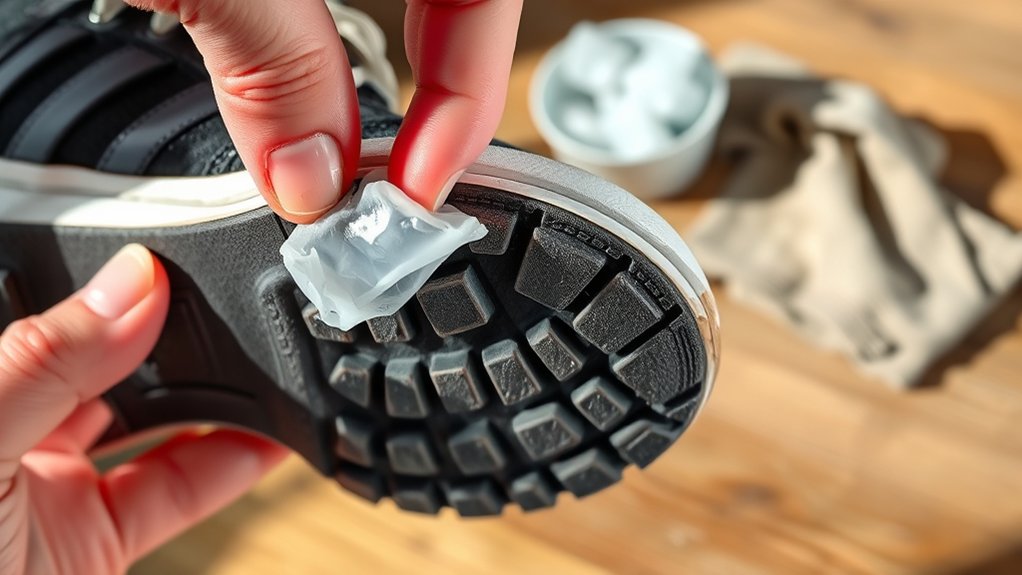
How To Get Gum Off Shoe – Easy Removal Tips
You can get gum off your shoe easily by first freezing the gum. You can do this either by placing your shoe in a plastic bag and putting it in the freezer or rubbing ice cubes directly on the gum until it hardens.
Then, gently chip it off using a plastic scraper or a blunt tool to avoid damaging your shoe. If the gum is stubborn, softening it with oils like olive oil or using WD-40 can really help.
After you remove the gum, make sure to clean the area to get rid of any leftover residue and to protect your shoe. For more detailed tips and techniques, keep exploring these methods.
Key Takeaways
- Freeze the gum by placing the shoe in a plastic bag and freezer, then chip off the hardened gum gently with a plastic tool.
- Apply olive or coconut oil to soften gum, wait a few minutes, then scrape off and clean residue thoroughly.
- Use WD-40 or commercial gum removers like Goo Gone; spray, wait briefly, then wipe or scrape the gum.
- Employ plastic scrapers or old credit cards to lift gum carefully, avoiding damage by testing tools on hidden areas first.
- Clean the shoe after gum removal with damp cloth and vinegar or soapy water to eliminate residue and restore appearance.
Freezing Your Shoe to Remove Gum
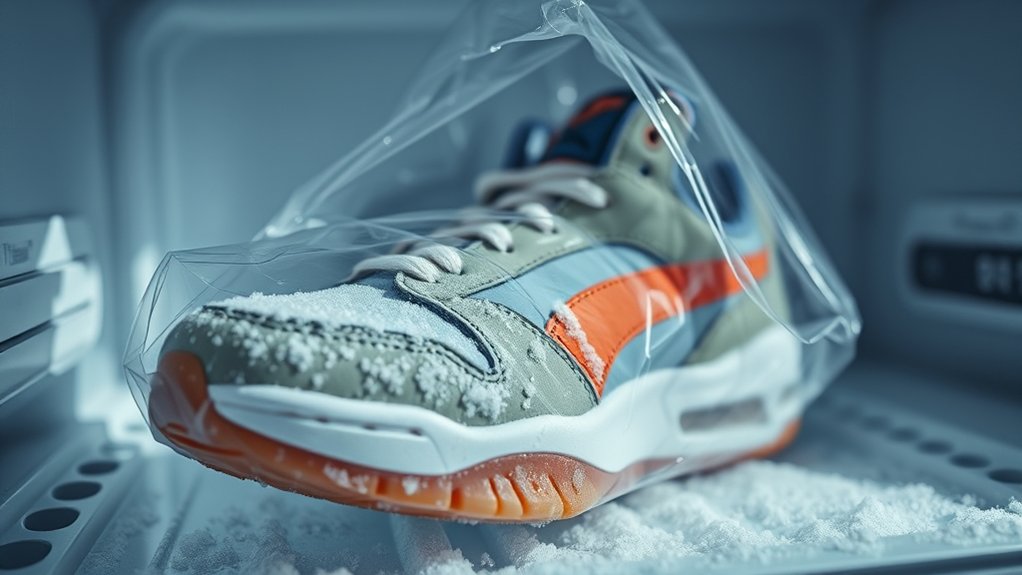
If you want to remove gum from your shoe without damaging it, start by wrapping the affected area tightly in a plastic bag to protect it from moisture. This step is really important, especially depending on the shoe material. Some fabrics or leathers can be sensitive to water.
Next, pop the shoe in the freezer for about two hours. This gives the gum enough time to harden and become brittle.
Place your shoe in the freezer for two hours to harden the gum, making it easier to remove.
Once it’s frozen, the gum contracts and loses its stickiness. That makes it way easier to chip off with a plastic tool or a toothpick. Just make sure to take the shoe out of the freezer promptly so the gum doesn’t soften and stick again.
This method works well on most shoe materials and won’t cause damage. It’s a simple trick that really does the job!
Softening Gum With Oils (And Peanut Butter Considerations)
Although freezing gum is effective, softening it with oils offers a practical alternative, especially when you want to avoid the hassle of refrigeration. Applying oil types like olive, vegetable, or coconut oil breaks down the gum’s stickiness, making removal simpler. Just dab a small amount on the gum, wait a few minutes, then gently scrape it off.
Peanut butter also works since it contains oils, but it’s messier and less precise. After removal, make sure to clean the shoe thoroughly to prevent grease stains. It’s a bit of an extra step, but worth it to keep your shoes looking good.
| Oil Type | Effectiveness | Ease of Use |
|---|---|---|
| Olive Oil | High | Easy |
| Vegetable Oil | Moderate | Easy |
| Coconut Oil | High | Moderate |
| Peanut Butter | Moderate | Messy |
| Cleaning Step | Essential | Wipe thoroughly |
Using WD-40 and Chemical Solutions for Stubborn Gum
When you’re dealing with stubborn gum that won’t budge from your shoe, WD-40 offers a powerful solution by penetrating the adhesive to loosen it effectively. Spray WD-40 directly on the gum and surrounding area, wait about a minute, then gently wipe or scrape the gum away.
For tough spots, just repeat the process. You can also use commercial chemical solutions like Goo Gone. Just be sure to follow the instructions carefully for safe gum removal.
Afterward, clean your shoe with a damp cloth to remove any chemical residue.
Here’s a quick guide:
- Spray WD-40 on gum and wait 1 minute.
- Gently wipe or scrape gum off.
- Repeat if needed for stubborn gum.
- Clean shoe with a damp cloth after removal.
Scraping Gum Off Without Damaging Your Shoes
If you want to scrape gum off without damaging your shoes, start by using gentle tools like a plastic scraper or even an old credit card. These won’t scratch your shoes like metal tools might.
Take your time and work slowly, especially if your shoes have delicate surfaces. It’s also a good idea to test any tool or cleaning solution on a hidden spot first, just to make sure it won’t cause any damage.
Gentle Scraping Tools
Since you want to remove gum without damaging your shoes, choosing the right scraping tools is essential. Opt for eco-friendly alternatives and DIY cleaning solutions that are gentle yet effective. Here are four tools to help you:
- Use a plastic scraper or an old credit card to lift gum carefully without scratching.
- Try a stiff, non-abrasive toothbrush to loosen gum in textured or creviced areas.
- Employ a wooden or plastic toothpick to pry off stubborn gum gently, avoiding metal tools.
- Always hold tools at a shallow angle and test on a hidden spot first to protect delicate materials like leather or suede.
These practical tools let you remove gum safely while preserving your shoes’ finish. Give them a try and see how easy it can be!
Protecting Shoe Surfaces
Although removing gum from your shoes might seem straightforward, protecting the shoe’s surface requires careful technique. Start by using a plastic scraper or an old credit card to gently lift the gum, always scraping at a shallow angle to avoid gouging delicate shoe material like leather or suede.
Before applying any cleaning techniques, test your tool on a hidden spot to verify it won’t cause discoloration or damage.
For textured soles, a soft-bristled toothbrush helps reach gum in crevices without harming the material.
Applying ice or freezing the gum first makes it brittle, reducing the risk of surface damage during removal.
These steps guarantee you effectively remove gum while preserving your shoe’s appearance and integrity.
Cleaning Leftover Gum Residue Effectively
After you scrape off the gum, you’ll probably notice some sticky residue still clinging to your shoes. Don’t worry, it happens to the best of us. Just grab a damp cloth with a bit of vinegar or use a soft toothbrush dipped in warm, soapy water to gently lift those stubborn bits.
This way, you won’t damage your shoes while cleaning.
If the residue is being really stubborn, you can try making a baking soda paste or even refreeze the gum to make it easier to chip away. Just remember, no matter which method you use, always finish by wiping the area clean so you don’t end up with any leftover stickiness.
Easy, right?
Removing Sticky Residue
When you’ve removed the bulk of the gum, tackle the sticky residue by scrubbing the area with a damp cloth soaked in warm water and mild soap. This method respects material safety and prevents damage.
For stubborn spots, try these steps:
- Apply a small amount of rubbing alcohol or vinegar on a cloth to dissolve leftover gum without harming your shoe’s material or finish, including shoe polish areas.
- Gently scrape residual gum with a plastic scraper or old credit card.
- Use a toothbrush dipped in soapy water or vinegar to reach textured soles or crevices.
- Wipe the shoe with a clean, damp cloth to remove any cleaning agents and leftover stickiness.
These practical steps ensure your shoe stays clean and undamaged.
Post-Removal Cleaning Tips
Start by thoroughly cleaning the shoe sole with warm, soapy water to remove any lingering sticky residue. Use a toothbrush or soft scrub brush to gently work into the sole texture, loosening gum particles stuck in grooves or hard-to-reach areas.
After scrubbing, wipe the sole with a damp cloth or sponge to eliminate any chemical or oil residues from removal agents like WD-40 or peanut butter.
If residue persists, apply a small amount of rubbing alcohol or vinegar on a cloth and gently rub the affected area, then rinse thoroughly.
Once clean, dry the shoe completely with a towel to prevent moisture damage.
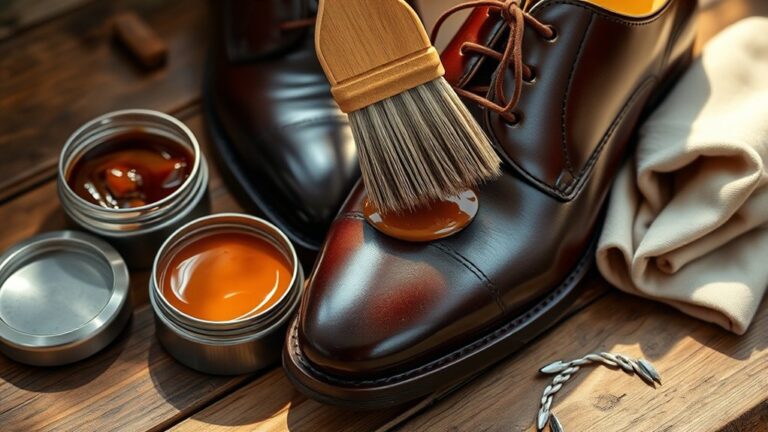
For leather shoes, finish by applying shoe polish to restore the shoe’s original appearance and protect the material.
Easy, right? Just take it step by step and your shoes will look great again.
Removing Gum From Different Shoe Materials Safely
Although removing gum from shoes might seem straightforward, treating each material with care is essential to prevent damage. Material-specific cleaning is key for damage prevention and maintaining your shoe’s look.
For leather shoes, use freezing methods or seek professional cleaning to avoid harsh chemicals that can ruin the surface.
Suede demands gentle brushing after freezing the gum. Avoid heat or chemicals that cause discoloration or texture loss.
Synthetic and rubber shoes tolerate mild chemical solutions like WD-40 or vinegar, but always do a patch test first.
Never use sharp tools or heat on delicate materials to prevent tears, cracks, or warping.
Following these practical steps ensures safe gum removal and preserves your shoes’ longevity.
Preventing Gum From Sticking to Your Shoes
Since gum can stick stubbornly to your shoes, taking preventive measures is essential to avoid the hassle of removal later. Protect your sneaker fashion by applying a water and stain protector spray to create a barrier against gum. Regularly inspect and clean your shoes, especially soles, to reduce buildup.
Avoid walking where gum is common and promptly remove any gum before it hardens. Proper shoe storage also helps maintain their condition and prevents sticky situations.
| Action | Benefit | Tip |
|---|---|---|
| Apply protector spray | Prevents gum adhesion | Use on new and old shoes |
| Regular cleaning | Removes dirt and gum residue | Focus on soles |
| Avoid gum-heavy zones | Minimizes gum contact | Stay on clean paths |
| Immediate gum removal | Stops hardening | Use ice or scraping |
| Proper shoe storage | Maintains shoe quality | Store in dry, cool places |
Fast Gum Removal Tips for Emergencies
When gum sticks to your shoe unexpectedly, acting quickly can save you from a tough cleanup later. For fast gum removal, consider your shoe material and prioritize gum safety to avoid damage.
Here are four emergency tips:
First, press ice cubes against the gum or place the shoe in a plastic bag with ice to harden the gum quickly. Then, use a blunt object like a butter knife to gently pry off the frozen gum without harming the shoe.
You can also apply quick-acting solutions such as WD-40 or petroleum jelly directly on the gum. Wait a few minutes, then wipe it away.
For immediate relief, dab rubbing alcohol or nail polish remover to soften the gum, making it easier to remove with minimal effort.
Acting fast and choosing the right method keeps your shoes safe and gum-free. Just take your time and pick what works best for your shoe type!
Frequently Asked Questions
Can Gum Damage My Shoe’s Color or Finish Permanently?
Yes, gum can damage your shoe’s color or finish permanently if you use harsh chemicals or aggressive methods.
To protect color preservation and finish integrity, always test removal techniques on a small, hidden area first.
It’s better to be safe and gentle than to risk ruining your favorite pair!
Is It Safe to Use Hairdryers to Remove Gum From Shoes?
Don’t fry your shoes like a solar oven! You can safely use hairdryers for gum removal if you stick to low heat, DIY hacks, and household remedies. Just keep your distance and test often to avoid damage.
It’s all about being gentle and patient. That way, you get the gum off without ruining your favorite kicks.
How Long Does It Take for Oils to Soften Gum Effectively?
It takes about 5 to 10 minutes for oil softening to work effectively, depending on the gum consistency.
Thicker, stickier gum may need up to 15 minutes for oils to break down adhesives and soften properly. So, just be patient and give it a little extra time if needed.
Can Gum Removal Methods Harm Shoe Adhesives or Stitching?
Be cautious. Removal techniques can dance dangerously with your shoe material, risking adhesive bonds and stitching. You shouldn’t let harsh chemicals or aggressive scraping sneak past your care.
Always test gently to keep your shoes intact and strong. It’s better to be safe than sorry when dealing with your favorite pair. A little patience goes a long way!
Are There Natural Alternatives to Chemical Gum Removers?
Yes, you can use natural remedies like coconut oil, vinegar, or peanut butter as eco friendly solutions. These soften gum gently, protecting your shoe’s adhesives and stitching while effectively loosening gum without harsh chemicals or damage.
They work well because they break down the stickiness without causing harm. Plus, you probably already have these ingredients at home, so it’s super convenient. Give them a try next time you’re dealing with gum!
Conclusion
Getting gum off your shoe doesn’t have to be a sticky situation. By freezing it, softening with oils, or using chemical solutions carefully, you can tackle gum without damaging your kicks. Just remember to scrape gently and clean up any residue thoroughly to keep your shoes looking sharp.
With these practical tips, gum removal becomes a breeze rather than a burden. It’s like peeling away a stubborn sticker with ease. No more frustrating messes—just a simple fix.