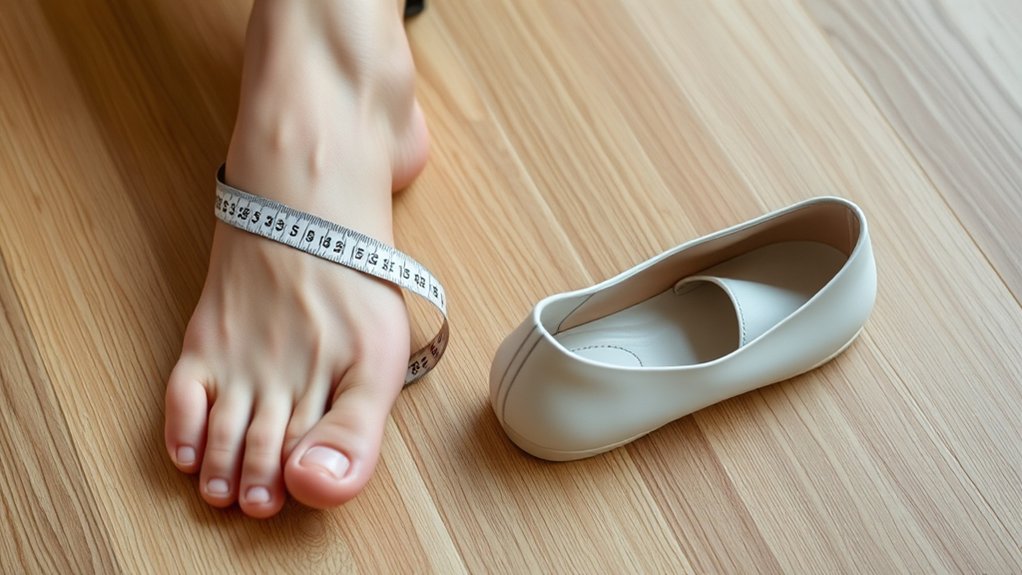
How Do I Know If I Need A Wide Shoe – Fit Assessment Guide
You need wide shoes if your foot width exceeds standard sizes. Measure at the widest point, ideally at the end of the day when your feet tend to swell.
Some signs you might need wide shoes include your toes feeling cramped, red pressure marks after wearing shoes, or your foot edges spilling over the sides of your shoes.
Don’t just go for larger sizes because they can create instability and discomfort. Proper wide shoes help improve alignment and prevent pain.
Keep in mind that brand variations and fit nuances matter. Understanding these will help you choose footwear that truly supports your foot health and comfort.
Key Takeaways
- Measure foot width at the widest point, preferably at day’s end when feet are swollen, to compare against standard width sizes.
- Notice if toes overlap, pinky toe is squished, or foot spills over shoe sides indicating narrow shoe fit.
- Look for red pressure marks or indentations on foot sides after wearing shoes, signaling insufficient width.
- Avoid choosing larger shoe sizes to compensate for narrow width, as this causes heel slippage and instability.
- Opt for shoes labeled “wide” or “extra wide” with flexible materials and broader toe boxes for better comfort and fit.
How to Measure Your Foot Width Accurately at Home
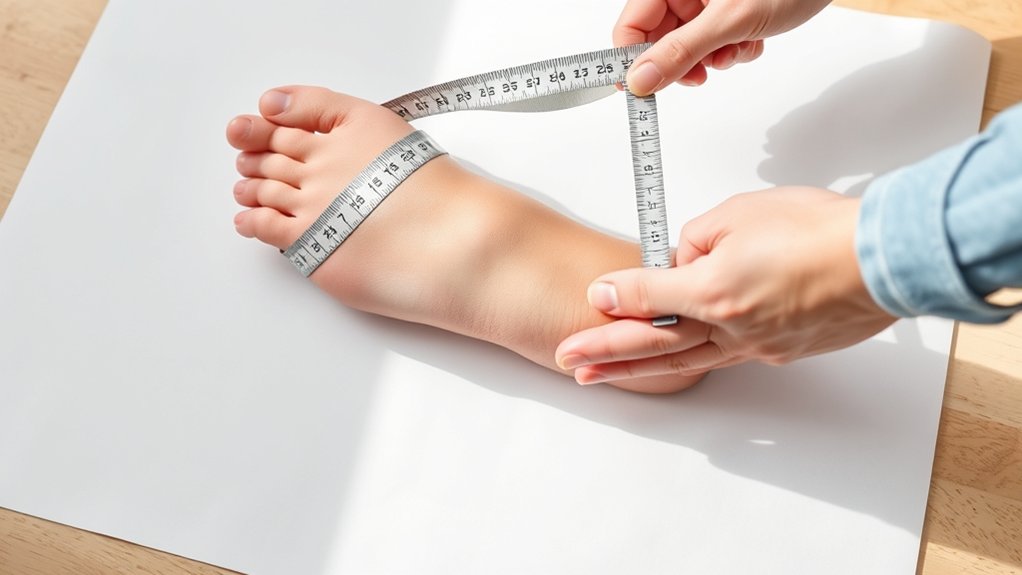
Before selecting a wide shoe, you need to measure your foot width accurately at home. Begin by standing on a flat surface to guarantee proper foot measurement, as weight-bearing affects width.
Use a ruler or tape measure to record the distance between the two widest points of your foot’s outline.
For better accuracy, try tracing your foot onto a piece of paper first. Then, measure the distance between the outermost points of the outline.
It’s best to do this at the end of the day when your feet are most swollen to get a realistic size.
Make sure to measure both feet since one might be wider than the other. Use the larger measurement for a more accurate shoe fitting.
Following these steps will help you base your shoe choice on precise, reliable foot width data.
Foot Width Measurements That Show You Need Wide Shoes
When your foot width exceeds standard measurements, such as over 3 3/8 inches for size 9 shoes or 3 1/16 inches for size 7, you’ll need wide shoes to guarantee a proper fit. Narrow shoe material can restrict your foot, causing discomfort and inadequate arch support.
Precise foot width measurements that surpass typical ranges indicate the necessity for wider footwear to maintain structural integrity and comfort.
Exact foot width beyond standard sizes highlights the need for wider shoes to ensure comfort and support.
If your foot spills over the shoe’s sides or you notice red pressure marks after wear, these are clear signs your foot width exceeds standard sizing. Also, a squished pinky toe signals that the shoe’s width isn’t enough.
Choosing wide shoes with appropriate material allows for proper arch support and prevents excessive pressure. This ensures both comfort and foot health.
Five Signs You Need Wide Shoes
Although shoe length may fit correctly, several distinct signs can reveal that your footwear is too narrow. If your toes feel cramped or overlap, it indicates insufficient width. Red pressure marks or indentations on your feet’s sides after wearing shoes suggest tightness.
Notice if the widest part of your foot spills over the shoe’s edge. This clearly signals a need for wider options. Persistent discomfort or pinching across the sides, despite correct length, also points to narrow shoe materials or poor fit.
Ignoring these signs can worsen foot issues, regardless of fashion trends promoting slim designs. So, prioritize shoe materials and construction that accommodate your foot’s width to guarantee comfort and avoid pain, rather than simply following narrow, trendy styles.
Why Choosing a Larger Size Isn’t Best for Wide Feet
If you have wide feet, going for a larger size instead of a shoe that’s actually wider can cause heel slippage and make your feet feel unstable.
This often leads to discomfort, blisters, and a lack of proper support that might even make your foot health worse over time.
So, it’s really better to pick shoes that fit the width of your feet correctly.
That way, you get a better fit, improved balance, and more comfort in the long run.
Width Versus Length Fit
Since wide feet need proper accommodation, just picking a bigger shoe size to get more room can actually make fit issues worse. Increasing the length without adjusting the width often leads to heel slippage, less stability, and discomfort.
Getting the right width fit means your toes have enough space without extra room that a bigger size can’t provide. Plus, shoe material flexibility and good arch support play a big role in finding a balanced fit.
Remember, the ideal fit combines the right length and width—not just length alone.
- Excess length causes foot misalignment and instability
- Narrow width in larger sizes creates pressure points
- Flexible shoe material adapts better to wide feet
- Arch support maintains foot structure without squeezing
- Proper width prevents discomfort and foot fatigue
Heel Slipping Risks
Focusing solely on width without considering heel fit can lead to heel slipping, a common issue when shoes are improperly sized. You might think choosing a larger size solves this, but it often causes excessive foot movement inside the shoe, increasing blisters and discomfort.
For ideal heel comfort and slip prevention, your shoes need a snug, secure heel counter that hugs the heel firmly. A properly designed heel cup for wider feet ensures stability without forcing you to size up.
Heel slipping not only undermines comfort but also compromises balance, raising the risk of falls, especially during physical activities or on uneven terrain.
To avoid these risks, prioritize a secure heel fit alongside appropriate width, rather than relying on larger sizes to stop slipping.
Proper Wide Shoe Benefits
Although choosing a larger shoe size might seem like a quick fix for wide feet, it often leads to heel slippage and instability rather than comfort.
Proper wide shoes are engineered with a broader last and appropriate shoe materials to accommodate your foot’s width, providing better support without compromising fit.
These shoes reduce pressure points and prevent cramping, unlike simply upsizing.
They also allow the effective use of orthopedic inserts designed for wider feet.
Benefits of proper wide shoes include:
- Ample toe box space reducing pressure and cramping
- Enhanced foot alignment preventing deformities like bunions
- Improved balance and stability during movement
- Reduced risk of blisters and calluses from loose fits
- Compatibility with orthopedic inserts for customized support
Choosing width over size guarantees lasting comfort and foot health. It’s definitely worth making the right choice for your feet!
How Shoe Brands and Styles Impact Width Fit
You’ll notice that different shoe brands use unique last shapes, and these really affect how the width fits. So, it’s important to get a feel for these differences.
Styles that have wider toe boxes or more rounded shapes usually work better for wider feet. But keep in mind, fit can vary a lot from one brand to another.
If you pay close attention to each brand’s sizing standards and design, it’ll be easier to pick shoes that fit well in width without sacrificing comfort. It’s all about finding that balance!
Brand-Specific Last Shapes
How do shoe brands and styles influence the fit of wide feet? Each brand designs its last shape with specific width profiles, and this directly impacts comfort for wider feet. For example, VANELi’s last shapes are naturally wider, which means they accommodate broader foot types better.
On the other hand, brands like Nike and Adidas often use narrower lasts. This might mean you need to size up or look for wide-specific models to get a comfortable fit. Knowing a brand’s last shape based on their shoe material and reputation can really help you avoid discomfort from tight fits.
Many brands provide detailed fit guides that explain their last shapes. These guides are super helpful in making your selection easier and more accurate.
- VANELi: wider last shapes for broad feet
- Nike/Adidas: narrower lasts, size adjustment needed
- Shoe material affects flexibility and fit
- Brand reputation indicates consistency in width
- Fit guides clarify last shape specifics
Style Design And Width
Understanding a brand’s last shape sets the foundation, but the specific style design plays a significant role in how a shoe fits wider feet.
Fashion trends often influence design elements that can either restrict or accommodate foot width. For example, pointed toe boxes common in current trends may reduce available space, making these styles less suitable for wider feet.
Material choices also affect fit. Flexible mesh uppers conform better to wider feet, while stiff leather uppers may cause discomfort if the last is narrow.
Certain brands, like VANELi, develop models with broader lasts and adaptive materials to address width needs.
So, selecting shoes by considering both the brand’s last and the style’s design ensures a better fit. This way, you enhance comfort without relying on size adjustments or insoles.
It really makes a difference when you pay attention to these details.
Variations In Sizing Standards
Shoe brands apply varying sizing standards that directly impact how widths fit your feet. A “medium” width in one brand might feel narrow or wide in another due to differences in last shape and measurement criteria. Styles further influence fit consistency: running and dress shoes tend to have more uniform width sizing, while fashion shoes vary widely.
Also, shoe material affects how a shoe adapts to your foot width over time. Color options often correspond to certain styles with unique fits. To accurately assess your needs, consult brand-specific size charts and measure your foot width carefully.
- Width measurements differ across brands and styles
- Last shape dictates width conformity
- Specific width fittings vary by manufacturer
- Shoe material influences fit adaptability
- Color options may indicate style-related fit variations
Tips for Finding Comfortable Wide Shoes
When you experience tightness or pressure on the sides of your feet, measuring your foot width accurately at the widest part is essential. Start by selecting shoes labeled “wide” or “extra wide” and compare their width measurements to your foot’s dimensions.
Focus on shoe material; flexible options like mesh or leather conform better to wider feet, enhancing comfort. Prioritize footwear with a broader toe box and adjustable features such as laces or straps to secure a precise fit.
Additionally, guarantee the shoes provide adequate arch support to maintain foot stability and prevent discomfort during prolonged wear. Test shoes later in the day when foot swelling is at its peak to avoid tightness.
This systematic approach helps you find comfortable wide shoes tailored to your foot’s unique needs. It’s all about making sure your shoes feel good and support you throughout the day.
When You Should See a Professional for Wide Feet
If you notice persistent pressure, red marks, or discomfort along the sides of your feet after wearing shoes, it’s important to consult a professional. A footwear specialist can check if your shoe material really fits the shape and width of your foot arch properly.
You should seek professional evaluation if you experience things like pinky toe overlapping or feeling squished, shoes that keep pinching no matter how much you break them in, or your foot spilling over the edges of the shoe.
Also, watch out for visible pressure imprints or red marks on the sides of your feet, and any persistent pain or worsening deformities like bunions.
These signs usually mean your current shoes might be too narrow or just not right for your foot structure. Getting a proper assessment helps make sure you pick shoes that support your foot arch and use the right materials to avoid discomfort and foot problems down the road.
How Wearing the Right Width Prevents Foot Pain and Problems
Recognizing the need for wider shoes is more than just about comfort. It directly impacts your foot health. Wearing shoes made from flexible material that accommodates your foot arch ensures proper alignment and helps prevent conditions like bunions, hammertoes, and corns.
Narrow shoes squeeze your toes, which restricts blood flow and nerve function. That can lead to numbness and pain.
| Issue | Cause | Prevention |
|---|---|---|
| Blisters & pressure | Narrow shoe material | Wide shoes with flexible material |
| Overlapping toes | Inadequate foot arch | Proper width for natural arch |
| Ingrown toenails | Toe compression | Sufficient toe box width |
Choosing the correct shoe width supports your foot health. It also helps prevent long-term deformities and pain. So, picking the right fit really makes a difference!
Frequently Asked Questions
Can Wide Shoes Cause My Feet to Slip Inside the Shoe?
Yes, wide shoes can cause your feet to slip inside if the shoe material lacks proper grip or flexibility. This reduces foot stability, increasing discomfort and the risk of injury during movement or uneven terrain.
Are Wide Shoe Options Available for All Types of Footwear?
Over 60% of shoe brands now offer wide options across running, dress, and casual styles. You’ll find wide shoes designed to maintain fashion trends and shoe aesthetics without compromising fit or comfort.
This applies to various footwear types, making it easier to find the perfect pair that suits your style and needs. So, whether you’re hitting the gym or heading to a formal event, wide options are more accessible than ever.
How Do Wide Shoes Affect Athletic Performance?
Wide shoes enhance your athletic performance by reducing shoe compression, allowing natural toe splay, and improving foot stability. This minimizes pain and injury risk, enabling better balance, quicker movements, and more efficient push-off power during activity.
Basically, when your toes can spread out naturally, your feet work better. That means you feel more comfortable and can move faster without worrying about pain or blisters. So, wide shoes are definitely worth considering if you want to up your game.
Can I Use Insoles to Make Regular Shoes Fit Wider?
You can use insole modifications to create minor shoe width adjustments, but they often cause heel slippage or instability.
If you need a significant width increase, it’s better to go for properly wide shoes instead of relying only on insoles.
Insoles can help a bit, but they’re not a perfect fix for wider feet.
Do Wide Shoes Help With Foot Swelling Throughout the Day?
Yes, wide shoes improve foot comfort by accommodating natural swelling throughout the day. Choosing appropriate shoe sizing with extra room prevents pressure and reduces discomfort.
It also helps maintain stability, especially during prolonged standing or activities that cause foot expansion. So, wearing wide shoes can really make a difference in how your feet feel as the day goes on.
Conclusion
If you notice your feet feel cramped or your shoes leave marks, you might need wide shoes. Measuring your foot width at home can help confirm this.
Choosing a larger size without thinking about width often makes discomfort worse. It’s important to understand how different brands impact fit so you can avoid pain and long-term issues.
When in doubt, consulting a professional is the best way to get accurate advice. Wearing the right width isn’t just about comfort; it’s key to keeping your feet healthy and pain-free.