What Is A Stability Shoe – Support Features Explained
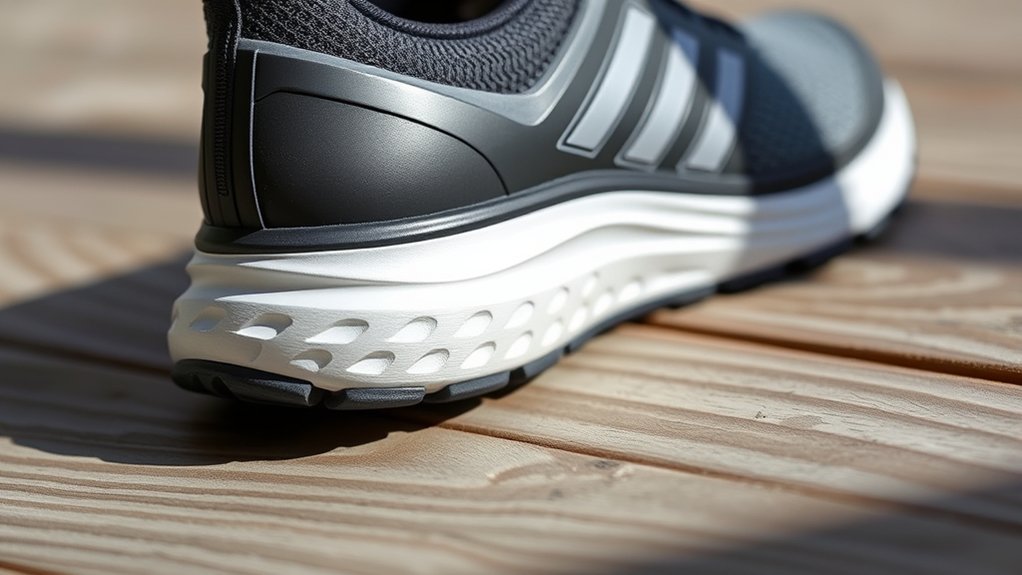
A stability shoe provides targeted support to control overpronation by using features like medial posts, guide rails, and reinforced heel counters that keep your foot properly aligned.
These shoes help those with low arches or inward ankle rolling avoid injury while improving running biomechanics. They combine sturdy materials with advanced technologies for smooth, natural motion and enhanced balance.
If you want to understand how these support elements work and their benefits, there’s much more to explore.
Key Takeaways
- Stability shoes feature medial posts or guide rails to control overpronation and provide targeted arch support.
- They offer reinforced heel counters and wider outsoles for enhanced rearfoot stability and balance.
- Advanced technologies include dual-density foams and adaptive medial support systems that respond to gait variations.
- Lightweight materials such as engineered mesh and EVA foams ensure comfort without sacrificing support or durability.
- These shoes correct inward foot roll, improving biomechanics and reducing injury risks like plantar fasciitis and knee pain.
Understanding Stability Shoes and Who Needs Them
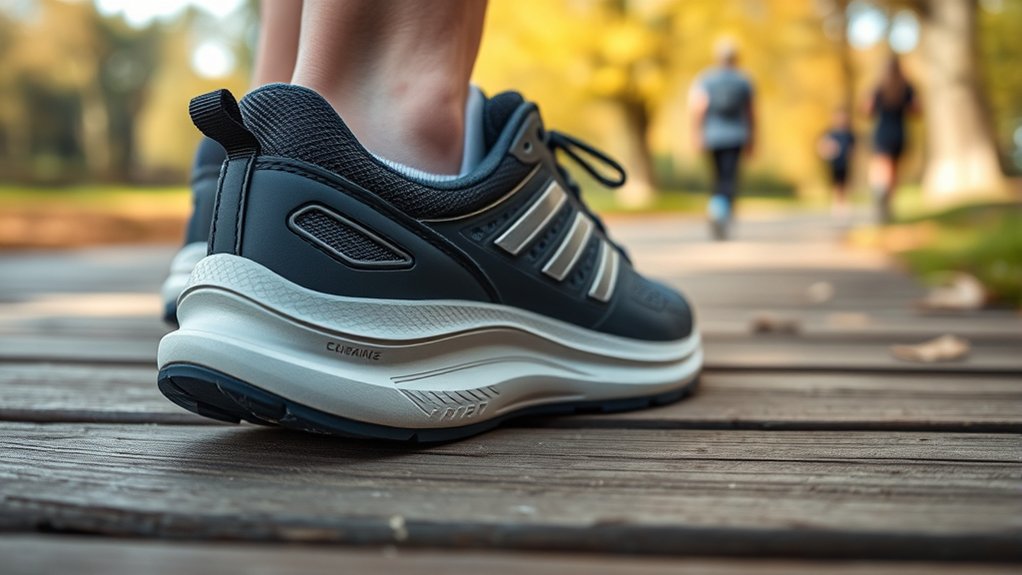
Although stability shoes might seem similar to regular running shoes, they include specialized features like medial posts or guide rails that help control overpronation and maintain proper foot alignment.
You’ll find these shoes especially beneficial if you have flat feet, low arches, or notice excessive inward foot roll during your gait.
Gait analysis and wear pattern assessments can confirm if stability shoes suit your needs, helping prevent injuries linked to overpronation, such as plantar fasciitis or knee pain.
When considering color options and brand comparisons, you’ll see a variety of models that balance support and responsiveness without compromising style.
Top brands offer diverse designs, so you can pick stability shoes that fit your functional needs and aesthetic preferences.
It’s pretty cool how you don’t have to sacrifice looking good for getting the support you need.
How Stability and Neutral Shoes Differ
When choosing between stability and neutral shoes, understanding their core differences is essential for selecting the right support for your foot mechanics. Stability shoes feature medial posts or guide rails to control overpronation, while neutral shoes allow your foot’s natural motion without restriction.
Both share similar heel drops and toe box widths, but stability shoes prioritize support, and neutral shoes focus on accommodating a balanced or high arch. Material durability and fashion trends influence your choice, but functional support remains key.
| Feature | Stability Shoes | Neutral Shoes |
|---|---|---|
| Support Mechanism | Medial posts/guide rails | Minimal corrective support |
| Foot Motion | Controls overpronation | Allows natural pronation |
| Arch Type | Low or flat arches | Neutral to high arches |
| Material Durability | Reinforced for support | Lightweight, flexible |
| Fashion Trends | Bulkier, supportive looks | Sleeker, minimalist styles |
Do You Need a Stability Shoe? How to Tell
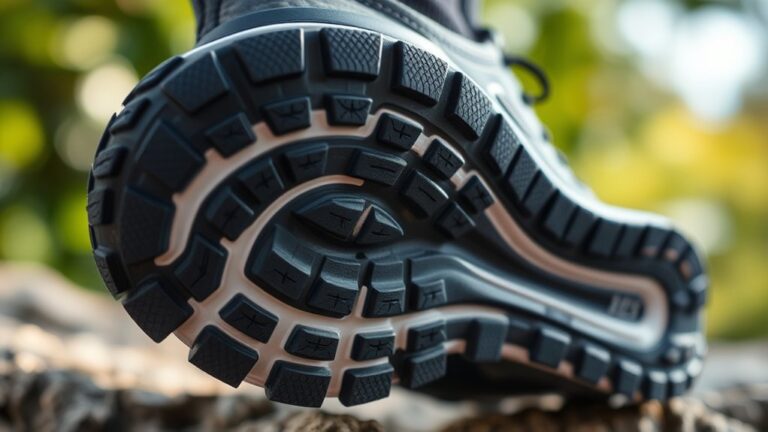
You can figure out if you need a stability shoe by paying attention to signs of overpronation when you walk or run. One easy way is to look at the soles of your current shoes—if the inner edges are worn down more than the rest, that’s a clue your feet might be rolling inward too much.
Another simple method you can try at home is the wet foot test. Just wet your foot and step onto a piece of paper or a flat surface where you can see the imprint.
If your arch looks low or almost flat, that’s a good sign you might benefit from shoes with extra stability features.
Identifying Overpronation Signs
How can you tell if your feet need stability shoes? Look for signs of overpronation like inward ankle rolling, shin splints, or knee pain. You might notice excessive wear on the inner edges of your shoes or a flat footprint from a wet foot test.
These indicators suggest your arches may be collapsing. Stability shoes can provide the support you need.
When choosing shoes, consider color options and brand comparisons. That way, you find a shoe that suits both your needs and style.
| Sign | Observation Method | What It Indicates |
|---|---|---|
| Inward ankle roll | Visual or gait analysis | Overpronation |
| Inner shoe wear | Shoe inspection | Stability support needed |
| Flat footprint | Wet foot test | Low arches, overpronation |
Assessing Footwear Wear Patterns
Although many runners overlook it, examining the wear patterns on your current footwear offers essential insights into your gait and stability needs.
Even wear across the outsole suggests a neutral gait, while excessive wear on the inner edge signals overpronation, indicating a need for stability shoes.
If you notice consistent uneven wear, particularly along the inner side, stability features can help correct your stride and reduce injury risk.
When exploring options, consider color choices and brand comparisons to find stability shoes that suit your style and biomechanical needs.
Brands vary in how they address support and durability, so evaluating wear patterns helps you choose models designed to counteract your specific overpronation tendencies effectively.
This practical step is key before investing in specialized stability footwear.
Performing At-Home Foot Tests
Wondering if your feet need extra support? Start with the wet foot test: wet your foot, step on a surface, and check out your footprint. A large contact area with little arch usually means overpronation. That’s when stability shoes can really help.
Take a look at your current shoes and see where they’re worn. If the inner soles are worn down, it often means your ankles roll inward. Do you get shin splints or knee pain during activity? Those are common signs of overpronation too.
While how your shoes look matters, try to focus more on how they function when picking running shoes. If you have high or flat arches, stability shoes generally provide support. But if your arch is well-defined, you probably have a neutral gait.
For the most accurate results, you might want to get a gait analysis at specialty stores. Still, these easy at-home tests are a great place to start when deciding if you need stability footwear.
Key Support Features in Stability Running Shoes
When you choose stability running shoes, you benefit from carefully engineered features designed to control overpronation and enhance foot alignment. These shoes often include a firmer medial post or denser foam on the inner midsole, providing targeted arch support that complements custom orthotics if you use them.
Extended heel counters lock your heel in place, adding rearfoot stability and preventing excess movement. Guide rails or support structures subtly direct your foot’s natural rolling motion, promoting efficient gait mechanics.
Additionally, the outsole frequently features a wider base, improving balance and preventing inward foot collapse.
Together, these elements deliver precise support without sacrificing flexibility, ensuring your feet stay properly aligned and comfortable during each run.
How Stability Shoes Correct Overpronation Motion
Because your feet naturally tend to roll inward during running, stability shoes use targeted features like medial posts and denser foam on the inner midsole to counteract this motion. These elements provide overpronation correction by supporting your foot’s natural biomechanics, guiding it toward a more neutral alignment.
Stability shoes also incorporate guide rails and reinforced heel counters, which actively control excessive inward or outward foot movement. This biomechanical stability reduces undue stress on your ankles, knees, and hips by limiting abnormal foot motion.
They’re particularly beneficial for runners with low arches or flat feet, helping maintain proper gait mechanics and minimizing injury risk.
Latest Technology in Stability Shoes
You’ll find that the latest stability shoes come with innovative medial support systems designed to adapt to your pronation needs. This means they offer precise control exactly where you need it.
Plus, they use lightweight materials like dual-density foams and TPE, so you get great stability without any extra bulk.
What’s really cool is the advanced guide rail technologies included. These gently guide your foot into alignment, which helps enhance support throughout your entire stride.
Medial Support Innovations
How can modern stability shoes enhance your running experience through medial support? Innovations like guide rails and J-Frame technology now direct your foot’s motion while maintaining flexibility. This helps prevent overpronation effectively.
Medial support has come a long way with dual-density foams and reinforced medial posts that adjust to how severe your pronation is. This offers a custom fit that adapts dynamically as you run.
Some models even use 3D-printed medial posts tailored to your individual biomechanics, which means personalized support and superior comfort.
Plus, adaptive medial support systems respond in real time to changes in your gait. This optimizes stability throughout your run.
Lightweight Stability Materials
Building on advancements in medial support, stability shoes now focus heavily on lightweight materials to enhance performance without compromising control. You’ll find thermoplastic polymers, engineered mesh, and dual-density foams working together to reduce weight while maintaining essential support.
Brands like Brooks and ASICS incorporate carbon fiber plates and responsive foam blends, offering stability with minimal bulk. EVA foams with gel pockets further cushion without adding heft.
When comparing brands, pay attention to seamless, breathable uppers and lightweight structural elements that optimize agility.
Additionally, color options have expanded, allowing you to choose stability shoes that suit your style without sacrificing function. These innovations guarantee you get precise, efficient support tailored to your running needs.
Adaptive Guide Rail Systems
What sets the latest stability shoes apart is their adaptive guide rail systems, which actively adjust support based on your unique gait. These systems use engineered, flexible structures to guide your foot toward a neutral position without rigid correction, unlike traditional medial posts.
When you compare brands, you’ll notice variations in how each integrates these rails. This affects how responsive and comfortable the shoes feel. Plus, color options have expanded, so you can pick shoes that match your style while still getting cutting-edge support.
Key benefits include dynamic stabilization that adapts in real-time to your foot motion. They’re made with lightweight, durable materials that don’t add extra weight. Plus, they help improve running biomechanics and reduce injury risk through optimized alignment.
This technology offers precise, personalized support for stability without sacrificing natural flexibility. It’s like having support that works with you, not against you.
How Stability Shoes Enhance Running Form and Prevent Injuries
Because improper foot alignment can lead to injuries and inefficient running form, stability shoes play an essential role in supporting your biomechanics. These shoes use medial posts and guide rails to control overpronation, promoting proper foot biomechanics and reducing abnormal foot motion.
Stability shoes correct overpronation, supporting proper foot alignment and enhancing running biomechanics.
By stabilizing your foot’s inward roll, they help maintain a more efficient running gait. This optimizes performance and lessens undue strain on your knees, hips, and lower back.
This biomechanical support is fundamental for injury prevention, markedly lowering your risk of plantar fasciitis, shin splints, and knee pain. Research shows that runners with overpronation who wear stability shoes experience fewer injuries caused by improper gait mechanics.
Ultimately, stability shoes enhance your running form by encouraging natural pronation and improving overall biomechanical efficiency.
Tips for Transitioning to Stability Running Shoes Safely
Once you decide to incorporate stability shoes into your running routine, it’s important to introduce them carefully to avoid muscle strain or discomfort. Stability shoes combine advanced cushioning technology with thoughtful aesthetic design. But shifting too quickly can disrupt your biomechanics. So, take it slow and give your body time to adjust.
Start by wearing your new stability shoes for short periods. Gradually increase how long you use them over several weeks. This lets your muscles adapt without getting overwhelmed.
Also, strengthen your feet and ankles with targeted exercises. This helps support enhanced stability and prevents injury.
If orthotics or insoles are recommended, be sure to use them. Make sure they fit properly and align well based on gait analysis.
Keep an eye on your comfort level. If any pain comes up, don’t hesitate to consult a specialist. Proper transition maximizes the benefits of stability shoes while keeping your running form safe and sound.
Frequently Asked Questions
Can Stability Shoes Be Used for Walking or Casual Wear?
Yes, you can use stability shoes for walking and casual wear. They offer daily comfort and fashion versatility by combining supportive features with stylish designs. This helps you stay comfortable and balanced throughout your day.
Plus, they’re great if you want something that works well for both activity and everyday style. So, whether you’re out for a stroll or just running errands, stability shoes have got you covered.
How Do Stability Shoes Differ for Men and Women?
You’ll notice stability shoes differ in gender-specific fit, with narrower heels for women and broader ones for men. They adjust medial support to match biomechanical differences, ensuring ideal comfort, alignment, and gait correction tailored precisely to you.
It’s all about making sure the shoe feels just right. So whether you’re a man or a woman, the design helps support your unique foot shape and movement. That way, you get the best experience every time you put them on.
Are Stability Shoes Suitable for Trail Running?
Yes, stability shoes suit trail terrain well, especially on uneven surfaces. They offer reinforced outsoles and aggressive treads that provide traction and support. This helps you maintain proper alignment and control on technical trails.
What Materials Are Commonly Used in Stability Shoe Midsoles?
You want midsoles materials that balance cushioning technology and support. Stability shoes use EVA foam for shock absorption, dual-density foam for medial support, TPU guide rails for control, and sometimes carbon fiber plates for added propulsion and durability.
These materials work together to keep your feet comfortable and stable. EVA foam cushions your steps, while the dual-density foam helps prevent your foot from rolling inward. TPU guide rails add extra control, especially during movement.
Sometimes, you’ll find carbon fiber plates in the mix. They give a boost in propulsion and make the shoe more durable. Overall, each material plays a key role in providing the right balance for stability shoes.
How Often Should Stability Shoes Be Replaced for Optimal Support?
You should replace stability shoes every 300 to 500 miles to maintain shoe cushioning and arch support. Worn-out shoes lose effectiveness, risking injury, so regularly check wear and track mileage to guarantee ideal support and performance.
Keeping an eye on your shoes’ condition is really important. When they start to feel less supportive or show signs of wear, it’s time to think about getting a new pair. This way, you keep your feet comfortable and reduce the chance of injury.
Conclusion
Choosing stability shoes is like giving your feet a sturdy compass, guiding each step with balanced support. By understanding their key features and how they correct overpronation, you’ll prevent injuries and run with improved form.
Moving thoughtfully guarantees your feet adjust smoothly to this enhanced stability. Embrace these shoes as your reliable running partner, helping you conquer every mile with confidence and precision.
Your journey to better support starts here.