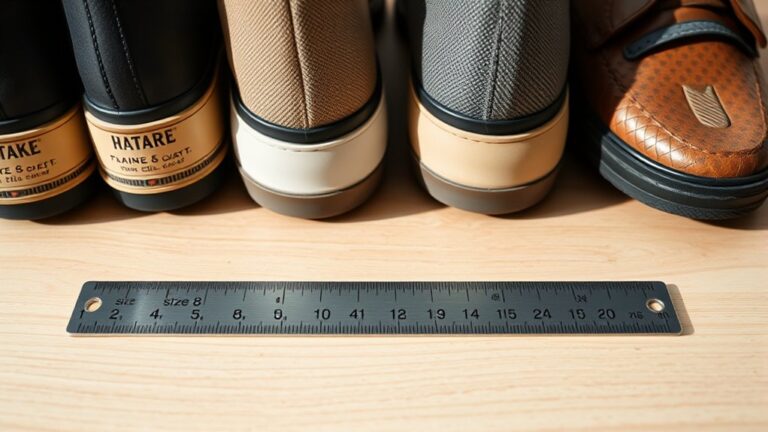
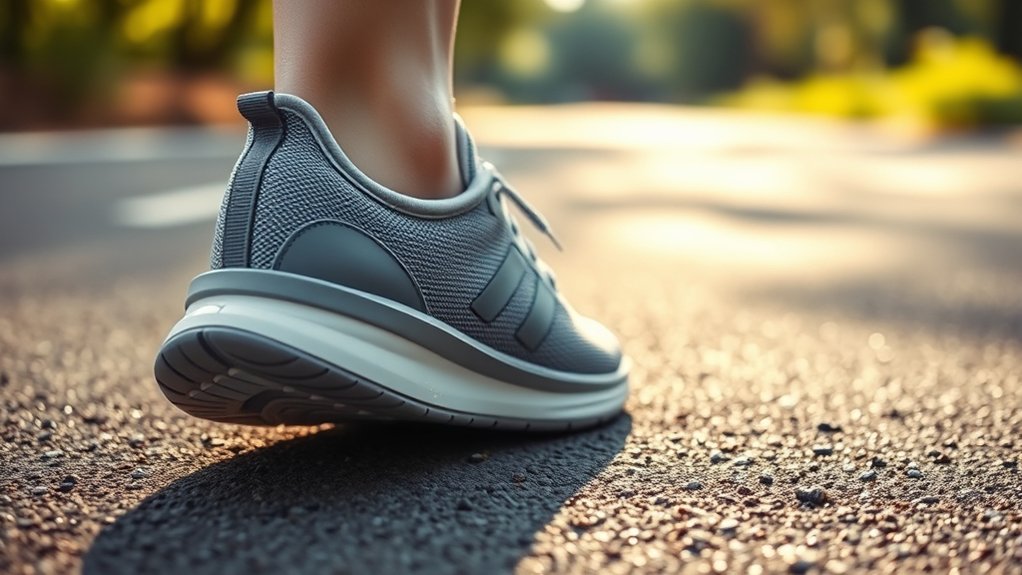
What Is A Neutral Running Shoe – Features And Benefits
A neutral running shoe supports your natural gait by allowing unrestricted foot motion without corrective features like medial posts. It offers flexible midsoles, balanced cushioning, and wide toe boxes that let your toes splay and feet expand naturally. This promotes efficient foot strikes and engages stabilizing muscles.
Plus, it helps reduce injury risk by lowering joint strain and issues related to overpronation. If you want to enhance comfort and prevent injuries while running naturally, understanding these features and benefits is essential.
Knowing what makes a neutral shoe different will help you make the right choice for your running style.
Key Takeaways
- Neutral running shoes support a natural gait without medial or lateral posting, allowing unrestricted and balanced foot movement.
- They feature flexible midsoles, wide toe boxes, and lightweight designs to promote toe splay and natural foot biomechanics.
- These shoes provide absorptive yet responsive cushioning that reduces joint strain and supports efficient shock absorption.
- Neutral shoes engage stabilizing muscles by avoiding corrective structures, enhancing natural foot motion and preventing overuse injuries.
- Ideal for runners with healthy arches and normal pronation, they promote comfort, injury prevention, and smooth, efficient strides.
What Is a Neutral Running Shoe and Who Should Wear It
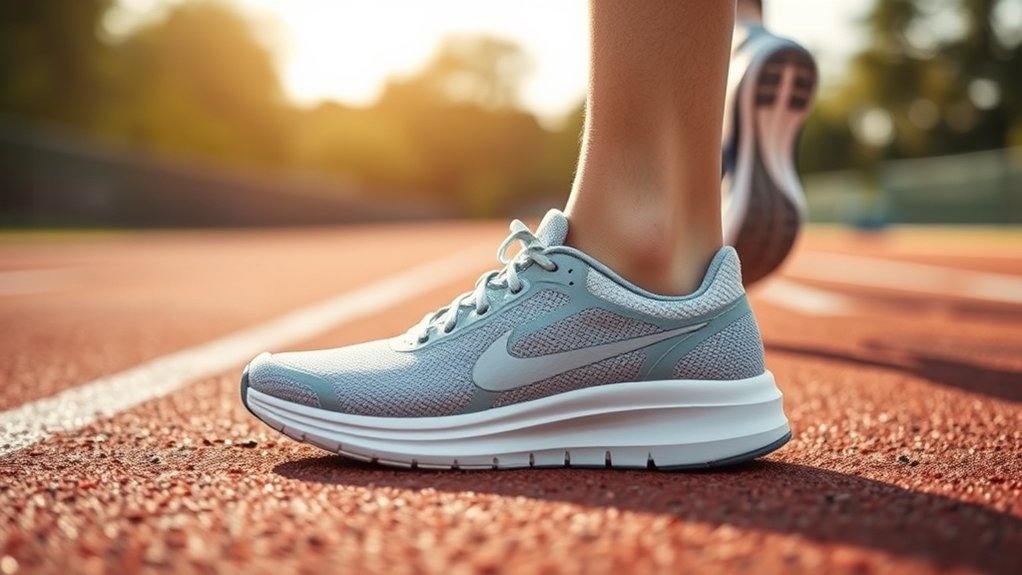
What makes a running shoe neutral, and how do you know if it’s right for you? Neutral running shoes support a natural gait without correcting overpronation or supination. They lack medial or lateral posting, allowing your foot to move in a balanced, steady motion.
Neutral running shoes promote a natural gait by allowing balanced foot movement without correction features.
If you have healthy arches and no significant gait abnormalities, a neutral shoe suits you best. To confirm this, you can undergo gait analysis or perform a wet foot test.
Beyond function, fashion trends have influenced the design and shoe material, balancing performance with style. Modern neutral shoes often use breathable, lightweight materials that enhance comfort without compromising support.
Selecting the right neutral shoe ensures you maintain natural foot mechanics, reducing injury risk while aligning with current aesthetic preferences.
Neutral vs. Stability Running Shoes: Key Differences Explained
How do you choose between neutral and stability running shoes? Neutral shoes support a natural gait without medial posts or guiding tech, promoting unaltered foot movement.
Stability shoes, on the other hand, include features like medial posts, firmer foam, or guide rails to control overpronation, which is excessive inward foot roll.
Both types may share similar heel drops, but their internal support structures differ fundamentally.
When exploring brand comparisons, note that some brands emphasize sleek designs that align with current fashion trends. Others focus more on biomechanical support.
Knowing these differences helps you pick a shoe that matches your gait. Neutral shoes suit runners with normal pronation, whereas stability shoes are for overpronators needing corrective support.
Understanding this technical distinction guarantees maximum comfort and injury prevention.
How to Identify If You Need Neutral Running Shoes
To figure out if you need neutral running shoes, a good place to start is by checking your gait. You can do a simple wet foot test at home or, for more accuracy, get a professional gait analysis.
Next, take a look at your foot arch—this gives you clues about how your foot moves. Also, don’t forget to examine the wear patterns on your current running shoes.
If the wear is fairly even, that usually means your foot strikes neutrally. These steps together can help you decide whether you need shoes with extra support or if neutral shoes are the way to go.
Gait Assessment Methods
Although selecting the right running shoe can feel complex, evaluating your gait provides clear guidance on whether you need neutral running shoes. Considering your running gait and foot biomechanics is essential.
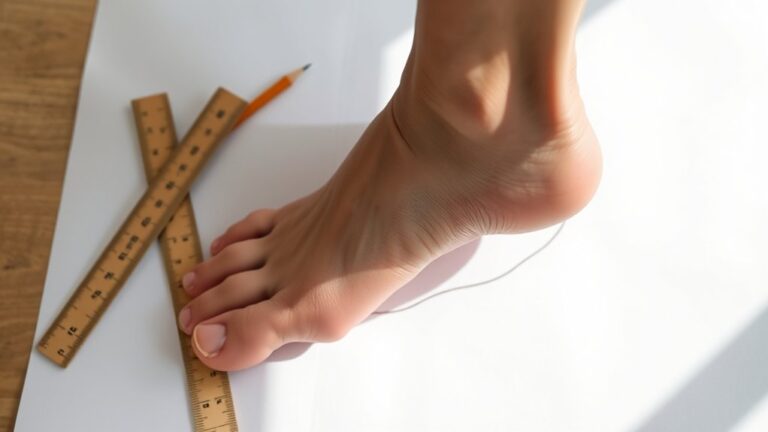
Start with a wet foot test: step on paper and observe your footprint. A moderate imprint usually signals a neutral gait.
Next, examine your current shoes’ wear pattern. Even wear across the sole indicates neutral foot biomechanics.
For precision, seek a professional gait analysis at a specialized store. There, treadmill filming captures your foot motion and pronation type.
Pay attention to signs like inward ankle rolling or shin splints, as these suggest overpronation. This means neutral shoes may not suit you.
After evaluation, transition gradually to neutral shoes to allow your foot muscles to adapt safely.
Foot Arch Identification
Understanding your foot arch type complements gait analysis by giving you more insight into whether neutral running shoes are right for you. You can use footprint interpretation to do a simple wet foot test and figure out your arch type. This helps you see if your foot structure works well with neutral shoes or if you might need extra support.
Here are some key indicators to look for: a full footprint outline usually means you have a normal or high arch, which fits well with neutral shoes. If you see partial or slight arch curves, that suggests a neutral arch type.
On the other hand, a very minimal arch imprint points toward flat feet, which might need stability shoes.
Also, if your shoe soles wear evenly, that often goes hand in hand with neutral arches. Just be careful not to mix up your arch type with foot pronation. Focus on the shape of your footprint to get it right.
This simple method helps you pick shoes that match your natural foot biomechanics, making your runs more comfortable and effective.
Wear Pattern Analysis
When you examine the wear pattern on your running shoes, you can quickly identify how your feet move during your gait cycle. If you notice even wear across the sole, it typically indicates a neutral gait, suggesting that neutral running shoes will suit you best.
Excessive wear along the inner edge points to overpronation, meaning stability or motion-control shoes might be more effective.
Conversely, wear on the outer edges often signals supination, requiring specialized support.
Monitoring your shoe’s wear pattern not only guides proper shoe selection but also helps maximize shoe lifespan by addressing biomechanical needs early.
Combining this analysis with a wet foot test can confirm your arch type and pronation, ensuring you choose footwear that enhances performance and reduces injury risk.
Key Features That Define Neutral Running Shoes
Because neutral running shoes lack medial support features, they allow your foot to move naturally and maintain a balanced gait. Shoe manufacturing leverages flexible midsoles without stability posts or guide rails, promoting unrestricted foot motion.
Fashion trends also influence design, favoring lightweight constructions with wide toe boxes for comfort and toe splay.
Key features include:
- Flexible midsole for natural movement
- Absorptive yet responsive cushioning
- Slight rocker shape with zero to low heel drop
- Lightweight materials enhancing agility
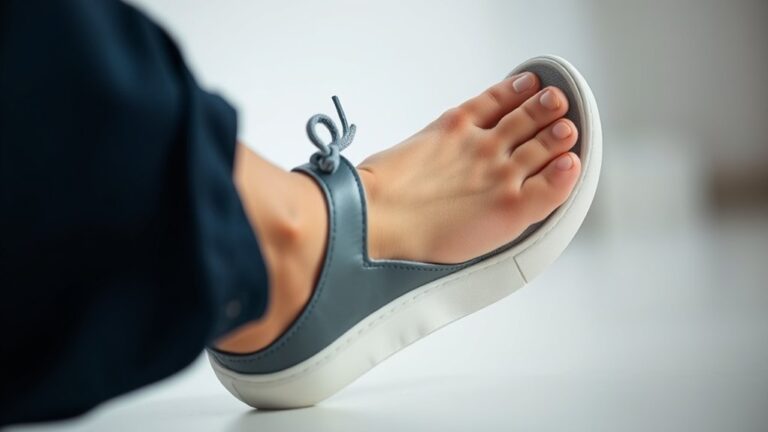
- Wide toe box allowing toe splay
These characteristics work together to support a natural stride without interference. They align with both biomechanical function and current fashion trends in running footwear.
Understanding these features helps you choose shoes that complement your running style and foot mechanics effectively. It’s all about finding the right balance between comfort and performance.
How Neutral Shoes Help Your Feet Move Naturally
You’ll find that neutral shoes promote natural foot motion by letting your feet move freely without any artificial support.
They’ve a flexible design that encourages balanced weight distribution.
Plus, they let your toes splay naturally with each stride.
This helps keep your biomechanics efficient and gets the stabilizing muscles in your feet and legs working just right.
Promotes Natural Foot Motion
Although many running shoes aim to correct your stride, neutral running shoes support your foot’s natural gait without altering its movement patterns. They lack medial posts or stability features, allowing your foot to move freely through its normal range of motion.
This design promotes natural foot motion, engaging more muscles and improving running efficiency.
When comparing brands, you’ll find a variety of color options and design features that maintain this fundamental support principle.
Key benefits include:
- Encourages natural heel-to-toe progression
- Allows toes to splay with wide toe boxes
- Lightweight and flexible for unrestricted movement
- Enhances muscle engagement and foot strength
- Supports efficient foot strike without correction
Choosing neutral shoes helps your feet move as they were designed to, improving overall biomechanics.
Allows Flexible Foot Movement
When you wear neutral running shoes, your feet get more freedom of movement because of their lightweight, flexible design. They don’t have stability elements like medial posts, which means your foot can move more naturally.
This design helps your toes and midfoot move freely with each stride. Features like wide toe boxes and flexible midsoles let your toes spread out and your foot expand. This makes your foot better at adapting on the go.
Without corrective structures, your muscles work more effectively to support your foot’s natural biomechanics. This unrestricted motion improves how you walk or run by allowing a more natural, efficient stride.
In the end, neutral shoes encourage a smooth range of motion. They help you keep your foot flexible and respond better to different running surfaces and styles.
Encourages Balanced Weight Distribution
Because neutral running shoes lack overcorrective features, they let your foot move naturally. This helps promote balanced weight distribution across all areas of your foot.
When weight is spread evenly, it absorbs impact better, reducing pressure points and lowering the chance of injury.
Neutral shoes do this thanks to cushioned midsoles and wide toe boxes. These elements support proper weight alignment and encourage a natural gait.
Here are some key features that help enhance balanced weight distribution:
- Cushioned midsoles for shock absorption
- Wide toe boxes to prevent pressure buildup
- Durable materials that maintain support over time
- Varied color options without compromising function
- Design promoting symmetrical foot strike
Injury Prevention Benefits of Neutral Running Shoes
If you choose neutral running shoes, you promote natural foot motion that reduces the risk of overuse injuries caused by unnatural gait patterns. Their balanced cushioning and absence of medial support enable proper shock absorption, lowering joint and muscle strain.
Supporting a neutral gait helps prevent shin splints, plantar fasciitis, and knee pain by encouraging correct foot alignment and reducing overpronation-related injuries.
| Feature | Injury Prevention Benefit |
|---|---|
| Balanced Cushioning | Absorbs shock, lowers joint strain |
| Neutral Gait Support | Prevents shin splints, knee pain |
| Proper Foot Alignment | Reduces overpronation injuries |
| Reduced Compensations | Lowers risk of stress fractures |
When you’re deciding between shoe looks and price, try to focus on functionality instead. It’s more important for protecting your running health in the long run.
Choosing the Right Neutral Running Shoe for Your Running Style
Selecting the right neutral running shoe starts with understanding your gait pattern. You can figure this out through a professional gait analysis or even a simple at-home wet foot test.
Once you know your gait, you’ll want to focus on running shoe materials that provide balanced cushioning without any medial support.
Many athletic shoe brands now include FootShape™ toe boxes. These encourage natural toe splay and make your shoes more comfortable overall.
When you’re choosing your shoe, keep a few things in mind: look for a balanced midsole with no medial posting. Also, go for a lightweight and flexible design that promotes natural foot movement.
Make sure the fit works well with your usual running socks to avoid slipping or pressure points.
Don’t forget to get adequate cushioning that matches your typical distance and terrain.
And of course, your shoe should be compatible with your foot width and arch shape. That way, you’ll get the best support and comfort for your runs.
Tips for Testing and Buying Neutral Running Shoes
Understanding your gait and shoe preferences sets the foundation for testing and buying neutral running shoes effectively. Begin by performing a wet foot test or examining your current shoes for even sole wear to confirm a neutral gait.
It’s a good idea to visit a specialty store for a professional gait analysis using a treadmill or video assessment to refine your understanding.
When selecting shoes, compare brands to find models labeled “neutral” that align with your foot type.
Pay attention to features like cushioning and flexibility. Also, consider color options that suit your style without compromising performance.
If you’re switching from stability shoes, make sure to shift gradually to avoid discomfort.
Trying shoes on and evaluating fit during a run simulation helps guarantee you choose the best neutral running shoe for your needs.
It’s all about finding the right balance between comfort and function.
Frequently Asked Questions
Can Neutral Running Shoes Be Used for Walking or Casual Wear?
Yes, you can use neutral running shoes for walking or casual wear since they offer fashion versatility and footwear durability. Their flexible design supports natural gait, reducing fatigue, while cushioning guarantees comfort during prolonged use.
Plus, they look good with many outfits, so you don’t have to worry about style. And because they’re made for running, they hold up well even if you’re on your feet a lot. So, whether you’re out for a stroll or just running errands, neutral running shoes can be a great choice.
How Often Should Neutral Running Shoes Be Replaced?
You should replace neutral running shoes every 300 to 500 miles. Keep an eye on how durable they are and watch for any wear patterns closely.
Ignoring these signs can lead to reduced shock absorption. That raises the chances of injury and can mess with your overall running performance and comfort.
Are Neutral Running Shoes Suitable for Trail Running?
Neutral running shoes aren’t ideal for trail running since they lack sufficient trail traction and off-road durability. You’ll want shoes with specialized outsoles and reinforced protection to handle uneven, rocky, or muddy surfaces safely and effectively.
Basically, trail running demands gear that can keep up with the rough terrain. So, sticking with neutral shoes might leave you slipping or feeling less stable out there. It’s all about finding the right fit for the conditions you’ll face.
Do Neutral Running Shoes Provide Enough Arch Support?
Like a gentle breeze, neutral shoes offer minimal arch support, relying on your foot’s natural shape. They provide decent shoe durability but may not suit you if you need substantial arch support for stability or injury prevention.
If you’re someone who needs extra support, these might not be the best pick. But if your feet are happy with a natural feel, neutral shoes can do the job just fine. It really depends on what your feet need.
Can Beginners Benefit From Wearing Neutral Running Shoes?
Yes, you can benefit from neutral running shoes. Running shoe technology and athletic footwear trends emphasize lightweight, flexible designs that support natural motion. This helps beginners develop strength and avoid injury while adapting to efficient, unrestricted running mechanics.
Conclusion
If you’re among the 60-70% of runners with a neutral gait, choosing neutral running shoes can really enhance your natural foot motion and help reduce the risk of injury. These shoes provide balanced cushioning without extra support, which lets your feet move freely.
By understanding your running style and testing shoes carefully, you’ll be able to find the perfect pair that supports your stride efficiently. Remember, the right neutral shoe isn’t just about comfort. It’s also a key to better performance and long-term foot health.