What Size Shoe Does A 6 Month Old Wear – Baby Size Chart
At 6 months, your baby typically wears size 3C shoes, fitting feet about 4¾ inches long. You’ll want to allow about ½ inch extra room to accommodate growth. Measure both feet regularly and choose size based on the longer one, ensuring the shoes fit snugly without pinching.
Soft, flexible, and breathable shoes provide comfort and protection as your baby starts exploring. Keep checking shoe fit often to support healthy foot development and avoid discomfort. More details on measuring and choosing shoes follow.
Key Takeaways
- A 6-month-old typically wears size 3C shoes, fitting approximately 4¾ inches of foot length.
- Allow about ½ inch extra space inside shoes to accommodate rapid foot growth.
- Measure both feet regularly and choose shoe size based on the longer foot plus growth allowance.
- Soft, flexible, breathable shoes with non-slip soles are recommended for comfort and natural movement.
- Check shoe fit every 1 to 2 months to ensure proper support and replace worn or tight shoes promptly.
What Size Shoe Does a 6 Month Old Typically Wear?
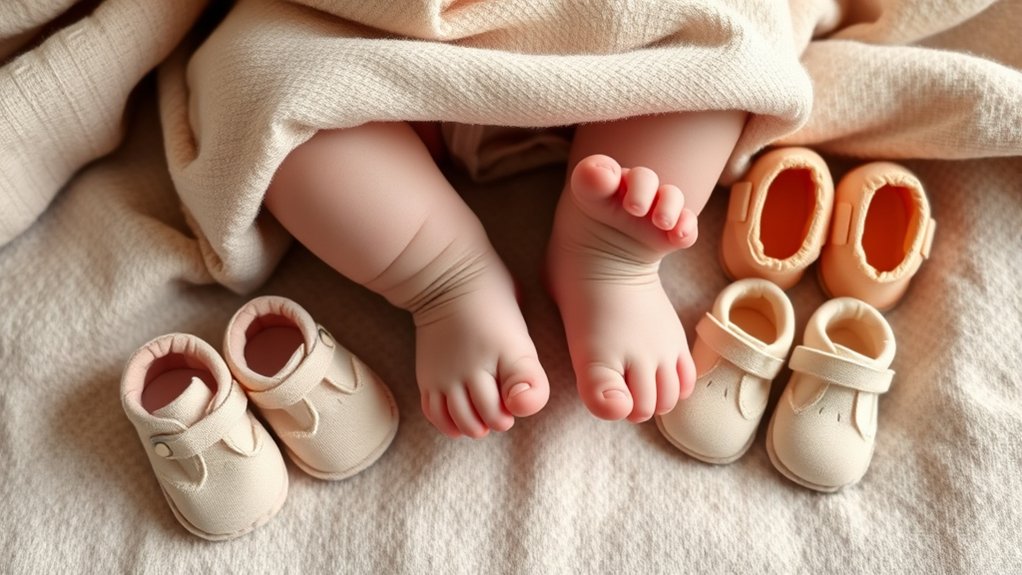
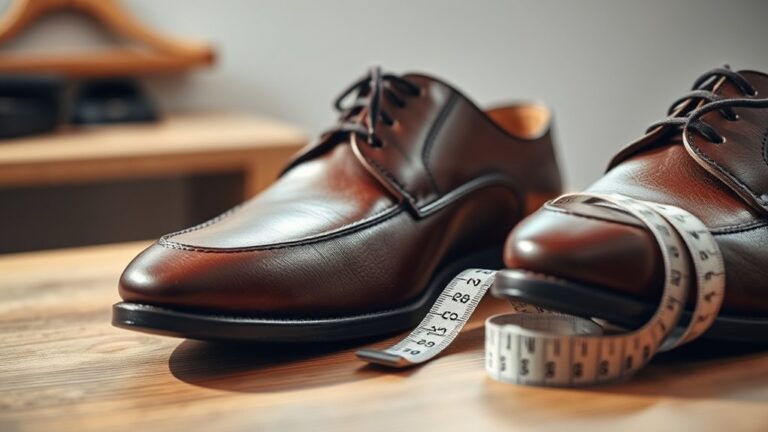
At six months old, your baby typically wears a size 3C shoe, which corresponds to an average foot length of about 4 ¾ inches. To guarantee comfort and proper growth, you should allow about ½ inch of extra space inside the shoe. Measuring your baby’s foot from heel to longest toe is essential for selecting the right size.
Keep in mind that babies’ feet grow quickly, so regular measurement every few months is vital. When choosing shoes, pay attention to fashion trends that favor soft-soled footwear made from flexible, breathable materials. These materials support your baby’s developing feet without restricting movement.
Prioritizing fit and proper shoe materials over style ensures both comfort and healthy foot development at this stage. So, it’s really about what feels right and allows your little one to move freely as they grow.
When Should 6 Month Old Babies Start Wearing Shoes?
Although many babies start wearing shoes between 9 and 12 months when they begin walking, you might consider protective footwear for your 6-month-old if they spend time on rough surfaces.
Many babies start wearing shoes when walking, but protective footwear may be needed earlier on rough surfaces.
Generally, it’s best to keep babies barefoot or in socks to support natural foot development.
When choosing shoes at this age, focus on lightweight, soft-soled options made from breathable materials to guarantee comfort and safety.
Keep in mind these factors when deciding to introduce shoes:
- Protect delicate feet from sharp or uneven outdoor surfaces
- Choose shoes that don’t restrict natural movement
- Follow current fashion trends without compromising foot health
How to Measure Your Baby’s Feet for Accurate Sizing
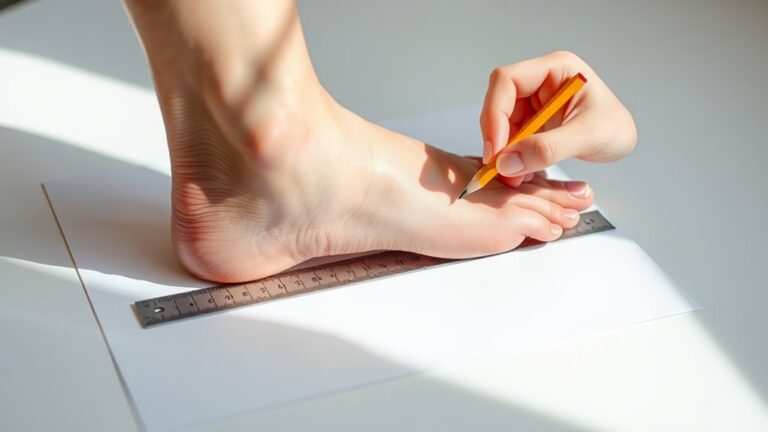
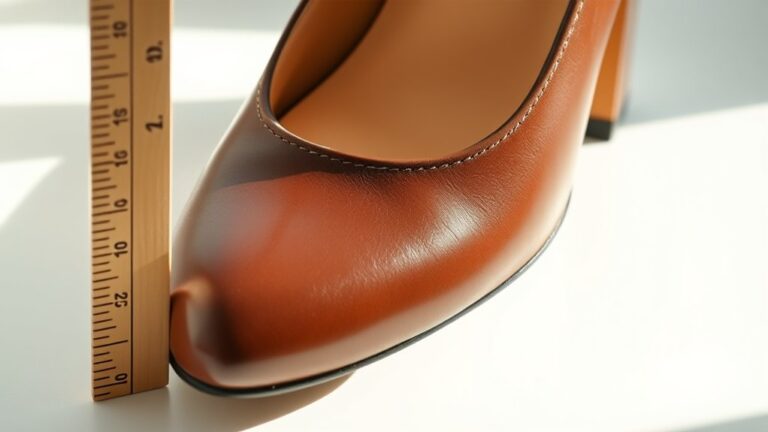
Wondering how to get the perfect fit for your baby’s shoes? Start by gently pressing your baby’s foot against a flat surface and marking the longest toe and heel to measure length accurately.
Use a printable size guide at 100% scale, verifying its accuracy with a credit card.
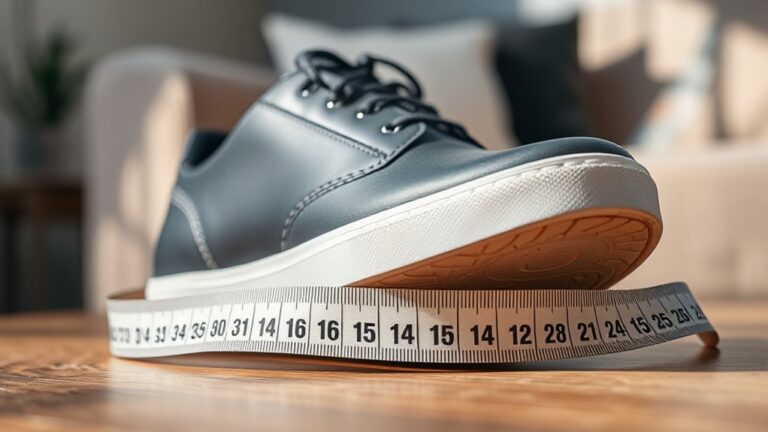
Next, wrap a flexible tape or ribbon around the widest part of the foot to measure circumference. This helps ensure the shoe material accommodates the foot arch comfortably.
Make sure to measure both feet and choose the size based on the longer foot, adding about ½ inch for growth.
Regularly measuring your baby’s feet during growth phases helps you select shoes that offer proper support without restricting movement or compromising foot arch development.
Accurate measurement is key to healthy foot growth and comfort. So, keep checking those little feet often!
Signs Your 6 Month Old’s Shoes Fit Properly
You’ll want to make sure there’s about half an inch of space between your baby’s longest toe and the front of the shoe. This little gap gives their feet room to grow.
Also, keep an eye on how comfortable your baby seems—there shouldn’t be any red marks, pinching, or curled toes after they’ve been wearing the shoes.
The shoes should fit snugly but not squeeze, so your baby’s feet can move naturally and stay comfortable.
Checking Toe Space
When checking your 6-month-old’s shoe fit, make sure there’s about half an inch of space between the longest toe and the shoe’s front. This allows for proper growth and comfort. Proper toe space supports healthy foot development and prevents discomfort.
Also, consider the shoe material; it should be flexible enough to accommodate natural movements without restricting the toes.
Look for these signs to verify the fit is right:
- Toes aren’t curled or dragging, which means there’s enough room inside the toe box
- No red marks, blisters, or indentations after wearing the shoes
- Gentle fingertip pressure on the shoe’s toe area reveals slight give without looseness
Checking toe space carefully helps you choose shoes that protect your baby’s growing feet and promote healthy development. It’s worth taking the time to get it right!
Observing Comfort Signs
Although it can be tricky to gauge comfort for a 6-month-old who can’t tell you directly, observing specific signs helps you know if their shoes fit properly. Shoes should offer about half an inch of space from toe to front. They should feel snug yet allow toe movement and avoid red marks or indentations.
If your baby frequently removes shoes or trips, the fit might be off. Alongside fashion trends and material preferences, these comfort signs ensure both style and well-being.
| Comfort Sign | What It Indicates |
|---|---|
| Red marks or indentations | Shoes are too tight |
| Frequent shoe removal | Discomfort or poor fit |
| Tripping or dragging toes | Shoes are too loose or tight |
Choosing Safe and Comfortable Shoe Styles for 6 Month Olds
You’ll want to pick soft-soled shoes that support your baby’s natural foot development and keep them comfortable. It’s a good idea to look for flexible, breathable materials with a non-slip sole.
Also, make sure there’s about half an inch of space inside the shoe to give their little feet room to grow.
Try to avoid rigid or heavy shoes because they can restrict movement and make your baby uncomfortable at this stage.
Keeping things light and flexible will help your baby move around safely and happily.
Soft Soles Importance
Because your 6-month-old’s feet are still developing, choosing soft-soled shoes is essential to support natural growth. Soft soles mimic barefoot movement, allowing your baby’s feet to move freely while offering light protection.
These shoes help promote healthy foot muscle strengthening and proper arch formation without restricting development.
When selecting soft-soled shoes, look for features that offer flexible, lightweight comfort to encourage natural movement. It’s also important they include non-slip soles to keep your baby safe during crawling or standing.
Using breathable materials like leather or fabric can prevent overheating and skin irritation.
Proper Fit Features
When selecting shoes for your 6-month-old, prioritize a proper fit that supports healthy foot development. Choose shoes with soft, flexible soles to allow natural movement. Avoid stiff or heavy options that can hinder muscle growth.
Make sure there’s about half an inch of extra space inside the shoe to accommodate fast-growing feet without causing tightness. Adjustable closures like Velcro help secure the shoe comfortably and adapt as your baby moves.
Opt for breathable materials that keep feet dry and reduce irritation. While fashion trends might tempt you, focus on styles that combine material durability with comfort and safety.
Prioritizing these features ensures your baby’s shoes promote healthy foot development while lasting through active wear and tear.
Baby Shoe Sizes for 0 to 12 Months: A Quick Guide
Although baby shoe sizes vary, understanding the basics can help you find the right fit for your infant’s growing feet.
Grasping the fundamentals of baby shoe sizes ensures a comfortable fit for your infant’s developing feet.
For babies 0 to 12 months, shoe sizes generally range from 3 5/8 inches (9.2 cm) at birth up to about 4 3/4 inches (12.1 cm).
A 6-month-old typically wears size 3C, which fits a foot length near 4 3/8 inches (11.1 cm).
Shoe manufacturing standards use size labels like 3C or 4C, but measuring your baby’s foot is vital for accuracy.
Keep in mind that a proper fit supports foot health and comfort.
Fashion trends shouldn’t compromise fit or flexibility.
Babies grow rapidly, so sizing needs change often.
How Often Should You Check and Replace Baby Shoes?
How often should you check your baby’s shoe size to keep up with their rapid growth? You should measure your baby’s feet every 1 to 2 months during their first year. Babies can outgrow shoes every 4 to 6 months, but rapid growth means regular checks are really important.
Monitor the fit closely and replace shoes when there’s less than a half-inch of space left. Properly fitting shoes prevent discomfort and support healthy foot development. They also reduce risks like tripping or foot deformities.
Also, think about the shoe’s durability and material. Softer, flexible materials often wear out quicker, so it’s a good idea to inspect shoes frequently for any wear and tear. Promptly replacing baby shoes ensures comfort and safety while keeping up with their growing feet.
Staying proactive helps you provide the best support during these essential early months.
Frequently Asked Questions
Can 6-Month-Old Babies Wear Shoes Outdoors Safely?
Yes, you can safely put shoes on your 6-month-old outdoors if you choose soft, flexible soles. Baby shoe fashion varies a lot, but many cultures actually prioritize barefoot time. This helps with healthy foot development before babies start walking confidently.
What Materials Are Best for Baby Shoes at 6 Months?
Think of baby shoe materials like a gentle breeze. Light, breathable leather or cotton guarantees ideal shoe fit and comfort. You’ll want soft, flexible fabrics to support natural foot movement without causing irritation or constriction.
It’s all about keeping those little feet happy and healthy. Choosing the right materials makes a big difference in how your baby feels while wearing shoes. So, go for softness and flexibility every time.
How Do Temperature Changes Affect Baby Shoe Sizing?
Temperature fluctuations cause your baby’s feet to swell or shrink, which can affect how their shoes fit.
It’s a good idea to choose shoes with proper insulation to help keep their feet comfortable. Also, make sure to measure their feet indoors. This helps avoid inaccurate sizing that can happen because of changes in the temperature outside.
Are There Specific Brands Recommended for 6-Month-Old Shoes?
You’ll want shoe styles with soft, flexible soles for comfort and foot development.
Brand recommendations like Stride Rite, Pediped, Robeez, and See Kai Run offer breathable, lightweight shoes perfect for your 6-month-old’s needs.
These brands are known for quality and comfort, making them great choices as your baby starts to explore.
Should Socks Always Be Worn With Baby Shoes at 6 Months?
You should wear socks with baby shoes at 6 months to guarantee proper baby shoe fit and comfort. Socks prevent chafing, improve fit, and add cushioning.
This makes wearing socks really important for your baby’s foot health and safety. It’s a simple step that can make a big difference in how comfortable your little one feels. So, yes, keeping socks on with those tiny shoes is definitely a good idea!
Conclusion
By regularly measuring your 6-month-old’s feet, you guarantee their shoes fit comfortably and support healthy growth. For example, Sarah noticed her baby’s shoes were tight after a month and switched to a larger size, preventing discomfort.
Remember, properly fitting shoes aren’t just about size. They protect delicate feet and encourage natural movement. Stay proactive, check sizes often, and choose safe, comfortable styles to keep your little one happy and growing strong.