How Much Room Should You Have In A Shoe – Fit Recommendations
You should leave about a thumb’s width (10-15 mm) of space between your longest toe and the front of the shoe to guarantee a proper fit. This gap allows for natural foot swelling throughout the day and prevents pressure on your toes. That way, you reduce discomfort and potential foot problems.
Also, make sure the shoe width and heel fit support stability without pinching or slipping. Proper sizing promotes comfort and long-term foot health.
Keep exploring to understand all the factors that affect shoe fit. It’s worth knowing so you can always step out comfortably!
Key Takeaways
- Leave about a thumb’s width (10-15 mm) between the longest toe and the shoe front for natural foot movement and swelling.
- Ensure shoe width is snug without pinching to avoid pressure points and maintain stability.
- Proper heel fit prevents slipping and blisters, supporting overall foot comfort and health.
- Shoes should accommodate daily foot swelling, so try them on in the afternoon for accurate sizing.
- Avoid tight shoes that cause discomfort, redness, or inability to wiggle toes, indicating poor fit.
How Much Toe Room Should You Have in a Shoe?
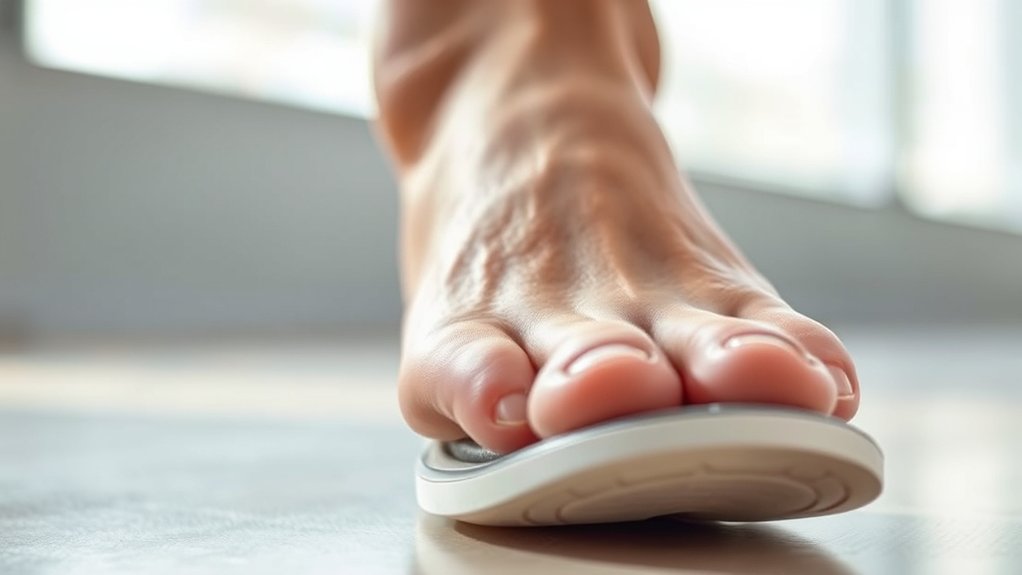
When you try on shoes, aim to leave about a thumb’s width, roughly 10 to 15 millimeters, of space between your longest toe and the front of the shoe. This small gap helps accommodate natural foot swelling throughout the day. It also prevents issues like blisters, bunions, and toe cramps caused by toes pressing against the shoe’s end.
Think about your foot shape carefully. Wider or more curved feet might need shoes with flexible material that adapts to their contours. Avoid having too little space, which can lead to discomfort and long-term damage. On the other hand, too much space can cause instability.
Proper toe room supports natural foot movement, reduces pressure points, and maintains foot health. So, it’s essential to choose shoes that balance fit with the shoe material’s stretch and your foot shape. This way, your feet stay comfortable and healthy all day long.
Why Shoe Width Is Crucial for a Comfortable Fit
Although many focus on length, shoe width plays an equally essential role in comfort and foot health. Proper width guarantees your shoe fits snugly without pinching, preventing pain and deformities. Since foot swelling varies throughout the day, choosing the right width accommodates these changes, especially when considering shoe material flexibility.
Wearing shoes too narrow restricts blood flow, causing numbness and long-term issues. Below is a guide to shoe widths and their impact:
| Width Size | Foot Type | Common Issues If Ill-Fitting |
|---|---|---|
| Narrow | Slim feet | Pinching, restricted circulation |
| Medium | Average width | Ideal for most, balanced fit |
| Wide | Broad feet | Prevents pressure and friction |
| Extra Wide | Very broad or swollen feet | Accommodates foot swelling |
| Custom | Unique foot shapes | Tailored comfort, reduced pain |
Picking the right width for your foot volume guarantees stability and promotes foot health. It really makes a difference in how comfortable your shoes feel all day long.
How to Check Heel Fit and Prevent Slipping
To make sure your shoes fit just right, start by checking if your heel slips around. Heel slip can be a real pain and often leads to discomfort or even blisters.
If you notice any slipping, try adjusting the laces or straps to get a snugger fit. This helps keep your heel in place and boosts stability.
The goal is to keep your heel snug without leaving too much extra space. That way, you prevent slipping and enjoy better overall comfort.
Heel Slip Causes
If your heel lifts more than half an inch while walking or jumping in place, your shoe likely has insufficient heel lockdown. Heel slip often happens because of an improper fit or a heel collar that’s too loose. This causes your foot to move too much inside the shoe. That can lead to discomfort, blisters, and less control over your shoe.
To fix heel slip, think about these causes:
- Inadequate heel cushioning that doesn’t fill gaps or secure the heel properly.
- Poor shoe ventilation that causes too much moisture, which makes the foot slip more.
- A heel collar that’s too wide, letting your foot move around unnecessarily.
Make sure to check the heel fit carefully. Getting the right heel lockdown will help you avoid heel slip and make your shoes more comfortable and better for performance.
Securing Heel Fit
Addressing heel slip starts with confirming that your heel fit is secure and snug. To check, walk in your shoes and ensure your heel doesn’t lift more than half an inch during movement. If you notice slipping, adjust your shoe lacing to create a tighter lockdown around the midfoot. This helps stabilize the heel.
When lacing alone isn’t enough, adding heel padding or a heel grip can effectively fill gaps and reduce heel lift.
A proper heel fit prevents blisters and improves stability. This is especially important for activities like running or cycling.
How Arch Length and Arch Support Affect Shoe Fit
You need to measure your arch length accurately to make sure the shoe fits your foot’s natural shape. This helps avoid heel slipping or toe crowding.
Also, matching the proper arch support is important because it helps distribute pressure evenly across your midfoot. That way, you get better stability and comfort.
Without the right arch fit, you might experience more foot fatigue and uneven weight distribution, which can lead to pain.
Arch Length Measurement
Because your arch length determines how well a shoe supports your foot, measuring the distance from your heel to the ball of your foot is essential for a proper fit. Accurate arch measurement plays a critical role in understanding your foot biomechanics. It helps make sure the shoe aligns with your natural arch curve.
This alignment prevents discomfort and instability caused by mismatched arch lengths. When you measure your arch length, you’ll ensure your shoes provide stability without creating pressure points. They’ll also distribute weight evenly to reduce fatigue.
Plus, measuring your arch helps prevent heel gaping and excessive arch strain. It’s a simple step that makes a big difference in comfort and support. So, take a moment to measure—it’s worth it!
Matching Arch Support
Measuring your arch length not only guides you in selecting the right shoe size but also plays a key role in matching arch support to your foot’s natural shape. Proper arch support should align precisely with your arch length to guarantee even pressure distribution, helping maintain correct foot alignment.
If arch support is too high or too low, you risk discomfort, cramps, and instability during movement. Accurately measuring your arch length helps you choose shoes that reduce heel gaps or toe crowding by providing support where your foot needs it most.
When arch support fits well, the midsole curve mirrors your foot’s shape, promoting better posture and reducing strain on your knees and hips. This alignment prevents long-term issues like plantar fasciitis and overpronation, assuring a healthier stride.
It really makes a difference in how comfortable and stable you feel while walking or running.
Effects On Foot Pressure
When arch length and support align properly with your foot, pressure distributes evenly across the sole. This helps prevent common discomforts and potential injuries.
Proper arch length in your shoes ensures that weight spreads uniformly, which reduces risks like arch strain and plantar fasciitis.
Shoe material also plays an essential role in providing adequate arch support. It enhances both comfort and durability.
Even as fashion trends evolve, it’s important to prioritize fit and support over style alone to protect your foot health.
Here’s what you can expect from well-fitted arch support:
- Reduced heel gapping and heel lift, which helps maintain proper alignment during movement
- Minimized pressure points, blisters, and callouses that come from uneven weight distribution
- Promotion of natural foot biomechanics, enhancing overall comfort and stability
Choosing shoes with the right arch length and support guarantees healthier feet and a better fit.
How Daily Foot Changes Affect Shoe Fit
As your feet naturally swell and expand throughout the day, especially after long periods of standing or walking, the fit of your shoes can change quite a bit. Foot swelling tends to increase in warm weather or after eating salty foods. This means shoes that felt comfortable in the morning might feel tight by evening.
Because of this, shoe sizing isn’t set in stone; it changes with your daily foot size. To get the best fit, try on shoes later in the day when your feet are at their biggest.
Also, walking around in new shoes after trying them on helps you see how swelling affects comfort and fit.
Keeping these daily changes in mind makes sure you pick shoes that can handle natural foot fluctuations. That way, your shoes stay comfy all day long.
Signs Your Shoes Are Too Tight or Too Small
If your shoes feel uncomfortable or cause pain during wear, they might be too tight or small. Tight shoe materials can restrict your foot, leading to pinching, blisters, or numbness. This discomfort usually gets worse the longer you wear them or when you’re active. It’s a clear sign the fit isn’t right.
Poor foot hygiene combined with tight shoes can increase the risk of corns, bunions, and ingrown toenails. So, it’s important to watch for these signs:
- Toes cramped or pressed against the shoe’s front, which stops them from moving naturally
- Persistent redness, pain, or not being able to wiggle your toes freely
- Heel lift or slipping inside the shoe, showing the size might be too narrow or small
Catching these issues early helps prevent long-term foot problems and keeps your feet healthy overall.
Tips for Choosing Shoes With the Right Fit and Space
Recognizing signs of shoes that are too tight is just the start; choosing shoes with the right fit and space guarantees lasting comfort and foot health. When selecting shoes, aim for about a thumb’s width (10-15mm) of space in the toe box to allow your toes to move freely without pinching.
Try shoes in the afternoon since feet swell throughout the day. This helps ensure the fit accommodates natural volume changes.
Also, focus on a snug heel to prevent slipping but avoid excessive space that can cause instability.
Consider shoe material carefully. Flexible, breathable materials adapt better to foot shape and enhance comfort.
While staying aware of fashion trends, prioritize fit over style to avoid long-term foot issues.
Proper balance between comfort and style ensures you get the best of both worlds. It’s all about finding shoes that feel good and look good too.
Frequently Asked Questions
How Often Should I Replace Shoes to Maintain Proper Fit?
You should replace shoes every 6 to 12 months or 300-500 miles. This is because shoe material breaks down over time and foot swelling can affect how they fit.
It’s a good idea to regularly check for wear. That way, you can make sure your shoes keep providing proper support and stay comfortable during use.
Can Insoles Affect the Amount of Room Needed in Shoes?
When it comes to insoles, they can make or break your shoe fit. Insole padding and arch support add volume, so you’ll need extra room to avoid tightness and maintain comfort throughout the day.
It’s all about giving your feet enough space. If the insoles take up too much room, your shoes might feel cramped. So, when picking shoes, think about the insoles you plan to use and how much space they’ll need inside.
How Do Different Sock Thicknesses Impact Shoe Fit?
Sock thickness directly affects shoe compression. Thicker socks reduce the space inside shoes, which can increase compression and sometimes cause discomfort.
So, it’s a good idea to adjust your shoe size or fit when wearing thicker socks. This helps keep things comfortable and prevents too much squeezing inside your shoes.
Basically, being mindful of sock thickness can make a big difference in how your shoes feel throughout the day.
Are Shoe Sizing Standards Consistent Across Brands?
You can’t rely on brand consistency because shoe sizing standards vary widely. Sizing variability across manufacturers means you should always try shoes on or measure your feet. This helps ensure a proper fit despite labeled sizes.
It’s kind of a hassle, but it really pays off. Don’t just trust the number on the box—your feet might tell a different story. So, whenever you can, give those shoes a test run before buying.
How Does Humidity or Temperature Influence Shoe Fit?
Humidity affects your shoe fit through moisture absorption, causing natural materials to stretch and your feet to swell. Temperature effects soften synthetics, making shoes looser, while cold keeps fit stable.
Always account for these changes. It’s pretty common for your shoes to feel different depending on the weather. So, if your shoes feel tight or loose, humidity and temperature might be the reason.
Conclusion
You deserve shoes that fit like a dream, giving your feet the perfect balance of space and support. Remember, having enough toe room, proper width, and a secure heel can make all the difference between comfort and agony.
Don’t ignore daily foot changes. They’re not subtle whispers but loud signals! Choosing the right fit isn’t just important; it’s as vital as finding a needle in a haystack.
Trust your feet. They’ll thank you every step of the way.