What Is A Pump Shoe – Design And Features Explained
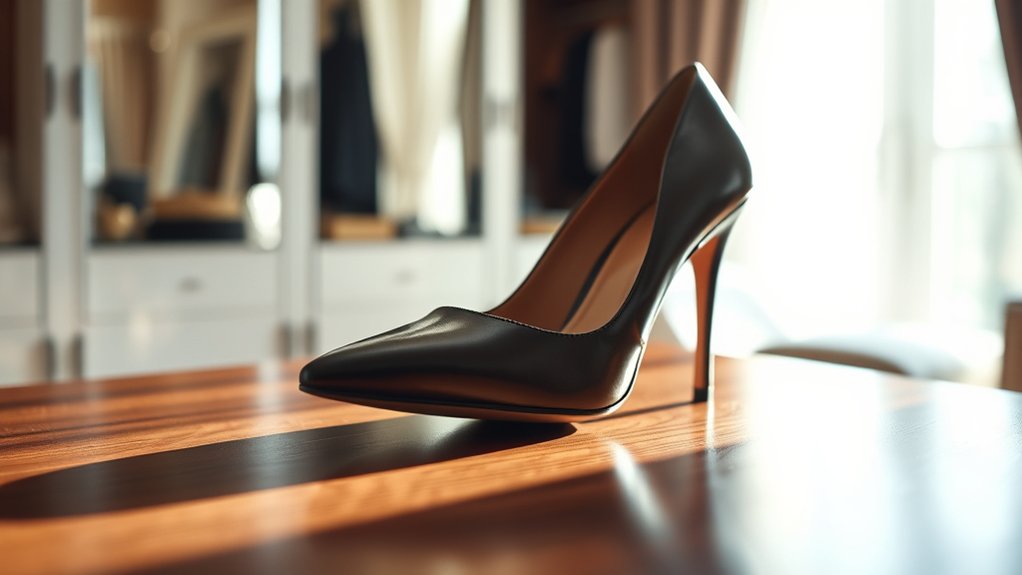
A pump shoe features a closed toe and low-cut vamp, designed to blend sleek aesthetics with structural support. Heel heights vary from moderate to high, with toe shapes like pointed or rounded influencing fit and style. Materials range from leather to suede, affecting durability and comfort.
Pumps come in types such as classic, peep-toe, and block heel, each suited for different occasions and needs. Understanding these details helps you select the perfect pair for both style and function. More insights on design and care follow.
Key Takeaways
- Pump shoes are closed-toe, low-cut vamp footwear typically featuring medium to high heels for a stylish yet supportive design.
- Heel heights range from 2 to over 5 inches, with various toe shapes like pointed, rounded, almond, and square affecting fit and style.
- Common pump types include classic, peep-toe, platform, and block heel, each offering distinct comfort and aesthetic benefits.
- Materials like leather, suede, patent leather, and fabric influence durability, comfort, and suitability for different occasions.
- Pumps are versatile for formal and casual wear, with design elements balancing elegance, comfort, and season-appropriate styling.
Definition of Pump Shoes
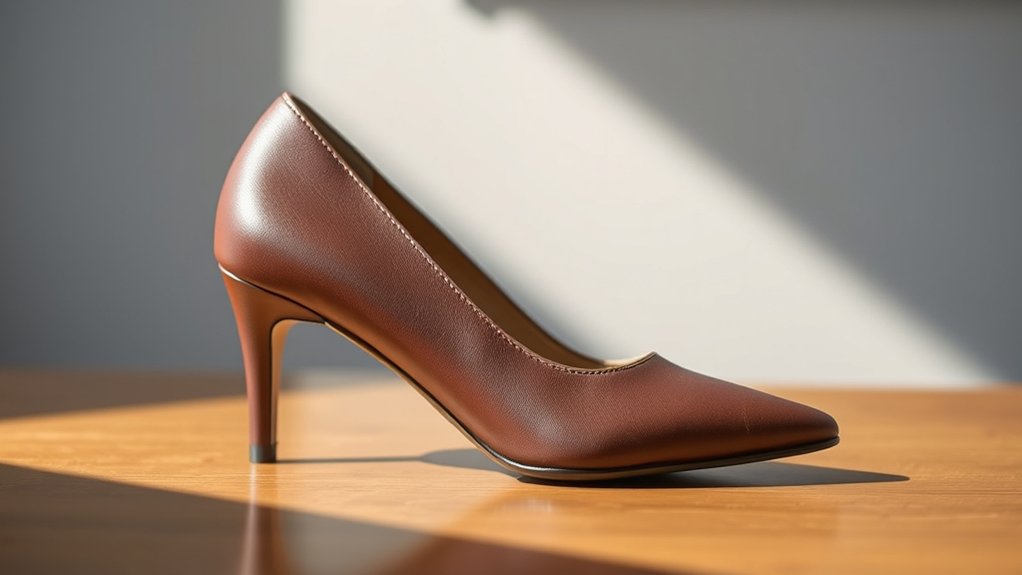
Although pump shoes vary in style, they consistently feature a closed-toe design combined with a low-cut vamp that exposes the top of the foot, creating a sleek, fitted silhouette.
Understanding pump shoe history reveals its evolution from functional footwear to a fashion staple, shaped by iconic designers like Salvatore Ferragamo and Christian Dior.
These designers emphasized simplicity and elegance, establishing the pump’s defining elements: a streamlined form and medium to high heel.
When you analyze pumps, you see how their design balances aesthetics with structural support, offering both form and function.
Recognizing this foundation helps you appreciate the pump shoe’s enduring appeal and its role in shaping modern footwear trends without deviating into variations in heel height or material composition.
Heel Heights, Toe Shapes, and Materials in Pumps
When selecting pump shoes, you have to think about heel height, toe shape, and material. Each of these factors really affects how the shoe looks and feels.
Heel heights usually range from 2 inches to over 5 inches. Stilettos give you that dramatic look, while block heels are all about stability.
Toe shapes come in different styles like rounded, almond, pointed, and square. These shapes change how the shoe fits and how it looks on your foot.
Then there’s the material—leather, suede, patent leather, and fabric. Each one affects durability, comfort, and when you might want to wear them.
Higher heels mightn’t be the most comfortable but they definitely add a formal touch. The material you pick can make your pumps more versatile or limit when you can wear them.
Common Types of Pumps and Their Features
Understanding the design elements such as heel height, toe shape, and material sets the foundation for choosing the right type of pump. Classic pumps typically offer pointed or round toes with heels under 3 inches, combining elegance with versatility.
Peep-toe pumps present a subtle toe opening and suit both casual and formal settings. Platform pumps add a front sole elevation, improving comfort and stability for taller heels.
Block heel pumps feature a broad heel, enhancing support for extended wear. Stiletto pumps, with thin heels often exceeding 3 inches, provide a striking, elongated leg silhouette.
When selecting pumps, consider fabric textures—from smooth leather to suede—and diverse color options. These choices markedly influence the shoe’s visual impact and suitability across different occasions.
When to Wear Pump Shoes
Since pump shoes combine elegance with versatility, you can wear them across a broad spectrum of occasions, from formal events to casual outings. Their design suits professional settings, such as office environments, where color coordination with business attire enhances your polished appearance.
For formal events like weddings or parties, pumps with moderate heels provide both style and comfort for extended wear.
Seasonal adaptability is key: closed-toe pumps are preferable in cooler months for added warmth and formality. Peep-toe styles offer breathability and a relaxed look during warmer seasons.
How Design Choices Affect Pump Comfort and Style
You’ll find that heel height and shape have a big impact on both stability and how tired your feet feel. Generally, lower and wider heels tend to be more comfortable.
Then there’s the toe box design—whether it’s rounded or pointed—that changes how pressure is spread across your foot and affects the fit, which in turn influences how wearable the shoe feels.
Plus, the materials used and how the shoe is made play a huge role in flexibility and breathability. These factors are super important for keeping your feet comfortable, especially if you’re wearing the pumps for a long time.
Heel Height Impact
How does heel height influence both the comfort and style of pump shoes? Heel height plays a critical role in balancing aesthetic appeal and foot health.
Increasing heel height elevates foot pressure on the ball, which can cause discomfort and contribute to deformities like bunions and hammertoes.
Podiatrists advise keeping heel height at or below 2¼ inches for prolonged wear to minimize strain and avoid conditions such as heel spurs or pump bump.
Incorporating platform soles, typically around ½ inch thick, reduces the effective heel height, enhancing comfort without compromising style.
Additionally, heel shape affects stability. Stilettos offer elegance but less support, while block heels provide better balance at higher elevations.
Understanding these factors helps you choose pump designs that optimize both comfort and visual impact.
Toe Shape Variations
What impact does toe shape have on the comfort and style of pump shoes? Toe shape trends directly influence both aesthetics and wearability, so you really have to weigh comfort versus style carefully.
Consider these key variations: Pointed toes deliver a sleek, elongated look but might cause discomfort or pinching, especially if you have wider feet. Rounded toes maximize internal space, which boosts comfort for longer wear, but they do sacrifice a bit of that sharp visual appeal.
Almond-shaped toes strike a nice balance between elegance and ergonomic fit. They offer a tapered silhouette that also accommodates your foot’s natural contours.
Each design choice changes how the shoe fits and feels, which affects your overall experience. For example, peep-toe pumps add breathability and a stylish front opening, mixing fashion with function.
Knowing these details helps you pick pumps that match what you value more — comfort or style.
Material and Construction
Although toe shape plays a crucial role in pump shoe comfort and style, the materials and construction techniques ultimately determine how the shoe performs over time.
Choosing sustainable materials like eco-friendly leather or recycled fabrics not only enhances durability but also supports environmental responsibility.
Leather molds to your foot, providing a custom fit, while fabric options improve breathability and reduce weight.
Innovative construction methods, such as sewn soles, offer superior longevity and reparability compared to glued alternatives.
Full leather soles present a refined look for formal occasions, whereas rubber or synthetic soles deliver better grip and everyday comfort.
Additionally, design features like padded insoles, arch support, and quality lining materials minimize fatigue.
This ensures your pumps remain comfortable throughout prolonged wear without compromising style or structural integrity.
How to Choose the Right Pumps for You
When selecting pumps, you’ll want to balance heel height with your daily activity to maintain comfort. Ideally, opt for heels around two inches if you plan to wear them all day.
Next, consider these factors to choose the right pumps:
- Fit Precision: Make sure the toe box isn’t too tight or loose. You want to avoid pressure points and foot strain.
- Material Selection: Prioritize sustainable materials that offer breathability and durability. Match them to seasonal styles for the best wear and look.
- Support Features: Look for cushioned insoles and good arch support. These will help enhance stability and reduce fatigue.
Tips for Wearing Pumps Comfortably All Day
Since comfort is essential for all-day wear, you should prioritize pumps with heel heights no greater than 2 ¼ inches to minimize foot strain. Opt for pumps crafted from eco-friendly materials like breathable leather or suede, as these promote ventilation and reduce overheating.
Vintage designs often feature effective arch support and cushioned insoles, which reduce fatigue. Always try pumps at day’s end to ensure proper fit, accounting for foot swelling. Consider adding gel pads or supportive inserts to alleviate pressure on the ball of your foot.
| Tip | Purpose |
|---|---|
| Heel height ≤ 2 ¼ inches | Minimize foot strain |
| Sustainable materials | Enhance breathability |
| Cushioned insoles | Reduce fatigue |
| Proper fit testing time | Prevent pinching and slipping |
| Supportive inserts | Increase pressure relief |
How to Care for Your Pumps
Achieving all-day comfort in your pumps depends not only on selecting the right pair but also on maintaining them properly. Effective shoe cleaning and material preservation are essential to extend their lifespan and keep them looking good. Follow these precise steps:
First, clean your pumps regularly with a soft, damp cloth to remove dirt and dust. Focus on leather or fabric surfaces so you don’t accidentally damage them.
Next, apply the right shoe polish or conditioner to keep the material in good shape. This helps prevent cracking and drying out, which can ruin your favorite pair.
When you’re not wearing them, store your pumps in a cool, dry place. It’s best to keep them inside a dust bag or box to protect them from sunlight and dust buildup.
Also, try to rotate your footwear often. This lets each pair air out properly.
And don’t wait to fix minor issues like loose heels or scuffs—they can affect comfort and the shoe’s structure if ignored.
Styling Pumps for Different Occasions
Although pumps are traditionally associated with formal wear, you can style them effectively across various occasions by selecting appropriate designs and pairings. Color coordination and fabric textures play essential roles in adapting pumps to different settings, enhancing your outfit’s coherence and function.
For professional environments, lean towards leather pumps matched with tailored suits. Evening events call for satin or embellished pumps, providing an elegant finish. Casual pairings with jeans or sundresses demand simpler textures and neutral colors for versatility.
| Occasion | Recommended Fabric Textures | Color Coordination |
|---|---|---|
| Professional | Smooth leather | Neutral tones |
| Evening | Satin, embellishments | Deep, rich hues |
| Casual | Matte leather, suede | Soft, muted shades |
| Weddings | Satin, embellished | Pastels or metallics |
| Day-to-Night | Versatile leather | Nude or adaptable tones |
Frequently Asked Questions
How Did Pump Shoes Get Their Name?
You’ll find pump shoes got their name from early shoe manufacturing techniques focusing on easy slip-on designs. These designs aligned with fashion trends that emphasized both elegance and convenience. It’s pretty much about the “pumping” action of putting them on swiftly.
Are Pumps Suitable for Outdoor Activities?
You won’t find pumps ideal for rugged terrain or athletic use. Their delicate materials and minimal support suit casual wear rather than demanding outdoor activities.
If you’re heading outdoors, it’s better to opt for specialized footwear. That way, you’ll get the stability and durability you need. Pumps just don’t cut it for those kinds of adventures.
Can Pumps Be Customized for Wide Feet?
Yes, you can achieve a custom fit for your wide foot by selecting pumps with wider toe boxes, adjustable straps, or using specialized stretchers.
Custom-made options guarantee precise width adjustments, optimizing comfort without compromising style or support. It’s all about finding what works best for you and feels comfortable throughout the day.
What Is the History Behind Pump Shoe Design?
Imagine vintage fashion as a river: pump shoes flow from 17th-century elegance through shoe manufacturing innovations. They evolved from men’s formalwear to women’s refined silhouettes.
These shoes embody timeless, precise craftsmanship and sophisticated design analysis. It’s fascinating how they’ve changed over time while keeping that classic charm. Pump shoes really tell a story of style and function blending perfectly.
Do Pumps Affect Foot Health Long-Term?
Yes, pumps can affect your foot health long-term if they lack heel stability and proper arch support. This can lead to increased strain, altered gait, and potential deformities.
Conclusion
Now that you’ve uncovered what makes pump shoes tick, from heel heights and toe shapes to materials and comfort factors, you’re better equipped to navigate your choices.
While pumps might hint at a challenge, knowing how to select, wear, and care for them transforms that challenge into a graceful stride.
Embrace the subtle art of pumps, and you’ll find they’re less a trial and more a triumph in your footwear arsenal.