What Size Shoe Does A 10 Month Old Wear – Baby Size Guide
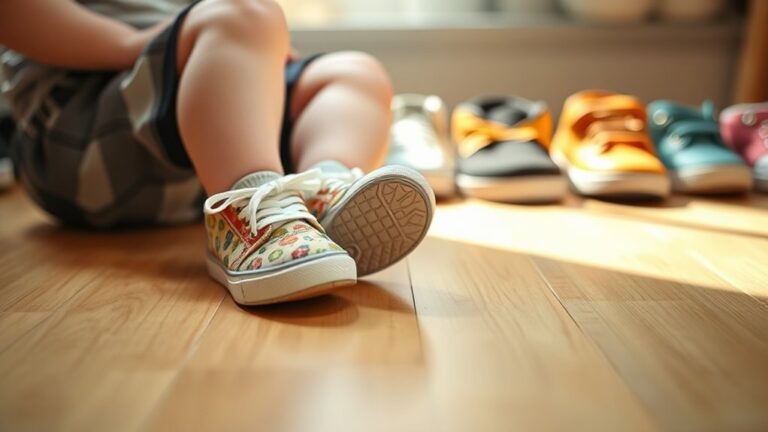
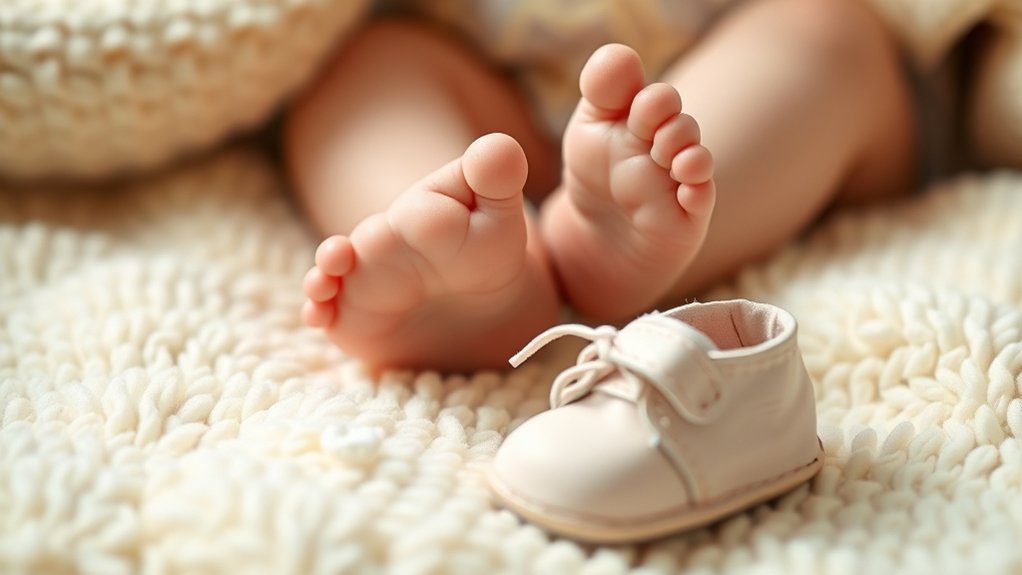
At 10 months old, your baby typically wears a US size 4C shoe, which fits a foot about 4¼ inches long. When sizing, measure both feet while your baby is standing, then choose shoes that offer about half an inch of extra toe space for growth and comfort.
Make sure shoes fit snugly without tightness or slipping, and check foot size every 1 to 2 months to keep up with rapid growth. It’s important to keep an eye on those tiny feet as they grow fast!
Keep exploring to learn how to choose the best fit and style for your baby’s developing feet. You’ll want to find something comfy and supportive that helps them take those first steps with confidence.
Key Takeaways
- A 10-month-old typically wears a US size 4C shoe, corresponding to about 4 1/4 inches in foot length.
- Measure both feet while the baby is standing and size shoes based on the longer foot with 0.4 inches growth allowance.
- Shoes should fit snugly around the heel and midfoot, with about 0.5 to 0.75 inches of extra toe room for comfort and growth.
- Replace shoes every 2 to 4 months or sooner if they become tight, loose, or show signs of wear and discomfort.
- Choose flexible, breathable shoes that support healthy foot development and allow natural movement without restricting growth.
What Size Shoe Does a 10-Month-Old Typically Wear?
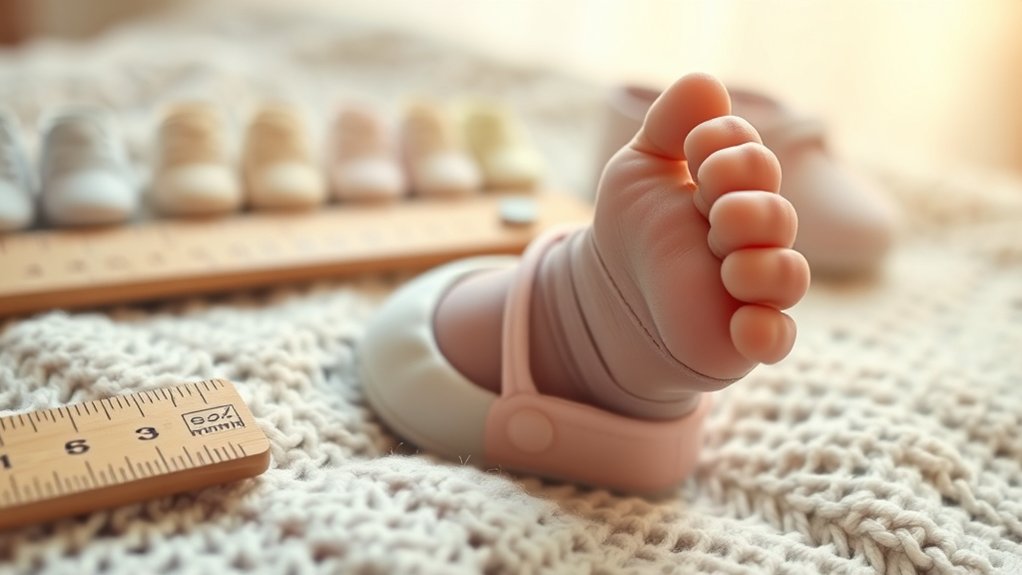
While every baby grows at their own pace, a 10-month-old typically wears a shoe size around 4C in US sizing, which corresponds to about 4 1/4 inches in foot length. Infant shoe sizes generally range from 0.5C to 4 3/4 inches at this age.
When choosing shoes, you should make sure there’s about 1 cm of space at the toe to accommodate rapid growth.
Staying updated on your baby’s foot size is essential, especially as shoe branding can vary, which can affect fit.
Fashion trends in baby footwear now emphasize both comfort and style, so you’ll find plenty of options that support healthy foot development while looking great.
Always prioritize fit over look to keep your little one comfortable and safe.
How to Measure Your 10-Month-Old’s Feet Accurately
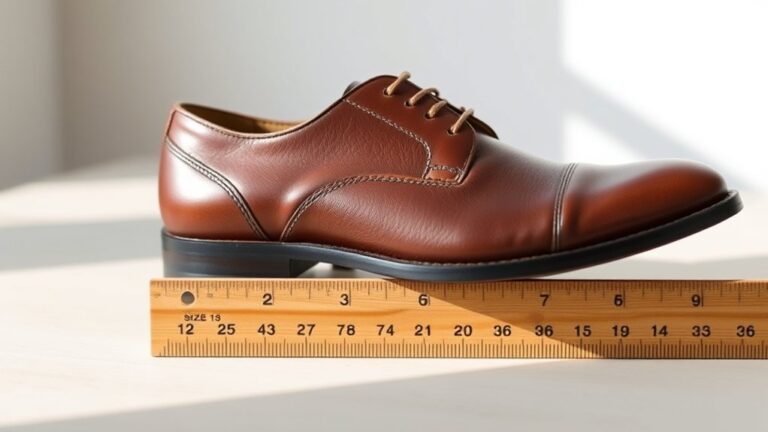
To measure your 10-month-old’s feet accurately, start by placing their foot against a wall on a blank sheet of paper. Make sure the heel is flush and the foot is flat.
Next, mark the tip of the longest toe and the back of the heel. Then, measure the length in centimeters or inches.
Always measure both feet and use the longer one for shoe sizing. If possible, measure while your baby is standing to get a true foot measurement.
Record measurements regularly, allowing about half an inch for growth. This way, you can keep up with how fast those little feet are growing!
| Step | Action | Tip |
|---|---|---|
| 1 | Position foot against wall | Heel flat and flush |
| 2 | Mark longest toe & heel | Use a pen for accuracy |
| 3 | Measure length | Record in cm or inches |
| 4 | Compare both feet | Use longer foot’s size |
Why Proper Fit Matters for 10-Month-Old Baby Shoes
Why does getting the right shoe fit matter so much for your 10-month-old? Properly fitting shoes provide about 0.5 to 0.75 inches of extra room at the toe, allowing healthy foot growth and muscle development.
Shoes that are too tight can restrict movement, cause blisters, or even deformities.
On the other hand, loose shoes increase the risk of tripping and instability. You’ll want to regularly measure your baby’s feet to guarantee the fit supports arch development and confident walking.
It’s all about making sure those little feet are comfy and safe.
While staying updated with fashion trends might tempt you to choose stylish shoes, prioritize fit and comfort over looks.
Also, proper shoe cleaning will keep shoes in good condition, helping maintain their shape and support.
How Often Should You Check and Replace Your Baby’s Shoes?
Since babies’ feet grow rapidly during their first year, you should measure them every 1 to 2 months to guarantee their shoes fit properly. Babies typically outgrow shoes every 2 to 4 months. Regular checks prevent discomfort and ensure healthy foot development.
Watch for red marks, loose fit, or tripping as signs to replace shoes. Besides monitoring growth, maintain shoe cleaning to keep them comfortable and hygienic. While fashion trends may tempt you, prioritize fit and function over style to protect your baby’s feet.
| Check Frequency | Every 1-2 Months |
|---|---|
| Replace Shoes Every | 2-4 Months |
| Signs to Replace Shoes | Red Marks, Loose Fit, Tripping |
| Maintenance Tip | Regular Shoe Cleaning |
How to Choose the Right Shoe Style for Your 10-Month-Old
When you’re picking out shoes for your 10-month-old, it’s a good idea to go for high-quality, breathable materials. These help keep their little feet comfortable as they start taking those first steps.
You’ll want to look for shoes with flexible soles that have non-slip features. This way, your baby can move naturally and stay safe while exploring.
Also, make sure the shoes fit well—there should be about half an inch of room at the toes.
Adjustable closures are great too, so you can keep the shoes snug but comfy as your baby wiggles around.
Material Selection Tips
Although selecting shoes for your 10-month-old can seem straightforward, choosing the right materials is essential for healthy foot development. Prioritize shoes made from breathable, flexible fabrics like leather or mesh to guarantee breathability benefits that keep little feet cool and dry. These materials also offer material durability, standing up to active play without compromising comfort.
Avoid stiff or heavy shoes that restrict natural movement, as they can hinder proper growth. Look for soft, padded interiors to cushion delicate feet and reduce pressure points. Additionally, pick shoes with adjustable closures such as Velcro straps or elastic bands for a secure fit that’s easy to manage.
Focusing on these material qualities helps support your baby’s early walking stages while promoting healthy foot development. It’s all about finding a balance between comfort, durability, and flexibility to keep those tiny feet happy and healthy.
Sole Type Importance
Besides choosing the right materials, paying attention to the sole type can make a big difference in your 10-month-old’s comfort and development. The right sole supports natural foot growth while offering essential safety features and style considerations.
Soft-soled shoes encourage flexibility, mimicking barefoot walking. Thicker, non-slip soles ensure stability during early steps. Waterproof, breathable soles keep feet dry and comfortable. A slightly wider sole accommodates natural foot expansion.
When selecting shoe soles, consider:
- Soft soles for natural movement and muscle development
- Non-slip, thick soles for enhanced safety features
- Waterproof and breathable materials for comfort
- Flexible soles that allow free foot motion
- Wider soles to prevent cramping and accommodate growth
Choosing the right sole type balances your baby’s safety and style perfectly.
Proper Fit Indicators
How can you tell if your 10-month-old’s shoes fit properly? First, make certain there’s about 0.5 to 0.75 inches of space in front of their toes for growth.
The shoes should fit snugly around the heel and midfoot without slipping, providing stability as they start walking.
Choose styles with flexible soles that support natural foot movement and prevent discomfort.
The width must accommodate the widest part of your baby’s foot comfortably, avoiding pinching or red marks.
Watch for signs of poor fit like frequent shoe removal or dragging toes.
While fashion trends may influence your choice, prioritize shoe durability and proper fit.
This will protect your child’s developing feet and support early mobility milestones effectively.
Between Sizes? Here’s What to Do About Shoe Fit
When your baby’s foot measurements fall between two sizes, choosing the larger size is the safest option to guarantee comfort and room for growth. Selecting a shoe with adequate toe room and proper shoe thickness prevents cramping and supports healthy foot development.
Here’s what to keep in mind:
- Confirm about 0.5 to 0.75 inches of extra length for growth.
- Prioritize comfort over exact size measurements.
- Regularly measure your baby’s feet, especially around 10 months.
- Watch for signs like red marks or slipping shoes.
- Avoid shoes that feel too tight in shoe thickness or restrict toe movement.
How to Check if Your Baby’s Shoes Fit Just Right
Although finding the right shoe size is important, checking that your baby’s shoes fit properly guarantees comfort and healthy foot development.
Measure your baby’s foot from heel to the longest toe while they stand upright, ensuring the foot is flat and relaxed. Look for about 1 cm of space at the front for growth, and make sure the shoe fits snugly around the widest part without leaving red marks.
Use appropriate shoe lacing techniques to secure the fit without restricting movement.
Remember to re-measure every 1–2 months, as babies grow quickly. It’s a good idea to keep an eye on those little feet regularly.
Finally, use effective shoe storage solutions to keep shoes in good condition and easily accessible. This way, you can monitor fit and replace shoes promptly when needed.
Keeping things organized makes the whole process easier!
Shopping Tips for Comfortable, Safe 10-Month-Old Shoes
Keeping a close eye on your baby’s foot size helps you pick shoes that offer both comfort and safety. When shopping for your 10-month-old, balance fashion trends with practical features to guarantee shoes support healthy foot development. Focus on fit and function before style and shoe decoration.
Monitor your baby’s foot size to choose shoes that prioritize comfort, safety, and healthy development over style.
Here are key tips for choosing the right shoes:
- Measure feet regularly using a printable size guide or foot tracing.
- Select shoes with flexible, breathable soles that prevent slipping.
- Allow half an inch of extra length for growth and comfort.
- Choose wider shoes if feet look snug or show red marks.
- Stick to sizes between 4-4.75 inches (4C to 4Y) for best fit.
This approach keeps your baby both stylish and safe as they explore.
Frequently Asked Questions
Can 10-Month-Old Babies Wear Hand-Me-Down Shoes Safely?
Yes, you can use hand-me-down shoes safely if you prioritize infant shoe safety by ensuring proper shoe fit, flexible soles, and no wear that compromises support. Always measure your baby’s feet regularly for the best fit and comfort.
It’s really important to check the shoes carefully before using them. Look out for any signs of damage or wear that might affect how well they support your little one’s feet. Keeping an eye on these details helps keep your baby comfy and safe.
Are There Specific Materials Best for Baby Shoe Comfort?
Oh sure, just stuff your baby’s feet with plastic while you’re at it! You want shoe material that breathes, feels soft, and allows movement.
Comfort considerations protect tiny toes and promote healthy foot growth. It’s really about choosing the right fabrics.
Soft, breathable materials like cotton or leather work best to keep those little feet happy.
How Do Seasonal Changes Affect Baby Shoe Choices?
You need to adjust baby shoe choices with seasonal clothing to support temperature regulation. Choose breathable shoes in summer and insulated, waterproof ones in winter to keep your baby comfortable, safe, and promote healthy foot development year-round.
It’s all about making sure their feet stay cozy without overheating. In warmer months, light and airy shoes help little feet breathe. When it gets cold, switching to shoes that keep out moisture and trap heat is key.
Can Barefoot Walking Benefit a 10-Month-Old’s Foot Development?
Did you know 90% of foot growth happens by age two? Barefoot walking boosts your 10-month-old’s foot growth and helps you avoid shoe fit issues.
It also promotes natural muscle development and balance during this essential stage. Letting little feet explore freely can make a big difference!
When Should a Baby Start Wearing Socks With Shoes?
You should start putting socks with shoes once your baby begins walking. This helps with shoe fitting and protects their foot growth by providing warmth, comfort, and preventing friction between skin and shoes.
It’s a simple way to keep their little feet cozy and safe as they take those first steps. Plus, socks can make shoes fit better, so your baby can move around more comfortably.
Conclusion
Choosing the right shoe size for your 10-month-old might seem simple, but a poor fit can hinder tiny steps just as much as oversized shoes can cause discomfort. You want to balance snugness with room to grow, ensuring healthy foot development without sacrificing comfort.
Regularly measuring and checking fit keeps your baby’s feet happy and supported. Remember, the perfect shoe isn’t just about size. It’s about nurturing those first adventures safely and confidently.