How Big Is A Shoe Box – Standard Dimensions Guide
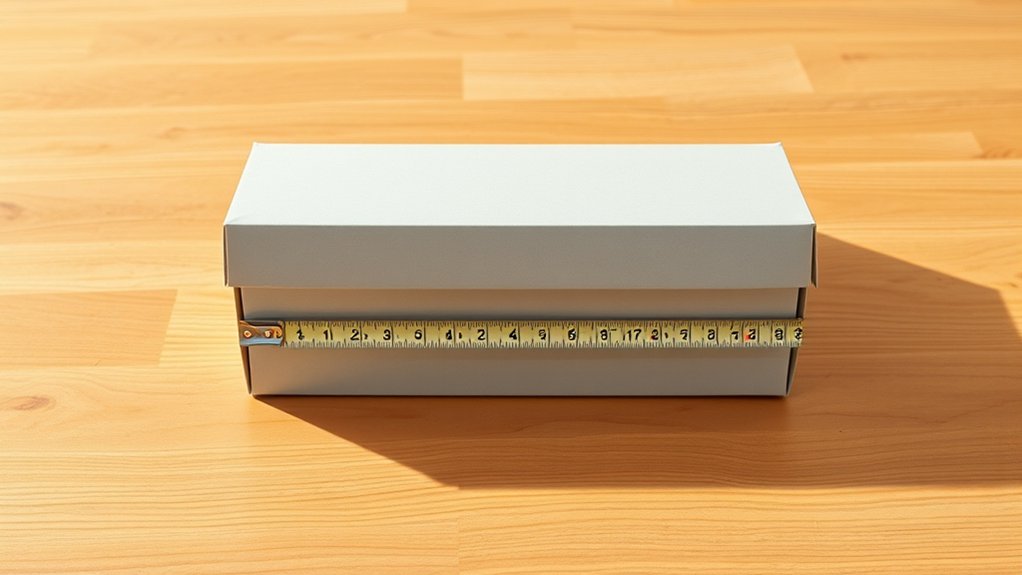
You’ll find standard shoe boxes vary by gender and type: men’s boxes are about 14 x 8 x 5 inches, women’s around 12 x 7 x 4 inches, and kids’ smaller at roughly 8 x 5 x 3 inches. Measuring your shoes by length, width, and height plus an extra half-inch guarantees a perfect fit.
Material choice also influences box durability and weight. Keep the size balanced for shipping and presentation.
Explore more on how to pick the ideal box for your needs and style.
Key Takeaways
- Standard adult shoe boxes typically measure around 13 x 7.5 x 4.5 inches (33 x 19 x 11.5 cm) in size.
- Men’s shoe boxes are larger, about 14 x 8 x 5 inches, to accommodate bigger shoes and boots.
- Women’s shoe boxes are smaller, usually 12 x 7 x 4 inches, fitting typical women’s footwear dimensions.
- Children’s shoe boxes vary between 8 and 11 inches long, designed for smaller shoe sizes.
- Shoe box sizes include extra space for padding, protection, and ease of shipping while maintaining cost efficiency.
How To Measure Shoes For The Right Shoe Box Size
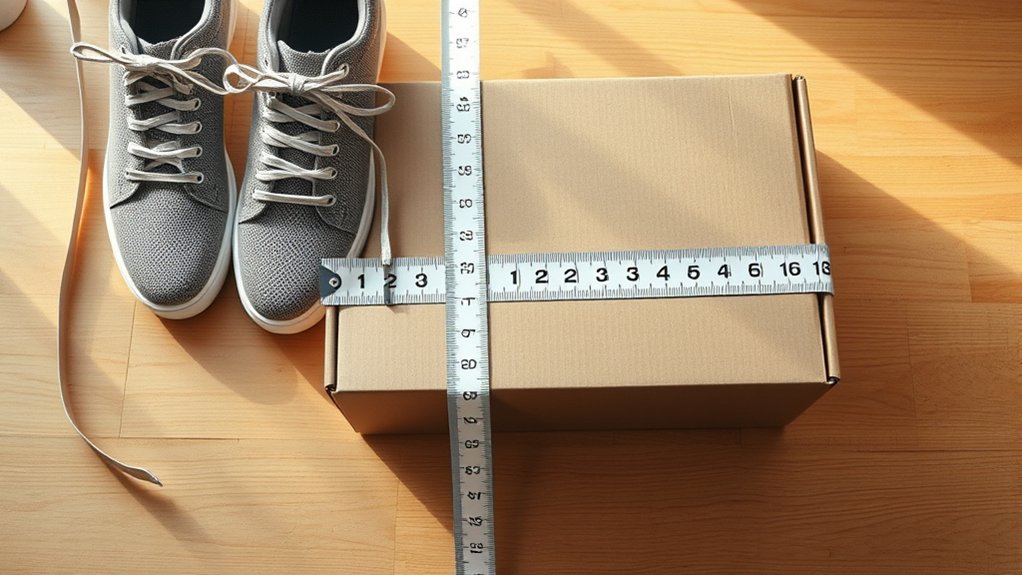
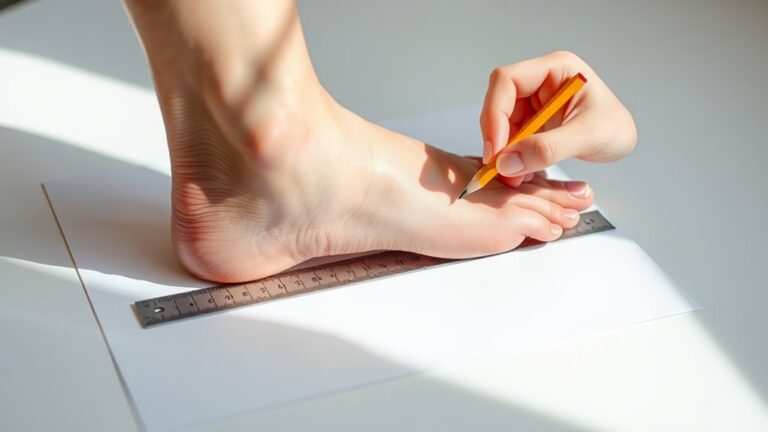
When measuring your shoes to find the right box size, start by measuring the length from heel to toe. Make sure your tape or ruler follows the shoe’s outer edge for accuracy.
Next, find the widest part of your shoe, usually across the ball of the foot, and note this dimension.
Then, measure the shoe’s maximum height from sole to top, including any heels or ankle height.
To guarantee proper shoe sizing and box compatibility, add about 0.5 inches (1.3 cm) to each measurement. Using a caliper or flexible ruler improves precision, especially for irregular or bulky shoes.
This method guarantees your shoe box will fit comfortably. It allows enough space for padding and airflow without unnecessary bulk.
What Are The Standard Shoe Box Dimensions?
Once you’ve measured your shoes accurately, it’s helpful to know the standard shoe box dimensions to guarantee a proper fit. These dimensions assure the shoe material stays protected while supporting packaging sustainability by reducing waste.
Here’s a quick guide to common box sizes:
| Shoe Type | Dimensions (inches) | Dimensions (cm) |
|---|---|---|
| Adult | 13 x 7.5 x 4.5 | 33 x 19 x 11.5 |
| Women | 12 x 7 x 4 | 30.5 x 18 x 10 |
| Men | 14 x 8 x 5 | 35.5 x 20.5 x 12.5 |
| Children | 8 x 5 x 3 | 20.5 x 13 x 7.5 |
Choosing the right box size helps maintain shoe quality, minimizes excess packaging, and supports eco-friendly practices. It’s a simple step that makes a big difference in how your shoes arrive and how sustainable the packaging is.
How Shoe Box Sizes Differ By Shoe Type And Gender
Because shoe sizes and styles vary widely, shoe box dimensions adjust accordingly to fit different needs. Men’s boxes tend to be larger, around 14 x 8 x 5 inches, to accommodate bigger shoes like boots. Women’s boxes are smaller, generally 12 to 13 inches long and 4 inches tall, fitting typical footwear. Kids’ boxes shrink further for smaller sizes.
Athletic shoe boxes often provide extra height and space for padding and airflow, which helps support the shoe shape. When choosing boxes, consider material choices to guarantee durability and breathability. This is especially important for taller styles like boots or high heels.
For storage optimization, picking the right box size prevents wasted space and protects shoes from deformation. Tailoring shoe box sizes by type and gender helps keep shoe quality and makes your storage system more efficient. It just makes organizing everything so much easier.
Typical Shoe Box Dimensions For Men, Women, And Kids
You’ll notice that men’s shoe boxes are generally on the bigger side, usually about 14 by 8 by 5 inches.
Women’s shoe boxes tend to be a bit smaller, around 12 by 7 by 4 inches.
When it comes to kids’ shoe boxes, the sizes vary more — they’re typically between 8 to 11 inches long.
Knowing these typical dimensions can really help when you’re trying to pick the right size for storing or shipping shoes without any hassle.
Men’s Shoe Box Sizes
Men’s shoe boxes usually measure about 14 inches long, 8 inches wide, and 5 inches tall. They’re designed to comfortably fit most sneakers, dress shoes, and boots. These dimensions provide ample space for padding and inserts without wasting material.
It’s all about balancing protection with storage efficiency. When choosing or designing a men’s shoe box, consider a few key things.
First, the internal size is roughly 13 to 13.5 inches long, 8 to 8.5 inches wide, and 4.75 to 5.25 inches tall.
The external size is about 13.8 to 14 inches long, 8 to 8.5 inches wide, and 5 to 5.5 inches tall.
Also, shoe box aesthetics matter. Sleek, minimal designs tend to appeal to buyers.
And don’t forget eco-friendly materials—using recycled cardboard reduces environmental impact.
Women’s Shoe Box Dimensions
How do women’s shoe boxes differ from men’s in size? Women’s shoe boxes are typically smaller, measuring about 12 inches long, 7 inches wide, and 4 inches high.
This shoe box design fits most casual and formal women’s shoes comfortably, allowing an extra half-inch space for tissue or inserts to protect your footwear.
When choosing shoe boxes, keep in mind these dimensions provide enough room without excess bulk. That makes them ideal for storage or shipping.
Many brands now focus on eco-friendly packaging, using sustainable materials while maintaining these standard sizes.
So, if you’re looking to store or ship women’s shoes, these dimensions offer a perfect balance between protection, convenience, and environmental responsibility.
This guarantees your shoes arrive safely and with minimal packaging waste.
Kids’ Shoe Box Measurements
When storing or shipping kids’ shoes, choosing the right box size really matters. Kids’ shoe boxes typically measure around 9 × 6 × 4 inches. They’re designed to fit small shoes securely while allowing for growth without too much empty space.
You’ll find these boxes are smaller than adult sizes, with internal dimensions optimized for safety and storage efficiency. It’s all about keeping those little shoes safe and snug.
Keep these points in mind:
- Dimensions vary by shoe style. Sneakers need shorter boxes, while boots require taller ones.
- Use boxes with strong durability to protect shoes during transit or storage.
- Opt for boxes made from eco friendly materials to reduce environmental impact.
- Proper sizing helps keep shoes organized and prevents damage.
Picking the right kids’ shoe box size guarantees efficient storage and protection every time. It just makes life simpler and keeps those shoes in great shape!
Custom Vs. Standard Shoe Boxes: Choosing The Right Size
If you’re looking for a perfect fit, extra padding, or a standout unboxing experience that really reflects your brand, custom shoe boxes are the way to go. They’re designed to meet your specific needs and make your shoes feel special.
On the other hand, standard boxes are great when you want to keep costs down and need uniformity for mass-produced shoes. They do the job well without breaking the bank.
Benefits Of Custom Boxes
Although standard shoe boxes serve basic storage needs, choosing custom boxes offers clear advantages that directly benefit your brand and product protection. Custom boxes fit your specific shoe sizes perfectly, minimizing wasted space and enhancing durability. Plus, they provide valuable branding opportunities with personalized logos and designs that catch the eye.
Here’s why custom boxes stand out:
- Use eco friendly materials to reduce waste and support sustainability.
- Improve shipping efficiency by matching shoe dimensions exactly, cutting costs and damage.
- Elevate your brand’s presentation and customer experience with a professional unboxing.
- Protect your shoes better by eliminating excess space that causes shifting.
Opting for custom boxes means you get a sleek, secure package tailored to your needs. It’s a small change that makes a big difference!
When To Choose Standard
Since standard shoe boxes are widely available and cost-effective, they suit most everyday footwear perfectly. You’ll find them ideal for shoe storage and retail displays, helping streamline inventory and cut packaging costs.
When packing shoes like sneakers or flats, standard sizes offer a snug fit that protects your shoes without extra hassle. Use packing tips like filling gaps with tissue paper to keep shoes secure inside these boxes.
However, if you have boots, high heels, or uniquely shaped footwear, consider custom boxes to prevent damage and guarantee a perfect fit. Custom sizing also works best when you want to create a premium unboxing experience or meet specific branding or eco-friendly needs.
For most users, though, standard shoe boxes cover your shoe storage and packing needs efficiently.
How Materials Affect Shoe Box Size And Weight
When selecting materials for your shoe box, you impact both its size and weight considerably. Material durability and weight optimization go hand in hand when choosing the right option.
Here’s how materials affect your shoe box:
Thicker, rigid boards increase weight but enhance protection and durability. Lightweight cardboard or kraft paperboard cuts shipping costs but may reduce structural integrity.
Material density and construction define load capacity and stacking stability. Eco-friendly recycled cardboard keeps weight low while maintaining sufficient strength.
Key Dimensions For Shipping Shoe Boxes
Choosing the right materials affects not only your shoe box’s durability but also its size, which plays a big role in shipping. Typically, shipping shoe boxes measure around 14 x 8 x 5 inches to fit standard footwear comfortably.
Since shipping boxes are usually 20% larger than the shoe size, you’ll need extra space for padding and cushioning.
Using eco-friendly materials and sustainable packaging can help maintain strength without adding unnecessary bulk.
Eco-friendly materials provide strength and durability while reducing excess packaging bulk.
Don’t forget to check carrier guidelines like USPS’s maximum size limits to avoid extra fees.
Properly sizing your shipping boxes minimizes dimensional weight costs and protects your shoes during transit.
Always account for additional fillers when calculating dimensions to ensure your packaging is both efficient and environmentally responsible.
It’s a small step that makes a big difference in keeping your shoes safe and your shipping costs down.
How Shoe Box Dimensions Impact Branding And Presentation
Although shoe box dimensions might seem like a small detail, they play a crucial role in shaping your brand’s image and customer experience. The right size and design enhance visual branding and support brand storytelling effectively.
Here’s how dimensions impact your presentation: Custom-sized boxes let you showcase logos and unique finishes, reinforcing your brand identity. Proper proportions present shoes neatly, boosting perceived quality and professionalism.
Larger or elaborate boxes convey luxury, while minimalistic ones highlight simplicity and eco-friendliness. Dimensions influence how well labels, barcodes, and decorative elements are displayed, affecting customer perception. It’s all about making a great first impression!
Frequently Asked Questions
How Are Shoe Box Sizes Standardized Internationally?
You’ll find shoe box sizes standardized internationally by following ISO guidelines that balance material variability and packaging design.
This guarantees consistent dimensions, reduces waste, and simplifies shipping, no matter where you’re manufacturing or selling your shoes. It really makes the whole process smoother for everyone involved. So, whether you’re at the factory or the store, the sizing stays reliable and straightforward.
Can Shoe Boxes Be Reused for Storage or Other Purposes?
Think of a shoe box as a blank canvas ready for creative repurposing. You can turn it into smart storage solutions for craft supplies, office clutter, or keepsakes. It’s an easy way to make your space tidy and sustainable with minimal effort.
Plus, reusing shoe boxes is a simple way to reduce waste. Why toss them when they can help organize your home? Give your old boxes a new life and enjoy a clutter-free space!
What Environmental Impacts Do Shoe Boxes Have?
You impact the environment when shoe boxes use non-recyclable materials, increasing carbon footprint. Choosing eco friendly materials reduces waste and emissions, helping you minimize environmental harm and support sustainable packaging practices that conserve resources.
It’s really about making smarter choices. When you pick boxes made from recycled or biodegradable materials, you’re cutting down on pollution. Plus, it helps conserve natural resources and reduces landfill waste. This way, you’re playing a part in protecting the planet without much extra effort.
Are Shoe Boxes Recyclable or Biodegradable?
You can recycle most cardboard shoe boxes by following proper recycling processes, like removing tape.
If your box uses biodegradable materials, it’ll naturally break down, reducing waste and making eco-friendly disposal easier for you.
How Do Manufacturers Decide Shoe Box Thickness?
You decide shoe box thickness by balancing shoe box design with packaging durability, considering shoe weight, fragility, and material type. Thicker boxes protect better but cost more, so manufacturers optimize for strength, shipping needs, and sustainability.
It’s all about finding the right mix. You want the box strong enough to keep shoes safe during transport but not so thick that it wastes materials or drives up costs. Plus, these days, sustainability is a big deal, so using just enough material to do the job is key.
Conclusion
Now that you know the ins and outs of shoe box sizes, imagine the perfect fit. Your shoes snug, secure, and ready to impress.
Choosing the right dimensions isn’t just about space. It’s about protecting style, enhancing unboxing moments, and making your brand unforgettable.
So, before you grab that box, pause. The right size can transform ordinary packaging into an experience you and your shoes deserve. Ready to make that choice?