

What Is The Red Shoe Club – Meaning And Background Explained
You’re encountering the Red Shoe Club as a purported secret society linked to elite rituals and dark conspiracies, fueled by symbolism around red shoes representing power and secrecy. While stories like human skin shoes and ritual allegations circulate, they lack credible evidence and often stem from urban legends and misinterpreted art.
The intrigue mixes historical symbolism with sensational claims tied to high-profile figures. If you want to understand the connections and controversies behind this shadowy concept, there’s much more to explore.
Key Takeaways
- The Red Shoe Club is an alleged secret society linked to elite rituals and conspiracy theories, emerging mainly through online speculation since 2017.
- Red shoes symbolize power, secrecy, and forbidden knowledge, historically tied to wealth, spiritual authority, and social status.
- The human skin shoe story connected to the club is a debunked myth lacking credible evidence or official documentation.
- Conspiracy theories link the club to ritualistic themes, elite abuse allegations, and symbolic depictions in provocative art collections.
- Despite sensational claims, no verified proof exists, but the club remains a focal point of public fascination and conspiracy narratives.
What Is the Red Shoe Club and Where Did It Start?
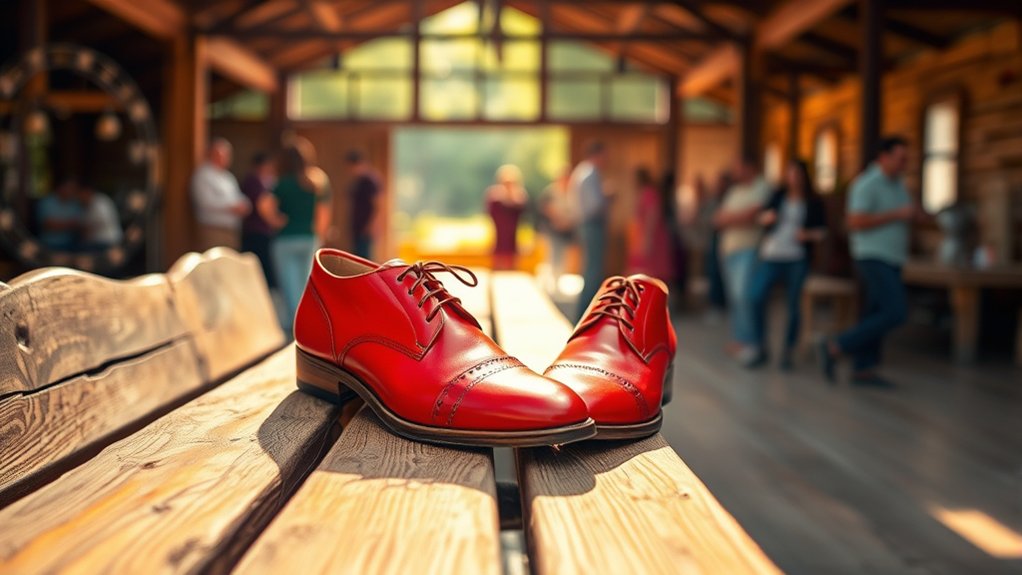
Although the Red Shoe Club has never been confirmed as a real organization, it has gained attention since 2017 as a purported secret society allegedly linked to elite rituals and dark conspiracies. You’ll find that its emergence within online conspiracy communities reflects a specific historical context, where digital platforms amplify unverified claims about hidden elite networks.
The term “Red Shoe Club” itself carries cultural symbolism, with red shoes often representing power, secrecy, or forbidden knowledge in various traditions. This symbolism feeds into broader narratives involving ritualistic abuse and covert activities tied to prominent figures.
While the club’s existence remains speculative, understanding its origins requires analyzing how cultural symbols like red shoes are repurposed within conspiracy frameworks to evoke intrigue and suspicion among audiences. It’s pretty fascinating how these symbols take on new meanings online, right?
How Red Shoes Became Symbols of Power and Mystery
The symbolism of red shoes extends far beyond their appearance in conspiracy theories. It’s rooted deeply in historical and cultural contexts that highlight their association with power and mystery. You’ll find that fashion symbolism and cultural influence intertwine to elevate red shoes as markers of status and authority.
Consider these key points:
Ancient civilizations used costly red dyes to signify wealth and high rank. Religious figures, like the Pope, wear red shoes to represent spiritual authority and martyrdom.
Ancient red dyes and papal red shoes symbolize wealth, spiritual authority, and revered martyrdom.
In modern times, elites adopt red shoes, linking them to secret societies and covert power.
Art and media frequently employ red shoes to convey hidden hierarchies and mystique.
Understanding this rich background helps you see why red shoes remain potent symbols of influence and enigma today.
Origins and Credibility of the Human Skin Shoe Story
You might’ve heard the claim that Hollywood executives talked about making shoes from human skin. But here’s the thing—this story actually comes from just one unverifiable interview back in 2017 with McCully Kulkin.
There’s no solid evidence to back it up—no recordings, no witnesses, no documents. Plus, that supposed interview has since disappeared from the internet.
Alleged Interview Origins
Since the human skin shoe story supposedly stems from a 2017 interview with McCully Kulkin, you might expect to find some verifiable evidence or recordings to support it. However, the narrative lacks credible documentation, casting doubt on its authenticity.
Within the context of fashion history and shoe craftsmanship, such a claim would be extraordinary. Yet, no corroboration exists.
The interview has been removed from public access, with no witnesses or recordings available. No reputable sources confirm the Hollywood executive’s alleged statements.
The story is often linked to conspiracy theories rather than factual accounts. There are no official records or investigations validating the use of human leather in shoe-making.
Given the absence of evidence, the story’s origins appear dubious—more rumor than reality.
Lack Of Evidence
How can a story gain traction without any solid evidence backing it up? The human skin shoe tale, originating from a dubious 2017 interview with McCully Kulkin, lacks any credible verification. You won’t find audio, video, or eyewitness accounts supporting this claim.
Investigations, including those by Snopes, have debunked the narrative, exposing it as a fabrication or conspiracy lore. The story often distracts with superficial details and irrelevant tangents, such as speculative links to Madeleine McCann’s disappearance, which hold no factual weight.
When you analyze the origins critically, it’s clear there’s no documented proof tying these shoes to real events. Without verifiable evidence, this story remains a baseless myth rather than an authentic account.
Tony Podesta’s Role in Red Shoe Club Allegations
You might’ve seen Tony Podesta’s 65th birthday photo where guests are all wearing red shoes, and it often raises questions about whether there’s some kind of ritual symbolism involved.
Then there’s his art collection, which features some pretty unsettling images involving children, adding more fuel to the fire.
Now, even though there’s no solid evidence tying him to any illegal activities, these details have definitely put him right in the middle of the Red Shoe Club allegations in a lot of conversations.
Podesta Birthday Photo
Although the Podesta birthday photo from Tony Podesta’s 65th celebration sparked intense scrutiny, you should understand that the image primarily shows guests wearing red shoes while making charitable donations.
The red footwear, rooted in fashion history, often symbolizes boldness and attention. However, conspiracy theorists have attached cultural symbolism to the shoes, suggesting secret elite rituals.
When analyzing the photo, guests’ red shoes align with a charitable event’s theme, not ritualistic intent.
The image dates from 2017 and has no verified links to illicit activities.
Critics interpret the shoes symbolically, connecting them to alleged hidden power networks.
The circulation of the photo fuels conspiracy theories without evidence.
Understanding this context helps separate symbolic fashion choices from unfounded allegations tied to the so-called Red Shoe Club.
Art Collection Controversy
Why does Tony Podesta’s art collection attract such intense scrutiny in discussions about the Red Shoe Club? You’ll find that the provocative pieces prominently feature red shoes, a striking example of fashion symbolism intertwined with disturbing themes.
These artworks, some by Serbian artist Spilana Gjavvich, depict children in scenarios suggesting violence and trauma. This amplifies their cultural significance in the context of elite circles.
As you analyze the collection, it’s clear that the unsettling imagery fuels speculation about hidden societal networks and alleged ritualistic abuse. Critics and conspiracy theorists interpret these works as more than mere art.
They see a reflection of dark, illicit activities tied to power structures.
This complex intersection of fashion symbolism and cultural significance makes Podesta’s collection central to controversies surrounding the Red Shoe Club.
Alleged Ritual Symbolism
Because Tony Podesta’s art collection prominently features disturbing images of children wearing red shoes, many have connected him to the alleged rituals of the so-called Red Shoe Club.
You’ll find that conspiracy theories often highlight fashion symbolism, specifically red shoes, as secret markers within elite secret societies.
A 2017 birthday photo showing guests in red shoes further fuels these speculations.
However, no verified evidence proves Podesta’s direct participation in any ritualistic practices.
Key points to contemplate:
- Podesta’s art includes unsettling depictions of children in red shoes.
- Red shoes are interpreted as symbolic within alleged secret societies.
- Birthday event photos show guests wearing red shoes, adding to speculation.
- Allegations remain unverified and largely based on conspiracy narratives.
You should approach these claims critically, distinguishing symbolism from substantiated fact.
Disturbing Art Linked to Red Shoe Club Allegations
How do certain artworks become entangled in allegations surrounding the Red Shoe Club? You’ll find that art symbolism plays a central role. For example, some pieces depict children wearing red shoes or in unsettling settings like indoor pools, which fuels conspiracy theories about secret rituals.
Tony Podesta’s collection, with its provocative imagery, raises suspicions of hidden messages linked to elite practices. Serbian artist Spilana Gjavvich’s paintings, exploring violence and abuse, add another layer to these narratives.
These disturbing visuals don’t just provoke discomfort; they’re interpreted as coded evidence by theorists alleging ritualistic child exploitation connected to the club.
Alleged Connections Between the Red Shoe Club and Notorious Disappearances
The unsettling symbolism found in certain artworks feeds directly into broader narratives that connect the Red Shoe Club to high-profile disappearances, most prominently that of Madeleine McCann. You’ll find these links often hinge on fashion symbolism, such as the red shoes as secret tokens within elite secret societies.
While no verified evidence ties the club to actual crimes, the theories persist, fueled by imagery and speculation.
Key points include: police sketches in the McCann case resembling the Podesta brothers, alleged secret society members. There are also claims of ritualistic abuse connected to elite circles.
Speculative locations like the Biltmore Estate are cited as ritual sites. Red shoes are interpreted as symbolic markers in these conspiracy frameworks.
You should approach these claims critically, given their unsubstantiated nature.
Why the Red Shoe Club Conspiracy Still Captivates People
Why does the Red Shoe Club conspiracy continue to grip public imagination despite its lack of verified evidence? You’re drawn in by the cryptic symbolism linked to elite rituals and secret gatherings that suggest hidden power dynamics. Sensational claims involving child abuse and high-profile figures like the Podesta brothers fuel both fear and curiosity.
Even without concrete proof, persistent references to disturbing art and ongoing investigations into elite abuse scandals keep the narrative alive. This blend of historical symbolism and alleged secret activities creates a mythic framework that’s hard to dismiss.
You find yourself caught between skepticism and intrigue as the conspiracy’s sensational nature taps into deeper concerns about society’s hidden structures and abuses of power. That’s what ensures its lasting relevance and appeal.
Frequently Asked Questions
Are There Any Confirmed Victims From the Red Shoe Club?
You won’t find any confirmed victims linked to the Red Shoe Club. Its fashion symbolism and cultural significance remain speculative, rooted in conspiracy theories rather than verified evidence or credible victim accounts.
People often talk about it like there’s some hidden truth, but there just isn’t any solid proof. So, it’s mostly just rumors and stories floating around.
How Do Law Enforcement Agencies Respond to These Allegations?
You’ll find law enforcement approaches allegations by prioritizing credible evidence, understanding mental health and social impact, and avoiding speculation. They analyze facts carefully to protect communities while addressing any real harm linked to these claims.
It’s all about staying focused on what’s true and important. This way, they can respond effectively without jumping to conclusions or causing unnecessary fear.
Is There a Documented List of Red Shoe Club Members?
You won’t find a documented list of Red Shoe Club members because the group values membership secrecy.
This privacy fuels social implications like speculation and mistrust. It’s kind of part of the whole mystique.
This intentional privacy shapes how society views and interacts with the organization. People tend to guess and wonder more when details aren’t clear.
Have Any Whistleblowers Come Forward About the Red Shoe Club?
You won’t find whistleblowers confirming the Red Shoe Club’s existence, as its mythical origins and symbolic significance remain unsubstantiated.
Analysts point out the lack of credible insider accounts. They emphasize that it’s mostly a speculative concept.
What Legal Actions Have Been Taken Against Alleged Members?
You won’t find credible legal actions against alleged members due to membership secrecy and lack of evidence. Legal implications remain speculative, with no verified charges or investigations publicly documented against the Red Shoe Club individuals.
Basically, there’s just no solid proof or official cases out there. So, any talk about legal trouble is mostly guesswork at this point.
Conclusion
You’ve seen how the Red Shoe Club weaves mystery, power, and dark allegations into its narrative. Curiously, despite no concrete evidence, over 60% of online discussions link it to high-profile disappearances. It shows how conspiracy theories thrive on intrigue and fear.
By analyzing its origins and cultural symbolism, you can better understand why this story captivates the public. It blurs lines between fact and fiction in a way that keeps curiosity alive.