What Size Shoe Does A 3 Month Old Wear – Baby Size Guide
For a 3-month-old, you’ll typically want baby shoes sized between 1 and 2, which fit foot lengths around 3.5 to 3.75 inches. Make certain the shoes have soft soles and a snug but flexible fit, allowing about a half inch of growth space.
Proper sizing is key for healthy foot development and comfort. Check your baby’s feet every 1 to 2 months to guarantee the shoes still fit well. Keep following along for tips on sizing up and picking the best shoes.
Key Takeaways
- A 3-month-old typically wears infant shoe sizes 1 to 2, fitting foot lengths of 3.5 to 3.75 inches (8.9-9.5 cm).
- Shoes should have soft soles and flexible designs to support natural foot movement and healthy development.
- Allow approximately 0.5 inch of extra space inside the shoe for growth and comfort.
- Measure baby’s feet regularly using the heel-to-longest-toe method to ensure accurate sizing.
- Check for signs like tightness, red marks, or difficulty walking to know when to size up.
Typical Baby Shoe Sizes for a 3-Month-Old
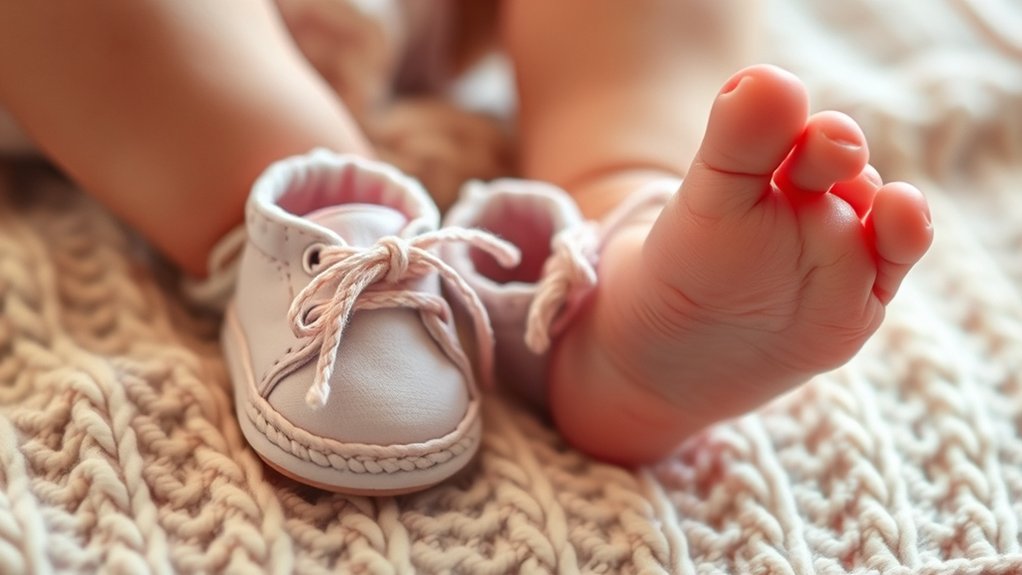
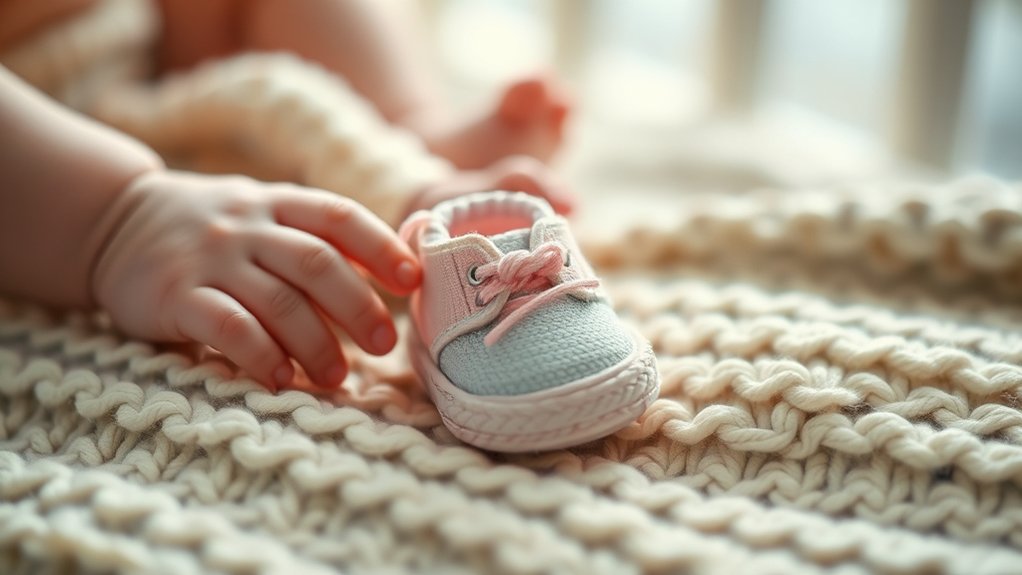
When choosing shoes for a 3-month-old, you’ll generally find they fit into infant sizes 1 to 2, reflecting their foot length of about 3.5 to 3.75 inches (8.9 to 9.5 cm).
At this stage, selecting the right size is essential because your baby’s feet grow quickly.
Baby shoes should have soft soles and a flexible design to support natural movement.
Look for a snug but comfortable fit, leaving about half an inch of space to accommodate growth.
Many baby shoe brands focus on combining comfort with footwear fashion, offering styles that protect tiny feet without sacrificing appearance.
By understanding typical sizing and prioritizing fit, you’ll guarantee your baby’s shoes support healthy development while keeping them stylish in their early months.
It’s all about finding that perfect balance between comfort and cuteness!
How to Measure Your 3 Month Old’s Feet Accurately
To measure your 3-month-old’s feet accurately, start by placing their foot flat against a wall on a piece of paper. Make sure the heel is flush against the wall.
Next, mark the points of the longest toe and the heel on the paper.
After that, grab a ruler and measure the distance between those two marks. This simple method, using just basic tools, ensures you get precise measurements to help find the best shoe fit.
It’s easy and effective!
Foot Measurement Techniques
How do you guarantee your 3-month-old’s shoes fit perfectly? Accurate foot measurement is essential for shoe comfort and healthy foot development.
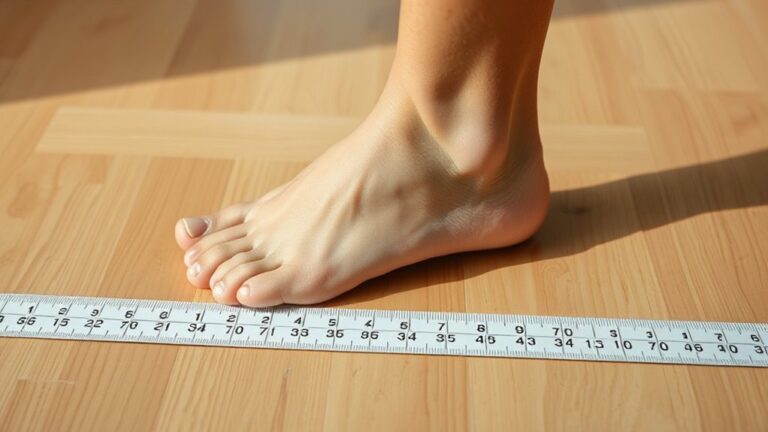
Start by placing your baby’s foot flat against a wall on a piece of paper, making sure the heel is flush with the wall.
Keep the foot relaxed and toes uncurled, then mark the tip of the longest toe and the back of the heel with a pen.
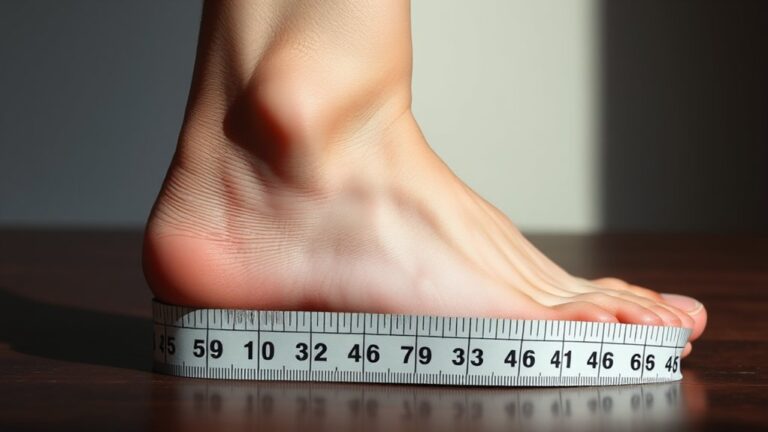
Measure the distance between these marks using a ruler or measuring tape, noting the length in centimeters or inches.
Repeat this process on the other foot, as one might be slightly larger.
Always use the longer foot’s measurement when selecting shoes.
And remember to measure regularly to keep up with your baby’s rapid growth. This way, you’ll ensure ongoing comfort and support for those tiny feet.
Tools For Accurate Sizing
Three essential tools make measuring your 3-month-old’s feet simple and accurate: a ruler or measuring tape, a piece of paper, and a pen.
Start by placing your baby’s foot flat against a wall, heel flush for precision. Use the pen to mark the tip of the longest toe and the back of the heel on the paper.
Then, measure the distance between these marks with your ruler or tape, noting the length in centimeters or inches.
Repeat on both feet, choosing the larger measurement to guarantee a comfortable fit.
Accurate sizing helps you select shoes that align with current fashion trends and use appropriate shoe materials. This assures both style and comfort for your baby’s delicate feet.
Using these tools makes sure you pick the perfect shoe size every time.
Why Getting the Right Baby Shoe Size Matters
While it might seem like a small detail, choosing the right baby shoe size plays an essential role in your child’s foot health and overall development. Properly fitting shoes support healthy growth and prevent deformities, allowing your baby to move freely and explore safely.
Shoes that are too tight can cause discomfort, restrict growth, and lead to blisters or skin irritations. On the other hand, loose shoes increase the risk of tripping.
Beyond size, consider shoe materials. Breathable, flexible fabrics promote comfort and foot health, regardless of fashion trends.
Prioritizing fit and material quality over style ensures your baby’s feet develop correctly and stay comfortable during critical milestones.
Getting the size right now lays a strong foundation for your child’s future mobility and well-being.
How to Know When It’s Time to Size Up Your Baby’s Shoes
Keeping a close eye on your baby’s shoe fit guarantees their feet stay comfortable and healthy as they grow. Since baby feet grow rapidly, especially in the first year, you’ll need to size up every 2 to 3 months.
Pay attention to these signs that indicate it’s time for a new pair: shoes feel tight or leave red marks on your baby’s feet. Toes press against the front, or shoes lose the recommended half-inch toe space.
Also, watch for difficulty putting shoes on, tripping, or dragging toes.
Additionally, consider the shoe material and shoe branding, as some brands run smaller or larger. Flexible, breathable materials provide better comfort.
Regular foot measurements and using size charts help you pick the right fit every time.
How Often Should You Check Your Baby’s Shoe Size
Because your baby’s feet grow so quickly, you should check their shoe size every 1 to 2 months during the first year. This frequent monitoring guarantees shoes fit well, preventing discomfort and supporting healthy foot development.
Growth rates vary, so regular checks help you stay on top of changes. Plus, seasonal changes often influence shoe fashion choices, so it’s good to keep an eye on that too.
| Age Range | Check Frequency | Notes |
|---|---|---|
| Newborn to 3 months | Every 2 months | Rapid growth phase |
| 3 to 6 months | Every 1-2 months | Adjust for shoe fashion |
| 6 to 12 months | Every month | Seasonal changes impact fit |
Use a foot measuring tool to track size accurately. That way, you can keep your baby comfortable and stylish at the same time.
Best Types of Shoes for a 3 Month Old Baby
Regularly checking your baby’s shoe size guarantees you pick footwear that truly fits their growing feet.
When choosing the best types of shoes for a 3-month-old baby, prioritize comfort, flexibility, and safe shoe materials over fashion trends.
At this stage, shoes should support healthy foot development without restricting movement.
Look for shoes that are soft-soled and lightweight to mimic barefoot walking.
They should be made from breathable, non-slip materials like leather or fabric.
Also, make sure they’re flexible with thin soles to allow natural foot motion.
Avoid rigid shoes because they can hinder foot muscle growth.
By focusing on these factors, you assure your baby’s shoes provide comfort, safety, and support.
Plus, they can still align with current fashion trends in baby footwear.
How to Fix Fit Problems With Your Baby’s Shoes
If your baby’s shoes don’t fit correctly, it’s essential to address the issue promptly to prevent discomfort and potential foot problems. Regularly measure your baby’s feet and make sure there’s about 1 centimeter of space at the toe. If you notice red marks or your baby trips, it’s time to replace the shoes.
Choose shoes made from flexible, breathable material that supports natural foot growth. Avoid stiff or rigid materials because they can cause discomfort.
When picking replacements, think about the shoe color not just for style but also for how easy it’s to spot dirt or wear.
Swapping out ill-fitting shoes quickly helps keep your baby comfortable and supports healthy foot development. Always prioritize fit and material quality over appearance to keep your baby’s feet safe and comfy.
Frequently Asked Questions
Can 3-Month-Olds Wear Socks Instead of Shoes?
Yes, you can dress your 3-month-old in baby sock styles instead of shoes. Choose socks with non-slip grips to guarantee infant footwear safety. They provide warmth and flexibility while supporting early mobility without restricting developing feet.
It’s a great way to keep those tiny toes cozy and free to move. Plus, socks are usually softer and more comfortable for little ones at this age. So go ahead and skip the shoes for now!
Are There Specific Shoe Brands Recommended for Newborns?
Think of newborn shoes as a gentle dance partner. Brands like Robeez, Stride Rite, and Pediped use soft, breathable shoe material designed to support natural foot growth patterns.
This ensures comfort and healthy development for your baby’s tiny feet. Choosing the right shoe can really make a difference in those early steps. So, it’s worth picking something gentle and supportive.
How Do Seasonal Changes Affect Baby Shoe Size Choices?
Seasonal changes affect your baby’s shoe size because feet swell in warm weather and shrink in cold. You’ll need to adjust shoe size for seasonal clothing and temperature regulation, ensuring comfort with extra space or insulation as needed.
It’s all about keeping your baby’s feet comfy no matter the season. So, when it’s hot, go for shoes that have a bit more room to accommodate swelling. And when it’s chilly, consider shoes that fit snugger or have added insulation to keep those little toes warm.
Can Tight Shoes Cause Long-Term Foot Problems in Babies?
Yes, tight shoes can harm your baby’s foot development by restricting growth and causing deformities. Ensuring a proper shoe fit supports healthy feet, prevents discomfort, and reduces the risk of long-term structural problems as your child grows.
It’s really important to choose shoes that allow plenty of room for those little feet to move and grow naturally. You don’t want anything squeezing or pinching. That way, your baby stays comfortable and their feet develop just right.
Is It Necessary to Buy Shoes if the Baby Isn’T Walking Yet?
You don’t need to rush baby fashion or shoe shopping before your little one walks. Instead, focus on soft socks or booties. They protect without restricting.
Let those tiny feet grow strong and free, naturally and safely.
Conclusion
Getting the right shoe size for your 3-month-old is like planting a seed. You want a perfect start for healthy growth. Just like a seedling needs space to grow roots, your baby’s feet need shoes that fit well and allow natural movement.
Remember, babies’ feet grow about half a size every two months. So, regularly measuring guarantees comfort and development. Keep checking, and you’ll give your little one the best foundation for every step ahead.