What Does Eee Mean In Shoe Size – Width Guide Explained
Eee in shoe sizing means triple wide width, giving you about 13.5mm more room than a standard D width and 4.5mm more than EE. This extra space reduces tightness and pressure points, making it ideal if you have very wide or swollen feet, bunions, or foot pain.
Proper Eee fit supports foot health by preventing blisters and deformities. Understanding how Eee compares to other widths and when you need it can help you find the best comfort and support. It’s all about making sure your shoes feel good and keep your feet healthy.
Key Takeaways
- EEE in shoe sizing indicates a triple wide width, providing about 13.5mm more space than standard widths.
- EEE shoes offer roughly 4.5mm more width than EE shoes, ideal for very wide feet.
- This width helps reduce tightness, pressure points, and foot discomfort for broader foot shapes.
- EEE sizing supports foot health by preventing blisters, bunions, and nerve irritation from tight shoes.
- Available in men’s and women’s footwear, EEE shoes enhance comfort, fit, and foot support.
What Does Eee Mean In Shoe Size?
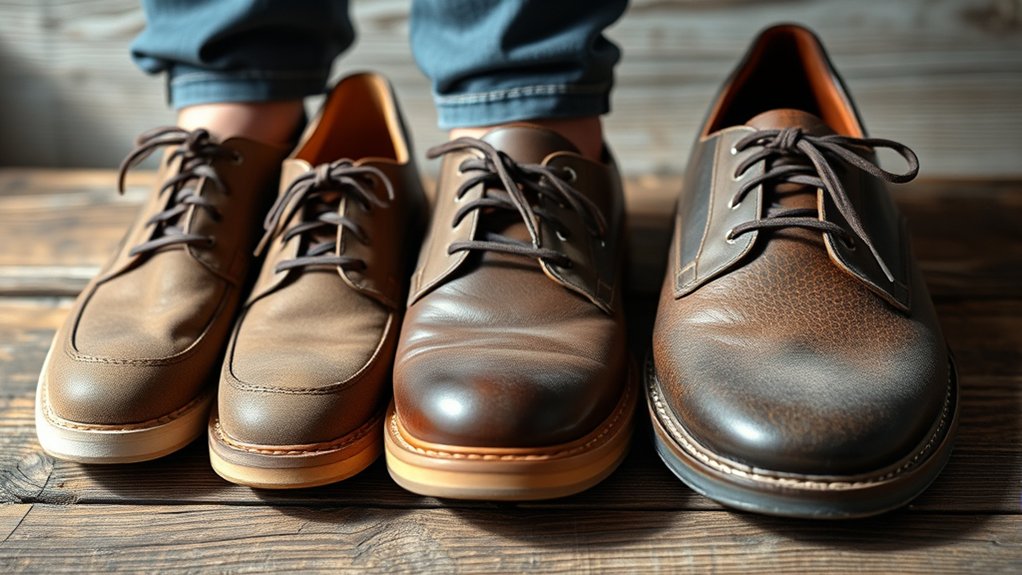
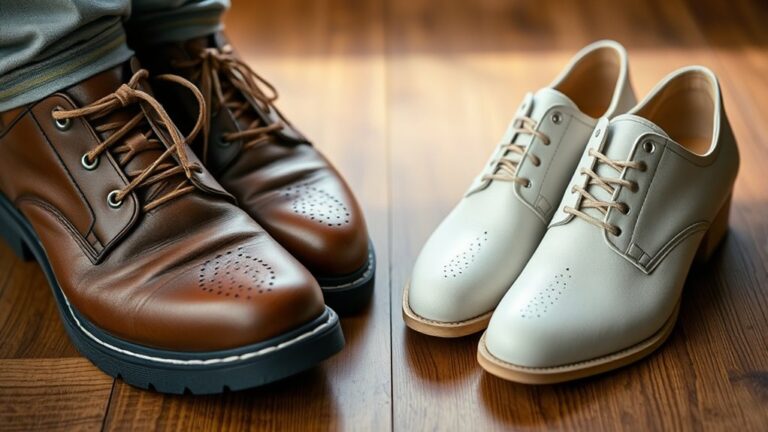
While standard shoe widths often suffice, you might find that Eee sizing better accommodates your feet if you need extra room. Eee denotes a triple wide width, providing approximately 4.5mm more space than EE shoes, totaling about 13.5mm wider than standard widths.
This additional width considerably enhances comfort for individuals with wider foot shapes, reducing tightness and pressure points.
Eee sizing is prevalent in both men’s and women’s footwear, aligning with evolving fashion trends that emphasize inclusivity and comfort without compromising style.
When selecting Eee shoes, consider shoe material durability. Wider shoes often require sturdier materials to maintain structural integrity and support over time.
Therefore, choosing quality materials ensures your wider shoes remain both fashionable and functional, accommodating your unique fit needs effectively.
How Do Shoe Width Letters And Numbers Work?
You’ll notice that shoe width letters like D, E, and EE correspond to specific measurements across the ball of your foot. These letters basically indicate whether the shoe is narrow, medium, wide, or extra-wide.
On the other hand, numerical designations such as 2A or 2E are just more precise ways to represent those widths. They keep the same width standards but give you a bit more detail.
Knowing both systems is really helpful. It makes picking out shoes that fit your foot’s unique shape a lot easier and more comfortable.
Shoe Width Letter Meanings
Because shoe width letters represent the measurement across the widest part of your foot at the ball, understanding these letters helps you find a more accurate fit. Widths range from very narrow (AA or 2A) to very wide (EE, EEE), with each letter step increasing approximately 4.5mm.
Men’s widths typically span from B (narrow) to 6E (extra extra wide), while women’s go from A to EEE (ultra-wide).
Knowing these distinctions is vital as fashion trends often influence available widths, but material durability also affects how shoes conform over time. Different brands may vary, so relying on these standardized letters ensures consistent comfort and performance.
Properly selecting width letters helps you avoid discomfort and extends the lifespan of your shoes by matching foot shape precisely.
Numerical Width Designations
One key aspect of shoe sizing is understanding how numerical width designations complement letter widths to provide a more precise fit. While letters like E or EE indicate foot width, numbers such as 2A or 2E specify incremental variations within these categories.
This system allows for refined shoe customization, which is super helpful as fashion trends embrace diverse foot shapes. For example, a 2E width is wider than a standard E, offering better comfort for those with broader feet.
| Letter Width | Numerical Equivalent |
|---|---|
| A | 1A |
| E | 1E |
| EE | 2E |
How Does Eee Compare To EE And Other Widths?
Understanding how EEE compares to EE and other widths is essential for selecting the right shoe fit, especially if you need extra room.
EEE provides about 4.5mm (0.18 inch) more space across the foot than EE. That adds up to roughly 13.5mm (0.53 inch) wider overall.
While EE is considered extra-wide, EEE is classified as triple wide. It’s designed to accommodate very wide feet and sits at the upper end of width scales for both men and women.
When choosing between these widths, think about the shoe material. Flexible materials might adapt to your foot shape, but rigid ones usually require a more precise width selection.
Also, fashion trends are starting to embrace wider widths more. That means you can find stylish options in EEE sizes now, so you don’t have to sacrifice appearance for comfort.
Why Does Eee Width Matter For Wider Feet?
Choosing the right shoe width goes beyond just numbers and letters; it directly impacts your foot’s health and comfort. When you wear EEE width shoes, you gain approximately 4.5mm more space across the widest part of your foot compared to EE widths. This extra room is vital if your feet are markedly wider.
It helps accommodate natural foot swelling and reduces pressure on toes and sides, which can prevent discomfort and common foot issues like blisters, bunions, and nerve irritation. So, getting the width right really makes a difference.
Achieving shoe sizing accuracy means considering both length and width, along with how flexible the shoe material is, to guarantee an ideal fit. EEE width maintains an essential balance between comfort and support.
It stops your foot from feeling cramped, which is key for overall foot health and long-term comfort.
What Are The Signs You Need Eee Or Extra-Wide Shoes?
If you frequently notice tightness or pressure across the widest part of your foot, it’s a clear indication that you might need EEE or extra-wide shoes. Shoe manufacturing processes account for various widths, yet standard models often don’t accommodate wider feet, leading to discomfort.
Signs include blisters, calluses, or soreness along your foot’s sides, often caused by inadequate width. Toe cramping or overlapping signals insufficient space, while heel slipping or side gaps suggest a poor fit.
Blisters, calluses, and toe cramping reveal your shoes may be too narrow for your feet.
Additionally, swelling or foot conditions like bunions require the extra room EEE shoes provide. Although fashion trends lean toward slimmer profiles, prioritizing proper width in footwear enhances comfort and foot health.
Recognizing these signs guarantees you select shoes that balance style with anatomical needs effectively.
Who Benefits Most From Eee-Width Shoes?
When your feet regularly feel cramped or experience discomfort in standard or wide shoes, Eee-width options can offer the essential extra space necessary for proper fit and support.
You’ll benefit most from Eee-width shoes if you have considerably wider feet or broader forefeet that standard widths can’t accommodate comfortably. Also, if you experience swelling, bunions, or foot conditions needing extra room to reduce pressure, these shoes might be just what you need.
If you suffer from pain, blistering, or toe overlap caused by tight-fitting footwear, Eee-width shoes can help alleviate those issues. Plus, if you’re active or athletic, needing better support and prevention of pinching during movement, these shoes are a great choice.
Keep in mind that shoe material matters a lot. Flexible, breathable materials work best with Eee widths. And the good news is, fashion trends now embrace wider fits without compromising style or function. So, you can have comfort and look good too!
How Do You Measure Your Foot To Confirm Eee Fit?
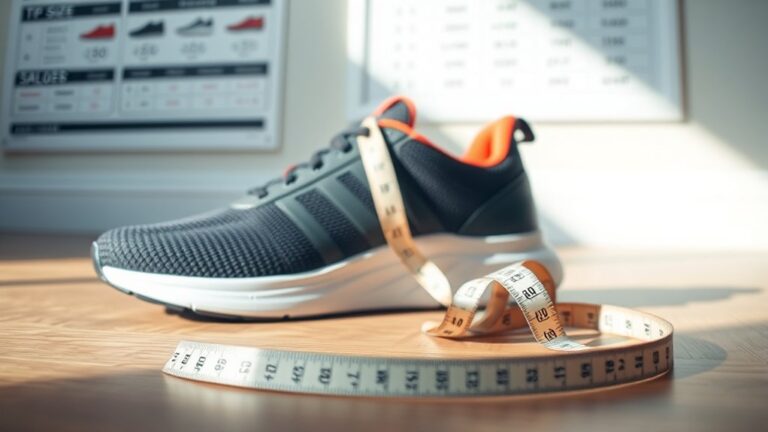
Accurately measuring your foot is essential to confirm whether an EEE width shoe will provide the proper fit and comfort. For precise foot measurement accuracy, stand barefoot on a flat surface with your weight evenly distributed.
Place a piece of paper beneath your foot and mark the widest points across the ball of your foot. Use a ruler or tape measure to determine the distance between these marks in millimeters or inches.
Repeat this for both feet, since one may be wider than the other. Then, use the larger measurement to be sure.
Next, consult shoe width charts to verify if an EEE width corresponds to your measurement.
Following these shoe fitting tips helps you select footwear that truly accommodates your foot’s breadth. This way, you avoid discomfort and enjoy a better overall fit.
Where Can You Find Eee Shoes And Brands That Offer Them?
Once you’ve measured your foot and confirmed the need for an EEE width, the next step is to figure out where you can find shoes that meet this specification. EEE shoes accommodate wide feet without compromising on fashion trends or shoe material choices.
Here’s where to look: Specialty footwear stores that stock multiple widths often include EEE options in casual, athletic, and dress styles. You can also check out popular brands like New Balance, Clarks, and Skechers, which offer EEE widths for both men and women.
Don’t forget brand-specific websites, including Alexander Noel, which frequently provide EEE shoes and custom fitting services.
Online retailers dedicated to wide-fit footwear can also make your search easier, helping you find the right shoe material and style with less hassle.
How Does Choosing Eee Width Improve Foot Comfort And Health?
Although many people underestimate the importance of shoe width, choosing an EEE width can substantially enhance your foot comfort and health. EEE width shoes provide approximately 13.5mm more room across the widest part of your foot compared to standard D-width, markedly reducing pressure and discomfort.
This additional space, combined with advances in footwear manufacturing and material flexibility, minimizes friction, preventing bunions, blisters, and calluses.
Appropriately wide shoes also improve circulation and reduce swelling, especially if your feet tend to widen or swell. Wearing EEE width lowers the risk of foot pain, deformities, and long-term health issues caused by tight or ill-fitting footwear.
Frequently Asked Questions
Are Eee-Width Shoes Suitable for Athletic Footwear?
Yes, EEE-width shoes suit athletic footwear perfectly, offering enhanced comfort and stability. They accommodate wider feet without sacrificing performance.
You’ll find diverse shoe color options aligning with current fashion trends to match your style. It’s all about feeling good and looking good while you stay active.
Do Eee Shoes Require Special Insoles or Orthotics?
Back in the age of knights, you’d still need proper armor. Similarly, EEE shoes usually don’t require special insoles unless you want extra arch support.
Make sure to prioritize shoe comfort and foot health. If pain persists, it’s a good idea to consult a podiatrist.
Can Eee-Width Shoes Be Resized or Stretched at Home?
You can stretch EEE-width shoes at home using shoe stretching tools and sprays. Comfort modifications like thick socks and gradual sessions help expand the material safely, especially leather. This way, you get a better fit without risking damage.
It’s pretty simple once you get the hang of it. Just take it slow and be patient with the process. That way, your shoes will feel more comfortable without any harm.
How Does Eee Width Affect Shoe Durability?
EEE width enhances shoe durability by accommodating your foot anatomy with extra shoe material. This helps reduce pressure points and material fatigue. When the shoe fits well, it lessens stress on high-wear areas.
But keep in mind, if the shoe isn’t constructed properly, the extra bulk can actually cause some parts to wear out faster. So, a wider shoe is great, but only if it’s designed thoughtfully. Otherwise, those bulky areas might not hold up as well.
Are Eee-Width Shoes More Expensive Than Standard Widths?
Yes, Eee-width shoes are more expensive than standard widths because of the advanced manufacturing processes involved. They require extra materials to create a wider fit, which adds to the cost.
Fashion trends also play a role here. There’s a demand for specialized fits, so brands invest more to accommodate wider lasts. This helps guarantee the ideal comfort and durability you expect.
Conclusion
Choosing the correct shoe width, especially EEE, guarantees exceptional ease and eliminates everyday foot fatigue. By embracing extra-wide options, you’re enhancing ergonomic efficiency and extending comfort throughout your day.
When measuring meticulously and matching measurements to reliable brands, you minimize misfit mishaps and maximize mobility. Remember, recognizing the right width isn’t just about style. It’s a smart step toward sustained support, superior stability, and sound foot health for your active lifestyle.