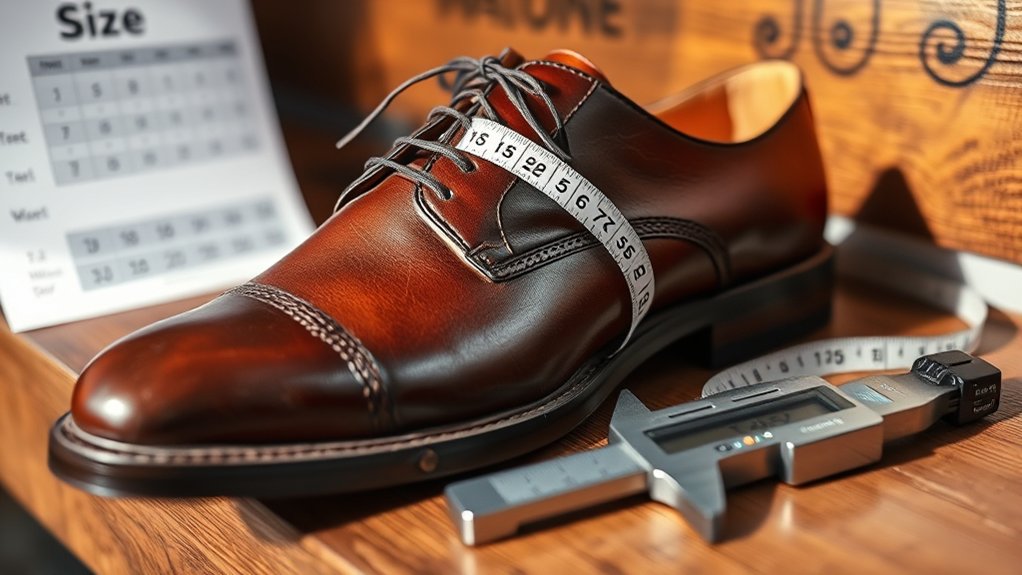
What Does D Mean In Shoe Size – Width Meaning Explained
When you see “D” in shoe size, it refers to the shoe’s width, but it differs by gender. For men, “D” means a standard or medium width, offering balanced comfort. For women, “D” indicates a wide fit, providing extra room across the foot’s ball.
Knowing this distinction helps you avoid discomfort and fit issues. If you want to guarantee proper fit and understand how “D” compares to other widths, there’s more detailed info to explore.
Key Takeaways
- In men’s shoes, “D” denotes a medium or standard width, offering a balanced fit between narrow and wide.
- In women’s shoes, “D” indicates a wide width, providing extra room across the ball and toe areas.
- Shoe widths progress from narrow (AA, B) to wide (D, E, EE), with “D” varying by gender.
- Correct “D” width selection prevents discomfort, pressure points, and supports healthy foot alignment.
- Proper foot width measurement and fit recognition help determine if “D” width shoes are suitable.
What Does “D” Mean in Shoe Width?
What does the “D” in shoe width actually mean? In shoe sizing, “D” typically denotes a standard or medium width for men’s shoes. It’s designed to fit average foot arches comfortably.
This width provides more room than narrower widths like “B” or “AA,” but less than extra-wide options such as “EE.” For men, a “D” width accommodates the typical foot arch and ball width, ensuring proper support and fit.
D width offers more room than B or AA, yet remains narrower than extra-wide EE for ideal support.
While the meaning of “D” shifts in women’s sizing, focusing here on the general concept, you should understand that “D” width shoes balance space and snugness effectively.
When selecting footwear, recognizing the role of “D” in shoe width helps you choose a pair that aligns with your foot arch’s dimensions and overall comfort requirements.
How “D” Width Differs for Men and Women
You should know that a D width means different things for men and women because of different width standards. For men, D is considered a standard or medium width.
But for women, it actually means a wide fit. So, understanding this difference helps you pick shoes that really fit your foot shape just right.
Gender Width Standards
Although the letter “D” denotes width in both men’s and women’s shoes, its meaning varies considerably between genders. In gender-specific sizing, “D” in men’s footwear width standards represents a standard or medium width, designed for average foot breadth.
Conversely, in women’s sizing, “D” indicates a wide fit, catering to broader feet. This difference means a “D” width in women’s shoes is wider than the same designation in men’s shoes, where a narrower “B” width is typical.
When selecting shoes across genders, understanding these distinct width standards is essential for achieving proper fit and comfort. Recognizing that a men’s “D” is standard while a women’s “D” is wide prevents confusion and guarantees you choose the correct shoe width for your needs.
Men’s D Width
How does the “D” width designation differ between men’s and women’s shoes?
In men’s sizing, “D” typically indicates a standard or medium width, offering more room across the ball of the foot compared to narrower widths like “B” or “AA.”
This contrasts with women’s sizing, where “D” denotes a wide fit.
When selecting men’s shoes, understanding this distinction is essential, especially as shoe material affects fit and comfort.
Leather or synthetic uppers conform differently to foot width, so a men’s D width shoe accommodates average male foot dimensions effectively.
Additionally, current fashion trends emphasize both style and functionality, making accurate width selection important.
Knowing that a men’s D width is wider than a women’s D ensures you choose footwear that balances comfort with contemporary design standards.
Women’s D Width
Because shoe width scales differ between genders, a “D” width in women’s shoes indicates a wide fit, unlike in men’s sizing where it represents a standard or medium width.
If you wear women’s D width shoes, you’ll notice they offer extra room across the ball and toe areas. This accommodates feet that require greater breadth for comfort.
This distinction is essential when selecting footwear aligned with current fashion trends. Designers often balance style and fit by adjusting material flexibility. Shoes labeled “D” for women provide a wider base without compromising structural integrity.
That way, you get both aesthetic appeal and functional comfort. Understanding this gender-specific width difference helps you choose shoes that fit properly. It prevents discomfort and enhances wearability.
How “D” Width Compares to B, EE, and Other Widths
When you compare the “D” width to other shoe widths like “B” and “EE,” it’s important to recognize the gender-specific differences in sizing.
In shoe width terminology, “D” serves as the standard or medium width for men’s shoes, while for women, it indicates a wide fit.
By contrast, “B” represents a narrow fit for men and a standard or narrow width for women.
Meanwhile, “EE” or 2E designates a wide or extra-wide width, offering more space in the forefoot and toe box.
When you make a fit comparison, remember widths progress from narrow (AA, A, B) to wide (D, E, EE).
Why “D” Width Matters for Comfort and Foot Health
You need the proper “D” width to make sure your shoes fit just right—not too tight and not too loose. When your shoes fit snugly, they won’t cause those annoying pressure points or let your feet slide around inside.
Wearing the correct width is more important than you might think. It helps prevent common foot problems like blisters and calluses, and it can even protect against structural issues like bunions.
Importance Of Proper Fit
Although many people overlook shoe width, choosing the correct “D” width plays a critical role in comfort and foot health. Even as fashion trends push diverse styles, the fundamentals of fit, especially in shoe materials, remain crucial.
Selecting the right “D” width ensures your feet have adequate space and support. Here’s why it matters:
- Provides proper room across the ball of your foot, reducing pressure points and preventing blisters.
- Supports foot alignment, minimizing strain on ankles, knees, and lower back.
- Helps avoid deformities like bunions or hammertoes caused by tight shoes.
- Enhances overall comfort and reduces fatigue, especially during prolonged wear.
Preventing Foot Health Issues
How does selecting the correct “D” width shoe directly impact your foot health and comfort? Choosing a shoe with a proper “D” width guarantees adequate space across the ball of your foot, which is vital for maintaining ideal foot arch support and alignment.
A shoe that fits well prevents excessive pressure, reducing risks of blisters, bunions, and toe crowding. Plus, the right shoe material in a “D” width accommodates natural foot expansion during movement. This enhances comfort and helps prevent irritation.
Proper fit also helps avoid long-term issues like hammertoes and plantar fasciitis by evenly distributing weight and supporting the foot arch. By selecting the correct “D” width, you’re actively protecting your feet from common health issues.
You’re also promoting structural integrity, which means your shoes will offer durability and comfort throughout daily wear. It really makes a difference!
Enhancing Daily Comfort
When selecting footwear, choosing the correct “D” width plays a vital role in enhancing daily comfort and maintaining foot health. The “D” width accommodates most foot shapes, providing necessary space and support. Here’s why it matters:
It prevents pinching and blisters by ensuring adequate room across the ball of your foot. Proper foot arch support aligns your foot structure, reducing fatigue during prolonged wear.
Correct shoe material selection combined with “D” width allows natural foot expansion, minimizing pressure points.
It also promotes better gait and alignment, helping to avoid foot deformities over time. Selecting the right “D” width optimizes comfort, supports foot health, and enhances your overall daily mobility.
Taking the time to find the right fit can make a big difference in how your feet feel throughout the day.
How to Measure Your Foot Width to Find the Right Size
Since accurate foot width measurement is essential for finding the right shoe size, start by standing on a hard, flat surface with your weight evenly distributed.
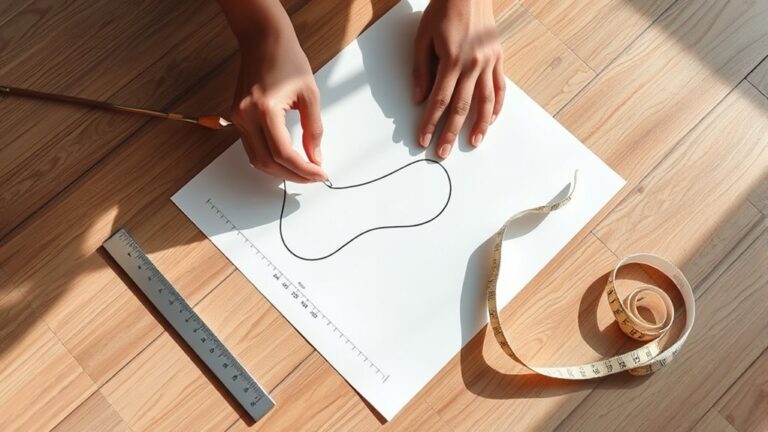
Place your foot on a piece of paper and mark the two farthest points across the ball of your foot, where the width is greatest.
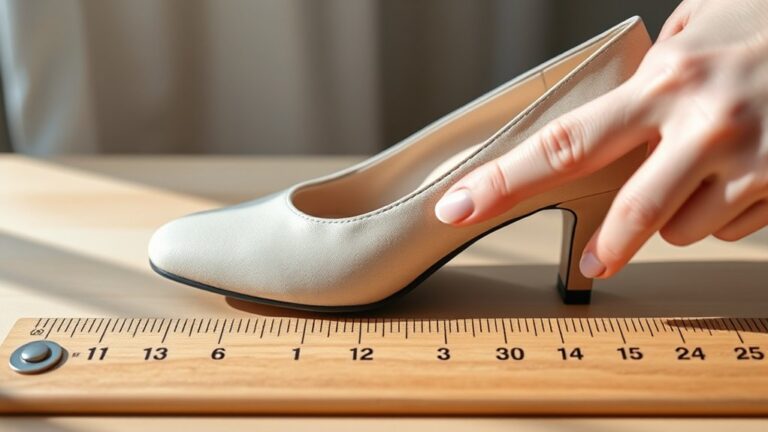
Measure the distance between these points using a ruler or measuring tape in inches or centimeters.
Repeat this for both feet, as one may be wider than the other.
Use the larger measurement to guide your choice.
This precise measurement helps accommodate the shoe material’s flexibility and supports your walking gait, reducing discomfort.
Finally, compare your measurement against standardized sizing charts that correlate foot width to width labels like D or E.
This will guarantee a proper fit and better comfort overall.
What Are the Signs You Need a Wider or Narrower Shoe?
Accurately measuring your foot width sets the foundation for selecting the correct shoe size, but recognizing the signs that indicate whether you need a wider or narrower shoe helps refine your fit further. Footwear design in shoe manufacturing often follows fashion trends, but your comfort depends on the proper width.
Measuring foot width is key, but spotting fit signs ensures your shoes are truly comfortable.
Watch for these signs:
- Heel slipping or gaps at the shoe’s sides signals you need a wider width.
- Toes overlapping or redness after wear indicate tightness, requiring a wider fit.
- Pinching or tightness across the ball of the foot suggests a narrower shoe may be necessary.
- Blisters on outer edges or excessive heel lift show the shoe is too wide; opt for narrower sizing.
Identifying these signs guarantees your shoe width matches your foot anatomy precisely. It’s all about making sure your shoes feel just right every time you wear them.
Why Most Shoes Are Made in Standard Widths
Although your foot width varies, most shoes come in standard widths, typically a B for women and D for men. This helps streamline manufacturing and inventory management.
Shoe manufacturing relies on producing a limited range of widths to reduce production costs and simplify inventory management.
Offering multiple widths for each size would increase complexity. It would require more materials, labor, and storage space. So, brands keep things simple.
This approach allows them to maintain lower prices and offer a broader style selection. But it often means the fit isn’t perfect for those with wider or narrower feet.
By focusing on standard widths, manufacturers optimize their processes. However, you might find that many shoes don’t comfortably accommodate your true foot shape.
Knowing this limitation helps explain why standard widths dominate the market, even though individual foot widths vary a lot.
How to Find Shoes in the Right Width (Including “D” Sizes)
When you want to find shoes in the right width, start by measuring the widest part of your foot, the ball area, using a Brannock device or a similar tool. Understanding your width helps you navigate fashion trends and shoe manufacturing standards more easily.
Follow these steps:
- Measure your foot’s ball width precisely. Usually, 3–5 inches fits a “D” width for men, while 3.4–5.4 inches might mean you need wider sizes like EE.
- Know that “D” can mean different things depending on gender. For men, “D” is standard, but for women, “D” means wide.
- When trying shoes on, make sure there’s no tightness or slipping at the widest part.
- If you feel discomfort, pinching, or numbness, it’s a good idea to go for wider widths.
Picking the right width makes your shoes more comfortable and matches what modern shoe manufacturers expect.
Frequently Asked Questions
Can “D” Width Shoes Accommodate Custom Orthotics?
Yes, D width shoes generally accommodate custom orthotics well, aligning with width measurement standards. You should try them on to guarantee orthotic comfort, especially if your orthotic isn’t too thick or bulky for the moderate width.
It’s always a good idea to test the fit because everyone’s foot shape is a bit different. If your orthotic is on the thinner side, D width shoes usually work just fine. But if it’s thick or has extra features, you might want to consider a wider shoe for added comfort.
Are “D” Width Shoes Suitable for Sports Activities?
You’ll find D width shoes suitable for sports activities, balancing shoe fashion with orthopedic benefits. They provide stable support and comfort during movement.
These shoes fit most feet well and can accommodate custom orthotics when needed. That way, you get ideal performance without sacrificing comfort.
Do “D” Width Shoes Vary by Brand or Country?
Imagine slipping into shoes that feel just right or oddly tight. Brand variations and country standards cause “D” widths to shift.
You’ll find differences in fit, so always check sizing charts before you buy. It’s a simple way to avoid surprises and get the perfect fit every time.
How Does “D” Width Affect Shoe Pricing?
You won’t see significant price differences for D-width shoes since shoe manufacturing treats them as standard width.
Only specialty or custom lines might raise costs due to precise last shaping, but generally, width doesn’t impact pricing much. It’s pretty straightforward when it comes to D width—most shoes fall into this category without extra charges. So, if you’re shopping for D-width shoes, price shouldn’t be a big worry.
Can Children Wear “D” Width Shoes?
You’ll find children can wear “D” width shoes comfortably when their feet need extra room. Prioritize accurate shoe fit; this width supports child comfort by preventing pinching and promoting proper foot development during growth stages.
It’s really all about making sure their shoes fit well. When kids have wider feet, “D” width shoes give them the space they need without feeling tight. This helps keep their feet happy as they grow.
Conclusion
Understanding the “D” in shoe width is like revealing the blueprint of your foot’s comfort. It’s not just a letter. It’s the bridge between your foot and the perfect fit, vital for avoiding pain and injury.
Whether you’re a man or woman, knowing how “D” compares to other widths guarantees you step confidently. Measure accurately, listen to your feet’s signals, and choose wisely. Because the right width turns every step into a seamless stride.