What Size Shoe Does A 2 Year Old Boy Wear – Size Chart Guide
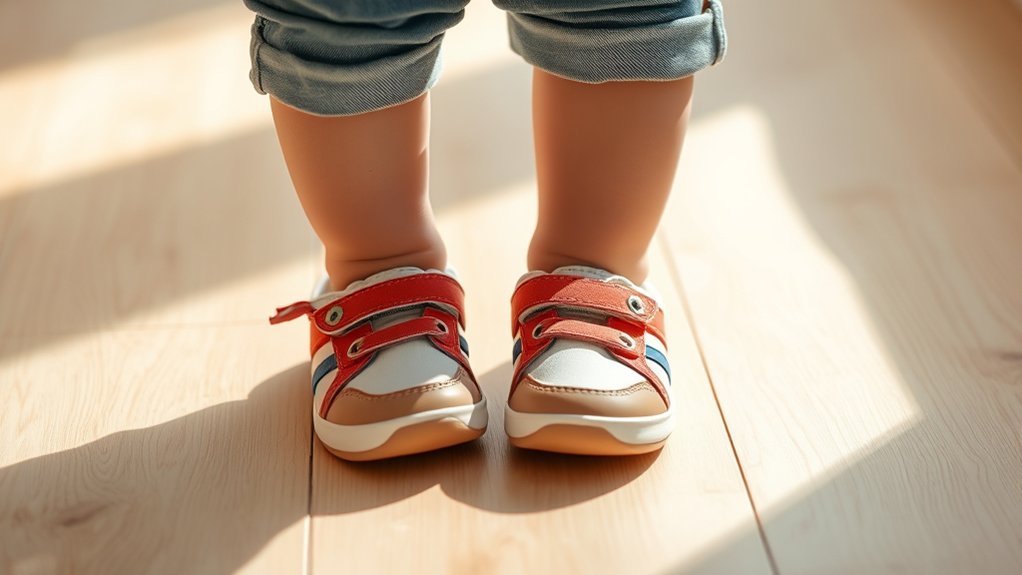
You’ll generally find that a 2-year-old boy wears US shoe sizes 6 to 8, which fit foot lengths around 4.8 to 5.5 inches. When picking shoes, leave about half an inch of extra room in the toe area for growth and movement.
Always measure feet at the end of the day and choose flexible, supportive shoes with a snug heel fit. Checking your child’s shoe size every couple of months helps keep their feet comfortable and healthy.
There’s more to know about proper fit and shoe features that support growing feet. It’s worth taking the time to learn about these to make sure your little one stays comfy and happy on their feet.
Key Takeaways
- Most 2-year-old boys wear US shoe sizes 6 to 8, fitting foot lengths of about 4.8 to 5.5 inches.
- Shoes should have approximately half an inch of extra toe space for growth and comfort.
- Measure feet at the end of the day and add half an inch to the longest foot length for sizing.
- Choose the larger size when between sizes and ensure shoes have a snug heel fit without slipping.
- Regularly check fit every 2 months to support healthy foot development and prevent discomfort.
Typical Shoe Size Range for 2 Year Old Boys
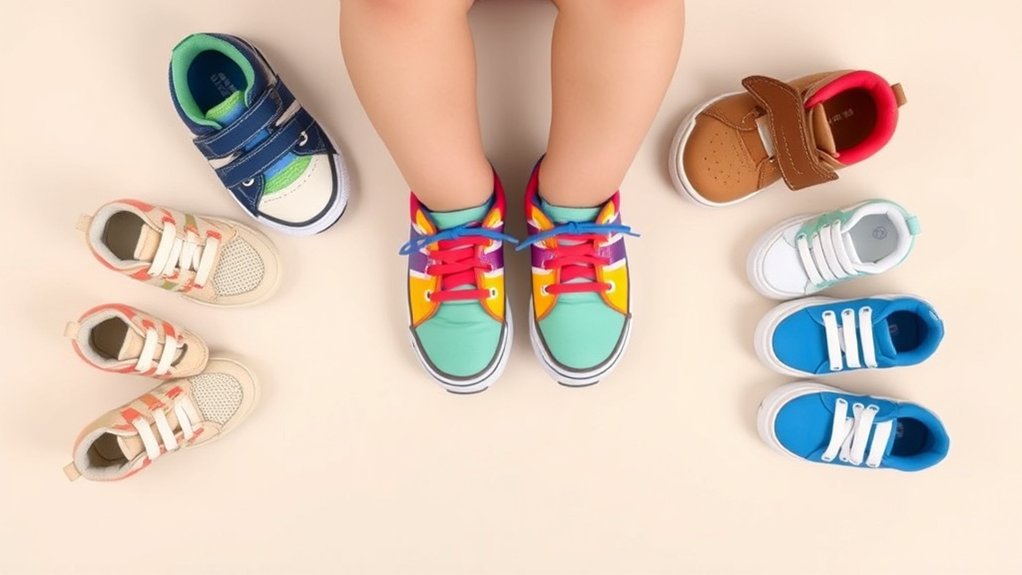
Although every child grows at their own pace, most 2-year-old boys wear shoe sizes between US 6 and US 8. This range corresponds to foot lengths of about 4.8 to 5.5 inches, ensuring a comfortable fit with roughly half an inch of extra space in the toe area to allow natural growth and movement.
When choosing shoes, consider current fashion trends for toddlers, but prioritize the shoe material first. Breathable, flexible materials support your child’s developing feet better than rigid options.
Since toddlers’ feet grow rapidly, checking the fit regularly is essential to avoid discomfort or improper foot development.
Measure Your 2-Year-Old’s Feet Easily at Home
Knowing the typical shoe size range for your 2-year-old son is a helpful starting point, but measuring his feet at home guarantees the best fit.
Starting with typical shoe sizes helps, but measuring your toddler’s feet at home ensures the perfect fit.
Do this at the end of the day when his feet are most swollen to ensure accuracy.
Use a printable foot measuring guide at 100% scale, verifying with a credit card.
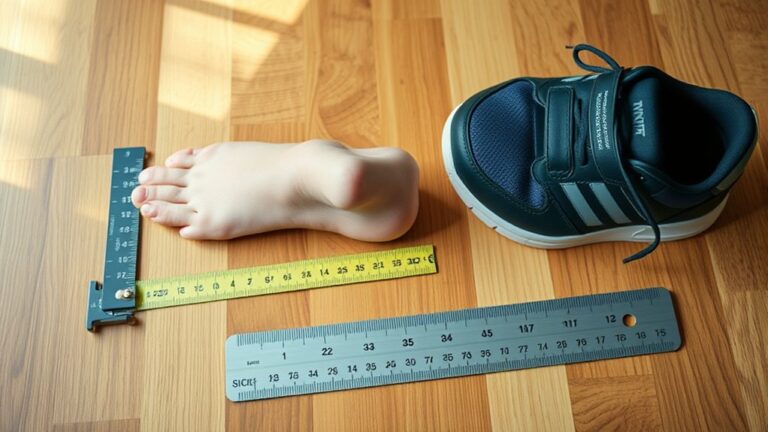
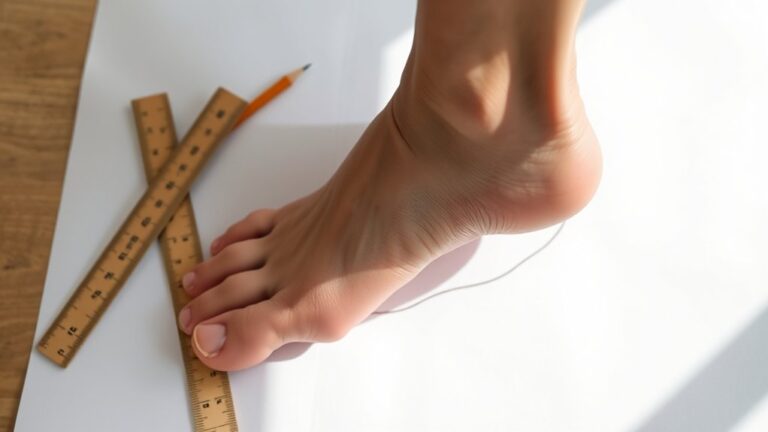
Have him stand barefoot on a hard surface and trace each foot’s outline.
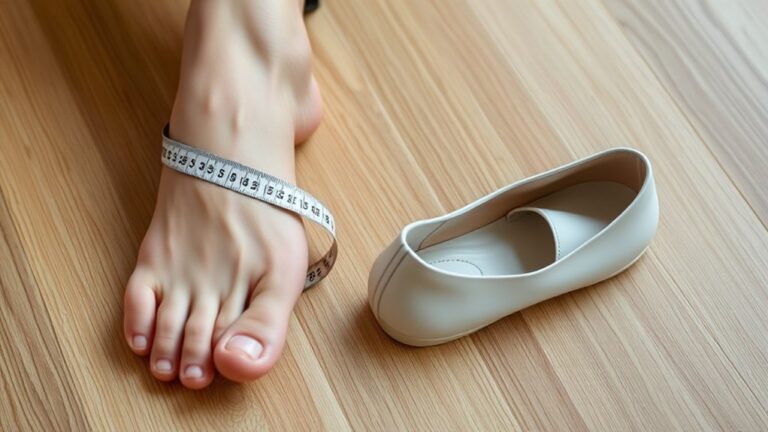
Measure from heel to the longest toe, noting the longer foot.
Add half an inch to this length to find the right shoe size.
When choosing shoes, consider shoe material for comfort and durability.
And don’t forget his color preferences to keep him excited about wearing them.
This simple method guarantees you pick shoes that fit well and feel great.
Understanding Toddler Shoe Size Charts
When you check toddler shoe size charts, you’ll see sizes typically range from 4 to 10, with each size corresponding to a specific foot length in inches or centimeters. For example, size 4 fits a foot about 3.75 inches long, while size 10 fits around 6.25 inches.
These charts help you pick the right size by measuring your child’s foot from heel to longest toe.
Remember to allow half an inch for growth to keep shoes comfortable. Besides size, consider shoe material for breathability and flexibility, supporting your toddler’s developing feet.
Also, factor in design preferences, so your child feels excited to wear their shoes.
Understanding these charts guarantees a perfect fit and happy, healthy steps every time. It’s really about making sure your little one is comfy and ready to explore the world on their feet!
What to Do If Your Child Is Between Sizes
After you’ve measured your child’s feet and compared them to the size chart, you might find their foot length falls between two sizes. In this case, always choose the larger size to guarantee comfort and room for growth.
If your child’s foot length falls between sizes, opt for the larger one to ensure comfort and growth.
Selecting a bigger shoe prevents cramping and discomfort, especially around the foot arch, which needs proper support.
Look for shoes made from flexible shoe material that can adapt to slight size variations and provide comfort during active play.
Shoes with adjustable laces or straps are ideal, as they accommodate changes in fit while securing the foot.
Regularly measuring your child’s feet helps you stay on top of their growth, so you can pick the most suitable size without compromising comfort or foot health.
It’s a simple step that really makes a difference!
How Much Room to Leave in Toddler Shoes for Growing Feet
You’ll want to leave about half an inch of space at the toe—that way, your toddler’s feet have room to grow and move comfortably.
It’s a good idea to check their shoe fit every couple of months to make sure there’s enough wiggle room without things getting too tight.
Taking this simple step helps prevent discomfort like blisters and keeps their feet healthy as they grow.
Ideal Toe Space
Because toddlers’ feet grow quickly, leaving about half an inch of extra space at the toe in their shoes is essential. This space prevents the toes from being cramped, allowing them to move naturally and support healthy foot development.
When choosing shoes, look for ones made from breathable, flexible shoe material to accommodate growing feet comfortably.
As your child explores color preferences, remember that a shoe’s fit matters more than style. Make sure the toes gently touch the front without feeling squished.
Regularly measure your toddler’s feet to confirm the fit remains ideal.
Avoid shoes that are too tight or too loose; a thumb’s width of space at the toe usually works well.
Prioritizing proper toe space helps your little boy walk confidently and comfortably every step of the way.
Growth Allowance Tips
When choosing shoes for your toddler, leave about half an inch of extra room at the toe to accommodate their rapidly growing feet.
Toddlers can grow half a size every 2 to 4 months, so it’s important to regularly measure their feet. Ideally, you should check their size every two months to make sure the shoes still fit well.
If your child’s foot falls between sizes, always pick the larger size. This helps avoid cramping and supports healthy foot development.
Also, opt for shoes made from flexible materials that can adapt to movement and growth.
Another thing to consider is the shoe color. Lighter colors can show dirt easily, while darker shades might hide wear and tear. This can actually help you keep an eye on how well the shoes are fitting over time.
Leaving this growth allowance helps your toddler stay comfortable while their feet develop naturally.
Preventing Foot Discomfort
Although toddlers’ feet grow quickly, you can prevent discomfort by leaving about half an inch of room at the toe when fitting their shoes. This space allows for natural growth and prevents cramping. Make sure the shoe material is flexible yet supportive, and avoid shoes that slip at the heel or midfoot.
Also, pick a shoe color your child likes to encourage wearing them. Check for red marks or blisters as signs of poor fit. Measure your toddler’s feet every two months to adjust for growth.
| Fit Aspect | Recommendation | Reason |
|---|---|---|
| Toe Room | ½ inch space | Allows growth, prevents cramps |
| Heel Fit | Snug, no slipping | Stability and comfort |
| Shoe Material | Flexible, breathable | Supports foot health |
| Shoe Color | Child’s preference | Encourages consistent wear |
How Often Should You Check Your Toddler’s Shoe Size?
Since toddler feet grow quickly, you should check your child’s shoe size every two months to guarantee a proper fit. Their feet can grow about half a size every 2 to 4 months, so regular measurements prevent shoes from becoming too tight and causing discomfort.
You can use a printable measurement guide or visit a store for a professional fitting to track growth accurately.
Staying on top of sizing ensures shoes made from the right materials support healthy foot development. While fashion trends might tempt you to pick stylish shoes, prioritize fit over appearance to avoid foot issues.
Choosing Comfortable, Supportive Shoes for Your 2 Year Old’s Size
Keeping a close eye on your toddler’s shoe size is just the first step; choosing shoes that offer comfort and support is equally important. When selecting footwear for your 2-year-old, prioritize flexible, padded, and breathable shoe materials that accommodate active movement while preventing discomfort.
Monitor toddler shoe size closely and choose flexible, padded, breathable shoes for comfort and active play.
Always leave about half an inch of room in the toe area to allow for growth and avoid cramping.
Since toddlers’ feet can grow rapidly, opt for the larger size if they fall between sizes to ensure proper fit and healthy foot development. While fashion trends may tempt you, focus on shoes that balance style with functionality.
This way, your child’s feet stay supported and comfortable throughout the day.
This approach helps your toddler stay active and happy in their new shoes. It’s all about keeping those little feet happy while they explore the world!
Frequently Asked Questions
Can Shoe Size Vary Between Different Brands for Toddlers?
Yes, shoe size can vary between brands for toddlers due to brand differences and sizing accuracy. You should measure your child’s foot and check each brand’s size chart to guarantee the best fit and comfort.
It’s pretty common for sizes to run a bit differently depending on the brand. So, don’t just assume your toddler’s size will be the same everywhere. Taking a quick measurement and comparing it with the chart can save you from a lot of hassle.
When Should I Switch From Soft-Soled to Hard-Soled Shoes?
You should switch from soft-soled to hard-soled shoes when your toddler walks like a mini marathoner!
Make sure to use proper shoe fitting techniques to guarantee the shoe material supports stability and foot development.
At the same time, don’t sacrifice comfort or flexibility. It’s all about finding the right balance for those growing feet!
How Do Weather Conditions Affect Shoe Choice for Toddlers?
You’ll choose weather-appropriate footwear by considering seasonal shoe considerations like waterproofing for rain, insulation for cold, and breathability for heat.
This guarantees your toddler’s feet stay comfortable, dry, and safe in every season. Just think about what the weather’s like and pick shoes that match. It makes all the difference!
Are There Specific Shoes Recommended for Toddlers With Flat Feet?
You should choose shoes with firm arch support and orthopedic insoles to help stabilize your toddler’s flat feet. Look for flexible soles and a wide toe box to guarantee comfort and promote healthy foot development.
These features make a big difference in how your toddler walks and plays. Plus, comfortable shoes can prevent future foot problems. So, it’s worth taking the time to find the right pair.
Can Improperly Sized Shoes Cause Long-Term Foot Problems?
Would you want your child to struggle with foot problems later? Poor shoe fit can hinder foot development, causing deformities and pain.
You’ve got to guarantee proper shoe fit now to support healthy growth and avoid long-term issues. It’s really all about making sure their feet have the space and support they need. Otherwise, problems can sneak up on them over time.
Conclusion
Finding the right shoe size for your 2-year-old boy means measuring his feet regularly, consulting size charts carefully, and leaving enough room for growth. It also means choosing shoes that offer comfort, support, and flexibility to keep up with his active lifestyle.
By staying attentive, being proactive, and prioritizing his foot health, you’ll guarantee every step he takes is safe, comfortable, and confident. Remember, the right fit today sets the foundation for healthy feet tomorrow.