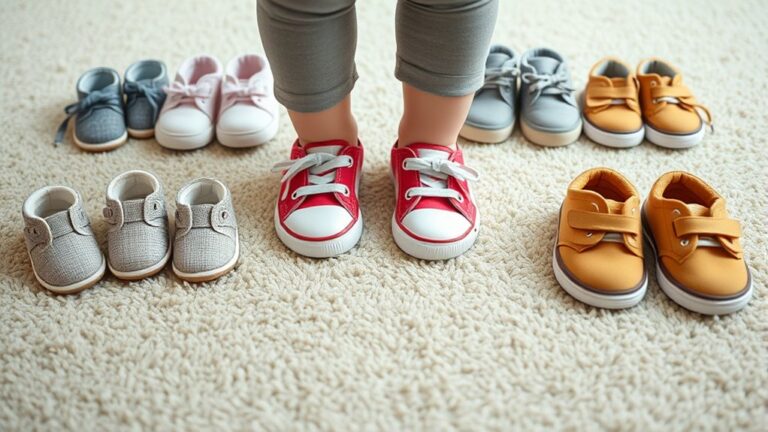
What Size Shoe Does A 4 Year Old Wear – Complete Size Guide
A 4-year-old typically wears US toddler shoe sizes 10.5 to 12, which corresponds to a foot length of about 6.5 to 7 inches. To guarantee comfort and healthy growth, measure your child’s feet at the end of the day.
Make sure to leave half an inch of space for toe room. It’s best to choose flexible, breathable shoes with adjustable features and a wider toe box.
If you want to confidently select and size shoes that support your child’s foot health, keep exploring practical tips and sizing strategies. You’ve got this!
Key Takeaways
- Four-year-olds typically wear US toddler shoe sizes between 10.5 and 12, with foot lengths around 6.5 to 7 inches.
- Measure feet at day’s end with weight on feet, leaving about half an inch of extra toe space for comfort and growth.
- Choose flexible, breathable shoes with adjustable features and a wider toe box to support healthy foot development.
- Size up if shoes feel tight or toes press the front, and replace shoes every 4 to 6 months during growth spurts.
- Regularly measure feet every 2-3 months and use size guides to ensure proper fit and prevent discomfort or foot issues.
What Size Shoe Does a 4 Year Old Typically Wear?
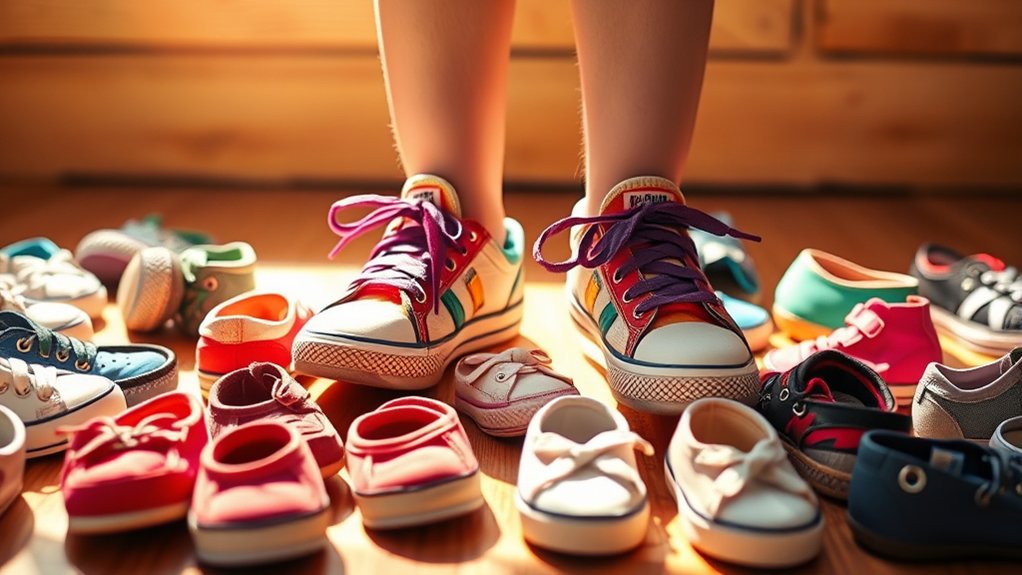
While every child grows at their own pace, a 4-year-old typically wears US toddler shoe sizes between 9 and 11. You’ll find that the average foot length ranges from about 6.5 to 7 inches. But individual differences and brand variations make regular measurements vital.
When choosing footwear fashion for your child, prioritize shoes made from breathable, flexible shoe material. This helps accommodate natural foot movement and allows room for growth.
Proper fit not only supports healthy development but also prevents discomfort and foot problems.
Remember, shoes that are too tight can hinder growth. On the other hand, overly loose shoes may cause instability.
Kids Shoe Size Categories: Infant to Grade School
Because children’s feet grow quickly and vary widely, understanding shoe size categories helps you find the best fit for your child. Sizes move from infant (1-3) to toddler (4-10), preschool (10.5-3), and grade school (3.5-7).
For a 4-year-old, you’ll likely choose shoes from the toddler or preschool range, typically between sizes 10.5 and 12.
Selecting the right shoe isn’t just about size. You must consider shoe material to guarantee comfort and breathability as their feet develop.
Also, color preferences matter. Involving your child in color choices encourages them to wear their shoes happily.
Keep in mind, regular measurement is vital since rapid growth can quickly make shoes uncomfortable. Staying attentive to these categories assures your child’s shoes fit well and support healthy foot development.
How Do You Measure Your 4 Year Old’s Feet Accurately?
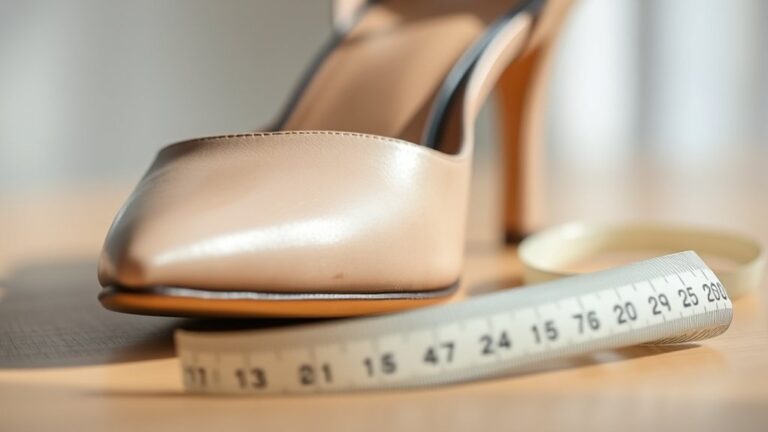
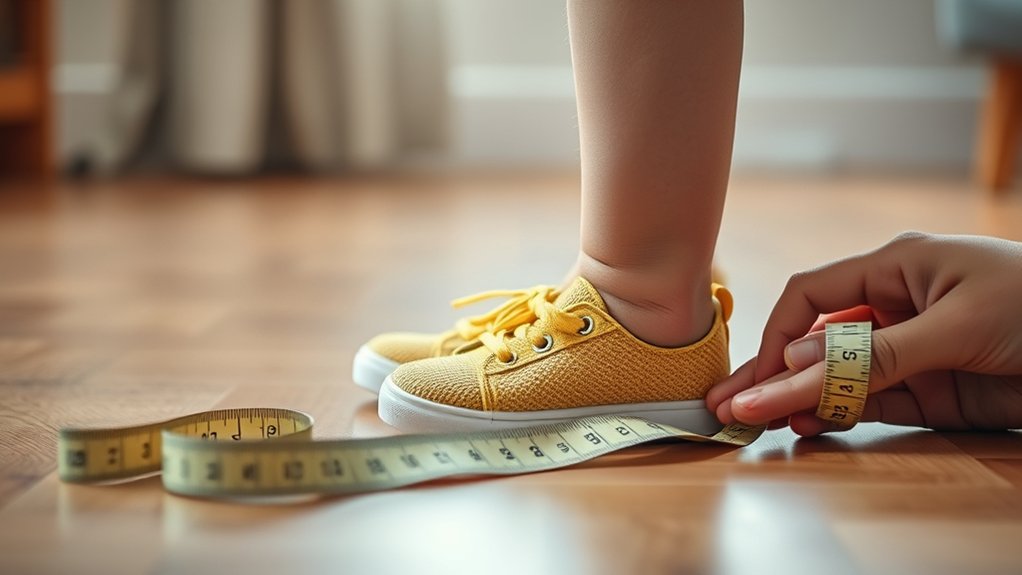
To get an accurate shoe size for your 4-year-old, measure their feet at the end of the day when swelling is at its peak. Have your child stand upright with weight evenly distributed on a printed sizing chart or paper. Mark the longest points of the toes and heel, then measure the distance with a ruler.
Measure your child’s feet at day’s end, standing evenly, then mark toe and heel length for accurate sizing.
Don’t forget to measure both feet and use the larger size. Always add about half an inch (1.3 cm) for growth and comfort.
Choosing shoes that align with current fashion trends is important, but prioritize proper fit and breathable shoe materials to support your child’s developing feet. Accurate measurements guarantee you select shoes that offer both style and healthy support.
This way, you avoid discomfort and promote natural foot growth. It’s all about finding that perfect balance between looking good and feeling great!
What Should You Do If Your Child Is Between Shoe Sizes?
If your child’s foot measurement falls between two sizes, choose the larger one to guarantee comfort and allow room for growth. Always measure both feet and select the size that fits the longer foot to avoid discomfort.
When your child is between sizes, consider these tips:
- Opt for shoes with adjustable features like straps or laces to accommodate growth and assure a snug fit.
- Pay attention to shoe material. Flexible, breathable fabric adapts better to slight size differences.
- Involve your child’s color preferences to encourage them to wear their shoes happily, especially when choosing between similar sizes.
Prioritize comfort and proper fit over exact sizing to prevent cramping and foot issues.
Make sure to check the fit regularly since your child’s feet grow quickly.
When Should You Size Up Your 4 Year Old’s Shoe Size?
You should size up your 4-year-old’s shoes when you notice their toes pressing against the front or if the shoes feel tight and cause discomfort. Kids grow fast at this age, so it’s a good idea to check their feet every few months.
Make sure there’s about half an inch of extra space in their shoes—that’s important for healthy foot development.
Keeping an eye on these signs helps your child stay comfortable and supported as their feet keep growing.
Signs To Size Up
Although it can be challenging to know exactly when your 4-year-old needs a bigger shoe size, paying close attention to how their feet feel and fit inside the shoes will guide you. The right shoe material should comfortably support their foot arch without causing discomfort or restricting movement.
Here are key signs to size up:
- Toes press against the shoe’s front or there’s less than a thumb’s width between the longest toe and shoe tip.
- Shoes leave red marks, blisters, or cause complaints of tightness.
- Difficulty putting on or removing shoes due to tightness.
Recognizing these signs guarantees your child’s growing feet have the proper space and support. This promotes healthy development and comfort for them.
Growth Spurts Impact
Since children around ages 4 to 5 often go through growth spurts, their shoe size can increase rapidly during this period. You should monitor your child’s foot length every 2-3 months to catch sudden growth. If shoes feel tight or your child’s toes are cramped, it’s time to size up promptly.
Remember, poorly fitting shoes can cause discomfort regardless of shoe material quality. When choosing new shoes, consider durable materials that accommodate growth while keeping up with current fashion trends to guarantee your child feels confident.
Checking fit regularly prevents issues and helps you select footwear that supports healthy foot development during these rapid changes. Staying proactive means your child’s shoes will always fit comfortably, combining practicality with style.
How Often Should You Measure and Replace Shoes at Age 4?
Because children’s feet grow rapidly at age four, measuring their shoe size every two to three months is essential to guarantee a proper fit. Keeping an eye on shoe material and shoe color also helps you assess wear and usability.
You should measure feet regularly to prevent cramping and ensure proper development.
Replace shoes every 4 to 6 months or sooner if shoe material shows excessive wear.
And choose shoes with durable material and a shoe color that your child enjoys wearing.
What Are Signs Your 4 Year Old’s Shoes Don’t Fit Right?
When your 4-year-old frequently complains about tightness or discomfort in their shoes, it’s a clear sign they don’t fit properly. Watch for visible signs like cramped toes pressing against the shoe’s front or blisters and redness caused by friction. These usually mean the shoe material is too restrictive or poorly suited.
If the heel or toes show chafing, or the foot slips out when walking, the shoes are likely too small or too loose. Also, worn-out shoes or those no longer matching your child’s foot length or width signal the need for replacement.
While fashion trends might tempt you to choose stylish options, prioritize proper fit and comfortable shoe material. This will support healthy foot development and help avoid discomfort.
What Are Tips for Shopping Shoes for Your 4 Year Old?
You’ll want to measure your child’s feet regularly since they grow so fast. This way, you can make sure you’re always picking the right size.
When shopping, focus on comfort and fit—look for shoes that have a little extra room and offer good support.
Also, choosing flexible and breathable styles is a smart move because it helps promote healthy foot development while your 4-year-old stays active and on the go.
Measure Feet Regularly
Although your 4-year-old’s feet grow quickly, measuring them every 2 to 3 months guarantees you buy shoes that fit comfortably and support healthy development. This habit helps you navigate fashion trends without sacrificing proper fit or the quality of shoe materials.
To measure effectively, use a printable guide or trace your child’s feet on paper for accuracy. Measure both feet, selecting the larger size to accommodate growth and prevent discomfort.
And don’t forget to leave about a thumb’s width of space at the toe to ensure comfort.
Prioritize Comfort And Fit
Since your 4-year-old’s feet are still developing rapidly, prioritizing comfort and fit during shoe shopping is essential to support healthy growth. Measure their feet often and consult size charts to find the perfect fit. Always choose shoes with flexible, padded, and breathable materials that provide maximum comfort.
When your child is between sizes, opt for the larger size to avoid cramping. Make sure the shoes fit securely around the heel and offer ample room in the toe box to allow natural movement.
While fashion trends and shoe colors might catch your child’s eye, don’t sacrifice fit for style.
Replace shoes promptly if you notice wear or if your child experiences growth spurts. This guarantees their feet grow healthily without restriction. It’s all about keeping their little feet happy and comfy!
Choose Growth-Friendly Styles
Three key factors make choosing growth-friendly shoe styles essential for your 4-year-old’s developing feet. Balancing fashion trends with practical material choices guarantees your child stays comfortable and supported.
First, flexible soles and breathable materials adapt to foot growth and keep feet cool. This helps prevent discomfort.
Next, adjustable features like Velcro straps or laces let you customize the fit as your child’s feet change size.
Finally, shoes with good arch and heel support plus a wider toe box promote healthy foot development and prevent cramping. These details really make a difference.
How Can Shoe Size Guides Help Your Child’s Feet Grow Healthy?
When you use shoe size guides, you guarantee your child wears shoes that fit properly and support healthy foot development during essential growth spurts. These guides help you select shoes with the right shoe material and shape to accommodate and support your child’s foot arch, which is critical for proper alignment.
Accurate sizing prevents shoes from being too tight or too loose, reducing the risk of deformities or discomfort. By regularly measuring your child’s feet, you can monitor growth and replace shoes before problems arise.
Using size guides ensures you choose footwear that promotes natural foot development, maintains comfort, and prevents long-term issues. This attentive approach fosters healthy feet and sets the foundation for your child’s mobility and well-being.
Frequently Asked Questions
Can Shoe Size Vary Between Different Brands for 4-Year-Olds?
Yes, shoe size can vary between brands for 4-year-olds because shoe manufacturing differs. You should always measure your child’s foot and consult each brand’s sizing charts to find the most accurate, comfortable fit for them.
It’s pretty common to see some differences, so don’t worry if your child’s size changes a bit from one brand to another. Just take your time to check, and your little one will be comfy in their new shoes!
What Materials Are Best for 4-Year-Old Shoes?
You want shoe material that’s softer than a cloud. Breathable mesh or cotton works great for airflow. Durable leather is perfect for support, plus rubber soles give good grip.
Comfort is key, so look for padded linings and water resistance. These features help keep little feet happy and dry. It’s all about making sure the shoes feel good all day long.
Are There Specific Shoe Styles Recommended for Toddlers With Flat Feet?
You’ll want toddler shoe fit that offers firm arch support, a flexible yet structured sole, and a roomy toe box.
Flat feet footwear with a wider base and stable heel helps improve alignment and prevent overpronation effectively.
These features work together to keep your toddler comfortable and supported as they walk and play.
Choosing the right shoe style can make a big difference for little feet with flat arches.
How Do Weather Conditions Affect Shoe Choice for a 4-Year-Old?
Weather wear is your child’s armor. You’ll choose seasonal boots for winter’s chill and waterproof shoes for rain.
In summer, breathable shoes keep feet cool. Matching footwear to conditions guarantees comfort and safety every step.
It’s all about making sure your little one’s feet stay happy no matter the weather.
Can Improper Shoe Sizes Affect a Child’s Walking Posture?
Yes, improper shoe fitting can harm your child’s walking posture and foot health. Tight or loose shoes restrict natural movement, causing imbalance and compensatory adjustments. This may lead to long-term foot deformities and musculoskeletal issues.
It’s important to ensure shoes fit well so your child can walk comfortably and safely. After all, healthy feet are key to good posture and overall development.
Conclusion
You want to measure your 4-year-old’s feet regularly and choose shoes that fit comfortably. Size up when needed to make sure there’s enough room to grow.
Watch for signs of discomfort and replace worn-out shoes promptly. It’s important to shop with care and keep an eye on how your child’s feet are doing.
By staying attentive, informed, and proactive, you’ll support healthy foot growth and keep your child comfortable every step of the way. Trust your instincts, rely on accurate sizing, and always prioritize your child’s well-being.