How To Measure Baby Shoe Size – Easy Measurement Guide
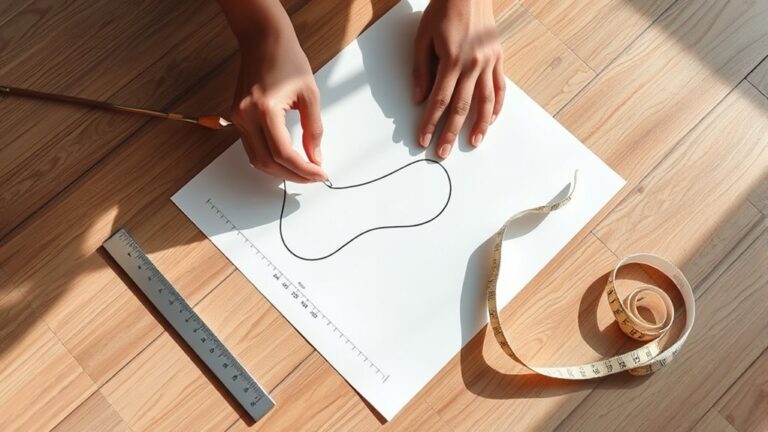
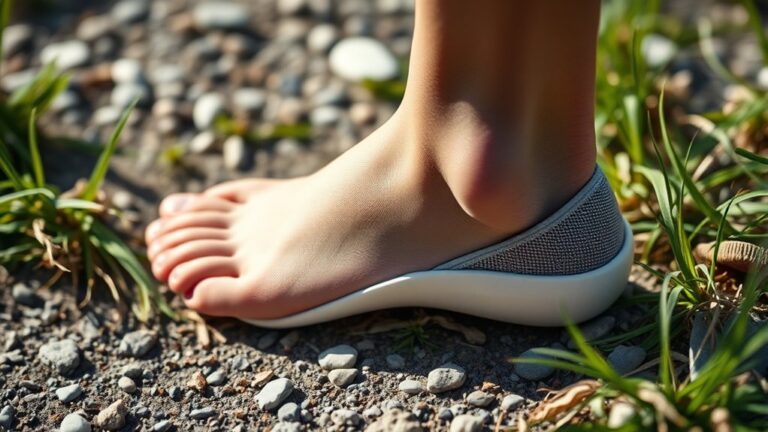
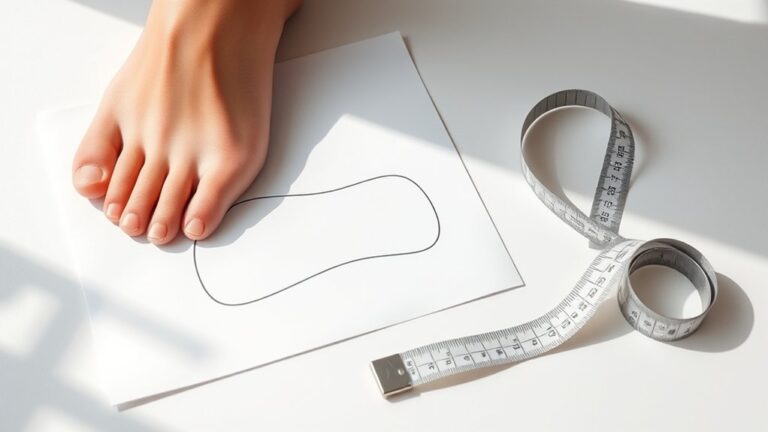
To measure your baby’s shoe size easily, have them stand barefoot on a flat surface with even weight distribution. Trace their foot on paper, marking the longest toe and widest part. Then measure length and width in centimeters.
Use the larger foot’s measurement and add 0.5 to 1 cm for growth. It’s a good idea to measure regularly to keep up with their fast-growing feet.
Choose soft, flexible shoes that support movement. Keep going to discover tips for the perfect fit and shoe selection.
Key Takeaways
- Measure baby’s feet on a flat, hard surface with weight evenly distributed, ideally when the baby is calm and feet are naturally swollen.
- Trace the foot outline on paper, mark the longest toe and widest part, then measure length and width in centimeters.
- Measure both feet and use the larger size for shoe selection, adding 0.5 to 1 cm for growth allowance.
- Re-measure feet every 6-8 weeks (3-6 months) and monthly during the first year to accommodate rapid growth.
- Choose soft, flexible shoes with easy closures and about 0.5 to 1 cm of toe space for comfort and healthy foot development.
Preparing to Measure Your Baby’s Feet for Shoe Size
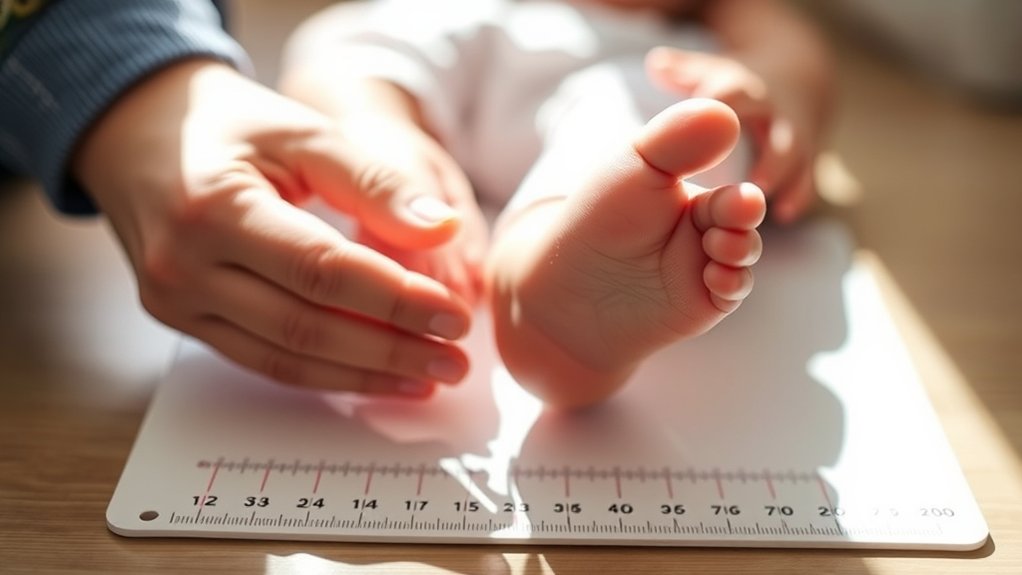
Before you measure your baby’s feet, gather a soft measuring tape, a flat piece of paper or a printable foot measurement guide, and a pen. Make sure your baby stands on a hard, flat surface with even weight distribution to get an accurate outline.
It’s best to measure when your baby is calm, such as after a bath or during a nap, to avoid squirming.
Trace around the foot carefully, marking the longest toe and the widest part. Measure from heel to toe and across the widest part to determine the right shoe size.
Remember, choosing the right shoe material and adequate foot padding is vital to support your baby’s delicate feet and guarantee comfort as they grow.
Accurate measurement is the first step. Taking your time now means happier feet later!
When and How Often to Measure Baby’s Feet
You’ll want to measure your baby’s feet every 6 to 8 weeks between 3 to 6 months.
After that, it’s best to switch to checking them monthly throughout the first year since they grow so fast.
Make sure to measure both feet, and go with the size of the larger one to keep things comfortable.
Timing your measurements just right helps you avoid shoes that are too tight or too loose, which is important for healthy foot development.
Ideal Measurement Frequency
Since babies’ feet grow rapidly, measuring them regularly is essential to guarantee a comfortable fit and healthy development. For newborns up to 3 months, one measurement usually suffices unless you notice growth spurts.
From 3 to 6 months, measure every 6-8 weeks. Then, from 6 to 9 months, check every 4-6 weeks to keep pace with their quick growth. During the first year, monthly measurements are best to ensure shoes fit well and support your baby’s feet.
Always measure both feet and use the larger size when selecting shoes.
Best Measurement Timing
Keeping track of your baby’s foot size is important, but knowing the best times to measure makes all the difference. For newborns up to 3 months, one measurement usually suffices since growth is slow.
Between 3 to 6 months, measure every 6-8 weeks to keep up with rapid growth.
Once your baby starts walking, monthly checks ensure shoes fit well, supporting comfort and safety.
Always measure late afternoon or evening when feet are naturally swollen for the most accurate size.
Regularly monitoring size helps you choose shoes that maintain footwear durability and preserve shoe aesthetic, avoiding tight or loose fits that can cause discomfort or wear.
This schedule keeps your baby’s feet healthy and your shoe choices smart.
Step-by-Step: Measuring Baby Foot Length and Width
Before choosing the perfect pair of shoes, start by measuring your baby’s foot length and width accurately. Proper measurement ensures the shoe material accommodates the foot arch and provides comfort.
Follow these steps:
- Place your baby’s foot flat on paper, making sure they stand naturally with weight evenly distributed.
- Trace around the foot closely to capture the outline.
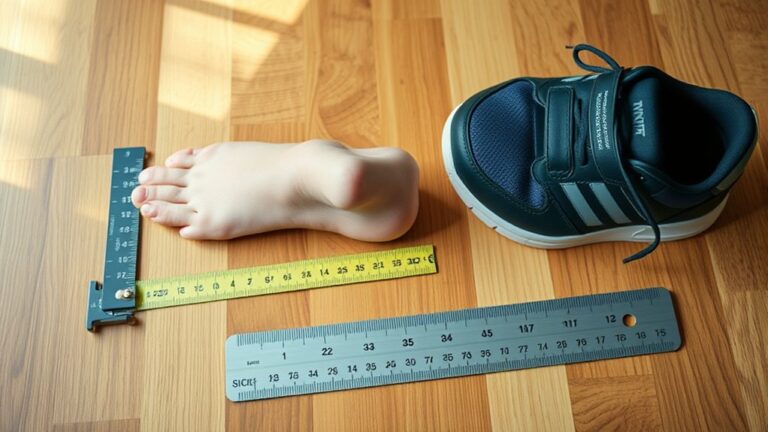
- Measure heel to longest toe in centimeters with a ruler or tape measure.
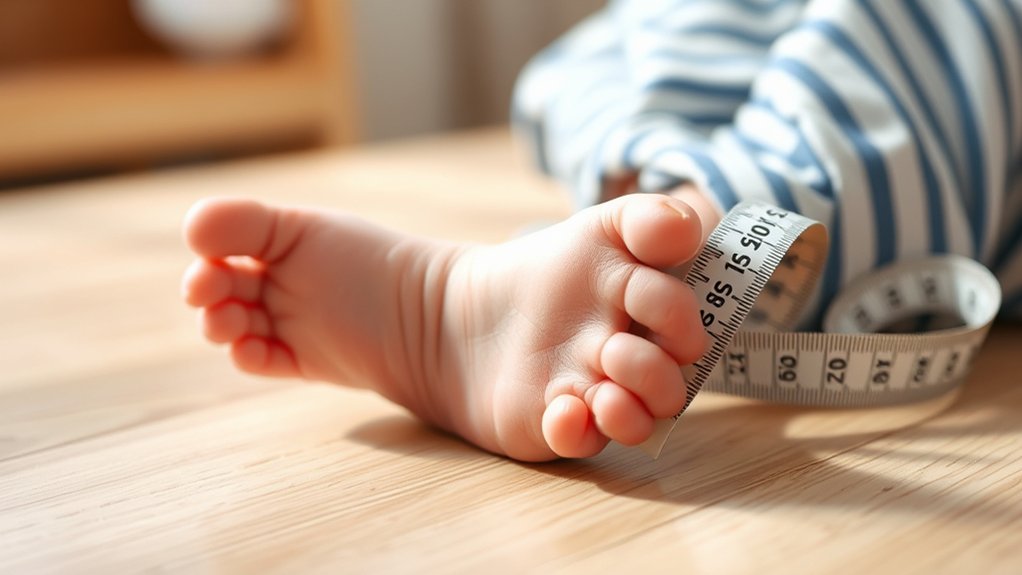
- Measure the circumference around the widest part of the foot using a measuring tape.
Repeat for both feet and use the larger measurement to select shoes.
Precise measurements help you pick shoes that support the foot arch and fit well with soft, flexible shoe material. This promotes healthy foot development.
Using Printable Size Guides and Foot Tracing
When you use printable size guides and foot tracing, you get a reliable way to measure your baby’s feet at home with accuracy. Start by downloading the size guide at 100% scale and make sure it matches a credit card’s length. That way, you know it’s the right size.
Next, cut out the rulers and have your child stand barefoot on the guide. Then, trace the outline of their foot carefully. After that, measure from the heel to the longest toe.
Don’t forget to wrap a ribbon around the widest part of the foot to get the circumference. These measuring techniques help guarantee a precise shoe fit.
| Step | Action |
|---|---|
| Print & Verify | Confirm guide scale with credit card |
| Trace Foot | Outline barefoot foot on guide |
| Measure & Compare | Length & width with size chart |
This method makes measuring simple and gives you dependable shoe fitting results.
How to Pick the Right Baby Shoe Size
After you’ve accurately measured your baby’s feet using printable guides or tracing methods, the next step is choosing the right shoe size. Picking the right size guarantees comfort and supports healthy foot development, including the delicate foot arch.
Follow these steps:
- Measure both feet and use the larger size to accommodate natural differences.
- Add 0.5 to 1 cm growth allowance to your measurements for wiggle room.
- Compare your measurements to a trusted size chart, as sizes vary by brand and region.
- Choose shoes made from soft, breathable material that fit snugly without leaving red marks, especially around the widest part of the foot.
This approach helps you pick shoes that nurture your baby’s foot arch and overall foot health.
Easy, right? Just take your time and trust the process.
Tips for Choosing Comfortable, Supportive Baby Shoes
You’ll want to choose baby shoes made from soft, flexible materials that let your little one’s feet breathe and move naturally.
It’s super important to make sure there’s enough toe space, so their feet don’t feel cramped but the shoe still stays snug.
Also, go for designs with easy closures like Velcro—it makes putting shoes on and taking them off way less of a hassle.
Prioritize Soft, Flexible Materials
Although finding the perfect baby shoes can feel overwhelming, prioritizing soft, flexible materials makes a big difference in your child’s comfort and foot development. Choosing shoes with material safety and durability in mind ensures they protect delicate feet without causing irritation.
Here’s what to focus on:
- Select shoes made from breathable, soft materials like leather or mesh that allow natural foot movement.
- Opt for flexible soles that bend with each step, supporting early walking stages.
- Avoid stiff, rigid shoes that restrict movement and create pressure points.
- Make sure the shoes adapt to your baby’s foot shape, which helps reduce red marks and discomfort.
Ensure Proper Toe Space
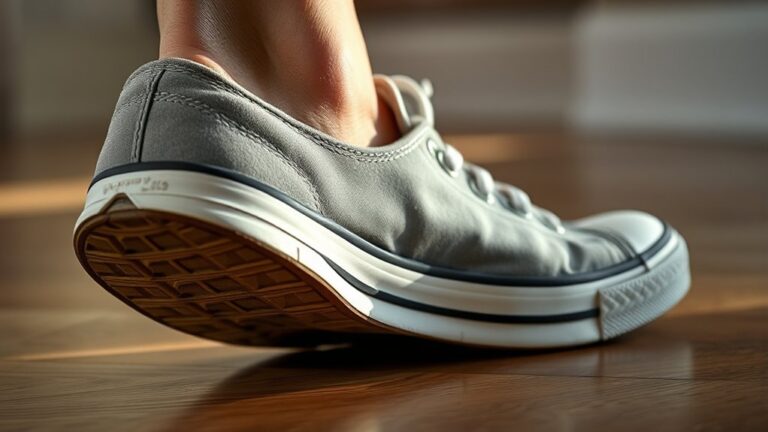
When choosing baby shoes, make sure there’s about 0.5 to 1 cm of space between your baby’s longest toe and the shoe’s front. This gap is super important for comfortable toe movement and supports healthy foot development.
Shoes with a rounded toe box let toes spread naturally, which is essential as your baby crawls and walks.
Avoid shoes that are too tight in the toe area because they can cause discomfort, red marks, or even blisters.
It’s a good idea to check the toe space regularly to make sure the shoes aren’t restricting your baby’s growing feet.
Prioritizing proper toe space not only makes the shoes more comfortable but also promotes the best foot health.
This helps your baby develop strong, well-supported feet right from the start.
Choose Easy On-Off Designs
Since babies wiggle and kick constantly, choosing shoes that are easy to put on and take off makes your daily routine much smoother. When selecting baby shoes, prioritize designs that balance fashion trends with shoe durability for long-lasting comfort.
Here are four tips to choose easy on-off designs:
- Opt for adjustable hook-and-loop straps or elastic openings for quick, secure fastening.
- Pick soft, flexible materials like leather or fabric to allow easy movement and comfortable removal.
- Look for wide openings or stretchy uppers that simplify slipping shoes on and off.
- Choose slip-on or slip-resistant shoes with minimal hardware to reduce hassle while ensuring support.
These choices help you dress your baby quickly without sacrificing comfort or style. It really makes those busy mornings a bit easier!
Handling Baby Feet That Are Between Sizes
If your baby’s foot measurements fall between two sizes, always opt for the larger one to guarantee comfort and room for growth. Measure both feet carefully; if one is bigger, choose the size that fits that foot. Add about 0.5 to 1 cm of extra space to avoid tightness.
When considering shoe material, softer, stretchable fabrics adapt better to slight sizing differences, enhancing comfort. Shoes with adjustable straps or laces offer flexibility, so a snug fit in the smaller size might work if the shoe decoration doesn’t restrict movement.
However, avoid rigid or heavily decorated shoes that limit stretch, as they can cause discomfort. Keep re-measuring your baby’s feet frequently since they grow fast, especially when between sizes. This way, you can always provide a perfect fit.
Frequently Asked Questions
What Materials Are Best for Baby Shoe Insoles?
For the best insole comfort, choose shoe material like natural leather or organic cotton. They’re soft and breathable, which is great for baby feet.
Memory foam or silicone insoles add cushioning and shock absorption. These are perfect if your baby has sensitive or developing feet.
Try to avoid synthetics whenever you can. They just don’t offer the same comfort or breathability.
Can Baby Foot Shape Affect Shoe Size Recommendations?
Think of foot shape as the secret ingredient in perfect shoe fit. You can’t ignore it. Wide or narrow feet need different sizes and widths to guarantee comfy, healthy shoes.
These shoes support your baby’s growing steps just right. So, it’s not just about length or size. Foot shape really matters too.
How to Care for and Clean Baby Shoes Properly?
You’ll keep baby shoe fashion fresh by cleaning shoes gently with a soft brush and mild soap. Always air dry naturally. Use leather conditioner if needed, and follow shoe storage tips to maintain shape and longevity.
Taking care of baby shoes doesn’t have to be complicated. Just a little attention goes a long way in keeping them looking great and lasting longer.
Are There Specific Shoe Brands Recommended for Babies?
You know what they say: “Good shoes take you good places.” For babies, it’s best to go with brands like Stride Rite or Pediped.
These companies use soft, flexible materials that are gentle on little feet. Plus, they focus on comfort and healthy foot growth, which is super important for babies.
When Should Babies Transition From Soft to Hard Sole Shoes?
You should shift your baby from soft sole to hard sole shoes once they start standing and walking confidently. Proper baby shoe fitting guarantees support and balance. This makes the soft sole changeover smooth and safe for developing feet.
It’s all about giving your little one the right support as they explore on their own. When they’re steady on their feet, hard sole shoes help protect them and offer better stability. So, keep an eye on their progress and switch when it feels right!
Conclusion
Measuring your baby’s feet is like planting seeds. You want to nurture growth with the right support. Just like a tiny seed needs the perfect soil, your little one’s feet need shoes that fit well to grow strong.
Remember, babies’ feet grow about half a size every two months. So, measuring often is key. With these simple steps, you’ll confidently choose shoes that keep your baby comfortable and ready to take on the world.