What Does Ee Mean In Shoe Size – Width Guide Explained
EE in shoe size means extra wide width, giving you about 4.5mm more room across the ball of your foot than the standard D width. This width suits wider feet, helps reduce pressure points, and prevents discomfort like blisters or bunions.
It also supports overall foot health. If you’re noticing tightness or slipping in your current shoes, EE could be the better fit. Keep exploring to understand proper measurement, signs you need EE, and tips for finding your perfect pair.
Key Takeaways
- EE indicates an extra wide shoe width, offering about 4.5mm more room across the forefoot than standard D width.
- EE width shoes are designed to improve comfort and reduce pressure for wider feet or foot conditions like bunions.
- Measuring foot width accurately helps determine if EE width is needed for a proper, comfortable fit.
- Signs of narrow shoes include toe crowding, blisters, and heel slipping, signaling a need for EE width.
- EE width shoes combine style and support, promoting foot health while accommodating wider feet comfortably.
What EE Means in Shoe Size and Why It Matters
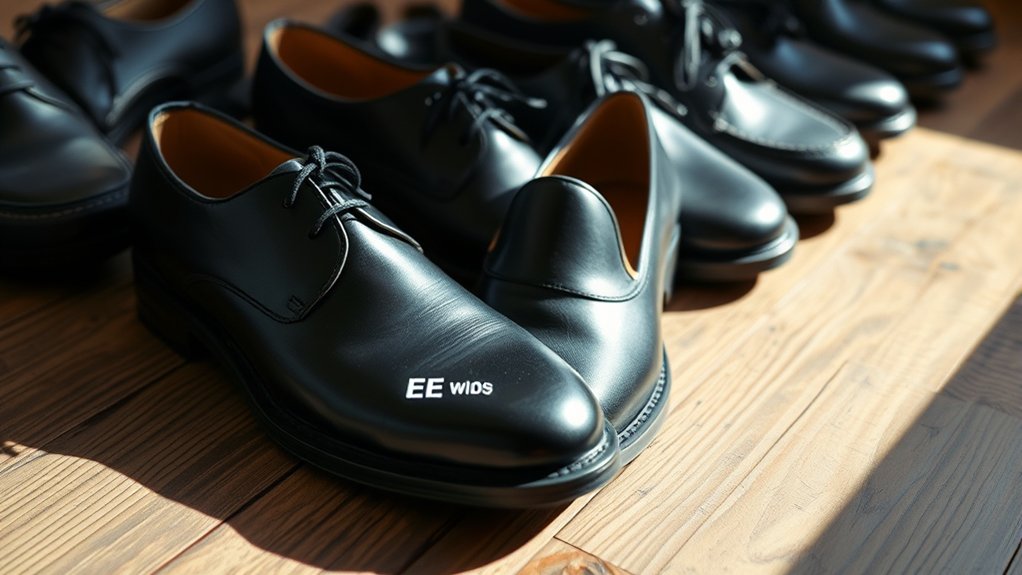
When you see EE in shoe sizing, it means an extra wide width made to give more room across the ball of your foot compared to the usual D width. This is about a 4.5mm increase, which helps make the shoe fit better if you have wider feet. It also cuts down on discomfort and those annoying pressure points narrow shoes can cause.
You should think about EE widths especially if your feet are wider than standard sizes or if regular shoes hurt your feet. The material of the shoe really matters here because flexible, good-quality materials adjust better to wider feet.
Plus, the brand’s reputation is important too. Trusted brands usually get their EE sizing right, so the width matches your foot precisely. Picking EE widths from well-known brands helps stop blisters and makes your feet feel a lot more comfortable overall.
It’s worth paying attention to these details when shopping for shoes!
Understanding Differences Between D, E, EE, and EEE Widths
Although shoe widths can seem confusing at first, understanding the distinctions between D, E, EE, and EEE widths is essential for selecting the right fit. In shoe manufacturing, these widths accommodate variations in foot biomechanics, ensuring comfort and proper support.
D width is standard, ideal for narrow to regular feet. E, EE, and EEE progressively add about 4.5mm of forefoot space each, catering to wider feet.
| Width | Classification | Forefoot Width Increase |
|---|---|---|
| D | Standard | Baseline |
| E | Wide | +4.5 mm (0.18 in) |
| EE/EEE | Extra/Triple Wide | +9-13.5 mm (0.36-0.53 in) |
This precise system helps you select shoes that align with your foot shape, enhancing fit and performance. It’s all about finding what feels right for you.
How to Measure Your Foot for EE Width Shoes
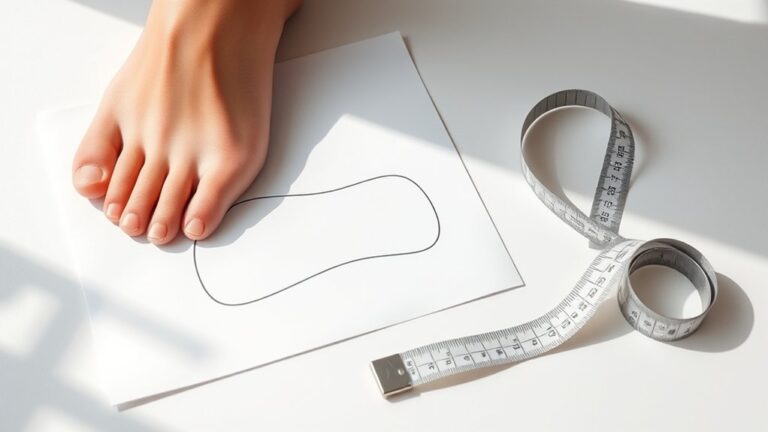
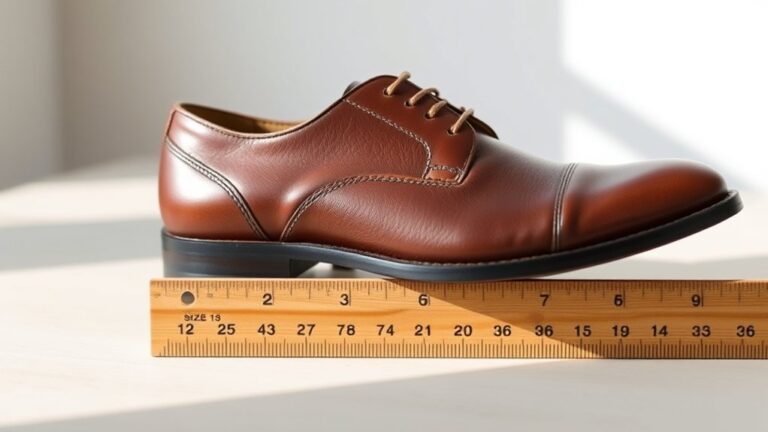
Accurately measuring your foot width is essential for selecting EE width shoes that provide ideal comfort and support. Start by standing flat on a hard surface, then use a ruler or flexible tape measure to gauge the widest part of your foot, the ball area. Wrap the tape snugly, but avoid constriction, and note the measurement in inches or millimeters.
For greater precision, trace your foot on paper and measure the widest outline. Next, compare your measurement against standard sizing charts to confirm if EE width suits your foot over D or EEE widths.
Understanding your exact foot width not only guarantees comfort but also enhances shoe styling. This aligns with current fashion trends that emphasize both fit and aesthetic precision.
Taking this methodical approach will help you make informed footwear choices. It’s worth the effort to get the best fit for your feet.
Who Needs EE Width Shoes?
Knowing your exact foot width measurement helps determine if EE width shoes are the right choice for you.
EE width shoes add about 0.18 inches (4.5mm) more space across the widest part of your foot compared to standard D-width shoes, accommodating wider feet comfortably.
If you experience issues like foot swelling, bunions, toe crowding, heel slipping, or toe overlap, EE width provides necessary relief.
Even if you have narrow feet, you might prefer EE shoes for a looser fit.
Keep in mind that shoe material affects fit. Softer, stretchable materials may offer more comfort in narrower widths, but rigid materials benefit from wider EE sizing.
Fashion trends increasingly embrace versatile widths, so you don’t have to compromise style for comfort when selecting EE width shoes.
It’s all about finding the right fit that works for you.
Signs Your Shoes Are Too Narrow and Need EE Width
If your shoes are causing pain, blisters, or calluses along the sides, they’re probably too narrow. You might also notice your toes feeling cramped or even overlapping.
And if your heel keeps slipping out, that’s another sign the width just isn’t right.
When you experience ongoing discomfort or swelling after wearing your shoes, it’s a good idea to consider switching to an EE width.
This wider fit can give you the proper support and comfort you need.
Common Narrow Fit Issues
When your shoes are too narrow, you’ll often notice specific signs that indicate the need for a wider EE width. Narrow shoe material and insufficient sneaker padding can cause discomfort and structural issues.
Here are three common narrow fit issues to watch for:
- Toe overlap or pinching, where your toes feel cramped due to tight shoe material.
- Heel slipping combined with visible redness or calluses on the sides of your toes, signaling inadequate width and poor padding.
- Persistent pressure on bunions or outer edges, indicating that the shoe’s design fails to accommodate your foot’s breadth.
If you spot these signs, it’s a good idea to switch to EE width. It helps guarantee a proper fit, boosts comfort, and prevents long-term foot problems caused by narrow shoes.
Foot Discomfort Indicators
Recognizing specific foot discomfort can help you figure out if your shoes are too narrow and if you need an EE width. If you feel foot pain, numbness, or tingling after wearing your shoes, that’s a clear sign the fit is too tight.
Look for visible redness, calluses, or blisters on the sides of your toes or the ball of your foot. These signs usually mean your shoes are cramped. Heel slipping or overlapping toes also show that there isn’t enough width.
Persistent pressure across the widest part of your foot is another clue. Discomfort along the edges or top of your foot suggests you need a wider shoe.
While choosing different shoe colors or trying different lacing techniques can help with comfort, they won’t fix a shoe that’s too narrow.
Going with an EE width ensures a proper fit and better foot health. It’s definitely worth it to avoid discomfort and support your feet properly.
How Tecovas Ensures a Good EE Width Fit
How does Tecovas guarantee their EE width boots fit comfortably right out of the box? They meticulously engineer their footwear using premium shoe material that balances durability with flexibility. This approach aligns with current fashion trends without sacrificing fit.
Tecovas crafts EE width boots with premium materials, ensuring durability, flexibility, and a stylish, comfortable fit from the start.
Here’s how Tecovas ensures a perfect EE width fit:
- They design EE width boots with approximately 0.18 inches (4.5mm) more forefoot space than standard D widths, accommodating wider feet precisely.
- Tecovas provides a detailed fit guide to help you accurately select the right width, minimizing sizing errors.
- Their handcrafted construction maintains true-to-size standards, combined with a customer-friendly return and exchange policy if the EE width doesn’t fit perfectly.
This technical approach ensures comfort, style, and functionality in every pair. It’s all about making sure you get the right fit the first time, so you can step out confidently.
Tips for Buying EE Width Shoes
Tecovas’ detailed fit guide and thoughtfully engineered EE width boots set a solid foundation for selecting the right size. To guarantee an ideal fit, measure your foot’s widest part accurately. EE width shoes suit those experiencing tightness or blisters in standard D-width models.
When shopping online, cross-reference your measurements with the brand’s size chart. This is especially important since shoe materials can affect stretch and fit. Also, try EE shoes later in the day when feet tend to swell, so you get a better idea of real-world comfort.
If your foot is exceptionally wide, consider sizing up by half or a full size to balance width and length comfortably. While it’s great to stay current with fashion trends, always prioritize fit and material quality. That way, you get both style and functional comfort in your EE width shoes.
Wearing EE Width Shoes for Maximum Comfort
When you choose EE width shoes, you give your feet considerably more room across the forefoot. This is essential for wider feet or those prone to swelling. The extra space not only prevents discomfort and blisters but also reduces pressure on your toes, promoting foot health.
To maximize comfort, measure your foot width accurately before selecting EE shoes. Here are some tips to keep in mind:
- Opt for shoe styling that balances width and support. This way, your feet stay secure without feeling constricted.
- Follow current fashion trends that include wider-width options. That way, you don’t have to compromise style for comfort.
- Shift gradually if you’re used to narrower shoes. This helps your feet adapt to the increased space and avoids sudden discomfort.
Wearing EE width shoes combines comfort with modern shoe styling. It’s a great way to enhance both foot health and appearance.
Frequently Asked Questions
Can EE Width Shoes Affect Athletic Performance?
Yes, EE width shoes enhance athletic fit by providing better shoe comfort and reducing pressure on your feet. This improved fit supports stability and prevents injuries.
It also helps you perform more efficiently during athletic activities. So, if you find regular shoes too tight, trying EE width might make a big difference.
Are EE Width Shoes More Expensive Than Standard Widths?
You’ll find EE width shoes often cost a small fortune compared to standard widths due to price differences and availability concerns.
Their specialized materials and manufacturing drive costs roughly 10-20% higher, reflecting precise, wider last shaping. It’s kind of like paying a bit more for that perfect fit. Makes sense, right?
Do EE Width Shoes Come in Formal Styles?
Yes, EE width shoes come in formal styles, combining fashion trends with shoe customization. You’ll find dress shoes, oxfords, and loafers designed with wider toe boxes. This ensures comfort while maintaining a polished, professional look.
How Do EE Widths Vary Across Different Brands?
“Variety is the spice of life” applies here, as EE widths vary widely due to brand sizing inconsistencies and differing width measurement standards.
You’ll need to check each brand’s charts carefully for precise fit and comfort. It’s not always straightforward, so taking a little extra time can save you from surprises later on.
Different brands might label widths differently, so what’s EE in one could feel different in another. Always double-check to make sure you’re getting the right fit.
Can Children Wear EE Width Shoes?
Yes, children can wear EE width shoes if their feet need extra space. Choosing EE widths makes shoes more comfortable and helps keep their feet healthy. It prevents pressure and discomfort, especially for kids with wider or growing feet.
Conclusion
If you think shoe widths don’t matter, think again. Wearing the wrong width feels like squeezing your foot into a vice! EE width shoes aren’t just “a bit wider”; they’re a game-changer for comfort and foot health.
By measuring correctly and choosing EE, you avoid pain, blisters, and long-term issues. Don’t settle for “close enough.” Your feet deserve precision.
Get the perfect EE fit, and step into a world where comfort meets performance flawlessly.