What Is The Most Popular Shoe Brand – Rankings And Reviews
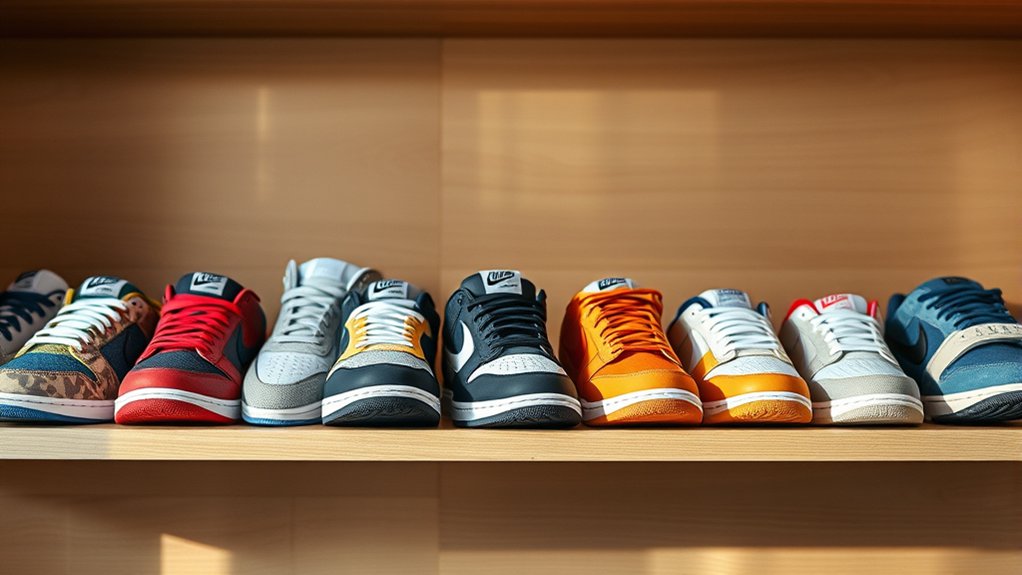
Nike remains the most popular shoe brand in the U.S. for 2025. It leads with strong brand awareness, innovative cushioning tech, and eco-friendly initiatives.
Adidas holds second place and is known for its Boost technology and sustainability efforts. New Balance and Hoka are on the rise because of their comfort and specialized features.
Celebrity endorsements and market trends like retro styles also play a big role in shaping the rankings. If you want to understand how these factors influence your shoe choices and learn about the latest innovations, there’s plenty more to explore.
Key Takeaways
- Nike is the most popular shoe brand in the U.S., known for high brand awareness, celebrity endorsements, and innovative eco-friendly initiatives.
- Adidas ranks second, recognized for Boost cushioning technology, sustainable materials, and strong collaborations like Yeezy.
- New Balance excels with durable, wide-fit shoes, while Hoka and Saucony gain popularity for specialized cushioning and orthopedic support.
- Market trends favor retro styles, limited-edition collaborations, and athleisure, driving consumer interest and brand growth.
- Brand rankings are influenced by comfort, style, durability, sustainability, verified reviews, and effective marketing strategies.
The Most Popular Shoe Brands in the U.S. for 2025
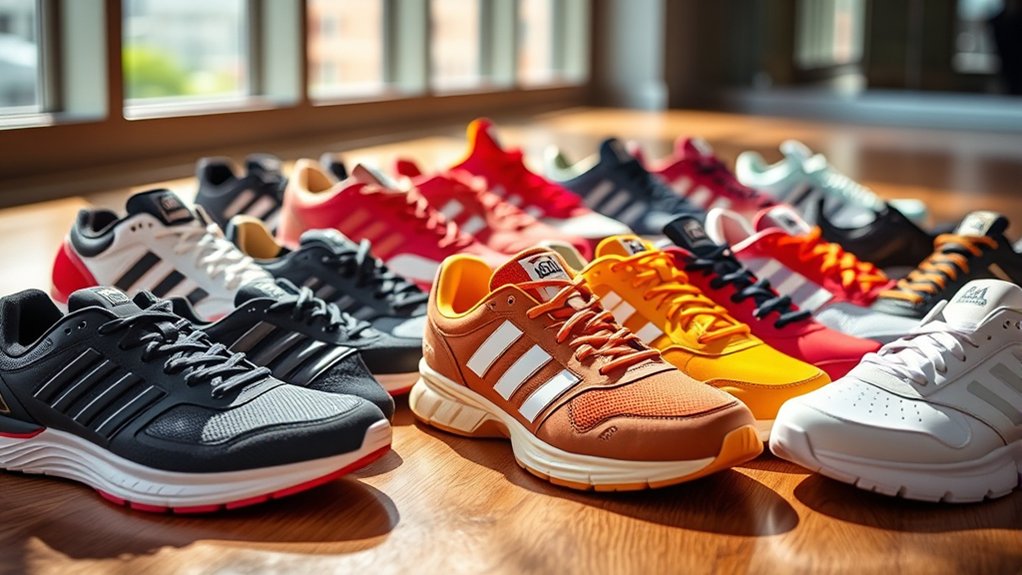
While consumer preferences continue to evolve, Nike remains the most recognized shoe brand in the U.S. for 2025, boasting the highest brand awareness ratings. You’ll notice Nike’s sustained popularity partly stems from strategic celebrity endorsements that bolster its cultural relevance.
Additionally, Nike’s commitment to sustainability initiatives, such as using recycled materials and reducing carbon emissions, resonates with environmentally conscious consumers.
Adidas ranks second, known for innovative cushioning and high-profile collaborations.
New Balance holds strong due to wide-fit, durable designs.
Meanwhile, Hoka and Saucony gain traction for specialized performance features.
These rankings reflect your focus on performance, comfort, and brand reputation when choosing shoes. Nike’s blend of marketing savvy and eco-friendly practices keeps it at the forefront of the competitive U.S. shoe market in 2025.
Why Brand Awareness Matters for Shoe Popularity
Because brand awareness shapes how consumers perceive and choose shoes, it plays an essential role in determining a brand’s popularity. When you recognize a shoe brand, you’re more likely to trust its quality and reliability, leading to increased consumer trust.
Data from a 2025 Statista report highlights that brands with higher brand recognition, like Nike and Adidas, dominate the U.S. market due to their widespread visibility.
This familiarity influences your purchasing decisions by making well-known brands preferable over lesser-known competitors. Additionally, effective branding and visibility strategies enhance brand recognition, which can boost a shoe brand’s popularity even without product innovation or competitive pricing.
In short, the stronger a brand’s awareness, the more likely you’re to choose it.
Nike, Adidas, and Other Top Shoe Brands Compared
As you explore the top shoe brands, Nike stands out as the most recognized sneaker brand in the U.S. in 2025. It boasts extensive brand awareness and a diverse lineup that covers both performance and lifestyle footwear.
Adidas closely competes with Nike, leveraging Boost cushioning tech and iconic models like Ultraboost. They often back these up with strong celebrity endorsements.
Other notable brands excel in niche markets or comfort, using sustainable materials and specialized designs.
Nike leads with broad appeal, combining innovation and celebrity endorsements. Adidas emphasizes cushioning technology and eco-friendly materials.
New Balance and Hoka focus on orthopedic support and comfort.
Under Armour and Saucony serve athletes seeking reliable, performance-driven options.
This data highlights how these brands differentiate yet compete in the global shoe market. It’s interesting to see how each brand finds its own space while going head-to-head.
Key Features and Innovations That Boost Shoe Brand Popularity
When you evaluate what makes shoe brands stand out, key features and innovations play a critical role in driving their popularity. Technological innovations such as Nike’s Zoom Air units and Adidas’ Boost cushioning markedly enhance comfort and performance, directly impacting consumer preference.
Advanced support features like ASICS’ Gel technology and Hoka’s maximal cushioning also attract performance-focused users.
Meanwhile, brands integrating sustainable materials and eco-friendly manufacturing, including Allbirds and Veja, gain increasing recognition and trust.
Collaborations with designers and athletes, like Nike x Off-White or Adidas Yeezy, further boost engagement through product evolution.
Additionally, unique design elements, like Converse’s Chuck Taylor or Vans’ skate-inspired styles, strengthen brand identity and loyalty.
These factors collectively contribute to shoe brand popularity in a measurable, data-driven way.
How Your Preferences Shape Shoe Brand Rankings
Innovations and design features set the stage, but your preferences ultimately determine which shoe brands rise in the rankings. Customer feedback plays a vital role in highlighting what matters most to you, such as comfort, style, and performance.
Brand loyalty comes from consistent satisfaction with durability, support, and reputation. This really influences overall popularity.
Market trends show shifting demands, including eco-friendly materials and customization options.
Your preferences shape rankings through factors like demand for wide-fit and maximum cushioning, boosting brands like New Balance and Hoka.
Also, alignment with fashion and tech trends benefits Nike and Adidas.
Prioritizing durability and support strengthens brand loyalty.
Plus, an emphasis on sustainability and personalization is reshaping how people see brands.
At the end of the day, your choices and feedback keep changing which shoe brands dominate the market. It’s all about what you want and need.
How to Choose the Right Shoe Brand for You
When you’re picking out a shoe brand, it’s important to keep a few key things in mind, like support, cushioning, fit, and price. These factors really make a difference in how comfortable and suitable the shoes will be for you.
It also helps to check out consumer ratings and expert reviews. Seeing what others have experienced can guide you toward models that match what you need.
Plus, comparing the technologies and durability different brands offer ensures you’re getting the best bang for your buck. That way, your shoes will perform well and last longer for whatever you plan to use them for.
Key Selection Factors
How do you identify the shoe brand that best matches your needs? Start by focusing on key selection factors that directly impact comfort, performance, and durability. Consider the following:
Support and cushioning: Choose brands like Hoka or Brooks for max cushioning, or options that prioritize stability or lightweight design.
Fit options: Look for brands offering a custom fit with various widths and foot-shaped toe boxes, such as New Balance and Altra.
Material quality and sustainability: Opt for brands emphasizing durable, sustainable materials to guarantee longevity and eco-friendliness.
Breathability and comfort: Select shoes with mesh or knit uppers to enhance ventilation, especially for extended wear or hot climates.
Brand Performance Insights
Because your footwear needs vary based on activity and foot health, selecting the right shoe brand requires analyzing each brand’s performance strengths. Brands like Brooks, Hoka, and New Balance excel in support, cushioning, and durability. These qualities are ideal for comfort and performance.
Athletic leaders such as Nike, Asics, and Saucony focus on innovation and support technology. They often get a boost from celebrity endorsements that show their market appeal. It’s worth considering what kind of performance features matter most to you.
For premium craftsmanship and longevity, ECCO and Moonstar prioritize material quality and sustainable production methods.
On the other hand, budget-friendly brands like Skechers and PUMA offer reliable comfort but might lack advanced features. Knowing specifics like Hoka’s max cushioning or Altra’s zero-drop design can really help.
Understanding these details helps you choose a shoe brand that fits your activity level, foot health, and values, including eco-conscious manufacturing practices. It’s all about finding the right balance for your needs.
Sneaker Trends Driving Shoe Brand Market Growth in 2025
You’ll notice sneaker styles like chunky dad shoes and eco-friendly designs are really pushing market growth in 2025.
Brands such as Nike and Adidas are jumping on retro collaborations and exclusive online drops, which is boosting their sales thanks to increased consumer demand.
Plus, with athleisure fashion becoming more popular, companies like Puma and New Balance have even more opportunities to reach wider audiences.
It’s a trend that’s definitely shaking up the shoe brand market this year.
Emerging Sneaker Styles
What sneaker styles are shaping the market in 2025? You’ll find a blend of innovation and nostalgia driving consumer choices. Sustainable materials are increasingly integrated into tech-enhanced sneakers, appealing to eco-conscious buyers.
Meanwhile, the vintage revival trend is strong. Military-inspired and retro designs are gaining traction. Brands like New Balance and Fila lead chunky dad shoe popularity, while Adidas and Nike push minimalist, versatile aesthetics.
Limited-edition collaborations add exclusivity, keeping the market dynamic.
Key emerging styles include:
- Chunky dad shoes dominating comfort and style preferences
- Sleek minimalist sneakers favored for versatility
- Sustainable materials enhancing performance and eco-appeal
- Vintage revival with military and retro-inspired designs
These styles reflect evolving consumer demands and diverse market segments in 2025.
Market Growth Drivers
As sneaker culture and athleisure continue to dominate lifestyle trends, they substantially drive growth in the shoe brand market for 2025. You’ll notice that demand rises sharply due to technological advances like cushioned midsoles and the incorporation of sustainable materials, appealing to eco-conscious consumers.
Celebrity collaborations also play a pivotal role, sparking limited-edition releases that boost brand visibility and sales.
Additionally, the resurgence of retro and vintage sneaker styles draws attention to heritage brands, expanding market reach. E-commerce growth and targeted social media marketing further accelerate consumer engagement, enabling brands to capitalize on these trends efficiently.
Where to Find Reliable 2025 Shoe Brand Reviews and Rankings
Although many sources claim to offer reliable shoe brand reviews for 2025, the most accurate insights come from industry-leading platforms like Statista. They provide detailed consumer data and brand recognition metrics.
For the most accurate 2025 shoe brand reviews, rely on industry leaders like Statista for detailed consumer data.
When checking out brands, it’s smart to look at factors like sustainable materials and celebrity endorsements because these really impact rankings.
You can find trustworthy 2025 shoe brand reviews and rankings on:
- Statista: Offers extensive data on consumer preferences and brand strength.
- Footwear News and Nice Kicks: Provide independent rankings based on quality and value.
- Zappos and Amazon: Feature verified customer reviews that show real user satisfaction.
- NPD Group and Euromonitor: Deliver in-depth market research and performance analysis.
These sources give you a clear, objective picture so you can make informed footwear choices.
Frequently Asked Questions
How Do Shoe Brands Impact Environmental Sustainability Efforts?
You impact environmental sustainability efforts by choosing shoe brands that prioritize sustainable manufacturing and use eco-friendly materials. This helps reduce waste and lower carbon footprints.
Also, supporting certifications ensures responsible production and resource-efficient practices in the industry. So, when you pick brands focused on these values, you’re making a real difference. It’s all about making smarter choices that benefit the planet.
What Are the Best Shoe Brands for People With Foot Disabilities?
Imagine walking on clouds. Brands like New Balance and Hoka deliver unmatched footwear comfort. Their strong brand reputation for support and cushioning makes them ideal for people with foot disabilities.
If you’re looking for reliable, ergonomic solutions backed by data, these brands are a great place to start. They really know how to combine comfort with functionality. It’s like they’ve thought of everything your feet might need.
How Do Shoe Brands Handle Ethical Labor Practices?
You’ll find shoe brands handle ethical labor practices by enforcing codes of conduct, ensuring ethical sourcing, and protecting labor rights. They conduct audits, collaborate with third parties, and pursue certifications like Fair Trade to maintain transparency and accountability.
It’s all about being open and responsible. Brands want to make sure workers are treated fairly and materials come from the right places. So, they keep a close eye on how things are done.
What Are the Top Shoe Brands for Children and Teens?
You’ll find Nike, Adidas, and New Balance leading children’s footwear with trendy, comfortable designs. Teen sneaker trends favor Nike Air Max, Adidas Yeezy, and Vans.
Skechers offers affordable everyday options, balancing style and practicality effectively. It’s a great choice for those who want something stylish without breaking the bank.
How Do Shoe Brands Influence Global Fashion Culture?
You’ll find shoe brands influence global fashion culture like a tidal wave, blending luxury branding and celebrity collaborations to set trends, shape identity, and boost sales.
All of this is backed by data on consumer engagement and market impact. It’s pretty clear that these brands don’t just sell shoes — they create movements. And honestly, that’s what makes them so powerful in the fashion world.
Conclusion
You might think all popular shoe brands are basically the same, but data shows clear differences in innovation, comfort, and style that impact your experience. By understanding brand features and trends, you can make smarter choices that fit your needs.
Whether you prioritize performance or fashion, these rankings help you navigate the crowded market with confidence. Use this info to find the brand that truly matches your lifestyle and preferences in 2025.