What Size Shoe Does A 3 Year Old Wear – Sizing Chart Guide
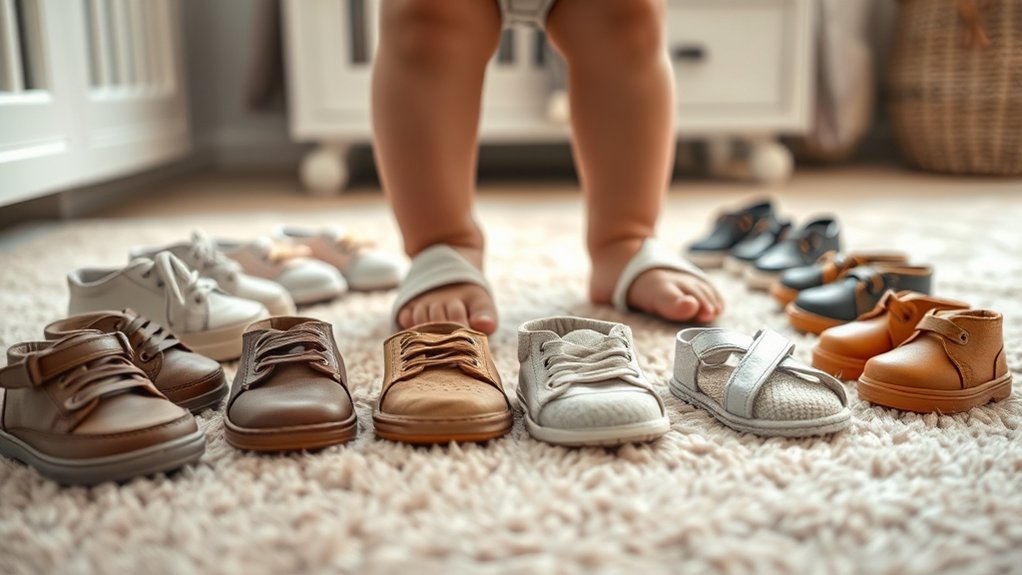
A 3-year-old typically wears toddler shoes sized between 7 and 9, matching foot lengths of about 4.5 to 5.5 inches. You should measure their feet often, every 2 to 3 months, since they grow quickly and need about half an inch of extra space for comfort.
Always use the longer foot measurement to find the right size. And watch for tightness or marks indicating it’s time to size up.
Keep following for helpful tips on measurement and shoe selection.
Key Takeaways
- A 3-year-old typically wears toddler shoe sizes ranging from 7 to 9, corresponding to foot lengths of about 4.5 to 5.5 inches.
- Measure your child’s feet barefoot at the end of the day, tracing both feet and using the longer foot for accurate sizing.
- Leave about half an inch of extra space in shoes to allow for growth and ensure comfort.
- Check shoe fit every 2-3 months and size up when shoes feel tight or cause discomfort or red marks.
- Choose shoes with flexible soles, breathable materials, and adjustable closures to support healthy foot development and active play.
What Shoe Size Does a 3-Year-Old Wear?
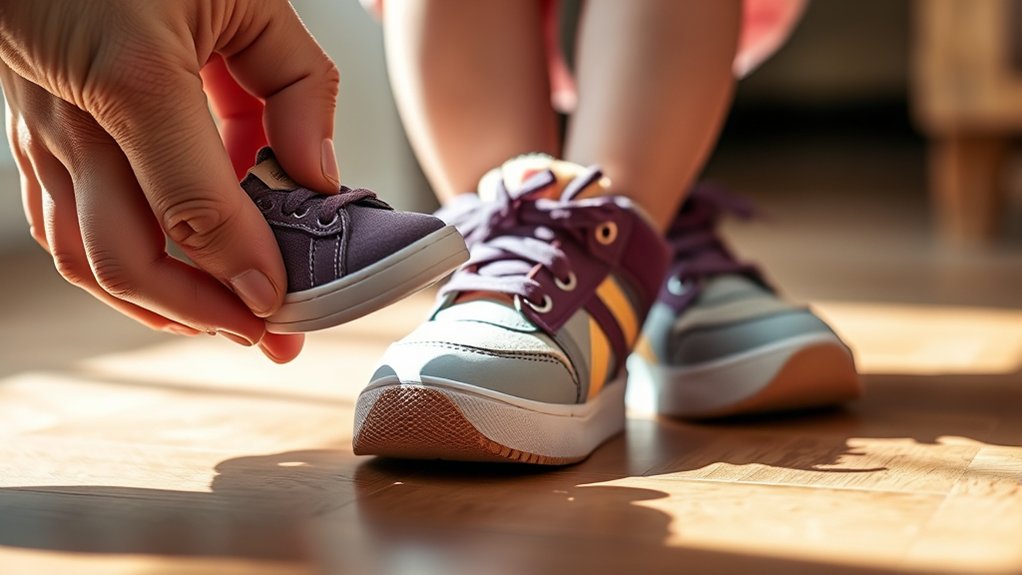
If you’re shopping for shoes for a 3-year-old, you’ll typically find their sizes range from 9 to 13, depending on their foot growth. Most toddlers have foot lengths between 4.5 to 5.5 inches, fitting into toddler or preschool sizes 4-13.
Since their feet grow quickly, you’ll want to keep an eye on size changes every few months.
When choosing shoes, consider the shoe material; it should be flexible and breathable to support comfort and healthy foot development.
Also, don’t overlook your child’s color preferences. Picking colors they love can make wearing new shoes exciting and encouraging.
How to Measure Your 3-Year-Old’s Feet Accurately
To measure your 3-year-old’s feet accurately, start by using a printable size guide at full scale. This helps you get a precise length comparison.
Next, have your child stand barefoot on a hard surface. While they’re standing, trace their feet carefully, making sure to mark the longest toe for the measurement.
It’s a good idea to measure both feet because sometimes one foot is a little bigger than the other.
When you pick out shoes, always go with the measurement of the longer foot to make sure the shoes fit comfortably.
Printable Size Guide
Although measuring a child’s feet might seem tricky, using a printable size guide can make the process straightforward and accurate. First, download and print the guide at 100% scale. Check the print accuracy by measuring a credit or ID card against the reference on the guide.
Cut out the length and width strips along the dotted lines with a ruler. Place the guide on a hard, flat surface, then have your child stand with their heel against the wall.
Measure from heel to longest toe and wrap a lace around the widest part for circumference.
Knowing these precise measurements helps you choose shoes with the right shoe material and shoe color, both important for comfort and your child’s style. This method guarantees a perfect fit every time. It’s easier than you might think!
Foot Tracing Method
Wondering how to measure your 3-year-old’s feet accurately at home? The foot tracing method is simple and effective, guaranteeing a precise fit that supports healthy foot development.
Start by having your child stand barefoot on a piece of paper placed against a wall, with their heels touching the wall. Mark the tip of the longest toe and the back of the heel, then measure the distance between these points.
Also, measure the circumference around the widest part of the foot with a ribbon or lace.
Follow these steps for accuracy:
- Make sure the foot is flat and fully extended during measurement.
- Record both length and circumference measurements.
- Compare measurements to a sizing chart, keeping in mind the footwear materials and shoe durability for the best comfort and wear.
Measuring Both Feet
Since children’s feet can differ in size, you should measure both of your 3-year-old’s feet to make certain the best fit. Have your child stand barefoot on a flat, hard surface, distributing their weight evenly. Using a ruler or printable size guide, mark the longest point from heel to toe on each foot.
Do this ideally at day’s end when feet are most expanded. Keep toes relaxed to capture accurate measurements. Record both lengths in centimeters or inches, then choose shoe size based on the longer foot.
Proper measurement guarantees comfort and supports healthy foot development. This is essential when selecting footwear fashion and shoe materials that adapt to growing feet.
Taking the time to measure carefully helps avoid discomfort or poor fit. It sets your child up for happy steps in the right shoes.
How to Read Toddler Shoe Size Charts
When you need to find the right shoe size for your toddler, reading a shoe size chart correctly is essential. Start by measuring both feet and selecting the larger size to ensure comfort.
Accurately measuring both feet and choosing the larger size ensures your toddler’s shoes fit comfortably.
Toddler shoe size charts typically list sizes from 4 to 10, showing foot lengths in inches and centimeters, with both US and European equivalents. This helps you match your child’s foot to the correct size confidently.
Keep these tips in mind when using the chart: compare measurements with the chart’s size range, usually between 7 and 9 for a 3-year-old. Also, consider shoe material flexibility and your toddler’s shoe color preferences for added comfort and style.
Use the larger foot measurement to avoid tight fits and allow room for growth. This method helps you pick the perfect fit without guesswork.
When to Size Up Toddler Shoes
You’ll know it’s time to size up when your toddler’s shoes start feeling tight or cause discomfort, like red marks or blisters. It’s a good idea to regularly measure your child’s foot to keep track of their growth.
Toddlers can outgrow shoes pretty quickly, sometimes every few months.
Signs Shoes Are Tight
Although it can be tricky to tell if your toddler’s shoes fit properly, watching for specific signs can help you know when it’s time to size up. Toddlers’ feet grow quickly, and staying mindful of fit *ensures* comfort and healthy development. While fashion trends and shoe materials may influence your choice, fit remains paramount.
Tight shoes can restrict movement and cause discomfort. So, it’s important to keep an eye out for any clues that the shoes are too tight.
Look out for these signs your toddler’s shoes are too tight:
- Red marks or indentations on toes or shoe sides
- Toes cramped or unable to move freely inside
- Blisters or discomfort during walking
If you notice any of these, it’s time to choose a larger size to support your child’s foot health and comfort. Don’t worry, sizing up is a simple step that makes a big difference!
Measuring Foot Growth
Noticing signs that your toddler’s shoes are too tight means it’s time to check their foot size more carefully. Since a 3-year-old’s feet grow about 1mm per month, you should measure their feet regularly, every 4 to 6 months or more often if needed.
Use a ruler or measuring tape, and make certain you leave about half an inch of extra space in the shoe for comfort and growth.
Remember, fit depends on current foot length, not age, so don’t rely solely on shoe size labels. Also, consider the shoe material and shoe color.
Softer, flexible materials accommodate growing feet better, while lighter colors can show wear early.
Promptly sizing up ensures your toddler stays comfortable and supported as they grow. So keep an eye on those shoes and check often!
Choosing Larger Sizes
When your toddler’s toes press against the end of their shoes or there’s less than half an inch of space left, it’s time to size up. Choosing larger sizes guarantees your child’s comfort and supports healthy foot development, especially as their feet grow rapidly.
Keep in mind that sizing up often means selecting shoes about 1 to 1.5 sizes larger than their current fit.
Consider these points when sizing up: Opt for shoes made from breathable, flexible material to accommodate growth and keep things comfy. Also, stay mindful of fashion trends that offer functional designs without compromising fit.
Measuring your toddler’s feet every 2-3 months helps you track growth and adjust shoe size accordingly.
Sizing up thoughtfully helps your little one move comfortably while keeping pace with their development. So, it’s worth paying attention to those tiny feet and making sure their shoes fit just right!
How Often Should You Check Your Toddler’s Shoe Size?
Checking your toddler’s shoe size every 2 to 3 months is essential to keep up with their rapid foot growth. Since their feet can grow about half a size every few months, regularly measuring helps you choose shoes that fit well and avoid discomfort or foot problems.
Properly fitting shoes support healthy development. Shoes that are too tight or loose can cause blisters or hinder growth.
While keeping up with fashion trends might tempt you to pick certain styles, prioritize shoe materials that offer flexibility and breathability for your toddler’s comfort. Regular checks ensure you select shoes that combine style with the right support.
Staying on top of sizing means your little one can explore safely and comfortably as their feet grow.
Tips for Choosing Comfortable Toddler Shoes
Choosing comfortable shoes for your toddler means paying close attention to fit, material, and support. While fashion trends can be tempting, prioritize shoe materials that promote breathability and flexibility to keep your child’s feet healthy and comfortable.
Proper fit is crucial, so allow at least half an inch of growing room to accommodate their developing feet.
Keep these tips in mind when selecting toddler shoes:
- Choose shoes with flexible soles, cushioning, and breathable fabrics to support active play.
- Opt for adjustable features like Velcro straps or elastic laces for a secure yet comfortable fit.
- Measure your toddler’s feet every 2-3 months to ensure the shoes still fit properly.
That way, you’ll help your little one stay comfy and happy as they explore and play.
What to Do When Toddler Shoes Don’t Fit
Keeping a close eye on your toddler’s shoe fit helps prevent discomfort and supports healthy foot growth. If shoes don’t fit, check for red marks or blisters, and switch to a larger size with about half an inch extra space.
Measure feet every 2-3 months, considering growth of 1.5mm/month. Avoid forcing tight shoes, as improper fit can affect foot development. Also, consider shoe material and shoe color, as breathable materials and appealing colors encourage your toddler to wear them comfortably.
| Issue | Action | Tips |
|---|---|---|
| Tight shoes | Choose next size up | Ensure half-inch space |
| Discomfort noticed | Check shoe material for breathability | Opt for soft, flexible materials |
| Shoe color fades | Replace with a preferred color | Involve your toddler in choice |
Frequently Asked Questions
Are Toddler Shoe Sizes the Same in the US and Europe?
Toddler shoe sizes aren’t the same in the US and Europe. You’ll need shoe size conversions because European sizing uses centimeters, making it more accurate.
Always measure your child’s foot to guarantee a perfect fit. It really helps avoid buying shoes that are too big or too small.
Taking these steps makes shopping for toddler shoes way easier and less stressful!
Can Hand-Me-Down Shoes Affect My Child’s Foot Development?
You wouldn’t want your child’s foot growth trapped in a shoe that’s a size too small! Hand-me-down shoes can hinder proper shoe fit, risking discomfort and developmental issues.
Always check size and support before reusing them. It’s important to make sure the shoes still provide the right comfort and protection for growing feet. Don’t just assume they’ll work perfectly because they look fine.
What Materials Are Best for Toddler Shoe Durability?
You’ll want shoe material like synthetic leather or rubber for durability factors, as they resist wear and provide grip. Reinforced stitching and breathable mesh also boost durability while keeping your toddler’s feet healthy and comfortable.
These materials really stand up to all the running and playing toddlers do. Plus, they help prevent slips and keep the shoes lasting longer. So, picking the right material makes a big difference for both durability and your little one’s comfort.
How Do Seasonal Changes Affect Shoe Sizing for Toddlers?
You’ll notice seasonal clothing impacts your toddler’s foot growth patterns, causing slight swelling or growth. Always re-measure feet during seasonal changes to guarantee shoes fit comfortably, accommodating natural fluctuations and keeping your little one happy and mobile.
It’s a good idea to check shoe size regularly because feet can change more than you expect. This way, you avoid shoes that are too tight or too loose, which can be uncomfortable or unsafe.
Keeping an eye on these changes helps your toddler move around easily and stay active throughout the year. Just a quick measurement now and then makes a big difference!
Are Wide-Width Toddler Shoes Necessary for Flat Feet?
Oh sure, your toddler’s flat feet will definitely start arching if you buy narrow shoes!
Actually, you’ll want to think about shoe width carefully for proper foot arch development. This helps ensure comfort and healthy growth without unnecessary squishing.
Choosing the right width can make a big difference in how your toddler feels and moves. It’s all about giving their feet room to grow just right.
Conclusion
Choosing the right shoes for your 3-year-old is like planting seeds for healthy growth. Getting the fit just right helps their little feet flourish. Remember to measure often and read size charts carefully.
Also, size up when needed to keep comfort at the forefront. When shoes don’t fit, don’t hesitate to adjust. With these tips, you’ll support your toddler’s every step confidently and comfortably.
Your care today sets the foundation for their journey ahead.