What Shoe – Identification Guide And Tips
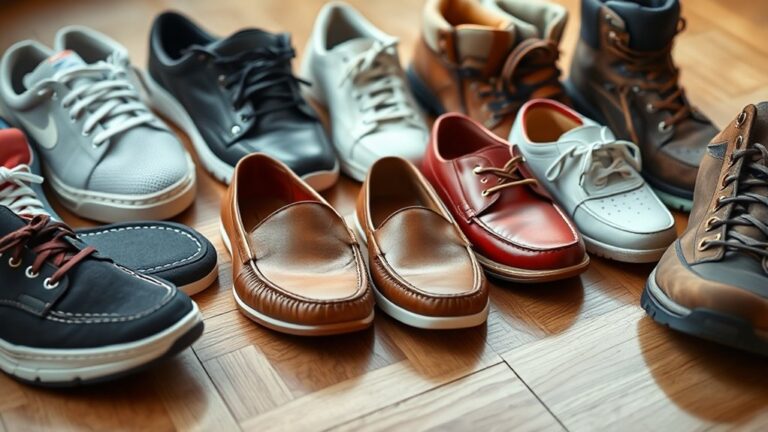
To identify the right shoe, start by matching style with your occasion. Choose oxfords or derbies for formal events and sneakers for casual comfort.
Measure your feet precisely, accounting for length, width, and foot shape. Then pick a size that fits snugly, especially around the heel, to guarantee stability and support.
Assess materials like full-grain leather and craftsmanship details such as tight stitching for quality. Understanding these basics sets a strong foundation.
More insights will guide you to smarter, lasting choices.
Key Takeaways
- Identify shoe style by occasion: formal shoes like oxfords for events, sneakers for casual comfort.
- Match shoe color with wardrobe and season for versatile and appropriate looks.
- Ensure proper fit by measuring foot length and width at day’s end for accurate sizing.
- Check heel fit for stability and support to prevent slipping and discomfort.
- Assess material quality: prefer full-grain leather, hand-stitched craftsmanship, and breathable linings for durability.
How To Choose The Right Shoe Style For You
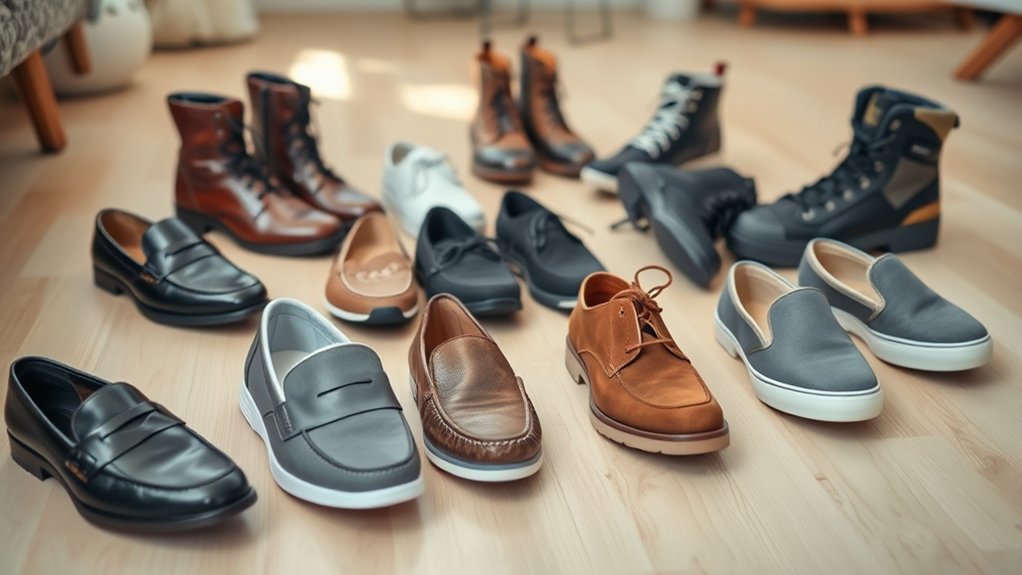
When choosing the right shoe style for you, start by thinking about the purpose and setting where you’ll wear them. For formal occasions, go for classic oxfords or derbies since they give a polished look and can be used in many situations.
Begin selecting shoes by considering their purpose and the setting you’ll wear them in.
Sneakers are great for casual environments and offer comfort for everyday wear. Make sure to prioritize a proper fit and support that matches your activities. This way, you get comfort that lasts longer than any fleeting style trend.
Try to coordinate your shoe color with your wardrobe to boost your overall look. Neutral tones work well because they’re flexible.
Also, think about the season—darker hues in winter and lighter shades in summer help keep your style on point.
Choosing a shoe style that balances formality, comfort, and versatility means you’re ready for any occasion. Plus, you don’t have to sacrifice how you look or how the shoes function.
What Shoe Materials Tell You About Quality
Although shoe style matters, the materials used reveal much more about a shoe’s quality and longevity. When evaluating leather finishes, look for full-grain or top-grain leather. These develop a rich patina and resist wear better than synthetic alternatives.
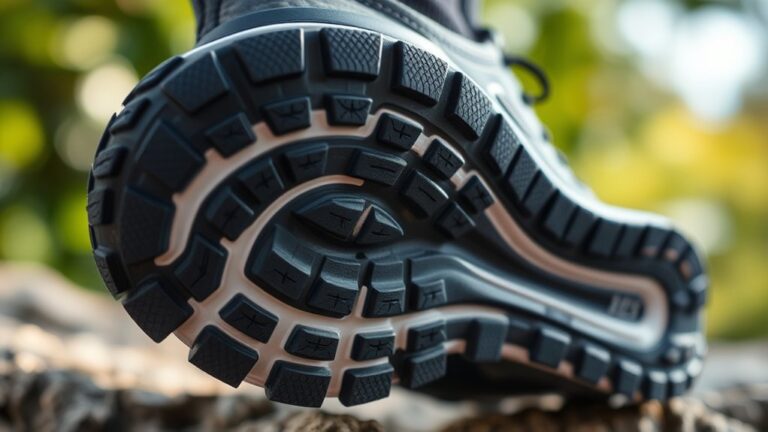
The sole materials also play a critical role. Thicker, denser soles made from leather or high-grade rubber offer superior durability and comfort. Pay attention to construction details like hand-stitched or welted assembly. These show craftsmanship and enhance lifespan.
Inside, premium linings such as calf leather improve breathability and comfort over time. Avoid shoes with glued or synthetic parts because they tend to deteriorate quickly.
How To Measure Your Feet Accurately At Home
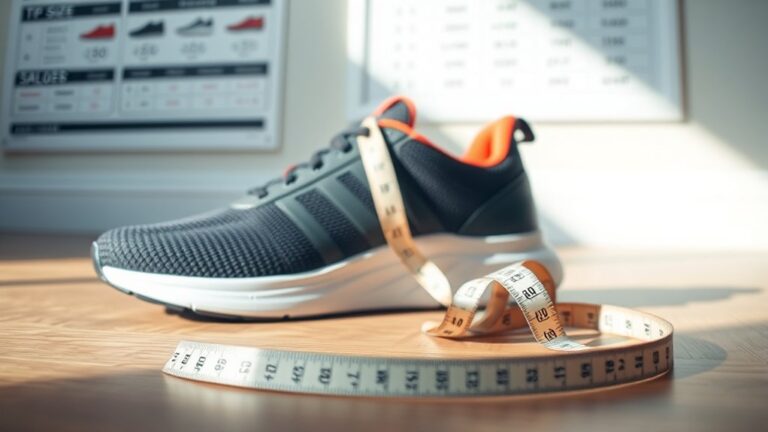
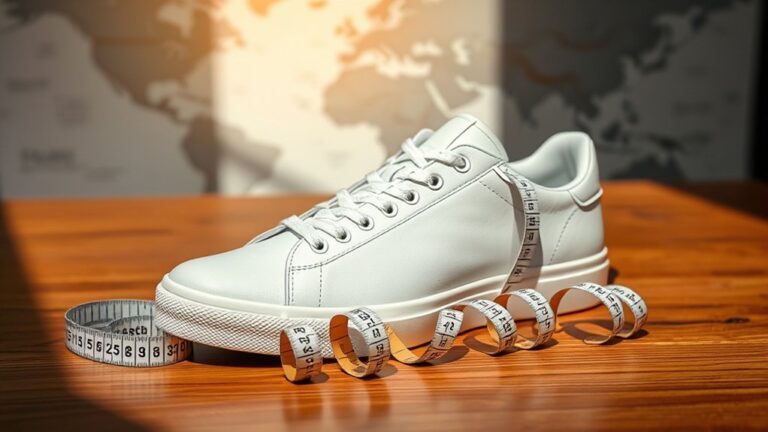
Measuring your feet accurately at home is easier than you might think. All you need is a tape measure or a ruler and a flat surface to stand on.
Start by standing up straight on that flat surface, and make sure you measure both feet since they can be different sizes.
Next, find the longest length from your heel to your longest toe—this is key for getting the right shoe size.
Don’t forget about the width, too. Wrap the tape measure snugly around the widest part of your foot to get that measurement.
One last tip: it’s best to do this at the end of the day when your feet tend to be a bit swollen. That way, you’ll be sure your shoes will fit comfortably all day long.
Just be sure to write down your measurements carefully so you don’t forget!
Essential Measuring Tools
Accurately measuring your feet at home starts with having the right tools, such as a flexible tape measure or a ruler. These allow you to capture both length and width precisely. Using them helps you document the exact dimensions needed for proper shoe manufacturing, guaranteeing an ideal fit and comfort.
Since foot biomechanics vary between individuals and even between your own feet, measuring both feet separately while standing is vital. This way, you account for natural foot expansion throughout the day. Just mark the longest and widest points on paper to create an exact outline for comparison.
Regular measurements are necessary, especially during growth phases or weight changes, to maintain accurate sizing. Using these essential tools ensures your footwear accommodates your unique foot shape and movement effectively. It’s all about getting the perfect fit every time.
Step-By-Step Measurement
When measuring your feet at home, standing up guarantees you capture their true size under natural weight-bearing conditions. Start by placing a blank sheet on the floor and trace around your foot with a pencil held upright. Measure from heel to longest toe and across the widest part of your outline.
Don’t forget to assess your foot arch, as it affects shoe fit and lacing comfort. Make sure to measure both feet and note the larger size for the best fit. It’s a good idea to do this in the late afternoon or evening when your feet naturally expand.
Use a ruler or tape measure and record lengths in centimeters or inches. Then, check the specific shoe brand’s sizing chart to find your perfect match.
Proper shoe lacing complements your foot’s shape, which helps ensure ideal support and comfort.
Recording Foot Dimensions
Although measuring your feet might seem straightforward, capturing precise dimensions requires careful attention to detail and proper technique. Start by performing foot tracing on a piece of paper while standing upright to capture the exact outline.
Use a ruler or tape measure to record the length from heel to your longest toe and measure the widest part for width.
Always measure both feet separately, as sizes can differ. Then, rely on the larger measurement for shoe sizing.
To confirm measurement consistency, take your measurements at different times of the day, preferably in the afternoon when feet swell the most.
Regularly recording your foot dimensions is essential, especially if your weight, health, or age changes. Doing this guarantees your shoes fit comfortably and accurately every time.
It’s a simple step that really makes a difference!
Choosing The Right Shoe Size: US, UK & EU
How do you guarantee your shoes fit perfectly across different sizing systems? Start by understanding that US sizes differ from UK sizes by about one size. For example, US men’s 9 equals UK 8.5.
Ensure perfect shoe fit by knowing US sizes are roughly one size larger than UK sizes.
EU sizes reflect foot length in centimeters; EU 42 matches US men’s 9.
To convert US to EU, add 33 or 34 for men and women. Remember, UK sizes are roughly one size smaller than US sizes, so a US women’s 7 is about UK 5.
Always consult brand-specific charts since sizing varies among manufacturers.
While selecting shoes, consider how shoe color and shoe laces impact style, but never compromise fit for aesthetics. Properly matching size across US, UK, and EU systems ensures comfort and performance right from the start.
How To Check Shoe Fit For Comfort And Support
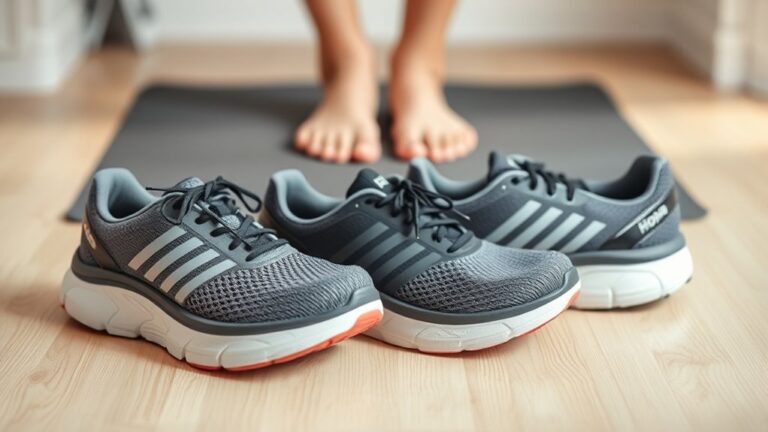
When you’re checking the fit of your shoes, start by standing up in them. Make sure there’s about half an inch of space at the toes so your feet can move naturally. Then, take a few steps around to see how they feel.
You want the heel to fit snugly without slipping—that’s really important for keeping your balance.
Also, pay attention to any pinching or tight spots, especially around the heel and toes. That way, you’ll know your shoes are comfortable and supportive.
Assess Toe Space
Because proper toe space is essential for both comfort and support, you should stand upright in your shoes to assess the fit accurately.
Begin your fit assessment by confirming there’s about half an inch of toe room in front of your longest toe. This space prevents discomfort and pressure during movement.
Next, check if your toes can wiggle freely inside the toe box without feeling pinched or tight.
Finally, use your thumb to gently press against the toe box to confirm enough space for natural toe movement.
- Confirm half an inch of toe room
- Verify toes wiggle without restriction
- Gently test toe box space with your thumb
This thorough fit assessment ensures your shoes provide ideal comfort and support.
Evaluate Heel Fit
Why does heel fit matter so much for comfort and support? Proper heel fit guarantees heel stability, preventing slipping or pinching that can cause blisters or discomfort.
During your fit assessment, stand and check for any gaps or looseness at the back of the shoe.
The heel should snugly surround your heel, providing secure contact without pressure points. Walk around to confirm the heel remains stable and doesn’t lift or slip with movement.
Examine the heel cup; it should hold your heel firmly in place while avoiding rubbing or irritation.
Also, check that the heel height and shape support proper posture. This helps reduce strain on your Achilles tendon and ankle.
Getting a precise heel fit is really important for both comfort and effective support throughout the day.
How To Choose Shoes For Your Foot Shape And Width
Although selecting the right shoes may seem straightforward, choosing pairs that complement your foot shape and width is essential for comfort and support. You need to take into account how the shoe aligns with your foot arch and the level of shoe cushioning to enhance comfort.
Follow these steps:
- Measure both length and width of your feet regularly, as foot shape can change over time.
- Select shoes matching your foot’s natural contour. Rounded shapes work well for wider feet, while tapered ones suit narrow feet.
- Opt for adjustable styles with wider toe boxes if you have a broad forefoot to avoid pinching.
Make sure you prioritize shoes that support your foot arch properly.
Also, look for adequate cushioning to reduce strain and keep your feet healthy throughout the day.
Spotting Quality Leather And Craftsmanship In Shoes
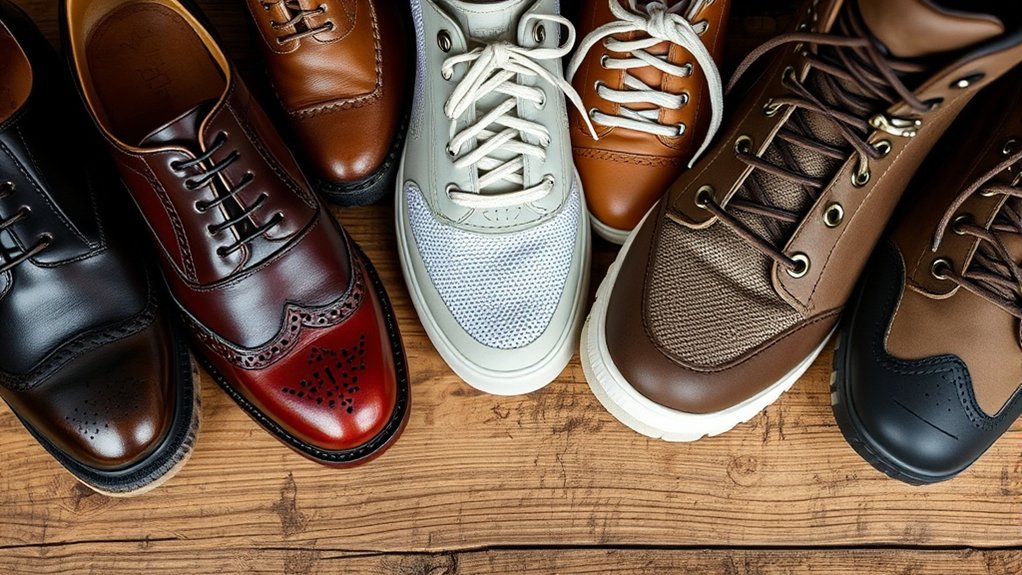
When you examine a pair of leather shoes closely, you’ll notice that high-quality materials and craftsmanship set them apart from cheaper alternatives. Look for full-grain leather, which shows natural imperfections and develops a rich patina through leather aging, enhancing character over time.
Pay attention to stitching techniques. Evenly spaced, tight stitches indicate skilled handiwork.
Superior shoes feature precise welt construction and minimal visible glue, highlighting durability.
Genuine leather soles are thicker, supple, and have smooth, hand-finished edges, unlike synthetic counterparts.
Inside, quality shoes use soft, breathable leather linings that guarantee comfort and longevity.
How To Maintain Your Shoes For Longer Wear
Maintaining your shoes properly involves several essential steps that preserve their appearance and extend their lifespan. To keep your footwear in top condition, focus on these key practices:
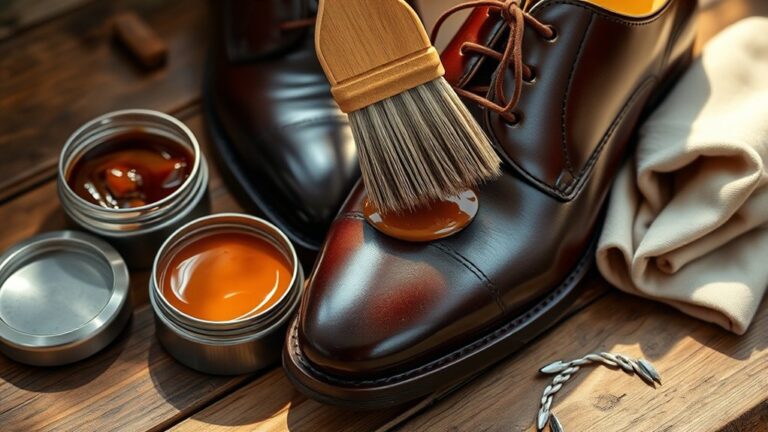
First, prioritize regular shoe cleaning to remove dirt and debris. Follow this with leather conditioning to maintain suppleness and prevent cracking, especially after exposure to moisture.
Regular cleaning and leather conditioning keep shoes supple and crack-free, especially after getting wet.
Use shoe trees after each wear to preserve shape and minimize creases. This really helps leather shoes last longer.
Keep an eye on heel and toe taps, replacing them promptly to protect high-wear areas and avoid costly sole damage.
Also, try to avoid excessive water exposure and let wet shoes dry slowly at room temperature.
Rotating between pairs allows materials to rest, which reduces wear and prolongs overall durability.
Shoe Accessories: Myths And Facts You Should Know
Since many shoe accessories come with conflicting claims, it’s important to separate myths from facts to care for your footwear effectively. For example, shoe trees primarily maintain shoe shape and prevent creasing. They don’t substantially wick away moisture or reduce odor.
Proper shoe cleaning and shoe storage, combined with moisture-wicking insoles or socks, are essential for managing foot moisture and odor. Knowing what each accessory really does can make a big difference.
| Accessory | Myth | Fact |
|---|---|---|
| Shoe Trees | Reduce foot moisture | Preserve shape, prevent creasing |
| Insoles | Not necessary for moisture | Essential for moisture management |
| Shoe Storage | Just a space saver | Protects shoes from damage and dust |
| Cleaning Kits | Only for aesthetics | Crucial for hygiene and odor prevention |
Knowing these facts helps you maintain your shoes longer and avoid ineffective practices. It’s all about using the right tools the right way.
Frequently Asked Questions
How Do I Break in New Shoes Without Causing Pain?
You can break in shoes painlessly by wearing them gradually, using thick socks, applying leather conditioner, and inserting shoe stretchers. These shoe comfort tips help soften materials and expand tight areas, ensuring a comfortable fit without blisters.
Taking it slow really makes a difference. Wearing your shoes for short periods at first lets your feet get used to them without any pain. Plus, thick socks can protect your feet while stretching the shoes just enough. Applying leather conditioner keeps the material soft, so it molds to your feet more easily.
And if your shoes feel too tight, shoe stretchers can be a real lifesaver. They gently widen the tight spots over time, making your shoes feel like they were made just for you. With these simple tricks, breaking in new shoes doesn’t have to hurt at all!
What Are the Best Shoes for People With Flat Feet?
You don’t want shoes that treat your feet like a floppy pancake. Choose ones with strong arch support and firm midsoles to guarantee proper foot alignment. This helps prevent overpronation and gives your flat feet the stability they crave.
It’s all about finding the right balance between comfort and support. When your shoes do that, your feet will thank you every step of the way.
How Often Should I Replace Running Shoes?
You should replace running shoes every 300 to 500 miles for proper shoe maintenance. Athletic shoe styles vary, but worn-out cushioning and outsole wear signal it’s time to upgrade. This helps maintain support and performance.
If you’re unsure, keep an eye on how your shoes feel during runs. When they start to feel less comfortable or supportive, it’s probably time for a new pair. Taking care of your shoes can help prevent injuries and keep you running strong.
Can Shoe Insoles Improve Comfort and Support?
Imagine walking on clouds. Shoe insoles with advanced cushioning technology and arch support do just that. They absorb shock, reduce foot fatigue, and realign your posture.
This makes every step feel lighter and more comfortable throughout your day. You’ll notice the difference pretty quickly once you give them a try.
Are Vegan Shoes as Durable as Leather Ones?
You’ll find vegan materials can match leather’s durability if crafted well, directly impacting shoe longevity. Quality stitching and sturdy soles make vegan shoes last longer, so choose carefully to guarantee they withstand regular wear like leather ones do.
Just keep in mind, not all vegan shoes are created equal. Some might wear out faster, while others can surprise you with their toughness. It really comes down to the brand and how they build their shoes.
Conclusion
Choosing the right shoe isn’t just about style. It’s about fit and quality too. Did you know that 68% of people wear the wrong shoe size? That can lead to discomfort and foot problems.
By accurately measuring your feet, understanding materials, and checking craftsmanship, you make sure your shoes support your unique shape and last longer. It’s worth taking the time to get these details right.
Also, remember that investing time in shoe care and accessories keeps your footwear in top condition. This saves you money and protects your feet in the long run. Taking care of your shoes really pays off!