What Size Shoe Does A 7 Year Old Boy Wear – Shoe Size Chart Guide
A 7-year-old boy typically wears US shoe sizes between 13.5 and 1, which correspond to foot lengths of about 22.5 to 23.5 cm. To find the right fit, measure your child’s feet while standing and use the larger foot size. It’s also important to check their measurements every two months because kids grow fast.
Properly fitting shoes promote comfort and healthy development. Keep an eye out for signs that it’s time to replace shoes. Exploring these details will help you make the best choices for your child’s footwear.
Key Takeaways
- A 7-year-old boy typically wears US shoe sizes between 13.5 and 1, corresponding to foot lengths of 22.5 to 23.5 cm.
- Measure the foot with the child standing, trace or use a ruler, and select the larger foot size for accurate shoe fitting.
- Check shoe size every 2-3 months due to rapid foot growth to ensure comfort and proper support.
- Replace shoes when signs of wear, discomfort, or cramped toes appear to maintain foot health and comfort.
- Choose flexible, breathable shoes with good arch support and cushioned insoles for active 7-year-olds.
What Shoe Size Does a 7 Year Old Boy Usually Wear?
Although shoe sizes can vary due to individual growth rates, a 7-year-old boy typically wears a US size between 13.5 and 1. This range corresponds to foot lengths of approximately 22.5 cm to 23.5 cm.
A 7-year-old boy usually wears US shoe sizes 13.5 to 1, fitting foot lengths around 22.5 to 23.5 cm.
At this stage, boys shift from kids’ sizes toward smaller adult sizes, so selecting the right shoe size is vital for comfort and proper development.
When choosing, you should also consider shoe color and shoe material, as these factors affect durability and breathability. For active children, materials like mesh and leather balance support and ventilation.
Vibrant shoe colors often appeal to young tastes.
Ensuring the shoe fits well and suits your child’s preferences helps promote healthy foot growth and encourages regular wear. So, picking the right shoe is about more than just size—it’s about comfort and style too!
How Do You Measure Your 7 Year Old’s Foot at Home?
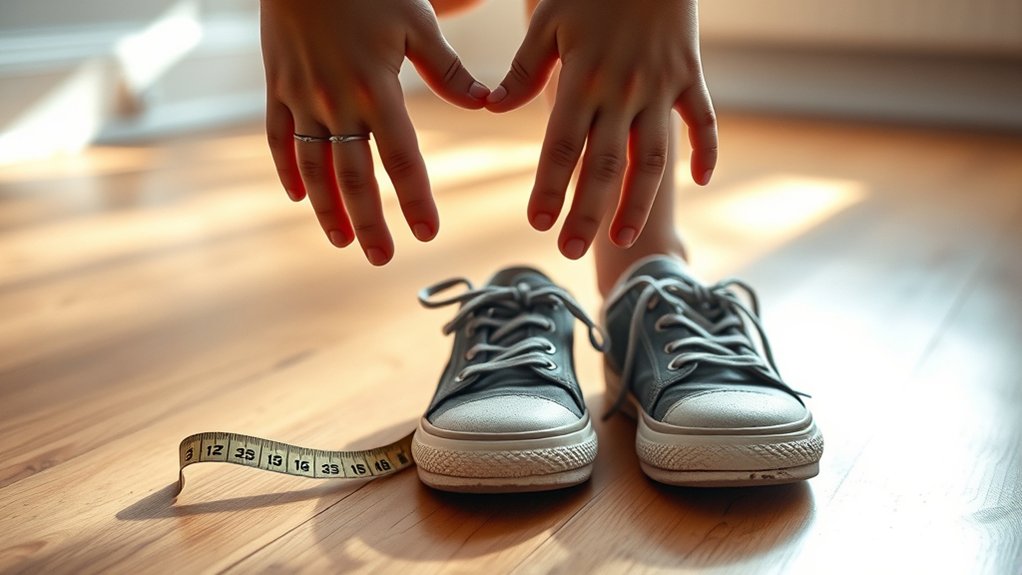
To measure your 7-year-old’s foot at home, you can start by using a printable sizing tool or simply trace their foot on a blank sheet of paper. This helps get an accurate outline.
Make sure your child stands with their full weight on both feet—that way, you’re capturing their true size.
Don’t forget to measure both feet because one might be a bit bigger than the other. Always go with the larger measurement when deciding on the best shoe size.
Printable Sizing Tool
When you print the sizing guide at 100% scale on a standard 8.5”x11” sheet, you can easily measure your 7-year-old’s foot length at home with accuracy. Start by confirming the scale using a credit or ID card.
Have your child stand straight with full weight on both feet, then align their heel with the guide’s heel mark. Measure from heel to the longest toe, checking both feet and using the longer length for sizing.
Remember, factors like shoe material and shoe color don’t affect measurement but can influence fit and style preferences. Regularly measuring every two months ensures proper fit as your child grows.
If you lack a printer, tracing the foot on blank paper and measuring the trace works well, too. But the printable tool offers more precise results.
Foot Tracing Method
If you don’t have access to a printer, tracing your child’s foot on a blank sheet of paper provides a straightforward alternative for measuring. This method guarantees you select the right size, which is essential for your child’s footwear fashion and comfort. Different shoe materials may fit differently, so getting the right size really helps.
Follow these steps for accuracy:
- Place the paper on a flat surface and have your child stand firmly on it with full weight.
- Trace the outline of the foot using a pencil, keeping it perpendicular to the paper.
- Measure the longest distance from heel to toe with a ruler or measuring tape.
- Record the measurement to compare with the size chart for proper fitting shoes.
This simple technique helps you choose shoes that support healthy foot development and match current footwear fashion trends. It’s an easy way to make sure your child’s shoes fit well and look great too.
Measure Both Feet
Although measuring one foot might seem sufficient, you should always measure both feet to guarantee the best fit for your 7-year-old. Have your child stand flat with full weight on both feet, wearing socks similar to those paired with the shoes. Trace each foot or measure heel-to-longest-toe using a ruler.
Record both measurements and select the larger size to ensure comfort. This is especially important considering shoe material and shoe aesthetics, which impact fit.
Measure regularly, about every two months, as your child grows.
| Step | Action | Tip |
|---|---|---|
| 1 | Have child stand with socks | Full weight on both feet |
| 2 | Trace or measure each foot | Use ruler or printable guide |
| 3 | Record and compare measurements | Choose larger size |
How to Read Kids’ Shoe Size Charts for Ages 7-8
Since kids’ feet grow rapidly between ages 7 and 8, you need to measure their foot length accurately before consulting a shoe size chart.
Kids’ shoe size charts for this age group typically range from US size 10.5 to 3, corresponding to foot lengths between 16.6 and 20.3 cm.
To read the chart effectively:
- Measure the foot length in centimeters or inches precisely.
- Match the measurement to the corresponding size on the chart, noting US and European equivalents.
- Consider the shoe material, as some materials require a tighter fit while others offer more stretch.
- Factor in your child’s style preferences to guarantee the shoe fits well and suits their daily activities.
Regular measurement is essential since children’s feet grow about 1mm per month in this age range.
When and Why Should You Choose the Larger Shoe Size?
You should go for a larger shoe size when your child’s foot falls between two sizes. This way, you’re giving them some extra room to grow and keeping things comfortable.
Choosing a bigger size helps avoid discomfort, cramping, and even injuries like blisters.
Plus, it means the shoes will fit snugly without feeling too tight, which is great because feet naturally expand throughout the day.
Importance Of Larger Size
When selecting shoes for a 7-year-old boy, choosing a larger size can really improve comfort and keep up with how fast his feet are growing. Picking a slightly bigger shoe size helps find the right balance between style and a good fit, especially since some shoe materials can stretch a bit.
Here’s why going a size up matters:
- It stops the shoes from being too tight, which can cause discomfort and blisters, protecting your child’s growing feet.
- It gives enough room for natural foot growth during those growth spurts common at age 7.
- It means you won’t have to replace shoes as often, which saves money in the long run.
- It keeps the shoe fitting well without sacrificing style or durability.
Choosing a larger size thoughtfully supports both comfort and your child’s foot health while matching their active lifestyle. It’s a smart move that pays off!
Growth Accommodation Benefits
Choosing a larger shoe size not only enhances immediate comfort but also provides significant benefits for accommodating your 7-year-old’s rapid foot growth. Since children’s feet grow about 1mm monthly, selecting a shoe with slightly more room supports this natural progression without causing tightness.
Opting for a size up ensures the foot arch develops properly without restriction, which is essential at this stage. Additionally, shoe material plays a fundamental role. Flexible, breathable materials adapt better to growing feet, reducing pressure points.
Regularly measuring your child’s feet every two months helps you decide when to size up, especially if their foot length falls between sizes. This proactive approach extends the shoe’s usability and maintains ideal foot health during critical growth phases.
Preventing Discomfort And Cramping
If your child’s feet fall between sizes, going for the larger shoe prevents discomfort and cramping caused by tight footwear restricting circulation. Choosing the bigger size accommodates the foot arch and guarantees adequate shoe padding, which reduces pressure points and foot pain.
Think about these reasons to size up:
- It prevents blisters and limping by avoiding tightness around the foot arch.
- It provides extra shoe padding that cushions growing feet for all-day comfort.
- It allows room for rapid growth, which means fewer shoe replacements.
- It reduces the risk of foot deformities like bunions by avoiding a constrictive fit.
Picking the larger shoe size supports healthy foot development and keeps your child comfortable throughout their active day. It’s a simple way to make sure their feet stay happy and pain-free!
How Often Should You Check Your Child’s Shoe Size?
Because children’s feet grow rapidly, you should check your 7-year-old boy’s shoe size regularly to assure a proper fit. At this age, foot growth slows compared to toddlers but still requires attention every two to three months. Properly fitting shoes, considering shoe materials and supporting the foot arch, help maintain comfort and healthy development.
Using a printable guide or professional fitting guarantees accurate sizing.
| Age Range | Growth Rate (mm/month) | Check Frequency |
|---|---|---|
| 1–3 years | ~1.5 | Every 1-2 months |
| 3–6 years | ~1.0 | Every 2-3 months |
| 7 years (yours) | ~0.8 | Every 2-3 months |
Regular checks prevent discomfort, blisters, and poor foot arch support caused by ill-fitting shoes. So, keeping an eye on shoe size is a simple way to keep your child comfortable and healthy.
What Are the Signs It’s Time to Replace Your 7 Year Old’s Shoes?
Keeping track of your 7-year-old’s shoe size is important, but recognizing when to replace their shoes is just as essential for healthy foot development. Shoes that don’t fit well or have worn-out materials can hinder comfort and growth, no matter the latest fashion trends.
Monitoring shoe size and knowing when to replace shoes is vital for your 7-year-old’s healthy foot growth.
Here are some key signs it’s time to replace your child’s shoes:
- Visible wear like holes or worn soles reduces support.
- Discomfort, blisters, or limping during wear signals poor fit or cushioning.
- Cramped toes or shoes pressing against the front mean they’ve outgrown their footwear.
- Loss of cushioning or support, even if there’s no obvious damage, can affect foot health.
Make it a habit to check these signs regularly. That way, your child’s shoes will stay safe and comfortable.
What Are Tips for Buying Comfortable Shoes for Active 7 Year Old Boys?
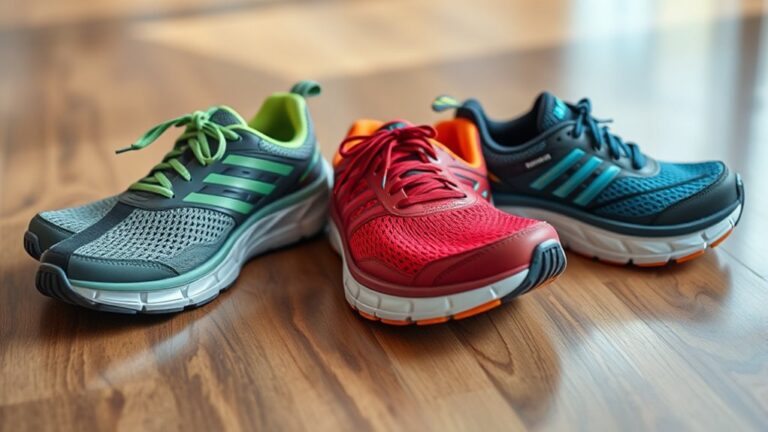
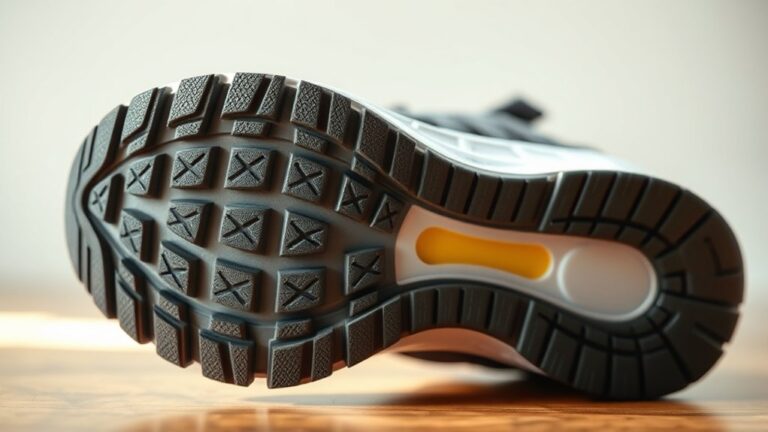
When buying shoes for active 7-year-old boys, you need to focus on features that support their growing feet and active lifestyles. Look for shoes with flexible soles, good arch support, and cushioned insoles to absorb shock during play.
Measure their feet every two months to guarantee the fit remains accurate.
Choose breathable materials like mesh or leather to keep feet cool and reduce blisters. Also, opt for slightly wider or adjustable shoes for extra comfort. These small details make a big difference during all that running around.
Incorporate current fashion trends to encourage your child to wear their shoes willingly, but don’t sacrifice comfort.
Regular shoe cleaning helps maintain the shoe’s condition and hygiene, which makes them last longer.
Keep these tips in mind to ensure your child’s shoes are both stylish and supportive.
Frequently Asked Questions
Can Shoe Size Differ Between the Left and Right Foot?
Yes, shoe size can differ between your left and right foot. To guarantee a proper shoe fit, it’s important to measure both feet regularly. Feet can change size over time, so keeping track helps a lot.
When you shop for shoes, always choose the size that fits your larger foot. This way, you’ll have better comfort and support throughout the day. It’s a simple step but makes a big difference!
Are There Specific Shoe Brands Better for 7-Year-Olds?
You might think any shoe will survive a 7-year-old’s adventures, but brands like Timberland offer unmatched shoe durability. Prioritize brand preferences that balance support, flexibility, and breathability to keep their feet comfortable and protected.
Choosing the right shoes isn’t just about toughness. It’s also about making sure their feet can move freely and stay cool during playtime. So, keep an eye out for shoes that check all these boxes!
How Do Weather Conditions Affect Shoe Sizing for Kids?
You’ll notice weather impact causes kids’ feet to swell or shrink, so seasonal sizing matters. In hot or humid conditions, sizing up helps.
While colder weather might require a snugger fit to guarantee comfort and proper support. It’s all about making sure their shoes feel just right no matter the season.
Can Orthotic Inserts Change the Shoe Size Needed?
Orthotic benefits boost shoe comfort, yet they often require a larger size because inserts add volume. You’ll want to measure feet with orthotics inside, ensuring the shoe fits well without causing tightness or discomfort.
It’s a good idea to try on shoes later in the day when your feet might be a bit swollen. That way, you’ll avoid shoes that feel tight after hours of wear. Remember, comfort is key, so don’t rush the process!
Is It Normal for Kids to Wear Different Sizes in Different Shoes?
Yes, it’s normal for kids to wear different sizes in shoes. You should prioritize comfort over shoe color or shoe material. Make sure the larger foot fits well since mismatched sizes accommodate natural growth differences effectively.
Kids’ feet don’t always grow at the same rate, so having different sizes is pretty common. It’s all about keeping their feet comfortable and supported as they grow. So, don’t stress if one shoe is a bit bigger than the other!
Conclusion
Now that you know a 7-year-old boy typically wears a size 12 to 1 in kids’ shoes, remember to measure his feet every three months. Children’s feet can grow up to half a size monthly at this age, so keeping track is important.
Choosing the right size not only guarantees comfort but also supports healthy foot development. Keep an eye on signs of wear and fit. And always prioritize quality shoes to keep your active child moving comfortably and confidently.