What Size Shoe Does A 6 Year Old Girl Wear – Shoe Size Guide
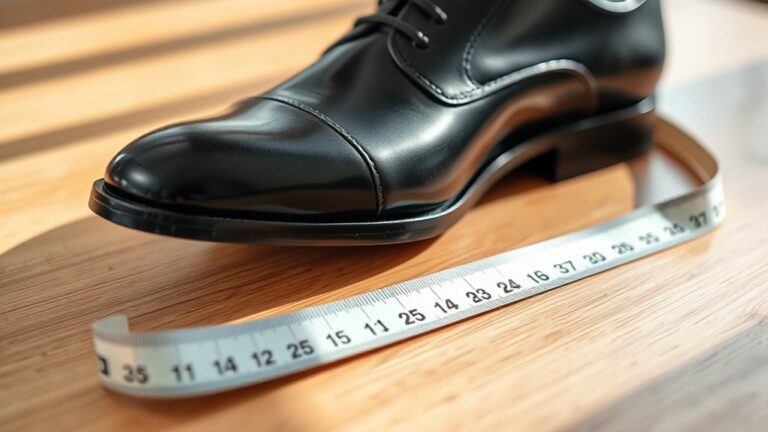
For a 6-year-old girl, shoe sizes typically range from UK 10 to 11, fitting foot lengths around 25 to 26 cm. To guarantee the best fit, measure her feet late in the day with full weight on both feet. Use the larger measurement plus extra room for comfort and growth.
Also, consider width and heel height to support healthy development. If you want to navigate sizing conversions and expert fitting tips, more detailed guidance can help you make the right choice. It’s always worth taking the time to get it right!
Key Takeaways
- A 6-year-old girl typically wears UK shoe sizes 10-11, corresponding to foot lengths of about 25-26 cm.
- Measure feet in the late afternoon with full weight, tracing both feet, and use the larger measurement for sizing.
- Add about 0.3-0.5 inches (a finger-width) to foot length for comfort and growth allowance.
- Check specific brand size charts and conversion tables, as shoe sizes vary across brands and systems.
- Choose breathable, flexible shoes with proper width and a snug heel to ensure comfort and healthy foot development.
How To Determine Shoe Sizes For 6-Year-Old Girls
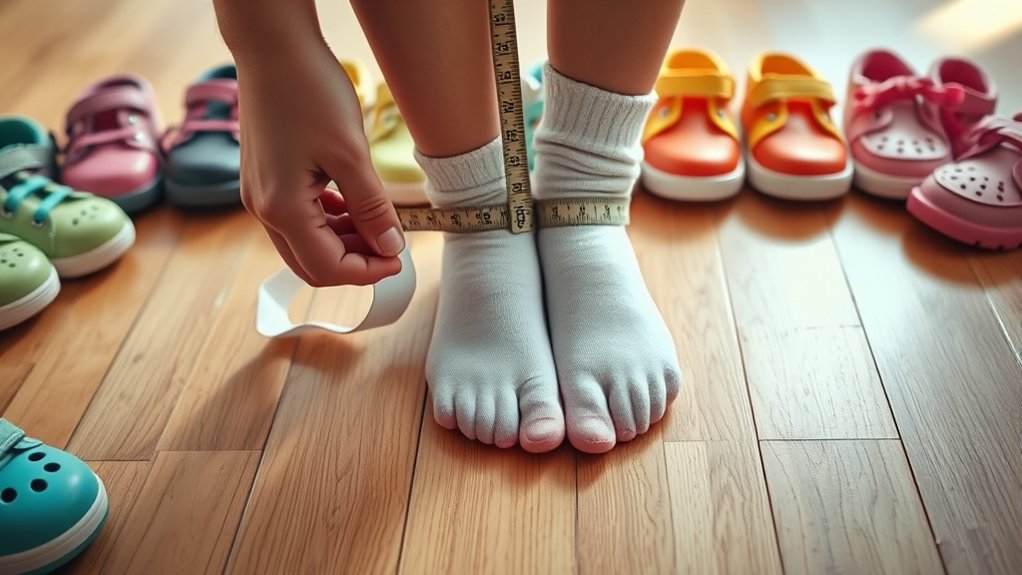
Although age gives you a general idea, the best way to find the right shoe size for 6-year-old girls is by measuring their feet accurately. You’ll want to measure both feet using a ruler or a printable sizing chart.
Then, pick the larger length, which usually falls between 25 to 26 centimeters and corresponds to UK sizes 10 to 11.
Don’t just go by age because shoe sizes can vary a lot between brands. Always check the specific sizing charts for the brand you’re buying.
When you’re choosing shoes, think about the material too. Flexible materials tend to be more comfortable and adapt better to growing feet.
Also, keep in mind your child’s color preferences since that can make a big difference in whether they actually want to wear the shoes.
Getting an accurate measurement helps make sure the shoes fit well and lets you pick the right material and color for your 6-year-old.
How To Measure Your 6-Year-Old’s Feet Accurately At Home
To measure your 6-year-old’s feet accurately at home, start by gathering a few simple tools—a piece of paper, a pencil, and either a ruler or a tape measure. It’s pretty straightforward once you have everything ready.
Next, have your child stand evenly on the paper. You’ll want to trace around both feet carefully. Make sure they’re standing naturally so you get the most accurate outline.
After tracing, use your ruler or tape measure to check the length of each foot. Remember to measure from the heel all the way to the longest toe.
Oh, and a quick tip: it’s best to do this at the end of the day when their feet are likely a bit larger.
Also, always go with the size of the bigger foot when picking shoes—this way, you’ll ensure a comfortable fit.
Tools Needed
When measuring your 6-year-old’s feet accurately at home, having the right tools makes all the difference. You’ll need a printable shoe measuring chart, printed at 100% size on an 8.5”x11” sheet for precision. A ruler or tape measure is essential to measure the distance between the heel and longest toe markings accurately.
Make sure your child stands straight with full weight on both feet. It’s best to do this in the late afternoon when feet naturally expand. Use a pencil to mark behind the heel and in front of the longest toe on the paper.
Measuring both feet helps account for size differences, so always choose the larger measurement. Remember, choosing shoes with appropriate shoe material and shoe color can affect comfort and style. But getting the measurement right is your first step.
Step-By-Step Measurement
Having the right tools sets the stage for an accurate measurement, but following a clear, step-by-step process guarantees you get the correct shoe size for your 6-year-old.
Have her stand barefoot on paper with her heel against the wall, distributing weight evenly.
Mark the longest toe and heel, then measure the distance between these points.
Make sure to measure both feet, and note the larger size for fitting.
Since shoe material and shoe design affect fit, add about a finger-width (0.5 cm) to the foot length for comfort and growth.
Measuring in the late afternoon helps capture the fullest foot size, so the shoe won’t feel tight.
This precise method guarantees you select shoes that accommodate her growing feet and the shoe’s construction.
Tips For Accuracy
Although measuring your 6-year-old’s feet might seem straightforward, ensuring accuracy requires attention to specific details. Measure her feet in the late afternoon when they’re naturally more swollen to get the most precise size.
Have her stand straight with full weight on both feet, then use a ruler or tape measure to record from heel to the tip of the longest toe, ensuring her foot is flat.
Always measure both feet and select the larger size. Add about a finger’s width (0.3-0.5 inches) for comfort and wiggle room.
Remember, shoe material affects fit, so consider flexibility when choosing.
Also, while shoe color doesn’t impact size, kids often prefer certain colors. So keep her preferences in mind when buying shoes for a perfect fit and happy feet.
How To Read And Use Kids’ Shoe Size Charts And Conversions
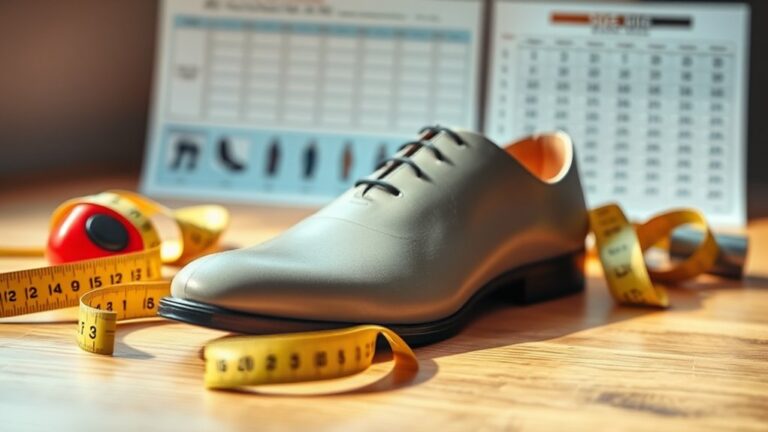
Since kids’ shoe size charts include UK, US, and European sizes alongside foot length measurements in centimeters and inches, you can easily identify the right size by accurately measuring your child’s foot.
Use the foot length to match the size on the chart, considering conversion tables to navigate between different sizing systems.
This guarantees the shoe fits well regardless of the brand or origin.
When selecting shoes, keep in mind a materials overview is helpful. Different materials used in shoe manufacturing affect flexibility and fit.
Knowing this helps you pick shoes that accommodate growth and comfort.
What To Do If Your Child’s Feet Are Between Sizes
After measuring your child’s feet and checking size charts, you might notice their foot length falls between two sizes. When that happens, here’s what you can do to keep things comfy and stylish.
First, always go for the larger size. This gives your child’s feet room to grow and helps avoid shoes that feel too tight.
Also, be sure to measure both feet and choose the size that fits the bigger one best.
Adding about half an inch of wiggle room is a smart move. It keeps their feet comfortable and helps the shoes last longer.
And don’t forget to try shoes on later in the day—feet tend to swell a bit by then, so you’ll get a more accurate fit.
Picking the right size isn’t just about comfort; it also helps shoes stay in good shape.
This way, your child stays comfy and stylish without any compromises.
Why Regular Shoe Size Checks Matter For Growing Kids
When you regularly check your child’s shoe size, you make sure their growing feet stay comfortable and well-supported. Kids’ feet can grow up to 1mm per month, so measuring every 3 to 6 months helps prevent discomfort and foot problems caused by ill-fitting shoes.
Staying updated on size also helps you pick the best footwear materials that promote healthy development. Plus, you can keep up with current fashion trends, which is always a bonus.
| Benefit | Explanation |
|---|---|
| Proper fit | Avoids blisters and discomfort |
| Healthy development | Supports foot growth and prevents long-term issues |
| Cost efficiency | Reduces unnecessary shoe replacements |
Checking sizes often means you’ll buy shoes that fit well, provide support, and match the latest fashion trends. All while choosing the right materials for your child’s feet.
How To Choose The Right Shoe Width And Heel Height For Kids’ Shoes
When you’re picking out shoes for your 6-year-old, make sure the width feels just right—not too tight and not too loose.
If your child has wider feet, look for shoes marked wide or extra wide so they get the support they need.
As for heel height, it’s best to go with low or flat shoes. These help keep your child steady and support healthy foot growth, especially during all their daily adventures.
Selecting Proper Shoe Width
Although selecting the right shoe length is important, choosing the proper shoe width and heel height plays a crucial role in your child’s comfort and foot development.
When selecting shoe width, consider these key points:
- Measure the widest part of your child’s foot to ensure a snug fit without pressure or side gaps.
- Choose shoes made from flexible shoe materials that accommodate natural foot expansion.
- Opt for various width options, from narrow (D-E) to wide, to match your child’s unique foot shape.
- Explore color options and styles that offer both aesthetic appeal and functional fit, encouraging your child to wear them confidently.
Remember, a good fit is about more than just length—it’s about how the shoe feels all around.
Taking the time to find the right width can make a big difference in your child’s comfort and foot health.
Choosing Appropriate Heel Height
Since your child’s comfort and foot health depend on proper support, choosing the right heel height is just as important as selecting the correct shoe width. For a 6-year-old girl, flat shoes with heel heights up to 0.5 cm guarantee maximum heel comfort and safety for daily wear.
Medium heels (2-3 cm) may be suitable for special occasions if the shoes are supportive and stable. Always prioritize shoes that provide wiggle room in the toe box and avoid pressure on the heel. It’s also a good idea to regularly measure her feet to maintain the right fit as her feet grow.
| Heel Height | Recommended Use |
|---|---|
| 0 – 0.5 cm | Daily wear, comfort |
| 0.5 – 1 cm | Limited casual wear |
| 1 – 2 cm | Occasional use |
| 2 – 3 cm | Special occasions |
| Over 3 cm | Not recommended |
Tips To Ensure Shoes Fit Properly And Support Healthy Foot Development
To make certain your 6-year-old’s shoes fit properly and support healthy foot development, you need to measure her feet regularly, about every two months, to keep up with her growth.
When selecting shoes, keep these tips in mind:
Leave about a finger’s width (0.5 inches) of space in front of the toes to allow natural growth. Make sure the heel fits snugly to prevent slipping and maintain stability. Choose shoes with flexible soles and adequate arch support to encourage healthy foot development.
Try shoes on in the late afternoon when feet are largest for the most accurate fit.
While fashion trends can be tempting, it’s best to prioritize fit and support.
Also, keep shoe hygiene in check by cleaning them regularly to extend their life and comfort.
When To Transition From Kids’ Shoe Sizes To Adult Sizes
Determining when to shift from kids’ shoe sizes to adult sizes depends largely on your child’s individual growth pattern. Typically, children change between ages 9 and 12, once their feet reach about European size 13.5 or US women’s size 4.5–5.
Since growth rates vary, regularly measuring feet helps you know the right time to switch.
When choosing adult shoes, consider shoe material carefully. Breathable, flexible materials support comfort and foot health.
Also, shoe color might appeal more to older children’s preferences, reflecting their developing style.
Where To Get Professional Shoe Fittings And Sizing Help
As your child’s feet grow, making sure the shoes fit right becomes super important for comfort and healthy development. Professional shoe fittings help you pick shoes with the right material and support for your child’s foot arch.
Here’s where you can get expert sizing help:
- Major shoe stores use the Brannock Device for precise measurements.
- Children’s shoe specialists recommend the best fit tailored to growing feet.
- Sporting goods stores often have trained staff for accurate shoe sizing.
- Dedicated children’s shoe boutiques offer personalized consultations.
Lots of retailers also provide free fitting consultations online or in-store. They’ll guide you to the right size and style.
Using these professional services makes sure your child’s shoes support healthy foot development and keep them comfortable every step of the way.
Frequently Asked Questions
What Materials Are Best for 6-Year-Old Girls’ Shoes?
You should choose shoe material preferences that prioritize breathable fabric choices like leather, canvas, or mesh. These materials guarantee comfort, durability, and airflow.
Rubber soles add grip and flexibility, which is perfect for your active 6-year-old girl’s shoes. It’s all about keeping her feet comfy and supported while she plays and explores.
How Can I Tell if Shoes Are Causing Discomfort or Pain?
You’ll know shoes cause discomfort if your child complains of pain or you spot redness, blisters, or swelling. Make certain the shoe material supports breathability and flexibility. Proper shoe comfort prevents pinching and pressure points effectively.
It’s all about making sure their feet feel good while they move around. When shoes fit well and allow air to flow, kids are less likely to get sore spots or irritation. Keep an eye out for any signs that something might be off.
Are There Specific Brands Known for Durable Kids’ Shoes?
You’ll find popular shoe brands like Stride Rite, Keen, and New Balance excel in kids’ shoe durability. Timberland, Nike, and Geox also offer sturdy, quality options that support active kids while promoting healthy foot development.
These brands really get what kids need in a shoe. They focus on making shoes that last through all the running and playing. Plus, they help keep little feet comfortable and healthy.
How Often Should Shoes Be Replaced Besides Size Changes?
Coincidentally, just like fashion trends change, you should replace shoes whenever wear affects comfort or support, not just size.
Regular shoe cleaning helps spot damage early, ensuring your child’s feet stay healthy and stylish.
Keeping an eye on how shoes feel and look can save you from bigger problems down the road.
Can Orthotic Insoles Be Used in Kids’ Shoes Safely?
You can safely use orthotic insoles in kids’ athletic footwear and shoe fashion choices when they are properly fitted and recommended. Always choose insoles designed specifically for children.
It’s a good idea to consult a specialist to guarantee comfort and support without restricting growth. That way, you know the insoles are doing more good than harm. Just make sure they fit well and suit your child’s needs.
Conclusion
Choosing the right shoe size for your 6-year-old girl is like planting seeds for healthy growth. You want a perfect fit to support her every step. Regularly measuring her feet and understanding size charts guarantees comfort and proper development.
Don’t hesitate to seek professional help when needed. Remember, a well-fitted shoe today paves the way for confident strides tomorrow. Keep her feet happy, and she’ll be ready to conquer the world.