How Do Baby Shoe Sizes Work – Sizing System Explained
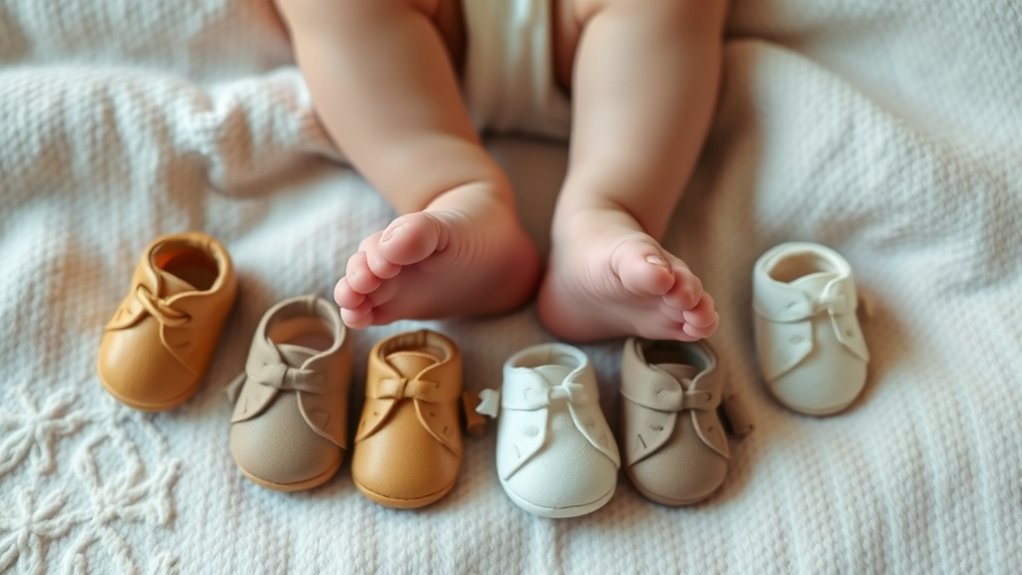
Baby shoe sizes work by measuring your baby’s foot length from heel to longest toe, not just relying on age. You’ll want to add about half an inch for comfort and growth, making sure the shoes aren’t too tight or loose.
Since sizing varies by brand, measure both feet every few months and pick the larger size for the best fit. With the right fit, your baby’s feet can grow healthy and strong.
Keep exploring to find tips for perfect measurement and shoe choices. It’s all about giving your little one the best start on their tiny feet!
Key Takeaways
- Baby shoe sizes are based on foot length from heel to longest toe, not solely on the baby’s age.
- Add about half an inch of extra space in shoes to ensure comfort and accommodate growth.
- Measure both feet regularly, using tracing or measuring devices, and choose the larger size for fit.
- Infant shoe sizes typically range from 1 to 3, while toddler sizes start at 4 and go up numerically.
- Proper fit supports healthy foot development by allowing natural growth and preventing discomfort or injury.
How Baby Shoe Sizes Are Determined: Length and Fit
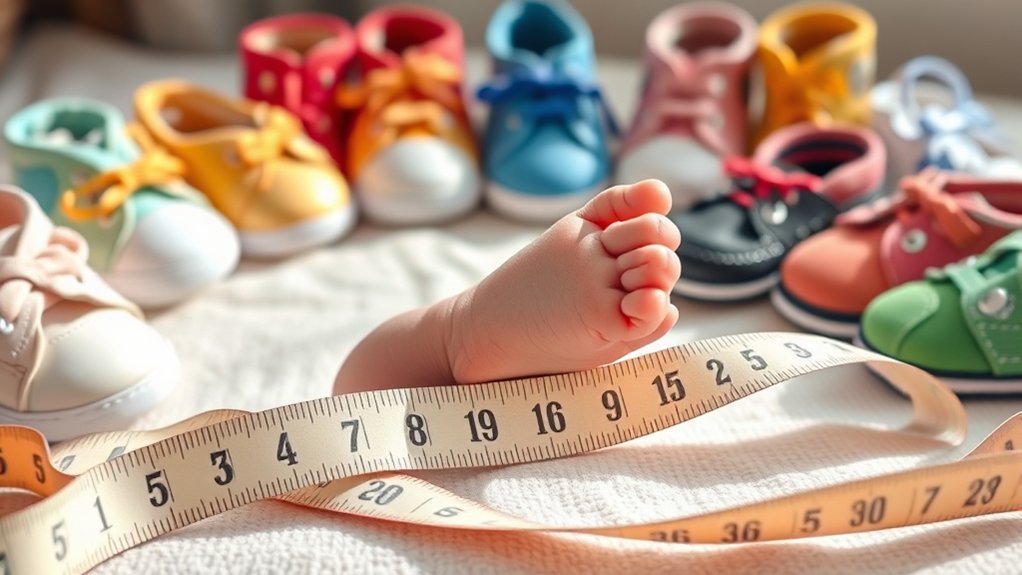
Although baby shoe sizes often correspond to age ranges, you should rely on actual foot measurements to guarantee the best fit. Baby shoe sizes are determined primarily by measuring the foot’s length from heel to toe.
Baby shoe sizes match age ranges, but precise foot measurements ensure the perfect fit every time.
To assure shoe comfort and accommodate foot growth, you need to add about half an inch of extra space inside the shoe. This allowance supports your baby’s developing feet and movement without causing tightness or discomfort.
Using a foot measuring device or tracing your baby’s foot helps you capture precise length and width, which is essential for accurate sizing.
Since babies’ feet grow rapidly, regularly measuring ensures you replace shoes before they become too small. This way, you’re maintaining both comfort and healthy foot development.
It’s all about keeping those little feet happy and healthy!
Baby Shoe Sizes: Infant vs. Toddler Explained
You’ll notice that infant shoe sizes usually cover newborns up to size 3. Then, toddler sizes start at 4 and go up to 10.
As your little one grows, it’s a good idea to measure their feet regularly. This way, you can make sure the transition between these sizes is smooth.
Plus, getting accurate measurements really makes a difference for their comfort and proper foot development.
Infant Size Range
When you’re picking shoes for your baby, understanding the infant size range is essential to ensuring a comfortable fit. Infant shoe sizes typically span from 1 to 3, covering newborns up to about 12 months. Because infant feet grow rapidly, you’ll need to check their length and width often, keeping foot growth patterns in mind.
Choosing the right shoe material is just as important. Soft, breathable fabrics support delicate feet without restricting movement.
Infant sizes often correspond to age brackets like 3-6 months, but measuring is more reliable than relying on age alone.
Toddler Size Transition
How do you know when it’s time to move from infant to toddler shoe sizes? Around 12 months, as your child’s foot grows rapidly, you’ll notice a need for larger shoes that support their developing foot arch. Toddler shoes start at size 4 or 4.5, shifting from the infant’s month-based system to a numerical one.
Choosing the right shoe material is vital—it should be flexible yet supportive to accommodate active toddlers.
| Infant Sizes (Months) | Toddler Sizes (Number) |
|---|---|
| 0-3 months: Size 1 | 12-18 months: Size 4 |
| 4-6 months: Size 2 | 18-24 months: Size 5 |
| 7-12 months: Size 3 | 2 years: Size 6-7 |
| 3 years: Size 8-10 |
This changeover guarantees your toddler’s feet grow healthily and comfortably. It’s all about making sure their shoes keep up with their busy little feet!
Measuring Tips for Kids
As your little one moves from infant to toddler shoe sizes, keeping an accurate measurement of their growing feet becomes a top priority. Properly fitting shoes support healthy development, so you’ll want to measure carefully.
Also, consider factors like shoe material and color preferences that appeal to your toddler. These little details can make a big difference in getting shoes they’ll love to wear.
Here are some measuring tips for kids:
- Have your child stand barefoot on paper; trace their foot outline.
- Measure from heel to longest toe using a ruler or printable size guide.
- Verify scale accuracy with a credit card or standard object.
- Leave about half an inch of extra space in shoes for comfort and growth.
- Measure feet every 2-3 months to keep up with rapid growth.
Keeping these tips in mind makes finding the right shoe size easier and helps your child stay comfortable as they grow.
How to Measure Baby Feet Accurately at Home
Although measuring your baby’s feet might seem tricky, you can do it accurately at home with just a few simple tools.
Have your baby stand barefoot on a piece of paper, making sure they’re upright and balanced. Place the paper against a wall, with your baby’s heel touching it, then mark the longest toe’s tip to measure foot length precisely.
Have your baby stand barefoot on paper with heel against a wall to mark the longest toe for accurate measurement.
Use a ruler or tape to measure the distance in centimeters or inches. Next, wrap a soft tape or string around the widest part to find the foot’s circumference.
Always measure both feet, as they can differ, and choose the larger size when selecting shoes.
When and How Often to Measure Your Baby’s Feet
Since babies grow quickly, you’ll want to measure their feet every 4 to 6 weeks to make sure their shoes fit comfortably. Proper shoe fit is essential for shoe comfort and maintaining good foot hygiene. Here’s what to keep in mind:
Use a printable size guide or foot measuring device for accuracy. Measure both feet, sizing for the larger one. It’s important to monitor growth spurts that affect foot length and width.
Replace shoes promptly when they no longer fit well. Also, regularly check shoes for wear that may affect comfort and hygiene. Staying on top of this helps keep your baby’s feet happy and healthy.
Understanding Baby Shoe Size Charts
When you measure your baby’s foot length from heel to toe, you can use a size chart to find the right shoe size quickly and confidently. Baby shoe size charts typically list sizes by age for infants (0-12 months) and then by numeric sizes for toddlers.
Since babies’ feet grow differently, focusing on foot length rather than age guarantees a better fit.
Size charts usually recommend leaving about half an inch of extra room for comfort and foot arch development. Remember, shoe material matters. A flexible, breathable shoe adapts better to your baby’s growing foot and arch shape.
Because sizing can vary between brands, regularly measuring and consulting the chart helps you pick shoes that support healthy foot growth and keep your baby comfortable. It’s a simple step that makes a big difference!
What to Do if Your Baby’s Feet Fall Between Two Sizes?
If your baby’s feet fall between two sizes, it’s usually best to choose the larger size to guarantee comfort and room for growth. Babies’ feet grow fast, so sizing up prevents tightness and supports healthy development.
Consider these tips when deciding: measure both feet and size for the larger one to ensure proper support. Try both sizes with the socks your baby will wear to check fit.
Look for shoes with adjustable lacing to customize tightness. Choose shoes made from soft, flexible material to accommodate growth.
Regularly measure feet to know when it’s time to size up again. This approach keeps your baby comfortable while allowing their feet to develop naturally.
Why Accurate Foot Measurement Matters for Baby Shoe Fit
You want to make sure your baby’s shoes fit just right because that supports healthy foot development and keeps them comfortable. When shoes are too tight, they can restrict growth, and if they’re too loose, your little one might trip or fall.
That’s why accurate foot measurement is so important. By measuring regularly, you can pick shoes that really match your baby’s changing feet.
This helps promote proper muscle and arch formation as they grow.
Importance Of Precise Measurement
Three key reasons highlight why precise foot measurement is essential for your baby’s shoe fit. Getting it right ensures comfort, supports healthy growth, and prevents injury. Since baby feet grow fast, regular checks matter more than you might think.
Accurate sizing also takes into account orthopedic considerations and the shoe material’s flexibility, which affect fit and support. So, it’s not just about length but the overall shape and comfort.
Keep these points in mind:
- Prevent shoes that are too tight, restricting growth
- Avoid loose shoes causing tripping or blisters
- Measure length and circumference for proper space
- Use reliable tools like printable size guides
- Account for rapid growth every 2-4 months
Effects On Foot Development
Understanding how proper shoe fit influences your baby’s foot development helps emphasize why accurate measurement goes beyond comfort. When you measure your baby’s feet precisely, you guarantee their shoes offer enough room for natural growth, preventing issues like foot deformities and growth delays.
Shoes that are too tight can restrict muscle and joint development, causing discomfort and misalignment. On the other hand, oversized shoes increase the risk of tripping and poor balance.
Regularly checking foot size allows you to respond quickly to growth spurts, supporting healthy arch and bone formation.
Using exact sizing methods, such as foot tracing or printable guides, helps you pick shoes that accommodate your baby’s evolving foot structure.
This promotes proper development without risking deformities or delays. Accurate fit truly safeguards your child’s foot health.
Tips for Choosing Shoes That Support Healthy Baby Feet
Since your baby’s feet grow quickly and are delicate, choosing shoes that support healthy development is essential. While fashion trends might tempt you, prioritize shoe materials that are soft, flexible, and breathable to encourage natural foot movement.
Here are key tips for selecting the right shoes:
- Choose shoes made from breathable, flexible materials that promote healthy growth.
- Guarantee about a finger’s width of toe room to avoid tightness and allow growth.
- Measure your baby’s feet every two months to keep up with rapid growth.
- Look for non-skid soles to enhance safety without limiting foot flexion.
- Opt for a snug but comfortable fit around the heel and instep to prevent slipping.
Focusing on these factors helps your baby’s feet develop strong and healthy. It’s all about comfort and support as they grow!
Frequently Asked Questions
Are Baby Shoe Sizes Standardized Internationally?
No, baby shoe sizes aren’t standardized internationally. Footwear manufacturing varies by region, so you’ll need to check specific sizing charts for each brand to guarantee the best fit for your baby’s growing feet every time.
It’s always a good idea to measure your baby’s feet regularly. That way, you can make sure the shoes you pick will be comfortable and supportive as they grow. Different brands might size their shoes a bit differently, so keeping an eye on the measurements helps a lot.
How Do Shoe Widths Impact Baby Shoe Sizing?
Wondering why shoe width matters in baby shoe sizing? It’s important because proper foot measurement guarantees the shoe fits comfortably. This helps prevent tightness or slipping, which supports healthy foot development.
Plus, when the shoes fit well, your little one can move freely without any discomfort. It’s all about making sure those tiny feet have the best start possible!
Can Hand-Me-Down Shoes Fit Accurately for Different Babies?
Hand me down fit often lacks sizing accuracy because babies’ feet vary in length and width. You shouldn’t rely solely on them. Measuring each baby’s feet guarantees the best comfort and healthy foot development.
It’s always better to check the fit yourself. That way, you make sure the shoes aren’t too tight or too loose. After all, every baby’s feet are unique!
Do Socks Affect the Shoe Size Needed for Babies?
Yes, sock thickness directly affects shoe comfort. When you measure your baby’s feet, include the socks they wear regularly to avoid tightness.
Thicker socks usually mean you’ll need to choose a slightly larger shoe size. It’s a simple step that can make a big difference in how comfy those shoes feel. So, always keep the socks in mind when picking out shoes for your little one.
How Do Seasonal Shoe Materials Influence Baby Foot Comfort?
Seasonal shoe materials directly impact your baby’s comfort by ensuring seasonal comfort through breathable fabrics in summer and insulated ones in winter.
Material flexibility lets your baby move naturally, preventing discomfort and supporting healthy foot growth all year.
Choosing the right materials means your little one’s feet stay cozy when it’s cold and cool when it’s warm.
It’s all about keeping those tiny feet happy no matter the season!
Conclusion
Getting your baby’s shoe size just right isn’t rocket science, but it’s essential for their comfort and foot health. By measuring their feet accurately and checking size charts regularly, you’ll avoid the dreaded “too tight” or “too loose” shoes that can slow their tiny steps.
Remember, those little feet grow faster than you can blink, so stay vigilant. Choose shoes that support every adventurous step your baby takes.