What Is A Casual Shoe – Styles And Features Explained
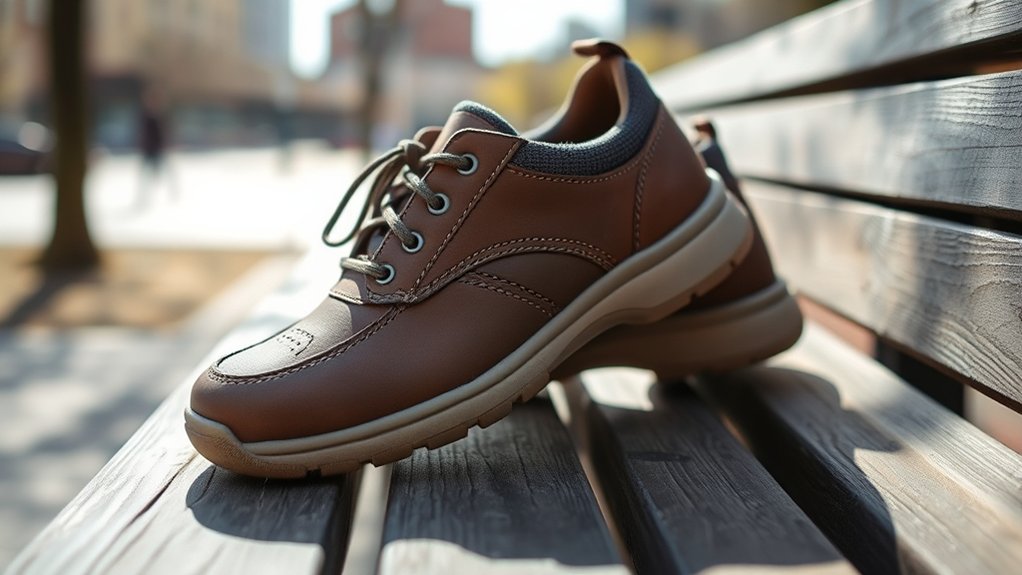
A casual shoe is designed for versatility and comfort, featuring streamlined, minimalist styles using breathable, eco-friendly materials like canvas, suede, or leather. They typically have flexible, cushioned constructions with lightweight, non-slip rubber soles that support natural foot movement and all-season wear.
Casual shoes differ from sneakers by focusing less on athletic support and more on everyday functionality. If you want to explore popular styles, material choices, and perfect outfit pairings, there’s plenty more detail ahead.
Key Takeaways
- Casual shoes prioritize comfort, versatility, and minimalistic design, blending vintage styles with modern demands.
- They use breathable, eco-friendly materials like leather, suede, canvas, and rubber for all-season wear and sustainability.
- Casual shoes have flexible construction with cushioned, non-slip soles that enhance comfort, support, and natural foot movement.
- Popular styles include loafers, sneakers, desert boots, espadrilles, and ballet flats, adapted for seasonal and regional variations.
- Outfit coordination emphasizes matching shoes to casual attire, seasons, and occasions, with proper care extending shoe longevity.
What Makes a Shoe Casual?
What defines a casual shoe? You’ll recognize it by its focus on comfort, versatility, and simplicity. Casual shoes blend vintage influences with modern demands, often featuring streamlined silhouettes inspired by classic designs.
They prioritize all-day wear by using eco-friendly materials such as organic cotton canvas, vegetable-tanned leather, or recycled textiles. These materials enhance breathability and reduce environmental impact.
The construction emphasizes lightweight, flexible soles to support natural foot movement and prevent fatigue.
Unlike formal footwear, these shoes avoid excessive ornamentation. They favor minimalistic aesthetics that easily pair with various outfits.
When you choose casual shoes, you’re selecting footwear engineered for daily activities, combining relaxed style with technical features that maintain foot health and comfort throughout your day.
How Casual Shoes Differ From Sneakers and Dress Shoes
You’ll notice casual shoes really prioritize versatility and comfort. They often use materials like suede and canvas, paired with flexible soles that make them perfect for daily wear.
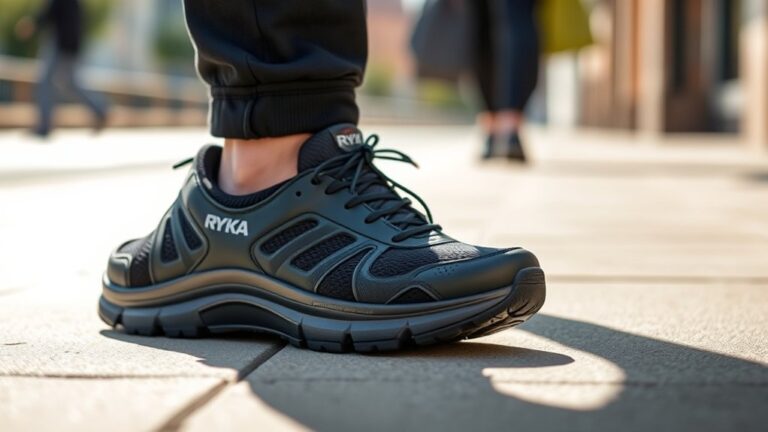
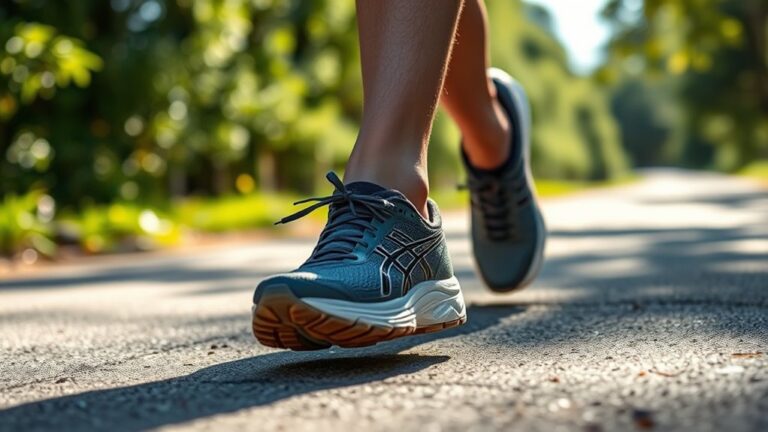
Now, sneakers are a bit different—they focus more on athletic support and cushioning, usually made with mesh and rubber to keep you moving comfortably during sports or workouts.
Casual shoes strike a balance between style and ease of use without the specialized performance features you find in sneakers.
Casual Shoes Characteristics
Although casual shoes share some features with sneakers and dress shoes, they prioritize comfort, style, and versatility for everyday wear rather than athletic performance or formal occasions.
You’ll find casual shoes engineered with comfort technology, such as cushioned insoles and flexible midsoles, that optimize breathability and foot support without the rigid structure typical of dress shoes.
They often incorporate sustainable materials like leather, suede, or canvas sourced responsibly, which enhances durability and reduces environmental impact.
Unlike formal shoes, their soles are less stiff, providing relaxed movement suited for leisure settings.
Casual shoes include styles like loafers and desert boots, designed for easy pairing with varied outfits while maintaining a refined yet informal aesthetic.
This balance of materials and construction really sets casual shoes apart from their more specialized counterparts.
Comparison With Sneakers
When comparing casual shoes to sneakers, you’ll notice casual shoes emphasize versatile style and everyday wearability rather than athletic performance. Sneakers prioritize cushioning, support, and breathable materials for physical activity.
Casual shoes focus on materials like leather, suede, or canvas to enhance fashion and comfort.
Casual shoes offer greater color versatility, appealing to those seeking adaptability across social and semi-formal settings. Also, brand reputation plays a significant role. Established casual shoe brands emphasize style heritage, which contrasts with sneaker brands known for innovation in performance technology.
While sneakers dominate athletic and active markets, casual shoes cater to relaxed, stylish occasions without compromising comfort.
Understanding these distinctions helps you pick footwear that’s suited precisely to your lifestyle needs.
Popular Styles of Casual Shoes for Everyday Wear
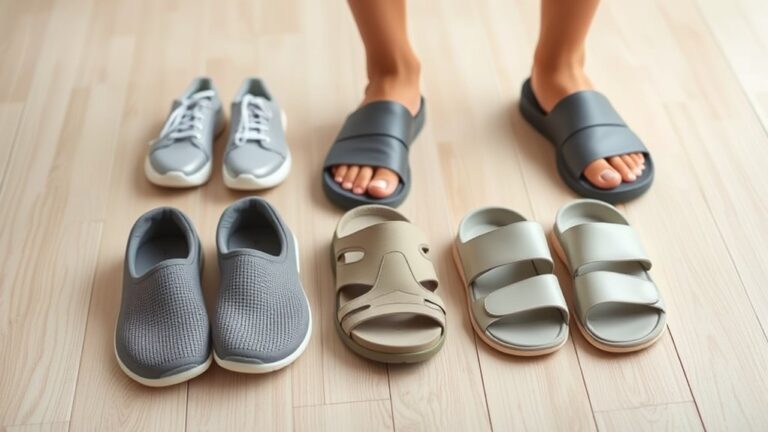
You’ll find casual shoes come in a few distinct types like sneakers, loafers, and desert boots. Each one is designed with specific comfort and functional needs in mind.
When it comes to seasons, materials and construction really make a difference. For example, espadrilles and ballet flats are perfect for summer because they’re breathable.
On the other hand, suede desert boots are great for cooler months since they provide nice insulation.
Plus, designers often think about gender-specific preferences too. They try to balance how the shoes look with ergonomic features, so they’re comfortable and stylish for everyday wear.
Common Casual Shoe Types
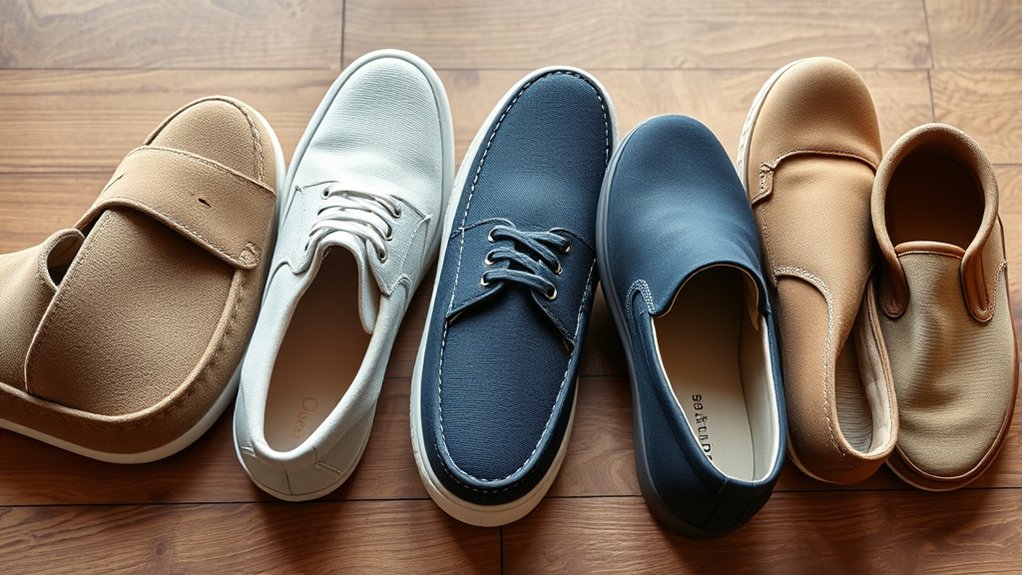
Five popular casual shoe styles dominate everyday wear, each designed to meet specific functional and aesthetic needs.
Sneakers utilize innovative material technology, combining cushioned soles with breathable mesh and rubber to deliver comfort and durability for active use.
Loafers offer slip-on convenience in leather or suede, balancing casual ease with semi-formal versatility.
Boat shoes and espadrilles prioritize lightweight, breathable fabrics like canvas and linen, making them ideal for warm climates and summer activities.
Desert and chukka boots feature ankle-high suede or leather construction with lace-up designs, providing casual sophistication for *alternation* weather.
Many manufacturers now integrate eco-friendly shoe production methods, reducing environmental impact while maintaining performance and style across these common casual shoe types.
You can select the right pair tailored to your daily demands and aesthetic preferences.
Seasonal Style Variations
Understanding how casual shoe styles adapt to seasonal demands can help you select footwear that balances comfort, functionality, and aesthetics year-round.
Seasonal color palettes influence choices, with lighter tones dominating summer, while deeper hues suit fall and winter. Regional footwear trends also dictate material preferences, such as breathable canvas in warm climates versus insulated leather in colder areas.
Here’s a concise overview:
| Season | Popular Styles | Key Features |
|---|---|---|
| Summer | Espadrilles, Canvas Sneakers | Breathable, lightweight fabrics |
| Spring/Fall | Desert Boots, Suede Chukka | Versatile, weather-appropriate |
| Winter | Insulated Leather, Waterproof Boots | Warmth, protection from elements |
| Warm Months | Loafers, Ballet Flats | Slip-on convenience, breathable |
This guarantees your casual shoes remain practical and stylish across varying climates.
Gender-Specific Casual Options
How do casual shoe styles differ between men and women in everyday wear? Understanding gender-specific casual options helps you choose footwear that matches your style preferences and provides gender-specific comfort.
Men’s casual shoes typically include loafers, which are versatile for smart-casual looks with jeans or chinos. Sneakers are designed for relaxed, all-day wear. Desert boots combine durability with style.
Plus, materials and design details are tailored to wider foot shapes.
Women’s casual shoes focus on ease and seasonal suitability. Ballet flats are lightweight with flexible soles. Slip-on sneakers combine convenience with comfort. Espadrilles are breathable and stylish for warmer weather.
Also, gender-specific designs take into account narrower foot shapes.
Selecting Materials and Soles for Comfort and Durability
When selecting materials and soles for casual shoes, you need to prioritize breathability, flexibility, and durability to guarantee comfort and long-term wear. Material innovation plays a key role.
Breathable options like leather and suede support all-season use and foot health, while lightweight fabrics such as canvas and mesh enhance flexibility and reduce fatigue during extended wear.
Leather, suede, canvas, and mesh balance breathability and flexibility for all-day comfort and healthy feet.
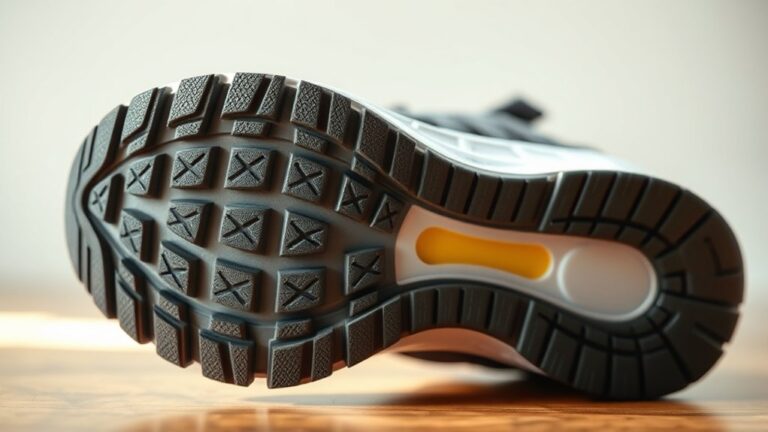
Sole technology equally matters. Rubber or synthetic soles offer durability and resist frequent wear. Their thickness and composition directly affect shock absorption, stability, and overall comfort.
Additionally, integrating flexible construction with cushioning and non-slip rubber ensures safety and adaptive movement.
Essential Buying Tips for Comfortable, Durable Casual Shoes
Selecting the right casual shoes goes beyond materials and sole technology. It requires careful evaluation of fit, functionality, and intended use. To guarantee comfort and durability, focus on these vital tips:
Choose shoes crafted from sustainable materials like breathable leather, suede, or canvas. These materials balance flexibility with support.
Prioritize proper fit by testing for sufficient toe space. This helps prevent discomfort during prolonged wear.
Select models with durable, non-slip soles that offer excellent traction and cushioning. These features are essential for varied activities.
Opt for brands committed to eco-friendly manufacturing. This way, your shoes minimize environmental impact while maintaining quality.
Matching Casual Shoes With Your Daily Outfits
Although casual shoes serve primarily for comfort, matching them thoughtfully with your daily outfits enhances both style and functionality. Prioritize color coordination by pairing white sneakers with denim or casual dresses to maintain versatility across settings.
Casual shoes prioritize comfort, but pairing them thoughtfully with outfits boosts both style and practicality.
Loafers or suede desert boots complement chinos or skirts, creating a polished yet relaxed look.
For summer, use colorful canvas shoes or espadrilles to inject vibrancy into shorts and light dresses.
Slip-on casual shoes work well with denim or casual trousers, supporting effortless comfort during errands.
Consider accessory pairing. Match belts or bags with your shoe color to unify your ensemble.
Finally, select shoes appropriate for the occasion and season, such as leather loafers for spring or breathable sneakers for summer. This way, your outfit remains coherent and seasonally suitable.
Tips for Maintaining and Caring for Casual Shoes
Pairing your casual shoes thoughtfully with your outfits enhances their appearance, but maintaining their condition guarantees they stay functional and stylish over time. Proper shoe cleaning and material protection are essential for longevity. Follow these precise steps:
- Clean regularly using a soft brush or damp cloth to remove dirt, focusing on delicate materials like suede and leather.
- Apply a waterproof spray compatible with the shoe’s material to guard against moisture and extend durability.
- Store shoes in a cool, dry environment away from direct sunlight to prevent fading and material degradation.
- Rotate between multiple pairs to allow airflow and minimize wear.
Also, periodically polish leather shoes with high-quality polish to nourish and preserve the finish.
Frequently Asked Questions
Can Casual Shoes Be Worn for Light Sports or Exercise?
You can wear casual shoes for light sports if they offer adequate durability and support. But keeping up with casual shoe maintenance becomes essential to preserve cushioning and sole integrity. This helps prevent premature wear.
Plus, it ensures safe and comfortable use during your activities. So, it’s all about making sure your shoes are up to the task before hitting the light exercise or sports scene.
Are Casual Shoes Suitable for Office Dress Codes?
You know what they say: dress for the job you want. For office dress code compliance, follow casual shoe etiquette by choosing neutral, high-quality loafers or minimal sneakers.
These options balance professionalism and comfort effectively. It’s all about finding that sweet spot where you look sharp but still feel relaxed.
Keep it simple and polished, and you’ll be good to go!
How Do Casual Shoe Sizes Compare to Athletic Shoe Sizes?
You’ll find casual shoe sizes often differ slightly from athletic ones due to varied shoe material and sole construction. Casual shoes prioritize comfort, so sizing may feel looser or narrower. Always check brand charts and try them on later in the day.
It’s a good idea to keep these differences in mind when shopping. That way, you can pick the right fit without any surprises.
Can Casual Shoes Be Waterproofed Effectively?
Think of waterproofing methods as a shield, protecting your casual shoes. Using sprays or coatings tailored to material options like leather or suede, you can effectively repel water.
Just keep in mind, breathability might slightly decrease with heavier treatments. But overall, it’s a great way to keep your shoes dry without much hassle.
What Are the Best Casual Shoes for Wide Feet?
You’ll find the best casual shoes for wide feet in brands like New Balance, focusing on material durability and breathable mesh.
Prioritize styles aligning with current fashion trends, like slip-ons, ensuring both comfort and lasting wear throughout daily activities.
These options make it easy to stay comfortable without sacrificing style.
Conclusion
Understanding casual shoes helps you choose the right pair for everyday comfort and style. Did you know 65% of people prioritize comfort over fashion when buying casual shoes? This highlights the importance of selecting materials and soles that balance durability with cushioning.
By focusing on design details and maintenance, you’ll extend your shoe’s lifespan and guarantee they complement your outfits effortlessly. Make informed choices to enjoy both function and style every day.