What Does 7Y Mean In Shoe Size – Youth Sizing Explained
A 7Y shoe size means a youth size designed for kids around 6 to 8 years old. It bridges the gap between smaller children’s shoes and adult sizes. It fits a foot length close to 9.75 inches, offering comfort and support for growing feet.
This size roughly matches a women’s 8.5 or men’s 6.5 in adult sizing. If you want to guarantee the best fit and understand how sizing developments work, there’s more to discover.
Key Takeaways
- 7Y denotes a youth shoe size for children approximately aged 6 to 8 years.
- It corresponds to a foot length around 9.6 to 9.75 inches (24.5 to 24.8 cm).
- Size 7Y bridges larger kids’ shoes and smaller adult sizes, aligning with women’s 8.5 and men’s 6.5 US sizes.
- Proper 7Y fit allows half an inch of toe space for comfort and foot growth.
- Youth sizes like 7Y support active children’s needs with durable, breathable, and flexible materials.
What Does 7Y Mean in Kids’ Shoe Sizing?
What exactly does 7Y mean in kids’ shoe sizing? The “7Y” denotes a youth size, typically fitting children aged 6 to 8 years. The “Y” suffix identifies the shoe as part of the youth sizing range, distinct from adult sizes.
A 7Y shoe usually corresponds to a foot length of about 9.75 inches (24.8 cm). When you consult sizing charts, you’ll see youth sizes generally start at 3Y and go up to 7 or 7.5Y.
This size acts as a bridge between larger kids’ shoes and smaller adult sizes, helping kids shift smoothly.
Keep in mind that shoe width also plays a vital role in fit, so always consider both length and width when using sizing charts to guarantee the best fit for growing feet. It’s not just about the number, but how the shoe fits overall.
How Do Youth, Toddler, and Adult Shoe Sizes Differ?
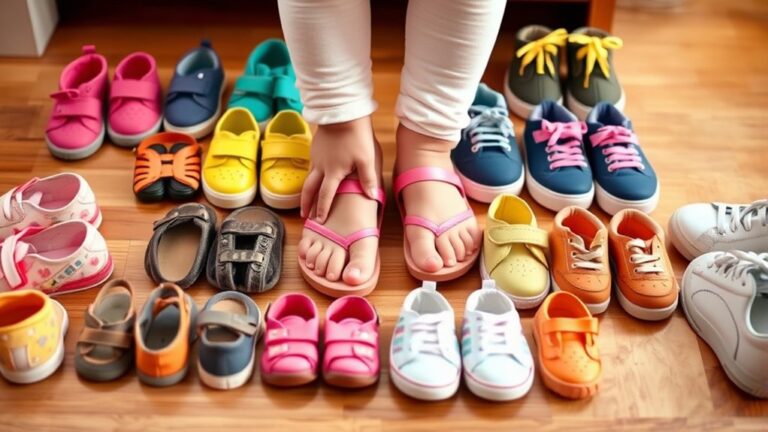
You’ll notice toddler sizes go from 0 to 13. Then, youth sizes pick up from 1 to 7, kind of bridging the gap before adult sizes usually start around 4 or 5.
There’s actually an important overlap around sizes 7 and 8, where youth and adult sizing can sometimes mix, depending on the brand.
Knowing these differences really helps when you’re trying to find the right fit as feet grow from early childhood all the way to adulthood.
Size Range Differences
Although shoe sizes across youth, toddler, and adult categories may seem similar, each range serves distinctly different age groups and foot dimensions. Understanding these size range differences helps you choose the right fit and style.
Toddler sizes (0 to 13) fit children under 4 years old. These shoes often feature softer materials and bright color options tailored for early walkers.
Youth sizes (3.5 to 7Y) cater to kids aged 4 to 12. They bridge toddler and adult fits with durable shoe materials and versatile color options for growing feet.
Adult sizes (starting at 4 or 5) accommodate larger foot dimensions without “Y” markings. They offer diverse material types and sophisticated color options suited for mature wearers.
Knowing these distinctions guarantees you pick footwear that matches both size and developmental needs. It really makes a difference when you find the right fit for the person wearing them.
Overlap Between Categories
Since youth shoe sizes serve as a bridge between toddler and adult sizing, they create a unique overlap that helps ease the shift for growing feet. In shoe manufacturing, this overlap is vital, as youth sizes like 7Y roughly correspond to women’s size 8 or men’s 6.5, reflecting standardized sizing standards.
Toddler sizes end at 13T, with no direct overlap but a gradual progression into youth sizing, ranging from 3.5 to 7.
Adult sizes typically begin at 4 or 5 for women and 6 or 7 for men, aligning with the upper youth sizes.
This overlap guarantees a smooth transition, allowing you to move from youth to smaller adult shoes without a significant difference in length or fit. It helps maintain comfort and proper support as feet grow.
Who Typically Wears 7Y Shoes?
When children shift from toddler sizes to larger shoes, they often wear size 7Y, which suits kids around 6 to 8 years old. This size fits children with foot lengths near 23.5 cm (9.25 inches) and accommodates wider feet.
You’ll find that 7Y shoes cater to active, school-age kids who need durable, flexible shoe materials for daily wear.
Who typically wears 7Y shoes?
- Kids engaged in sports or outdoor activities needing sturdy, breathable materials.
- Children following current fashion trends, selecting styles that suit their growing feet and personal tastes.
- Boys and girls progressing from toddler shoes but not yet ready for adult sizing, requiring a comfortable, well-fitting option.
Understanding who wears 7Y helps you choose shoes that balance style, comfort, and durability perfectly.
When Should Kids Transition From Youth 7Y to Adult Sizes?
Kids wearing size 7Y shoes will eventually outgrow this youth category as their feet lengthen and widen. You should consider transitioning to adult sizes once the foot length reaches about 9.5 to 10 inches (24-25 cm), typically around ages 12 to 14.
Since shoe material and color options differ between youth and adult lines, shifting at the right time ensures comfort and style. It’s a good idea to prioritize accurate foot measurement over age to find the best fit. This is especially important if your child has wider feet that need more support.
| Factor | Details |
|---|---|
| Typical Age | 12 to 14 years |
| Foot Length | 9.5–10 inches (24–25 cm) |
| Importance | Proper fit & support |
| Considerations | Shoe material, Color options |
How Do 7Y Youth Sizes Overlap With Women’s and Men’s Sizes?
Although youth size 7Y primarily serves children, it overlaps with adult sizes, corresponding closely to a US women’s 8.5 and a men’s 6.5. This overlap makes 7Y a versatile option for those shifting between youth and adult footwear.
When considering 7Y shoes, keep these points in mind:
- Youth 7Y shoes often share similar shoe material and color options with adult models, offering variety and durability.
- The size sits about 0.5 to 1 size smaller than women’s equivalents but slightly larger than men’s, fitting teenagers and small-footed adults comfortably.
- Because men’s sizes are generally 1.5 to 2 sizes smaller than women’s, 7Y fits women better than men, making it ideal if you want youth sizing with adult style.
Understanding this overlap helps you choose the right shoe efficiently.
How to Measure Your Child’s Foot for Accurate 7Y Sizing
Understanding the overlap between youth size 7Y and adult sizes gives you a practical starting point. But getting the right fit really depends on accurate foot measurements.
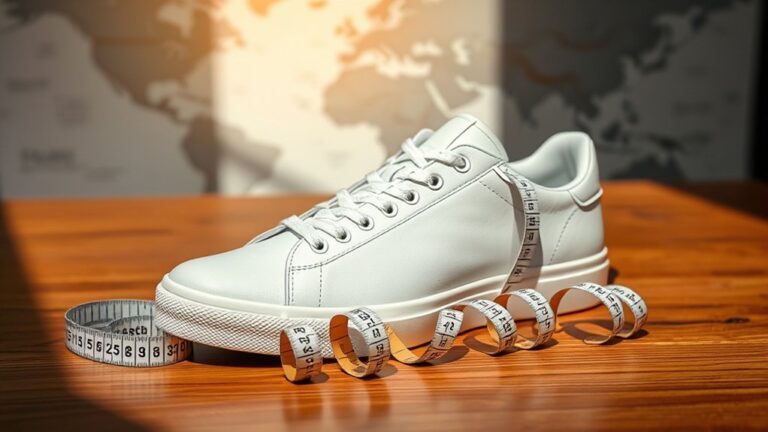
Begin by having your child stand flat on a piece of paper with their heel firmly against a wall or upright surface. Using reliable measuring techniques, mark the longest toe point and measure from heel to toe with a ruler or measuring tape. Record the length in centimeters or inches to guarantee sizing accuracy.
Since feet can differ slightly in size, measure both feet and use the longer measurement to select the correct size.
Finally, compare your recorded measurement to the youth size chart to confidently determine if 7Y is the best fit for your child’s foot dimensions.
Why Choose a Larger 7Y Size When Between Sizes?
When you’re deciding between two sizes, choosing the larger 7Y guarantees your child’s shoes provide enough room for natural foot movement and growth. Footwear materials and shoe manufacturing processes often create a snug fit, but sizing up prevents discomfort and supports healthy development.
Choosing the larger 7Y ensures comfort, room for growth, and supports healthy foot development.
Consider these key reasons:
- A larger 7Y accommodates thicker socks or insoles, which is essential for colder weather or additional support.
- It reduces pressure points and blisters, especially during active use, by allowing slight extra space.
- Growing feet outpace shoe size changes. Sizing up minimizes frequent replacements and protects against long-term foot issues.
Opting for the larger 7Y ensures a balance of comfort, durability, and proper fit. This reflects both the design intent of shoe manufacturing and the functional properties of footwear materials.
Choosing the bigger size is just a smart way to keep your child comfortable and their feet healthy!
How to Buy Comfortable and Well-Fitting 7Y Shoes
Since children’s feet can change size quickly, you’ll want to measure them regularly and try shoes on at the end of the day when feet are at their largest.
When buying 7Y shoes, verify the foot length matches the shoe size, generally around 24.5 cm (9.6 inches).
Leave about half an inch of space at the toe for growth and comfort.
Pay close attention to the shoe material. It should be breathable and flexible to accommodate natural foot movement.
Also, check for proper arch support to maintain foot health and provide stability.
Make sure the shoes fit well around the widest part of the foot without pinching.
Prioritizing these factors ensures your child’s 7Y shoes stay comfortable and well-fitting throughout daily activities.
How Often to Re-Measure Your Child’s Feet in Youth Sizes
Because children’s feet grow quickly, you should re-measure them every two to three months to guarantee their shoes fit properly. Understanding foot growth patterns is essential for applying effective shoe fitting techniques, especially during rapid development phases.
Here’s why regular measurement matters:
- Children can grow about half a shoe size every two to three months, so frequent checks prevent buying shoes that are too small or tight.
- Early detection of growth spurts ensures timely shoe replacements, maintaining comfort and support.
- Consistent sizing checks promote foot health by accommodating changing dimensions as your child progresses through youth sizes.
Frequently Asked Questions
Are 7Y Shoes Suitable for Sports Activities?
Yes, 7Y shoes can suit sports if their shoe material offers breathability and durability. You’ll want to guarantee the comfort level is high, with proper cushioning and support to protect your feet during active play and running.
It’s really about making sure they fit well and feel good while you’re moving around. If the shoes check those boxes, they can definitely work for sports activities. Just keep an eye on how they hold up with frequent use.
Can 7Y Shoes Be Worn by Adults With Small Feet?
Like fitting a glove, you can wear 7Y shoes if your feet are small and narrow.
For adult fashion, consider shoe customization to adjust width and support. This ensures comfort and style align perfectly with your needs.
It’s all about making the shoe work for you, not the other way around!
Do 7Y Shoes Come in Wide or Narrow Widths?
7Y shoes sometimes come in wide or narrow widths, but shoe width options vary by brand and style. For better size versatility, you should check product details carefully and try different models to guarantee a proper, comfortable fit.
It’s a good idea to see what each brand offers since some might have more width options than others. Don’t hesitate to try on a few pairs to find the best fit for your feet. After all, comfort is key when it comes to shoes!
How Durable Are 7Y Shoes Compared to Adult Sizes?
Think of 7Y shoes as delicate flowers. Their shoe material and brand reputation often prioritize comfort over toughness.
Compared to adult sizes, they’re less durable and wear out faster. This is especially true under heavy or frequent use. So, if you’re planning on putting them through a lot, keep that in mind.
Are 7Y Shoes More Expensive Than Toddler Sizes?
Yes, 7Y shoes are generally more expensive than toddler sizes because shoe manufacturing involves higher material costs and durability requirements. Pricing strategies reflect these factors to meet the needs of older, more active children effectively.
It makes sense when you think about it. Bigger shoes need sturdier materials and better construction. So, the price goes up to match that.
Conclusion
Understanding what 7Y means in youth shoe sizing helps you navigate your child’s growing feet with confidence. As they step towards adulthood, choosing the right size isn’t just about numbers. It’s about supporting their journey comfortably and safely.
Trust your measurements and lean toward a slightly larger size when in doubt. By paying close attention now, you’re setting the stage for many happy, healthy steps ahead.